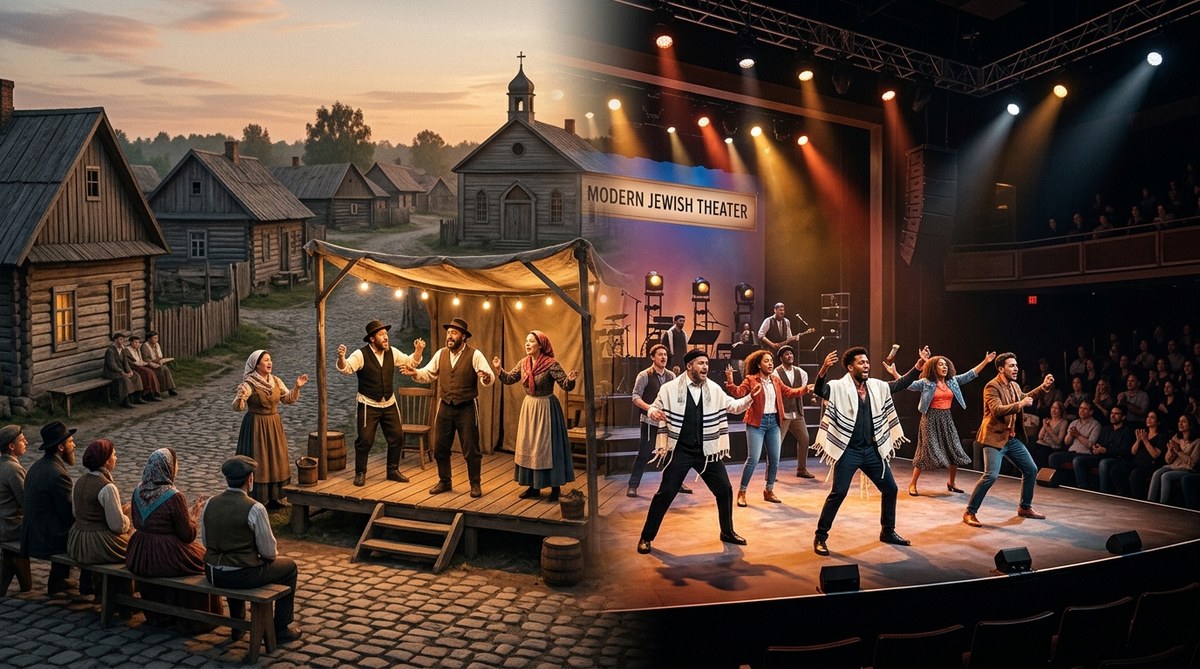
Jewish theater has a rich and resilient heritage that spans centuries. From the lively performances of shtetl folk to the sophisticated productions of today, these traditions have endured periods of suppression and revival. Recently, a resurgence in Jewish theater traditions has gained momentum, blending historical practices with modern storytelling techniques. This renaissance not only preserves cultural identity but also introduces Jewish theatrical artistry to new audiences worldwide. Understanding this movement reveals how history and innovation intertwine to keep Jewish theater vibrant and relevant in the modern era.
The modern revival of Jewish theater traditions combines historical storytelling with contemporary techniques, ensuring cultural continuity and engaging audiences today. This movement fosters a deeper appreciation of Jewish cultural expressions through innovative performances rooted in tradition.
The Roots of Jewish Theater and Its Cultural Significance
Jewish theater’s origins trace back to the shtetl communities of Eastern Europe. These small towns, often isolated, developed vibrant cultural practices that kept Jewish stories, humor, and religious themes alive through storytelling, song, and performance. Traditional forms like the Yiddish theater emerged as a vital means of community expression, often serving as a space for social commentary and cultural preservation.
During the 19th and early 20th centuries, Jewish theater expanded beyond the shtetl, influenced by broader European theatrical trends. Yiddish theater companies traveled across Eastern Europe, Russia, and eventually to the United States, creating a unique theatrical language that combined humor, folklore, and religious narratives. Despite facing censorship and persecution, these performances remained vital for maintaining cultural identity.
Today, many of these traditional elements—such as storytelling techniques, musical motifs, and religious themes—are being reimagined in contemporary productions. Modern Jewish theater artists draw from this historical well to craft performances that resonate with today’s audiences while honoring their heritage.
The Modern Revival of Jewish Theater Traditions
In recent years, a renewed interest in Jewish theater traditions has sparked a vibrant cultural movement. This revival is characterized by a blend of authentic historical practices and innovative artistic expressions. It aims to reconnect younger generations with their roots while fostering dialogue on contemporary issues.
Several factors contribute to this resurgence:
– Cultural Identity: Many Jewish communities seek to reaffirm their cultural identity amidst globalized influences.
– Historical Reflection: Artistic projects aim to explore and interpret Jewish history through a theatrical lens.
– Cross-cultural Collaboration: International collaborations bring diverse perspectives and techniques into Jewish theater.
This movement is evident in various ways, from small community productions to large international festivals. Playwrights and directors incorporate traditional motifs, storytelling styles, and musical elements like klezmer into modern scripts. These performances often address relevant themes such as memory, resilience, migration, and faith.
Techniques and Trends in the Modern Revival
Jewish theater artists employ a range of techniques to revive and adapt traditional practices:
- Incorporating traditional music: Klezmer and other Jewish musical styles are woven into performances to evoke cultural atmosphere.
- Using storytelling as structure: Performers often simulate the oral storytelling tradition of shtetl life.
- Blending languages: Performances may include Yiddish, Hebrew, and English, reflecting multicultural influences.
- Reviving folk dance and ritual: Incorporating dance and ritual elements to deepen cultural authenticity.
- Experimental staging: Utilizing multimedia, puppetry, and immersive theater to engage modern audiences.
| Technique | Common Mistakes | Effectiveness |
|---|---|---|
| Traditional music integration | Overusing music, overshadowing dialogue | Enhances cultural atmosphere without distracting |
| Authentic storytelling | Modernizing stories excessively | Maintains authenticity while engaging audiences |
| Multilingual performances | Cluttering scripts with too many languages | Reflects cultural diversity effectively |
| Ritual and dance | Ignoring cultural context | Deepens cultural resonance |
“Reviving Jewish theater is about honoring the past while daring to innovate. When artists respect tradition but are not afraid to experiment, they create performances that are both authentic and fresh.” — Dr. Leah Cohen, theater historian
Challenges and Opportunities in the Revival
While the movement is promising, it faces challenges:
– Preserving authenticity: Striking a balance between tradition and modernity.
– Funding and recognition: Securing resources for culturally specific projects.
– Audience engagement: Attracting diverse and younger audiences to traditional forms.
However, opportunities abound. Digital platforms allow performances to reach a global audience. Cross-disciplinary collaborations can foster innovative storytelling. Educational programs help teach traditional techniques to emerging artists.
Practical Steps to Engage with Jewish Theater Traditions
If you are interested in participating in or supporting this revival, consider these steps:
- Learn about traditional Jewish storytelling and musical forms like klezmer.
- Attend local or online Jewish theater performances to experience live traditions.
- Volunteer or collaborate with community theater groups focused on Jewish stories.
- Support funding initiatives that promote Jewish cultural arts.
- Incorporate traditional elements into your own performances or projects.
Common Techniques and Mistakes in Modern Jewish Theater Revival
| Technique | Mistakes to Avoid | Benefits |
|---|---|---|
| Incorporating traditional music | Overuse or misinterpretation | Creates authentic atmosphere |
| Using storytelling techniques | Losing narrative clarity | Deepens emotional connection |
| Blending languages | Confusing or alienating audiences | Reflects cultural diversity |
| Ritual and dance | Cultural misappropriation | Enriches performance authenticity |
Experts’ Advice for a Successful Revival
“Modern Jewish theater thrives when it respects its roots but is not bound by them. Artists should focus on storytelling that resonates today, using tradition as a foundation for innovation.” — Rabbi Miriam Goldstein
Embracing the Future of Jewish Theater
The revival of Jewish theater traditions offers a meaningful way to connect with cultural heritage while engaging contemporary audiences. By blending historical practices with innovative techniques, performers and creators ensure these stories continue to inspire and educate. Whether you are a researcher, student, or enthusiast, participating in this movement can deepen your understanding of Jewish culture and contribute to its ongoing vitality.
Remember, fostering this revival is a community effort. Sharing performances, supporting artists, and learning about traditions can help keep the spirit of Jewish theater alive for generations to come. As you explore or create, let the rich history inspire your journey into this vibrant cultural landscape.
Leave a Reply