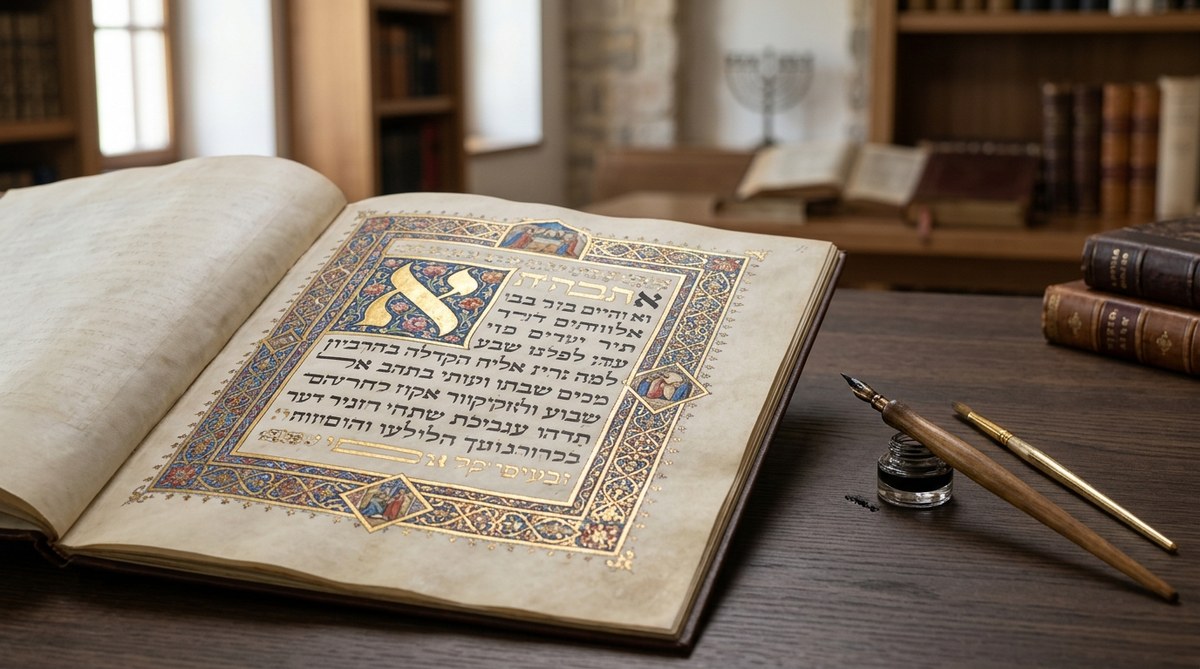
Jewish calligraphy illuminated manuscripts stand as a testament to centuries of devotion, artistry, and cultural identity. These beautifully crafted texts offer a window into the spiritual and artistic lives of Jewish communities across history. From intricate lettering to vibrant decorations, each manuscript tells a story far beyond the words inscribed. For historians, art students, and scholars, exploring these illuminated texts unlocks a deeper understanding of Jewish heritage and medieval artistry.
The significance of Jewish calligraphy in history
Jewish calligraphy has played a vital role in preserving religious traditions and cultural identity. The art form developed alongside the evolution of Jewish liturgical practices, with scribes meticulously copying sacred texts by hand. Illuminated manuscripts elevated these texts beyond mere words, transforming them into visual masterpieces filled with symbolism and beauty.
Throughout history, Jewish communities across Europe, the Middle East, and North Africa produced illuminated manuscripts that reflected local styles and materials. These works served not only as religious texts but also as cultural artifacts, illustrating the society’s artistic values and craftsmanship.
The artistry behind illuminated Jewish manuscripts
Creating a Jewish illuminated manuscript involves a complex process that combines calligraphy, illustration, and decoration. Skilled scribes, often trained in religious institutions or guilds, carefully copied texts while artists added decorative elements. These elements include ornate initial letters, floral motifs, geometric patterns, and symbolic icons.
The materials used in manuscript production varied by region and era. Parchment or vellum served as the writing surface, while natural pigments and gold leaf provided vibrant colors. The use of gold, in particular, highlights the manuscript’s sacred nature and the high level of craftsmanship.
Techniques used in creating illuminated manuscripts
| Technique | Description | Common mistakes |
|---|---|---|
| Gold leaf application | Applying thin sheets of gold to embellish letters or borders | Uneven application, tarnishing over time |
| Calligraphic lettering | Using specific scripts like Sephardic or Ashkenazi styles | Inconsistent letter forms, smudging |
| Miniature illustration | Small, detailed images complementing text | Overcrowding, loss of detail |
| Marginal decoration | Ornamental designs in margins | Cluttered or unbalanced designs |
These techniques required precision and patience. Artisans often trained for years to master the artistry needed for these manuscripts.
How illumination enhances the text
Illumination transforms a plain manuscript into a visual celebration. It emphasizes important sections, such as the beginning of a prayer or holiday. Gold and vivid colors draw the reader’s eye, making the reading experience more engaging and meaningful.
The cultural context of Jewish illuminated manuscripts
Jewish illuminated manuscripts reflect the cultural diversity of Jewish communities. For example, manuscripts from Spain display Moorish influences, with intricate arabesque patterns. In Eastern Europe, the style tends to be more austere, focusing on the purity of script and minimal decoration.
These texts also served as educational tools. Children and learners studied illuminated manuscripts to understand religious laws, history, and traditions. The artistry made these lessons memorable and inspiring, ensuring cultural continuity.
Practical steps to appreciating and studying illuminated manuscripts
- Examine the script carefully. Notice the style, spacing, and ornamentation. Different regions favored specific scripts, revealing geographical origins.
- Identify the decorative elements. Look for motifs, colors, and use of gold. These features convey symbolic meanings.
- Research the historical context. Understand the manuscript’s origin, purpose, and the community that created it.
Analyzing techniques and common errors
A helpful way to study illuminated manuscripts is to compare techniques with typical mistakes. For example, uneven application of gold leaf might indicate rushed work or limited resources. Recognizing these details provides insight into the artisans’ skill levels and the manuscript’s provenance.
Preserving and appreciating Jewish illuminated manuscripts today
Many Jewish illuminated manuscripts are preserved in museums and private collections. Conservation involves controlling light, humidity, and handling to prevent deterioration. Digital reproductions allow wider access, enabling scholars and enthusiasts to study these works without risking damage.
Expert advice on handling manuscripts
“When examining illuminated manuscripts, always handle them with gloves and avoid direct light. Digital copies can provide detailed views of the artistry without risking harm to the originals,” recommends a renowned conservator.
How to incorporate illuminated manuscripts into modern learning
Art students can study these manuscripts to understand historical techniques and styles. Scholars may analyze symbolism or compare regional differences. History enthusiasts can appreciate how these texts connect religious practice with artistic expression.
The influence of Jewish calligraphy and illumination on broader art movements
Jewish manuscript art has influenced many artistic movements in Europe and beyond. The emphasis on intricate detail and symbolism entered broader artistic discourses. Modern Jewish artists often draw inspiration from these historic works, blending traditional styles with contemporary themes.
Final thoughts: keeping the tradition alive
Jewish calligraphy illuminated manuscripts serve as enduring symbols of faith, artistry, and cultural resilience. By studying and preserving these texts, we maintain a vital part of Jewish heritage and contribute to the ongoing dialogue between tradition and innovation. Whether you are an artist, historian, or enthusiast, engaging with these manuscripts offers a meaningful connection to centuries of artistic devotion.
A personal approach to appreciating Jewish illuminated texts
Start by visiting libraries or museums that house such manuscripts. Take time to observe their details and learn about their origins. Consider trying your hand at calligraphy or illumination, following traditional techniques. Sharing this knowledge helps keep the craft alive for future generations.
This journey into Jewish calligraphy illuminated manuscripts reveals the depth of artistry and cultural importance behind each page. By appreciating the meticulous work of past artisans, you connect with a centuries-old tradition that continues to inspire. Embrace the opportunity to learn more about these exquisite texts and perhaps even contribute to their preservation.
Leave a Reply