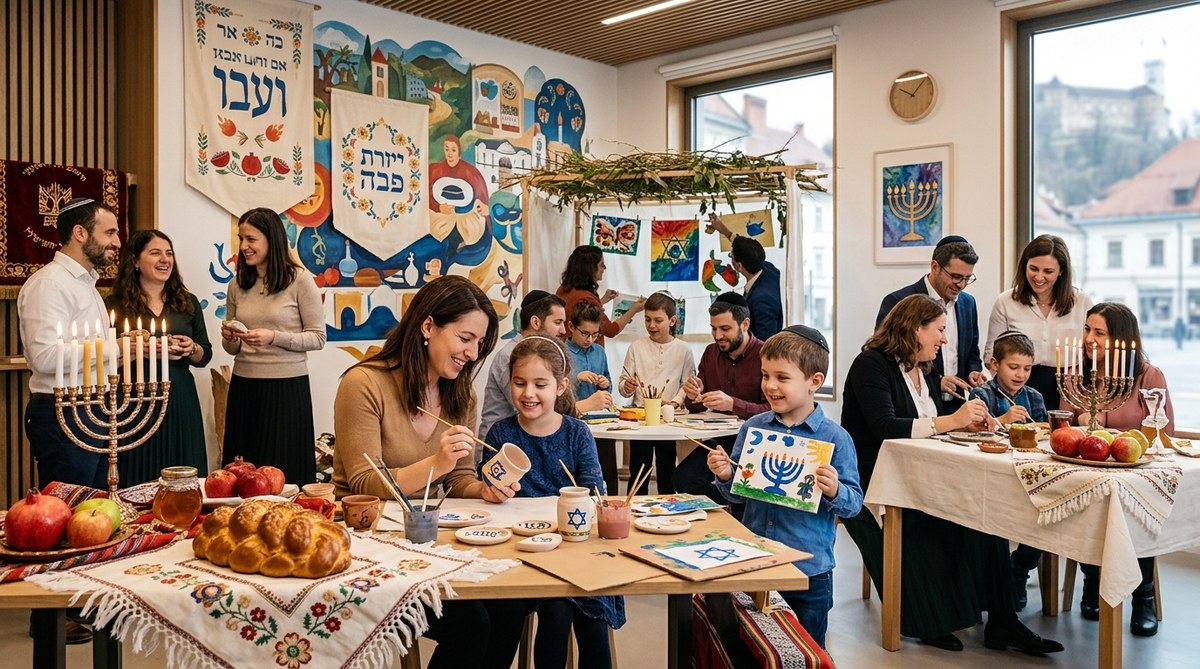
Jewish festivals and cultural traditions form the heart of community life and spiritual identity. They are a vibrant tapestry woven through centuries, marked by meaningful rituals, joyous gatherings, and artistic expressions. These celebrations do more than honor religious history; they foster a sense of belonging and continuity. Whether you are a student, educator, or someone simply curious about Jewish culture, understanding these festivals offers insight into a joyful, resilient heritage that continues to thrive today.
Jewish festivals and cultural traditions highlight centuries of faith, history, and artistry. They unite communities through meaningful rituals, music, food, and dance, celebrating identity and resilience across generations.
The significance of Jewish festivals and traditions
Jewish festivals are rooted in biblical commandments and historical events. Each holiday carries a story that teaches lessons about faith, perseverance, and renewal. Beyond their religious meaning, these festivals serve as cultural milestones that strengthen community bonds and pass traditions from one generation to the next.
Many festivals are celebrated with specific arts and crafts, music, dance, and culinary customs. These traditional elements help create a lively atmosphere that reinforces cultural identity and personal connection to history. Participating in these celebrations offers a chance to experience the richness of Jewish life, whether through a lively Hanukkah menorah lighting, a joyful Purim costume party, or the solemnity of Yom Kippur.
Popular Jewish festivals and their cultural expressions
Hanukkah: The Festival of Lights
Hanukkah commemorates the miracle of the oil lasting eight days in the rededicated temple. It is marked by lighting the menorah, playing dreidel, and enjoying foods fried in oil like latkes and sufganiyot. Music and dance play a vital role, with traditional songs and lively klezmer tunes filling homes and communities. Artisans often craft beautiful menorahs and holiday decorations that celebrate this joyful festival.
Passover: Celebrating liberation and freedom
Passover, or Pesach, recounts the Israelites’ escape from slavery in Egypt. It involves a ceremonial Seder meal, where families retell the Exodus story through symbolic foods and rituals. The holiday fosters a sense of memory and identity, often expressed through traditional songs, storytelling, and the art of creating beautifully decorated Seder plates. Culinary arts shine during Passover, with special recipes that adhere to dietary laws while celebrating flavor and tradition.
Rosh Hashanah and Yom Kippur: The High Holy Days
Rosh Hashanah marks the Jewish New Year, celebrated with festive meals, sweet foods like honey, and the sounding of shofar horns. It is a time for reflection and renewal. Yom Kippur, the Day of Atonement, involves fasting and prayer. Artistic expressions such as prayer shawls (tallit), illuminated manuscripts, and calligraphy enhance the spiritual experience. Congregations often sing traditional melodies that echo through synagogues, creating a sense of unity and reverence.
Sukkot and Shavuot: Harvest and revelation
Sukkot commemorates the Israelites’ journey through the desert, celebrated by building temporary huts called sukkahs decorated with artistic motifs. It’s a festive time with singing, dancing, and sharing meals outdoors. Shavuot celebrates the giving of the Torah, often marked by studying sacred texts, decorating synagogues with floral arrangements, and enjoying dairy foods. Artistic projects like floral art and illuminated manuscripts bring these holidays to life.
Purim: Joy and disguise
Purim is a lively holiday filled with costumes, plays, and merriment. It recalls Queen Esther’s bravery and the salvation of the Jews in Persia. Arts and crafts are central, with children and adults creating costumes and masks. The holiday features dramatic readings of the Megillah and festive singing, often accompanied by dancing and community parades.
How arts and traditions sustain Jewish culture
Jewish cultural traditions are expressed through a variety of artistic forms that bring festivals to life. Music, dance, visual arts, and culinary arts all serve as mediums for storytelling and community bonding.
- Music and dance: Traditional melodies like klezmer music and Hora dances energize celebrations. These lively arts foster shared joy and cultural pride.
- Visual arts: Calligraphy, illuminated manuscripts, and decorative motifs adorn religious objects and festive decorations. They preserve centuries of artistic devotion.
- Culinary arts: Special holiday foods are crafted with care, blending religious symbolism with regional ingredients. Preparing and sharing these dishes reinforces cultural identity.
- Crafts and costumes: Creating traditional garments and decorations connects community members to their history and strengthens intergenerational bonds.
Techniques for preserving traditions
| Technique | Mistake to Avoid |
|---|---|
| Engaging in hands-on arts like making menorahs or sukkah decorations | Relying solely on imported or mass-produced items |
| Learning traditional songs and dances | Focusing only on modern or secular versions |
| Cooking authentic holiday recipes | Using non-traditional ingredients that alter the significance |
| Documenting family stories and customs | Ignoring the importance of oral history |
“Participating actively in arts and crafts during festivals helps keep traditions alive and fosters a sense of belonging that transcends generations,” advises Rabbi Leah Cohen, a community educator.
Practical steps to immerse in Jewish cultural traditions
- Attend community festivals or services to experience the arts firsthand.
- Learn traditional songs and dances associated with each holiday.
- Try cooking authentic holiday foods using recipes passed down through families.
- Create handmade decorations or crafts that reflect the holiday’s themes.
- Document your experiences and stories to pass on to future generations.
Community involvement and educational resources
Educational programs and community events play a crucial role in passing traditions forward. Workshops on arts and crafts, cooking classes, and musical evenings encourage participation across ages. Many communities also organize interfaith dialogues and cultural exchanges, enriching understanding and appreciation.
Organizations like local Jewish cultural centers and synagogues often host exhibitions, performances, and storytelling sessions that highlight arts and traditions. These initiatives help sustain a vibrant cultural landscape that celebrates diversity within the Jewish community.
A celebration of heritage through arts and traditions
Jewish festivals and cultural traditions serve as a living testament to resilience, faith, and artistry. They connect individuals to their history and each other through shared rituals, music, dance, and crafts. Engaging actively with these customs deepens understanding and fosters a sense of pride.
Whether you participate in the lighting of the menorah, bake traditional challah, or decorate a sukkah, each act keeps Jewish culture alive and thriving. Embrace these traditions with enthusiasm, and consider how your involvement can inspire others to appreciate this rich heritage.
Embracing tradition for future generations
Incorporating arts and customs into daily life can make Jewish festivals more meaningful. Share stories, involve children in crafts and cooking, and attend community celebrations. These practices create a tapestry of memories that will endure and inspire.
Remember, celebrating Jewish festivals and cultural traditions is more than observing rituals. It is about honoring a shared history, expressing creativity, and building a resilient community. Your participation helps keep this heritage vibrant and relevant for generations to come.