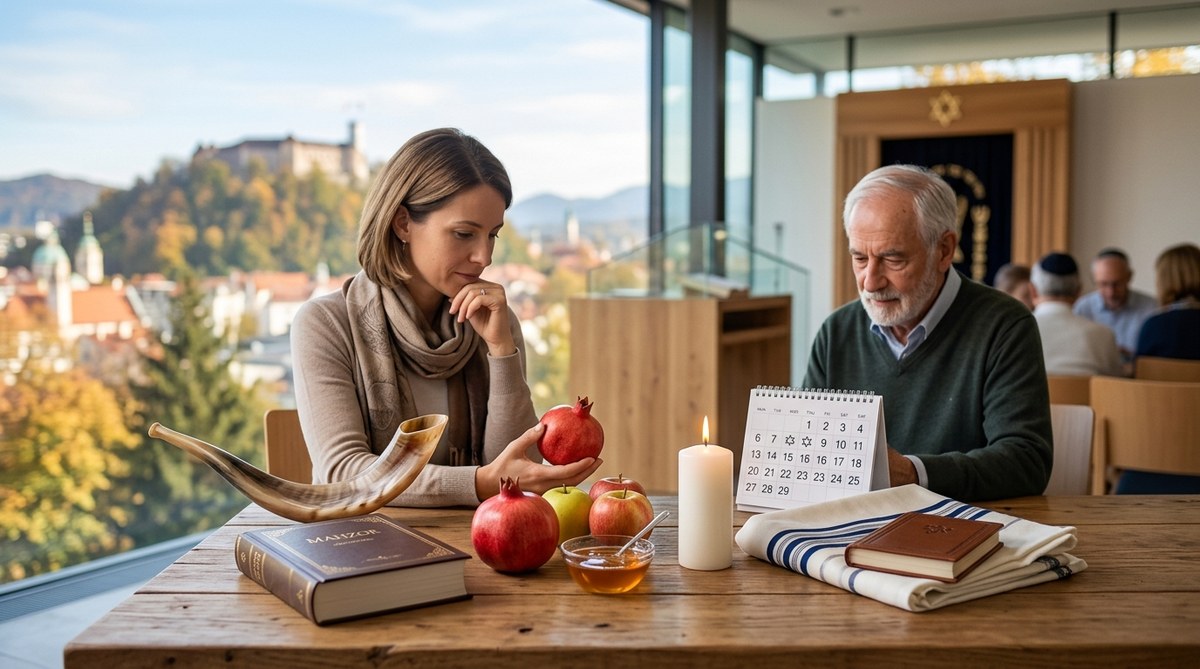
Jewish High Holy Days in Slovenia mark a profound period of reflection, renewal, and community gathering. These sacred times weave together centuries-old traditions with the unique Slovenian Jewish experience. Whether you are a member of Slovenia’s Jewish community or someone interested in understanding these meaningful celebrations, this guide offers a friendly, comprehensive look at what happens during the High Holy Days in Slovenia. From Rosh Hashanah to Yom Kippur and beyond, you’ll find practical tips, cultural insights, and ways to participate meaningfully.
Slovenia’s Jewish High Holy Days blend deep tradition with local customs. Participating involves special prayers, festive foods, community prayers, and reflection. This guide helps you understand how these sacred days are observed in Slovenia, offering practical steps for engaging with the community and enriching your spiritual experience.
Understanding the Significance of the High Holy Days in Slovenia
The High Holy Days, also known as the Yamim Noraim or Days of Awe, encompass several important Jewish holidays. In Slovenia, these holidays hold both historical importance and contemporary relevance. They serve as a time for personal repentance, communal prayer, and spiritual renewal.
Jewish communities in Slovenia observe these days with a mix of traditional rituals and local adaptations. Given Slovenia’s rich history and the resilience of its Jewish population, these celebrations often include unique customs that reflect both their heritage and Slovenian culture. For many, these days are an opportunity to reconnect with their roots, reflect on personal and collective pasts, and look forward with hope.
The Major Holidays During the High Holy Days Season
The High Holy Days span from Rosh Hashanah, the Jewish New Year, to Yom Kippur, the Day of Atonement. Between these, there are several minor holidays and customs that enrich the season.
Rosh Hashanah
This holiday marks the start of the Jewish new year. In Slovenia, community services are held in synagogues and community centers. The sound of the shofar, a ram’s horn, echoes through the air, calling for reflection and repentance. Traditional foods like round challah and honey symbolize hopes for a sweet year.
Yom Kippur
Ten days after Rosh Hashanah, Yom Kippur is the holiest day of the Jewish calendar. Slovenian Jews spend the day in fasting and intense prayer. Synagogues host Kol Nidre services on the eve and Yom Kippur services during the day. Many also participate in communal atonement rituals and seek forgiveness.
Sukkot and Shemini Atzeret
Following Yom Kippur, Sukkot begins, commemorating the Israelites’ wanderings in the desert. Building and dwelling in a sukkah, a temporary hut, is a central practice. Slovenian Jewish families often invite guests into their sukkahs, sharing meals and joy. Shemini Atzeret and Simchat Torah conclude this festive period with joyful dancing and Torah celebrations.
Practical Ways to Participate in the High Holy Days in Slovenia
Engaging with the High Holy Days in Slovenia can be a meaningful experience. Here are some practical steps to get involved or observe these sacred days:
-
Attend local synagogue services
Many Slovenian Jewish communities hold services for Rosh Hashanah, Yom Kippur, and Sukkot. Check with your local synagogue or community center for schedules and registration details. -
Learn about traditional prayers and customs
Familiarize yourself with the liturgy and rituals. Many communities offer introductory sessions or printed materials for newcomers. -
Prepare traditional foods
Baking round challah, making honey cookies, or preparing brisket can enhance your celebration. Use local ingredients to add a Slovenian touch. -
Create a sukkah
If you have space, build a sukkah outside your home. Decorate it and invite family or friends for meals during Sukkot. -
Participate in community events
Look for interfaith or community programs that promote understanding and shared celebration of these holidays. -
Reflect and set intentions
Use these days for personal reflection. Write a journal, meditate, or engage in prayer to focus on growth and renewal.
Customs and Traditions Unique to Slovenia’s Jewish Community
While many High Holy Day customs are universal, Slovenian Jews have cultivated special traditions. Some of these include:
- Folk-inspired holiday foods: Incorporating local ingredients like Slovenian honey or bread into holiday dishes.
- Community singing: Traditional prayers are often accompanied by Slovenian melodies, blending cultural influences.
- Historical remembrance: Commemorations of Slovenian Jewish history, including memorial services for those lost during the Holocaust.
- Artistic expressions: Use of local crafts and art in synagogue decorations or personal prayer books.
Techniques for a Meaningful Holiday Experience
| Technique | Mistake to Avoid |
|---|---|
| Personalize your celebration | Overlooking the importance of community |
| Incorporate local customs respectfully | Ignoring traditional prayer practices |
| Engage in reflection and prayer | Neglecting the significance of the rituals |
| Share festive meals with loved ones | Rushing through or skipping rituals |
“Participating in the High Holy Days in Slovenia offers a chance to connect deeply with your heritage while embracing the local community’s warmth and history,” advises Rabbi David Klein, a Slovenian Jewish leader. He emphasizes that these days are about both tradition and community bonds.
Tips for Observing the High Holy Days in a Modern Context
-
Balance tradition with personal meaning
Adapt rituals to fit your lifestyle while respecting their sacredness. -
Use technology wisely
Join virtual services or connect with distant family members during the holidays. -
Involve children and younger family members
Share stories and teach them about the significance behind each custom. -
Respect local health guidelines
Especially in communal settings, follow safety protocols to ensure everyone’s well-being.
Connecting Past and Present During the High Holy Days
The Slovenian Jewish community has endured hardships and celebrated resilience. Participating in these holidays today keeps alive the memory of ancestors and the hope for future generations. Many community members find strength in shared prayers, stories, and traditions that link Slovenia’s Jewish past with its present.
Throughout the season, you might visit Jewish museums or attend lectures that highlight Slovenia’s Jewish history. These activities deepen your understanding and appreciation of your heritage.
Carrying the Spirit Into Everyday Life
The lessons learned from observing the High Holy Days extend beyond these sacred days. They inspire ongoing reflection, kindness, and community involvement. Taking even small steps—like lighting a Shabbat candle or sharing a holiday meal—can keep the spirit alive year-round.
Remember, these traditions are living practices. They evolve with each generation, blending history with contemporary life. Your participation helps sustain this vibrant cultural and spiritual legacy in Slovenia.
Wishing you meaningful celebrations and a year filled with reflection, growth, and community warmth.
Leave a Reply