Category: Jewish Festivals and Celebrations

  • What Happens During the High Holy Days: A Month-by-Month Guide for Slovenia’s Jewish Community

    What Happens During the High Holy Days: A Month-by-Month Guide for Slovenia’s Jewish Community

    Jewish High Holy Days in Slovenia mark a profound period of reflection, renewal, and community gathering. These sacred times weave together centuries-old traditions with the unique Slovenian Jewish experience. Whether you are a member of Slovenia’s Jewish community or someone interested in understanding these meaningful celebrations, this guide offers a friendly, comprehensive look at what happens during the High Holy Days in Slovenia. From Rosh Hashanah to Yom Kippur and beyond, you’ll find practical tips, cultural insights, and ways to participate meaningfully.

    Key Takeaway

    Slovenia’s Jewish High Holy Days blend deep tradition with local customs. Participating involves special prayers, festive foods, community prayers, and reflection. This guide helps you understand how these sacred days are observed in Slovenia, offering practical steps for engaging with the community and enriching your spiritual experience.

    Understanding the Significance of the High Holy Days in Slovenia

    The High Holy Days, also known as the Yamim Noraim or Days of Awe, encompass several important Jewish holidays. In Slovenia, these holidays hold both historical importance and contemporary relevance. They serve as a time for personal repentance, communal prayer, and spiritual renewal.

    Jewish communities in Slovenia observe these days with a mix of traditional rituals and local adaptations. Given Slovenia’s rich history and the resilience of its Jewish population, these celebrations often include unique customs that reflect both their heritage and Slovenian culture. For many, these days are an opportunity to reconnect with their roots, reflect on personal and collective pasts, and look forward with hope.

    The Major Holidays During the High Holy Days Season

    The High Holy Days span from Rosh Hashanah, the Jewish New Year, to Yom Kippur, the Day of Atonement. Between these, there are several minor holidays and customs that enrich the season.

    Rosh Hashanah

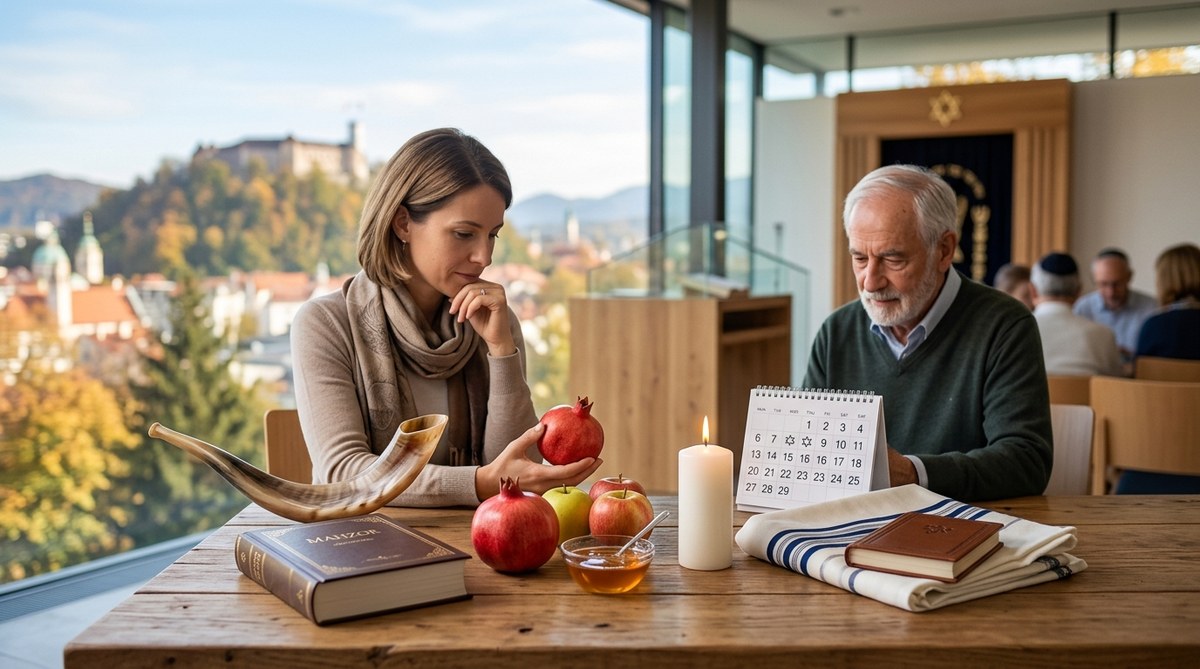
    This holiday marks the start of the Jewish new year. In Slovenia, community services are held in synagogues and community centers. The sound of the shofar, a ram’s horn, echoes through the air, calling for reflection and repentance. Traditional foods like round challah and honey symbolize hopes for a sweet year.

    Yom Kippur

    Ten days after Rosh Hashanah, Yom Kippur is the holiest day of the Jewish calendar. Slovenian Jews spend the day in fasting and intense prayer. Synagogues host Kol Nidre services on the eve and Yom Kippur services during the day. Many also participate in communal atonement rituals and seek forgiveness.

    Sukkot and Shemini Atzeret

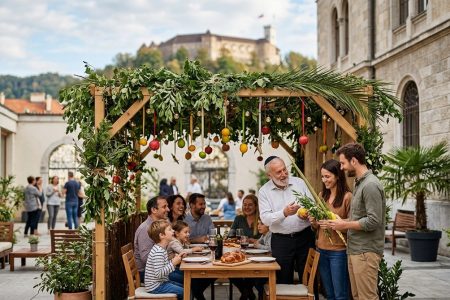
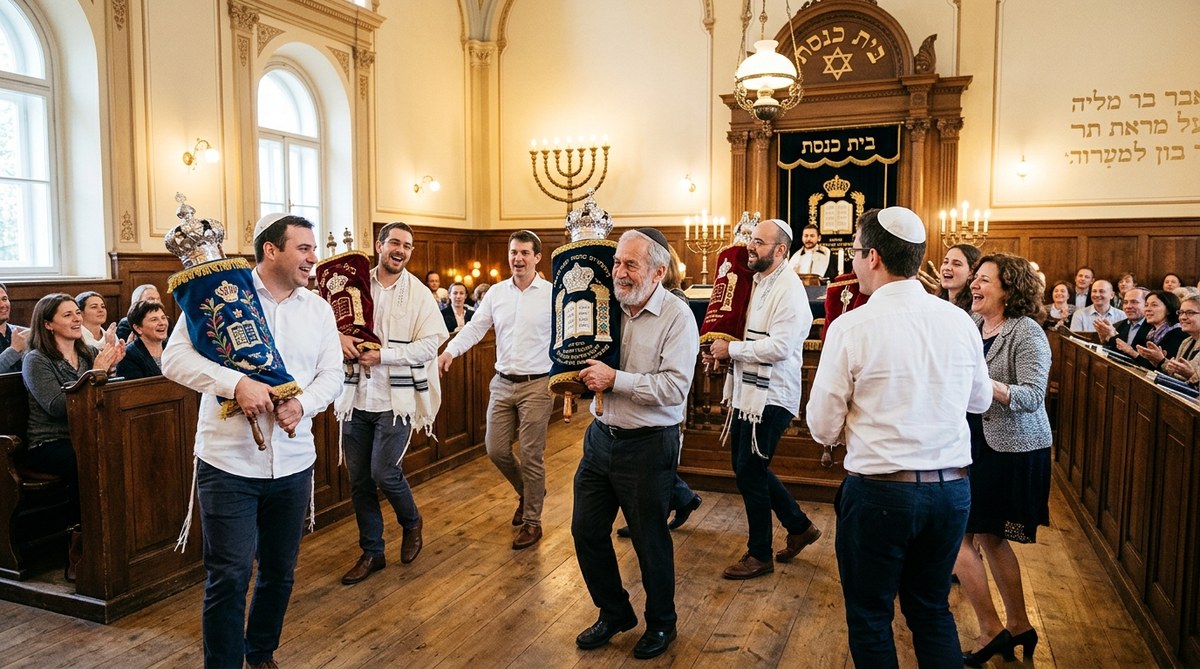
    Following Yom Kippur, Sukkot begins, commemorating the Israelites’ wanderings in the desert. Building and dwelling in a sukkah, a temporary hut, is a central practice. Slovenian Jewish families often invite guests into their sukkahs, sharing meals and joy. Shemini Atzeret and Simchat Torah conclude this festive period with joyful dancing and Torah celebrations.

    Practical Ways to Participate in the High Holy Days in Slovenia

    Engaging with the High Holy Days in Slovenia can be a meaningful experience. Here are some practical steps to get involved or observe these sacred days:

    1. Attend local synagogue services
      Many Slovenian Jewish communities hold services for Rosh Hashanah, Yom Kippur, and Sukkot. Check with your local synagogue or community center for schedules and registration details.

    2. Learn about traditional prayers and customs
      Familiarize yourself with the liturgy and rituals. Many communities offer introductory sessions or printed materials for newcomers.

    3. Prepare traditional foods
      Baking round challah, making honey cookies, or preparing brisket can enhance your celebration. Use local ingredients to add a Slovenian touch.

    4. Create a sukkah
      If you have space, build a sukkah outside your home. Decorate it and invite family or friends for meals during Sukkot.

    5. Participate in community events
      Look for interfaith or community programs that promote understanding and shared celebration of these holidays.

    6. Reflect and set intentions
      Use these days for personal reflection. Write a journal, meditate, or engage in prayer to focus on growth and renewal.

    Customs and Traditions Unique to Slovenia’s Jewish Community

    While many High Holy Day customs are universal, Slovenian Jews have cultivated special traditions. Some of these include:

    • Folk-inspired holiday foods: Incorporating local ingredients like Slovenian honey or bread into holiday dishes.
    • Community singing: Traditional prayers are often accompanied by Slovenian melodies, blending cultural influences.
    • Historical remembrance: Commemorations of Slovenian Jewish history, including memorial services for those lost during the Holocaust.
    • Artistic expressions: Use of local crafts and art in synagogue decorations or personal prayer books.

    Techniques for a Meaningful Holiday Experience

    Technique Mistake to Avoid
    Personalize your celebration Overlooking the importance of community
    Incorporate local customs respectfully Ignoring traditional prayer practices
    Engage in reflection and prayer Neglecting the significance of the rituals
    Share festive meals with loved ones Rushing through or skipping rituals

    “Participating in the High Holy Days in Slovenia offers a chance to connect deeply with your heritage while embracing the local community’s warmth and history,” advises Rabbi David Klein, a Slovenian Jewish leader. He emphasizes that these days are about both tradition and community bonds.

    Tips for Observing the High Holy Days in a Modern Context

    • Balance tradition with personal meaning
      Adapt rituals to fit your lifestyle while respecting their sacredness.

    • Use technology wisely
      Join virtual services or connect with distant family members during the holidays.

    • Involve children and younger family members
      Share stories and teach them about the significance behind each custom.

    • Respect local health guidelines
      Especially in communal settings, follow safety protocols to ensure everyone’s well-being.

    Connecting Past and Present During the High Holy Days

    The Slovenian Jewish community has endured hardships and celebrated resilience. Participating in these holidays today keeps alive the memory of ancestors and the hope for future generations. Many community members find strength in shared prayers, stories, and traditions that link Slovenia’s Jewish past with its present.

    Throughout the season, you might visit Jewish museums or attend lectures that highlight Slovenia’s Jewish history. These activities deepen your understanding and appreciation of your heritage.

    Carrying the Spirit Into Everyday Life

    The lessons learned from observing the High Holy Days extend beyond these sacred days. They inspire ongoing reflection, kindness, and community involvement. Taking even small steps—like lighting a Shabbat candle or sharing a holiday meal—can keep the spirit alive year-round.

    Remember, these traditions are living practices. They evolve with each generation, blending history with contemporary life. Your participation helps sustain this vibrant cultural and spiritual legacy in Slovenia.

    Wishing you meaningful celebrations and a year filled with reflection, growth, and community warmth.

  • Simchat Torah Dancing: When Slovenian Jews Rejoice with the Torah Scrolls

    Simchat Torah Dancing: When Slovenian Jews Rejoice with the Torah Scrolls

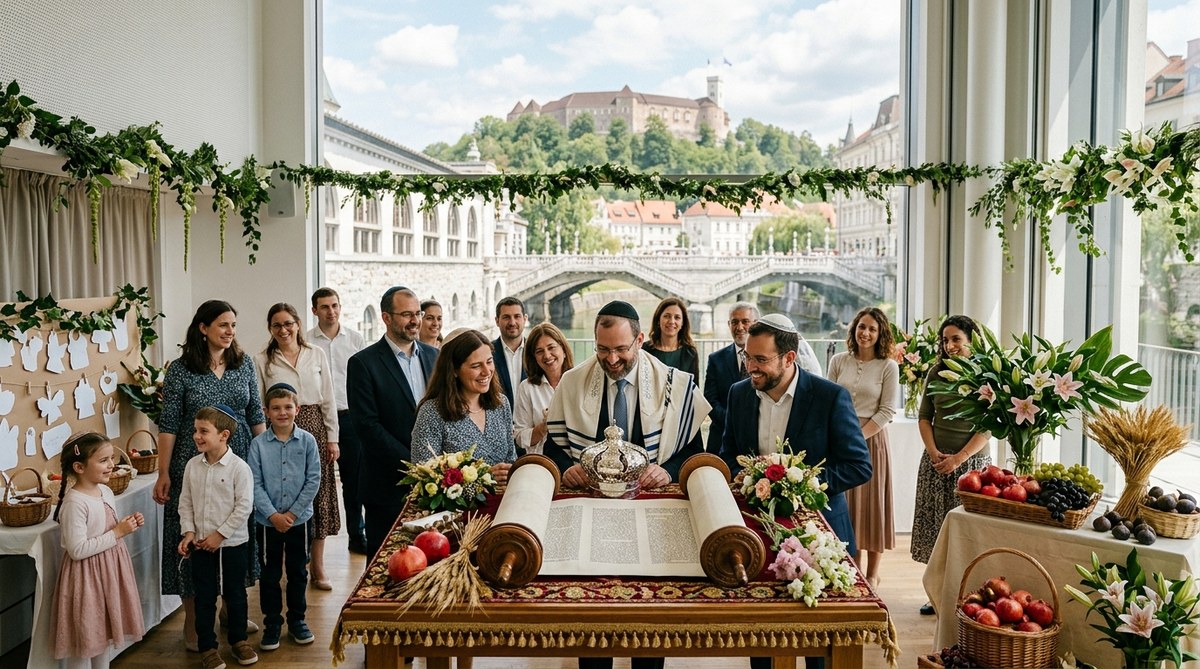
    Jewish communities around the world have rich and varied ways of celebrating the festival of Simchat Torah. Among Slovenian Jews, this celebration takes on a special character, blending regional customs with deep-rooted traditions. The lively dancing with Torah scrolls is a highlight, symbolizing joy, reverence, and community unity. This unique way of rejoicing reflects centuries of history and cultural adaptation, making Slovenian Jewish celebrations particularly captivating for enthusiasts and researchers alike.

    Key Takeaway

    Slovenian Jews celebrate Simchat Torah with spirited dancing involving Torah scrolls, reflecting a vibrant blend of regional customs and deep religious joy. This tradition highlights community resilience and cultural identity, making it a unique aspect of Jewish life in Slovenia.

    The Roots of Simchat Torah Celebrations in Slovenia

    Simchat Torah marks the conclusion of the annual Torah reading cycle and the beginning of a new one. This holiday is inherently joyful, filled with singing, dancing, and communal gatherings. In Slovenia, Jewish communities have preserved and adapted these customs over centuries, creating a distinctive celebration that mirrors their regional history and cultural influences.

    Historically, Slovenian Jews have maintained their religious practices despite facing periods of adversity. Their celebration of Simchat Torah often includes traditional prayers, songs, and dances that emphasize communal unity. Over time, local customs have intertwined with broader Jewish traditions, resulting in a lively and expressive form of celebration that resonates deeply within the Slovenian context.

    Unique Aspects of Simchat Torah Dancing in Slovenia

    Regional Customs and Variations

    Slovenian Jews are known for their enthusiastic approach to dancing with the Torah. Unlike some communities where dancing is more subdued, Slovenian celebrations often feature lively, spirited movements. This energy symbolizes the community’s joy and reverence for the Torah.

    In certain regions, the dancing involves specific local songs or melodies, blending Jewish liturgical music with Slovenian folk tunes. This fusion creates a unique auditory and visual experience, emphasizing the community’s pride in their heritage and regional identity.

    The Role of the Community

    Community involvement is central to the Slovenian Simchat Torah celebrations. Synagogue gatherings swell with families, youth, and elders, all participating in the dancing. The event often extends into the streets, with processions and open-air dancing that showcase the community’s collective joy.

    Local customs may include specific dances, attire, or rituals passed down through generations. These practices serve to strengthen bonds within the community and reinforce the cultural significance of the holiday.

    How Slovenian Jews Prepare for the Celebrations

    Preparation involves both spiritual and communal steps. Here’s a practical process to understand how the community gets ready:

    1. Purify and prepare the Torah scrolls
    2. Organize communal gatherings and rehearsals for dancing
    3. Decorate the synagogue and surrounding areas with flowers and banners

    Preparation is a collective effort, often involving youth groups and volunteers who ensure everything is set for the joyous occasion.

    Practical Tips for Participating in or Observing the Celebration

    • Attend local synagogues during Simchat Torah to witness the dancing firsthand.
    • Respect the customs by observing how community members handle the Torah scrolls with reverence.
    • Engage with community members to learn about their regional customs and songs.

    Techniques and Common Mistakes in Simchat Torah Dancing

    Techniques Mistakes
    Holding the Torah scrolls firmly Mishandling or dropping the scrolls
    Moving in synchronized circles Dancing without regard for others
    Incorporating traditional melodies Using inappropriate or secular tunes
    Celebrating with joyful expressions Dulling the communal spirit

    Expert Advice

    “The essence of Simchat Torah dancing lies in shared joy and reverence for the Torah. Community members should focus on unity and respect, ensuring the traditions are preserved and celebrated with genuine enthusiasm.” — Rabbi Miriam Weiss

    Regional Influences and Cultural Fusion

    Slovenian Jewish celebrations are enriched by regional influences, which add depth and color to the traditional practices. Folk melodies, local dress, and community stories blend seamlessly with Jewish customs.

    For example, some communities incorporate Slovenian folk dances into their Simchat Torah celebrations. Others may feature local artisans creating decorative Torah covers or banners that reflect Slovenian artistry. This blending of cultures underscores the resilience and adaptability of Slovenian Jews throughout history.

    Preserving and Promoting the Tradition

    Maintaining these customs requires active effort. Community centers and synagogues often host workshops, storytelling sessions, and dance rehearsals to keep the tradition alive, especially among younger generations.

    Engaging with local Jewish museums or cultural centers can provide additional insights into how these celebrations have evolved and their significance today. These efforts ensure that the vibrant spirit of Slovenian Jewish Simchat Torah dancing continues to flourish.

    Final Reflections on the Joy of Simchat Torah in Slovenia

    Celebrating Simchat Torah with spirited dancing among Slovenian Jews offers a vivid example of cultural preservation and communal joy. It reflects a community that values its traditions, adapts creatively, and finds happiness in shared spiritual expression. For anyone interested in regional customs or the universal language of dance and community, Slovenian Jewish celebrations provide a meaningful and inspiring experience.

    Whether you are a cultural enthusiast, researcher, or simply curious about how different communities express their faith, observing or participating in Slovenian Simchat Torah dancing can deepen your appreciation for the diverse ways in which joy and devotion are celebrated across the world.

    Cherishing the Spirit of Community and Tradition

    Encouraging active participation or respectful observation can help keep these customs vibrant. Sharing stories, learning the melodies, or even joining a local dance can foster connections and support the preservation of this lively tradition.

    Remember, the heart of Simchat Torah dancing in Slovenia lies in community bonds and the joy of collective worship. Embrace the opportunity to witness or partake in this beautiful expression of faith and culture, enriching your understanding and appreciation of Jewish life in Slovenia.

  • Tu B’Shvat Celebrations: Planting Trees and Honoring Nature in Slovenia’s Jewish Tradition

    Tu B’Shvat Celebrations: Planting Trees and Honoring Nature in Slovenia’s Jewish Tradition

    Jewish communities across Slovenia mark Tu B’Shvat as a special time to connect with nature and celebrate their heritage. This holiday, often called the Jewish New Year for Trees, encourages reflection on the environment and the importance of caring for the earth. In Slovenia, Tu B’Shvat has become more than just a religious observance; it is a vibrant occasion that fosters community spirit, environmental awareness, and cultural pride. Whether through planting trees, sharing traditional foods, or participating in educational activities, Slovenian Jews find meaningful ways to honor this beautiful tradition.

    Key Takeaway

    Tu B’Shvat in Slovenia is a community-driven celebration that emphasizes environmental stewardship, cultural heritage, and unity through tree planting, festive meals, and educational programs.

    Understanding Tu B’Shvat and Its Significance in Slovenia

    Tu B’Shvat is rooted in Jewish tradition as a celebration of trees and the renewal of nature. It falls on the fifteenth day of the Hebrew month of Shvat, aligning with the start of spring in the land of Israel. For Slovenian Jews, this holiday holds deep cultural and spiritual meaning. It offers an opportunity to reflect on humanity’s role as stewards of the earth and to reinforce ties to the land and community.

    In Slovenia, the holiday has gained popularity among families and educational institutions alike. Many see it as an occasion to teach children about environmental responsibility while connecting with their Jewish roots. Celebrations often blend traditional customs with local environmental initiatives, making Tu B’Shvat a meaningful day for all involved.

    How Tu B’Shvat Is Celebrated in Slovenia

    Celebrations of Tu B’Shvat in Slovenia are characterized by a mix of planting activities, communal meals, and learning sessions. These customs help foster a sense of shared purpose and deepen appreciation for nature’s gifts.

    1. Planting Trees and Gardening Activities

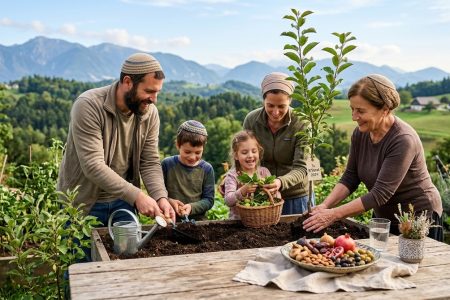
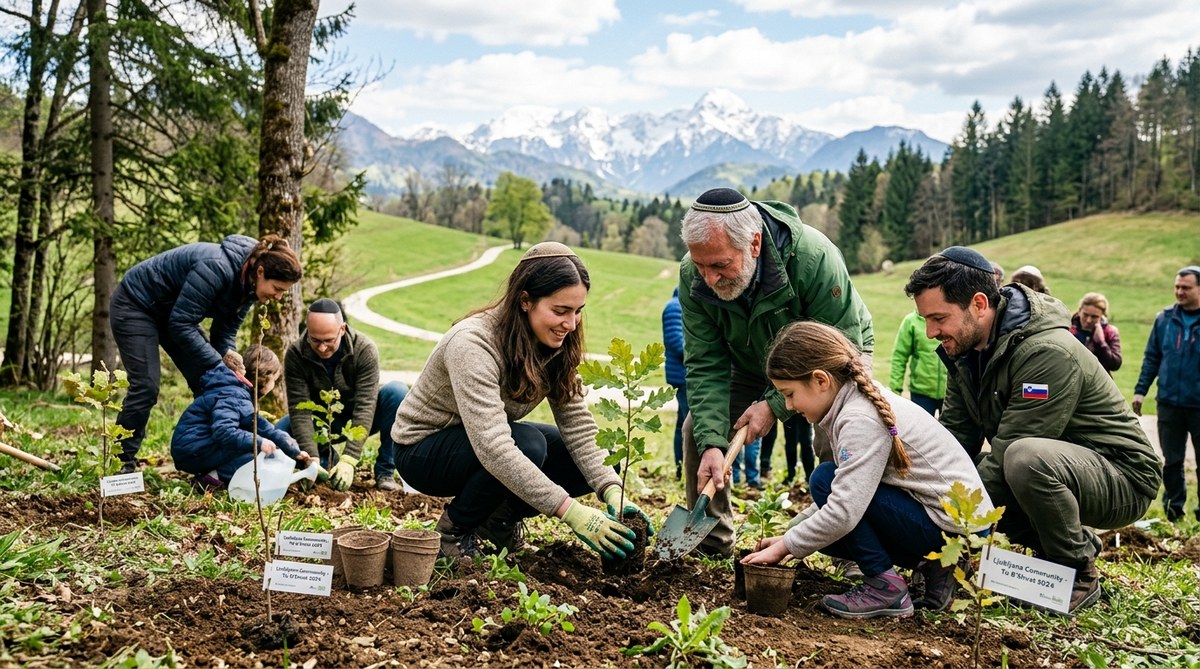
    Tree planting is at the heart of Tu B’Shvat celebrations. Jewish families and community groups often organize outdoor events to plant native or symbolic trees. These acts symbolize growth, renewal, and environmental care. Many synagogues and community centers partner with local environmental organizations to promote sustainability.

    2. Festive Meals Featuring Fruits and Seasonal Foods

    A key aspect of Tu B’Shvat is enjoying a meal that highlights fruits, especially those associated with the land of Israel, like dates, figs, pomegranates, and olives. Slovenian families prepare a variety of dishes that incorporate seasonal and local ingredients, blending tradition with regional flavors. Sharing these foods during gatherings fosters community bonds and reminds participants of the connection between food, faith, and the land.

    3. Educational Programs and Cultural Events

    In Slovenia, educational activities play a vital role in Tu B’Shvat observances. Schools and community groups hold workshops about environmental issues, Jewish history, and the significance of trees. These programs often include storytelling, art projects, and demonstrations on sustainable living.

    4. Community Gatherings and Environmental Projects

    Some communities organize clean-up drives or create small urban gardens as part of Tu B’Shvat activities. These projects serve as practical expressions of the holiday’s themes and help instill a sense of responsibility in participants of all ages.

    Practical Steps to Celebrate Tu B’Shvat in Your Slovenian Community

    Engaging in Tu B’Shvat traditions can be simple and meaningful. Here are some ways to incorporate the holiday into your family or community life:

    1. Plan a tree planting event: Contact local environmental groups or your synagogue to organize a community planting day.
    2. Prepare a fruit-focused meal: Gather seasonal fruits and create a festive table featuring traditional and regional dishes.
    3. Educate and inspire: Host a workshop or story session about the importance of trees, environmental care, and Jewish heritage.
    4. Create a small garden: Start an urban garden or maintain potted plants to symbolize growth and renewal.
    5. Involve children: Encourage kids to participate in planting, arts and crafts, or storytelling related to Tu B’Shvat.

    Techniques and Common Mistakes in Celebrating Tu B’Shvat

    Technique Mistake to Avoid
    Planting native trees Using non-native or invasive species
    Incorporating local ingredients Relying solely on imported fruits
    Educating about environmental issues Ignoring community involvement
    Creating meaningful rituals Making celebrations purely commercial

    Embracing the Environmental Spirit

    Tu B’Shvat invites us to reflect on our relationship with the earth. In Slovenia, this means actively participating in sustainability efforts while honoring our traditions. Community-led tree planting projects not only beautify neighborhoods but also leave a lasting legacy for future generations.

    An environmentalist once noted that planting a tree is an act of hope. When Slovenian Jews plant trees on Tu B’Shvat, they nurture hope for a greener, more connected world.

    By integrating ecological awareness into the holiday, families and communities can inspire a new generation to cherish and protect our planet.

    Connecting Culture and Nature in Slovenian Jewish Life

    Celebrating Tu B’Shvat in Slovenia bridges cultural heritage with environmental responsibility. Many local Jewish communities host open house events, inviting friends of different backgrounds to learn about the holiday’s traditions and significance. These gatherings foster understanding and unity, emphasizing the shared value of caring for the earth.

    Slovenian Jewish organizations also participate in regional environmental campaigns, aligning their values with broader community efforts. Such collaborations enhance the holiday’s impact and demonstrate the importance of collective action.

    A Heartfelt Invitation to Celebrate and Conserve

    Incorporating Tu B’Shvat into your life is a meaningful way to honor both your heritage and the planet. Whether through planting trees, sharing seasonal foods, or educating others, you contribute to a tradition rooted in respect for nature and community. Each small effort adds up to a healthier, more vibrant world.

    As you participate in Tu B’Shvat celebrations in Slovenia, remember that your actions reflect a timeless commitment to nurturing the earth. Join your community in making this holiday a time of growth, renewal, and hope for the future.

    Growing Together: The Spirit of Tu B’Shvat in Slovenia

    Celebrating Tu B’Shvat allows us to reconnect with the land and each other. By planting trees, sharing traditions, and supporting environmental initiatives, Slovenian Jews and their friends build a legacy of care and community. Take this opportunity to deepen your connection to nature and your heritage. Every tree planted and every story shared helps nurture a more sustainable and unified world.

  • From Fasting to Feasting: How Slovenian Jews Observe Tisha B’Av and Its Lessons Today

    From Fasting to Feasting: How Slovenian Jews Observe Tisha B’Av and Its Lessons Today

    Jewish communities around the world mark Tisha B’Av as a day of deep reflection, mourning, and remembrance. In Slovenia, this solemn day takes on a unique character rooted in history, tradition, and community resilience. Slovenian Jews observe Tisha B’Av with a mix of ancient customs and contemporary reflections, creating a meaningful experience that links their past to their present. Understanding how Slovenian Jews commemorate this day offers insight into their spiritual life and the lessons they carry forward.

    Key Takeaway

    Slovenian Jews observe Tisha B’Av through traditional fasting, reading sacred texts, and community prayer, emphasizing remembrance and hope. Their practices connect history with modern lessons of resilience and faith. This day fosters reflection on past tragedies and inspires ongoing commitment to cultural preservation and unity in Slovenia’s Jewish life.

    The Historical Significance of Tisha B’Av in Slovenia

    Tisha B’Av, known as the ninth day of the Hebrew month of Av, is a day of mourning commemorating multiple tragedies in Jewish history, including the destruction of the First and Second Temples in Jerusalem. For Slovenian Jews, these events are not distant memories but part of their collective consciousness. Historically, the Jewish community in Slovenia faced expulsions, persecutions, and hardships that echo the themes of loss and resilience celebrated on this day.

    The oldest Jewish settlements in Slovenia date back centuries, with synagogues and cemeteries that tell stories of a once-thriving community. Although the community faced severe trials during the Holocaust and subsequent emigrations, the observance of Tisha B’Av remains a vital link to their heritage. It is a day to honor ancestors, reflect on suffering, and reaffirm their identity.

    How Slovenian Jews Observe Tisha B’Av Today

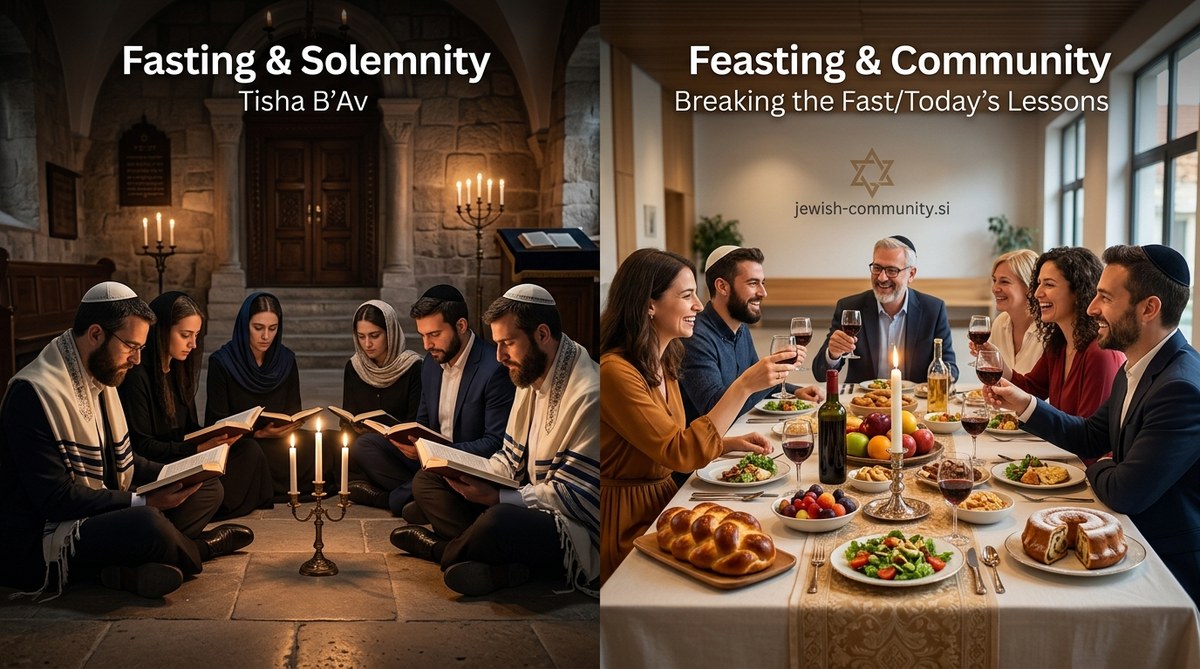
    Modern observances of Tisha B’Av in Slovenia blend traditional rituals with local customs and community engagement. This day typically begins with a fast that lasts from sunset to sunset, signifying mourning and spiritual focus. During this period, community members refrain from eating, drinking, bathing, and other pleasures that distract from reflection.

    Practical steps in observing Tisha B’Av in Slovenia include:

    1. Fasting and prayer: Community members participate in special prayers, including the recitation of kinnot — lamentations that mourn the destruction of the temples and other tragedies. These are often held in synagogues or community centers, fostering a sense of shared grief and solidarity.

    2. Reading sacred texts: The Torah and other Jewish texts are read with particular emphasis on passages related to mourning, destruction, and hope. Many also meditate on the historical events that have shaped their community.

    3. Community reflection and learning: Discussions and lectures about the significance of Tisha B’Av are common, often highlighting lessons for contemporary life. These programs aim to deepen understanding of Jewish history and reinforce resilience.

    4. Night vigil and mourning rituals: Some communities hold a night vigil, staying awake to pray and remember. This practice symbolizes the constant remembrance of loss and the hope for eventual redemption.

    Ways Slovenian Jews adapt their observance to today’s context:

    • Inclusion of cultural activities: As part of their mourning, community members may attend exhibitions, listen to music, or watch films that reflect Jewish history and resilience.
    • Interfaith and community dialogues: Some communities host interfaith events that acknowledge shared histories of suffering and promote understanding.

    The Lessons of Tisha B’Av for Today’s Slovenian Jewish Community

    Tisha B’Av is not only a day of mourning but also a source of lessons that resonate today. Slovenian Jews see it as a reminder of the importance of preserving their identity, fostering community, and maintaining hope despite adversity.

    Key lessons include:

    • Resilience in the face of hardship: The community’s history of overcoming expulsions, war, and diaspora underscores the importance of resilience and adaptation.
    • The power of remembrance: Honoring ancestors and historical tragedies keeps cultural memory alive, inspiring future generations.
    • Unity and solidarity: Collective mourning fosters a sense of community strength, which is vital in today’s diverse Slovenian society.
    • Hope for redemption: The day encourages reflection on the possibility of renewal and the importance of working towards a better future.

    Practical Guide to Participating in Tisha B’Av in Slovenia

    If you are part of Slovenia’s Jewish community or interested in Jewish traditions, here is a simple process to participate meaningfully:

    1. Prepare for the fast: Plan your meals before sunset and set aside time for prayer and reflection during the day.
    2. Attend a communal service: Check local community centers or synagogues for Tisha B’Av services. Participating with others enhances the experience.
    3. Engage with texts and reflections: Read kinnot or related writings to deepen understanding.
    4. Reflect on contemporary lessons: Think about how the themes of loss and hope relate to current issues in Slovenian society and your personal life.
    5. Conclude with introspection: After sunset, consider ways to commemorate and honor your heritage beyond the day itself.

    Common practices and mistakes to avoid:

    Technique Mistake to Avoid
    Fasting properly Forgetting to hydrate or prepare beforehand, risking health issues
    Participating in communal prayers Missing the significance of the prayers or rushing through them
    Reading texts thoughtfully Skimming without reflection, losing the depth of mourning and hope
    Engaging in community events Overlooking the importance of personal contemplation during the day

    Expert Advice on Tisha B’Av in Slovenia

    “Observing Tisha B’Av in Slovenia offers a powerful reminder of the enduring spirit of the Jewish community. It’s a day that bridges the pain of past tragedies with the hope for future renewal. Engaging in traditional mourning while also reflecting on lessons of resilience helps strengthen communal bonds and personal faith.” — Rabbi David Cohen, Ljubljana

    Connecting Past and Present Through Tisha B’Av

    Tisha B’Av in Slovenia exemplifies how communities keep their history alive while adapting to modern realities. It is a day filled with solemnity, learning, and hope. The practices may evolve, but the core message remains the same: remembrance fuels resilience, and hope sustains the community through generations.

    Participating in Tisha B’Av can be a profound experience. Whether you join a community prayer, read traditional kinnot, or simply spend time reflecting on the lessons of resilience and unity, this day offers meaningful opportunities to connect with your heritage.

    Remember, observing Tisha B’Av is more than mourning; it is an act of cultural preservation and a testament to the enduring spirit of Slovenian Jews. Incorporate these practices into your life or community gatherings, and let the lessons of this day inspire hope and strength for the future.

  • Why Shavuot Matters: Celebrating the Giving of the Torah in Ljubljana

    Why Shavuot Matters: Celebrating the Giving of the Torah in Ljubljana

    Jewish communities around the world mark Shavuot with joy, reflection, and a deep sense of tradition. In Ljubljana, the capital of Slovenia, this holiday holds special meaning. It’s a time to celebrate the giving of the Torah, connect with our roots, and share the experience with friends and family. Whether you are a long-time member of the community or interested in learning about Jewish holidays, understanding how Shavuot is observed in Ljubljana can enrich your connection to Jewish culture and heritage.

    Key Takeaway

    Ljubljana’s Jewish community celebrates Shavuot through vibrant prayer services, festive meals, and educational events that emphasize the holiday’s importance. Participating in these traditions offers a meaningful way to honor the giving of the Torah and connect with Slovenian Jewish heritage.

    The Significance of Shavuot for Ljubljana’s Jewish Community

    Shavuot, known as the Festival of Weeks, commemorates the moment when the Israelites received the Torah at Mount Sinai. For the Jewish community in Ljubljana, it is a time to reflect on the foundations of Jewish law, ethics, and community. It marks the culmination of the counting of the Omer, a period of spiritual preparation following Passover.

    In Ljubljana, this holiday is more than a historical event; it is a living tradition. It reminds us of the continuous link between past and present. Celebrations often include reading the Ten Commandments, studying Torah, and sharing dairy meals that symbolize the sweetness of the Torah’s teachings.

    How Shavuot Is Celebrated in Ljubljana

    The observances of Shavuot in Ljubljana are rooted in community and learning. Here are some of the ways the holiday is celebrated:

    1. Special Prayer Services
      Synagogues host festive prayer services on the nights of Shavuot. These include readings from the Torah, recitations of Psalms, and singing traditional hymns. The community gathers to hear the Ten Commandments read aloud, emphasizing the importance of Torah in Jewish life.

    2. All-Night Torah Study
      An integral part of Shavuot is staying awake to study Torah. In Ljubljana, community members participate in overnight learning sessions. These gatherings foster a sense of unity and deepen understanding of Jewish teachings.

    3. Festive Meals and Dairy Dishes
      Sharing a dairy meal is customary on Shavuot. In Ljubljana, families prepare dishes like cheesecake, blintzes, and cheese pastries. These foods symbolize the sweetness and nourishment that Torah provides.

    4. Educational Events and Children’s Activities
      Many community centers organize workshops and storytelling sessions for children. These activities introduce young ones to the story of Mount Sinai and the significance of the Torah.

    Practical Steps to Participate in Shavuot Celebrations in Ljubljana

    If you are interested in joining the community for Shavuot, here are steps to get involved:

    1. Check Local Synagogue Schedules
      Most synagogues publish their holiday programs online. In Ljubljana, the Jewish community center offers detailed schedules for prayer services and educational events.

    2. Join Community Study Groups
      Participating in Torah study sessions can deepen your understanding. Many groups welcome newcomers and provide materials suitable for all levels.

    3. Prepare a Dairy Dish or Attend a Community Meal
      Contribute to the festive atmosphere by bringing a dish or joining a communal meal. It is a wonderful way to connect and share traditions.

    4. Engage with Children’s Activities
      Volunteer or attend storytelling events designed for young community members. It helps pass down traditions and foster a love for Jewish learning.

    Techniques for Celebrating Shavuot Respectfully and Meaningfully

    Celebrating Shavuot in Ljubljana can be both joyful and profound. Here are some techniques to enhance your observance:

    Technique Purpose Common Mistake
    Participating in all-night study Deepen Torah connection Staying up without focus or purpose
    Reading the Ten Commandments aloud Emphasize core values Rushing through readings or skipping parts
    Preparing dairy foods with love Celebrate sweetness of Torah Using pre-made or low-quality ingredients
    Engaging children in storytelling Pass down traditions Making stories overly complicated or dull
    Attending community events Build unity Not RSVPing or arriving late

    “The key to meaningful Shavuot observance is active participation. Whether in prayer, study, or sharing a meal, each act strengthens our bond with tradition and community,” advises Rabbi Miriam from Ljubljana’s main synagogue.

    Common Mistakes to Avoid During Shavuot Celebrations

    While celebrating, it’s easy to overlook some important customs. Here are mistakes to keep in mind:

    • Skipping the reading of the Ten Commandments altogether or rushing through it.
    • Not preparing enough for the communal meal, which can diminish the festive spirit.
    • Ignoring opportunities for study or education, missing the chance to deepen understanding.
    • Overlooking the importance of including children and making the holiday accessible for all ages.
    • Forgetting to observe the customs of staying awake during the night for Torah study.

    Connecting With the Broader Slovenian Jewish Heritage

    Ljubljana’s Jewish community is part of a rich Slovenian history that dates back centuries. Celebrating Shavuot here connects us not only to global Jewish traditions but also to local stories of resilience and cultural expression. The community often hosts lectures and exhibitions that explore the history of Jews in Slovenia, helping us appreciate how our holiday traditions intertwine with Slovenian heritage.

    In addition, community members sometimes organize joint interfaith events, highlighting shared values and fostering understanding among different religious groups. These initiatives create a welcoming atmosphere where traditions are celebrated openly and respectfully.

    Looking Forward: Embracing Shavuot in Ljubljana’s Jewish Life

    Participating in Shavuot celebrations in Ljubljana offers a meaningful way to connect with Jewish history, spirituality, and community. Whether you attend prayer services, study Torah, or enjoy traditional dairy foods, each act reinforces our collective identity. The community’s warmth and openness make it easy for newcomers to join in and learn.

    As the community continues to grow and adapt, Shavuot remains a beacon of our enduring faith and commitment. It encourages us to pass down our stories, values, and traditions to future generations. Your involvement, no matter how small, helps keep the spirit of Shavuot alive in Ljubljana.

    A Heartfelt Invitation to Celebrate Together

    This Shavuot, consider participating in Ljubljana’s vibrant community events. Bring your curiosity, your family, or simply your desire to learn. The holiday’s essence is about sharing wisdom, joy, and tradition. By doing so, you become part of a living history that connects us all through faith and cultural pride. Embrace the opportunity to make this holiday meaningful in your life and in the life of Ljubljana’s Jewish community.

  • Sukkot Under the Stars: Building and Celebrating in Slovenia’s Jewish Community

    Sukkot Under the Stars: Building and Celebrating in Slovenia’s Jewish Community

    Celebrating Sukkot in Slovenia offers a beautiful blend of ancient tradition and the country’s stunning natural scenery. The Jewish community in Slovenia has embraced this festive season with warmth, creativity, and a strong sense of community. Whether you are a local resident, a visitor, or a researcher, understanding how Sukkot is observed in Slovenia reveals a unique cultural tapestry that honors Jewish heritage while integrating local customs. This article guides you through the significance, practical steps, and special features of Sukkot celebrations in Slovenia.

    Key Takeaway

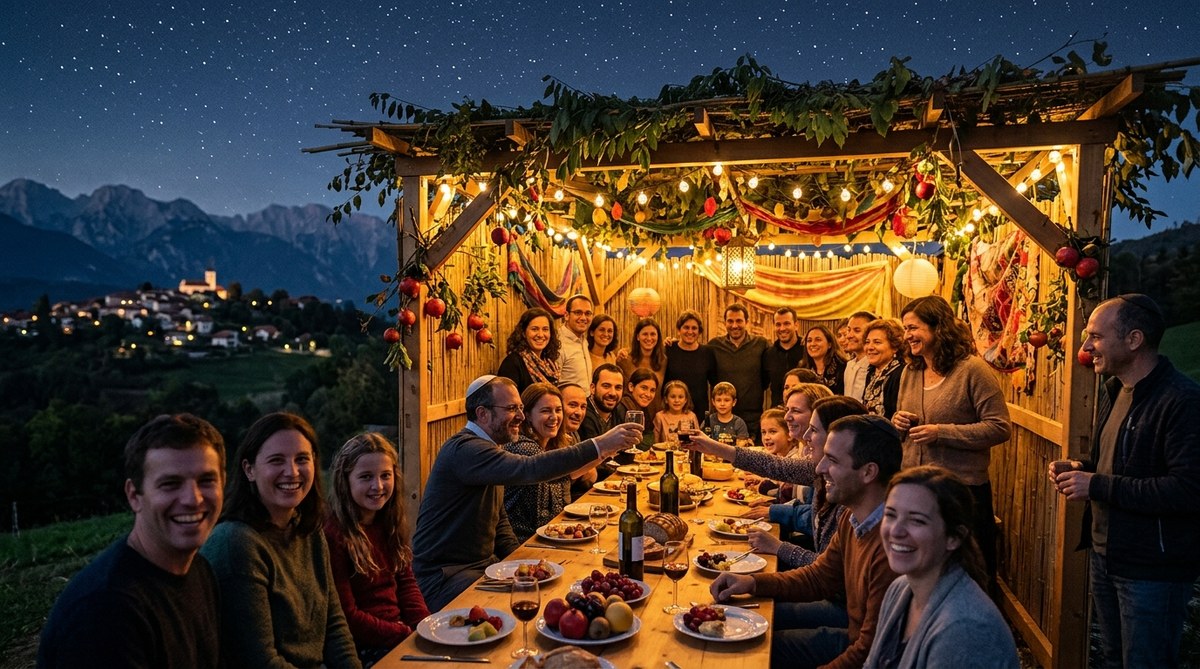
    Slovenia’s Jewish community celebrates Sukkot with outdoor building of sukkahs, festive meals, and communal prayers under the stars, enriching traditions with local flavor and hospitality.

    The Significance of Sukkot in Slovenia’s Jewish Tradition

    Sukkot, often called the Feast of Tabernacles, is one of the most joyful Jewish festivals. It commemorates the Israelites’ journey through the desert and celebrates the harvest season. In Slovenia, these themes resonate deeply with the community, which combines age-old rituals with local customs.

    The core of Sukkot involves constructing a sukkah, a temporary hut, symbolizing the fragile dwellings used by the Israelites. It is customary to decorate the sukkah with fruits, greenery, and symbols that reflect the community’s heritage and environment. Celebrations in Slovenia often feature communal meals, singing traditional songs, and inviting friends and neighbors to experience the holiday’s warmth.

    How Slovenians Build and Celebrate Sukkot

    Building a sukkah in Slovenia is a communal event. Community members often gather in parks, gardens, or open spaces to construct these structures. The process is practical yet infused with joy, emphasizing the holiday’s themes of unity and gratitude.

    Practical steps for building a sukkah in Slovenia

    1. Choose a suitable location
      Select an outdoor space with enough room for the structure and to accommodate guests. Many community members prefer scenic spots under Slovenian skies.

    2. Gather materials
      Use wood or metal for the frame. Cover it with durable fabric, natural branches, or palm fronds. Decorate with fruits, leaves, and religious symbols.

    3. Assemble the structure
      Follow traditional guidelines, ensuring at least three sides are covered and the roof (called s’chach) allows in the stars. Many Slovenian communities have workshops to teach this process.

    Celebrating Sukkot in the Slovenian Style

    Once the sukkah is built, the community begins the festive phase. The celebrations usually include:

    • Meals under the stars
      Sharing traditional Jewish dishes such as brisket, challah, and seasonal vegetables. Guests often sit together, enjoying the peaceful Slovenian evenings.

    • Havdalah and prayer services
      Special prayers are recited, marking the end of each holiday day. These are often held outdoors, emphasizing the connection between nature and faith.

    • Folk music and dancing
      Traditional melodies, including Klezmer tunes, blend with local Slovenian music, creating a lively atmosphere.

    • Inviting neighbors and visitors
      Many community members see Sukkot as an opportunity to foster interfaith and intercultural dialogue, inviting friends from different backgrounds to share in the celebration.

    Unique Features of Sukkot Celebrations in Slovenia

    Slovenian Jewish communities add their local flavor to the holiday. Some notable features include:

    • Outdoor celebrations in picturesque settings
      Many sukkahs are built in scenic spots like Ljubljana’s parks or rural areas, making the experience magical and memorable.

    • Incorporation of Slovenian folk traditions
      Decorations often include native flowers, herbs, and motifs, symbolizing the country’s rich natural beauty.

    • Focus on community and inclusivity
      Events are open to everyone, emphasizing shared values and mutual respect.

    Techniques for a Successful Sukkot Celebration

    Technique Mistake to Avoid
    Building the sukkah in a sheltered spot Choosing a location prone to wind or rain that can damage the structure
    Using authentic natural materials Relying solely on synthetic or non-biodegradable decorations
    Inviting diverse community members Limiting participation to only community insiders
    Incorporating local music and cuisine Overlooking the importance of authentic traditions

    Practical Tips for Experiencing Sukkot in Slovenia

    If you’re planning to join a Sukkot celebration or even host one yourself, consider these steps:

    1. Connect with local Jewish communities
      Use resources like the Jewish community site to find upcoming events or workshops.

    2. Learn the customs and prayers
      Familiarize yourself with traditional blessings and songs. Many communities provide guides or host introductory sessions.

    3. Participate in building the sukkah
      Engage in hands-on activities, which are often part of community events, fostering a deeper understanding of the holiday’s significance.

    4. Attend communal meals and services
      Join in outdoor meals, prayer services, and singing. These gatherings promote unity and cultural exchange.

    5. Respect local traditions and environment
      Use eco-friendly materials when building or decorating your sukkah. Respect the natural surroundings.

    Expert advice

    “Sukkot celebrations in Slovenia beautifully marry age-old Jewish traditions with the country’s stunning landscapes. Participating outdoors under the stars, surrounded by friends, creates a profound sense of connection to both faith and nature.” — Rabbi David Cohen

    Making Sukkot Meaningful in Today’s Slovenia

    As the Slovenian Jewish community continues to develop and adapt, Sukkot remains a vibrant expression of faith, resilience, and cultural pride. The holiday’s traditions serve as a bridge between generations and a platform for cultural dialogue.

    Many community members also organize educational programs, art exhibitions, and interfaith dialogues around Sukkot, fostering mutual understanding and respect. The holiday encourages reflection on themes like protection, gratitude, and community support—values that resonate in Slovenia’s diverse society.

    Creating Lasting Memories During Sukkot

    Celebrating Sukkot in Slovenia is more than just building a temporary hut. It’s about creating moments of joy, sharing stories, and strengthening bonds. Whether you participate in local events or host your own celebration, consider incorporating elements that reflect your personal or community heritage.

    Remember to:

    • Use natural, local materials for building and decorating
    • Invite friends from different backgrounds
    • Incorporate local music and cuisine
    • Take time to appreciate the starry Slovenian sky during prayers

    By doing so, you enrich the holiday’s meaning and help keep its traditions alive for future generations.

    A Joyful Gathering Under Slovenian Skies

    Sukkot celebrations in Slovenia exemplify the beauty of tradition blending with local charm. Participating in or witnessing these events offers a meaningful glimpse into Jewish life and the universal value of community. As you plan your involvement, embrace the spirit of hospitality, gratitude, and connection. The stars above Slovenian landscapes remind us that the holiday’s core is about unity and hope, shining brightly across generations.

  • How to Celebrate Purim: Costumes, Hamantaschen, and Joy in Slovenian Jewish Tradition

    How to Celebrate Purim: Costumes, Hamantaschen, and Joy in Slovenian Jewish Tradition

    Celebrating Purim in Slovenia offers a delightful blend of joyful traditions, colorful costumes, and delicious treats that reflect the vibrant Jewish community in the region. While the holiday is celebrated worldwide, Slovenian Jewish customs add unique local flavors that make the festivities especially memorable. Whether you’re part of the community or simply interested in learning about Jewish holiday customs, understanding how to mark Purim in Slovenia can deepen your appreciation for this joyful holiday.

    Key Takeaway

    In Slovenia, Purim is celebrated with lively costumes, traditional foods like hamantaschen, and community gatherings that emphasize joy and resilience. Local customs enrich this festive holiday, making it a cherished occasion for all involved.

    Understanding the Significance of Purim in Slovenian Jewish Life

    Purim commemorates the saving of the Jewish people from Haman’s plot in Persia as described in the Book of Esther. In Slovenia, this holiday holds special importance because it symbolizes resistance, survival, and the power of community. The Slovenian Jewish community has preserved many customs over the years, blending traditional practices with local influences.

    Celebrating Purim in Slovenia often involves a mixture of religious observances, social gatherings, and cultural activities. It is a time to reflect on historical resilience and to enjoy the festive spirit with family and friends. The holiday’s themes of triumph and joy resonate deeply within the Slovenian context, where Jewish life has faced challenges but continues to thrive.

    How to Celebrate Purim in Slovenian Jewish Tradition

    Engaging with Purim in Slovenia involves several cherished customs. Here’s a step-by-step guide to help you participate fully in the festivities:

    1. Prepare and Wear Costumes

    Costumes are a hallmark of Purim celebrations worldwide, and Slovenia is no exception. Dressing up in colorful outfits, masks, and creative disguises adds a playful element to the holiday. Children especially love this tradition, often choosing characters from Jewish stories, local folklore, or popular culture.

    Community centers and synagogues may organize costume contests, encouraging everyone to get creative. If you’re hosting a Purim party, consider making it a themed event to foster a lively atmosphere.

    2. Read the Megillah (Book of Esther)

    The reading of the Megillah is central to Purim observance. In Slovenian synagogues, this reading is a communal event filled with singing, dancing, and lively participation. If you’re attending a service, be prepared to listen attentively and join in the traditional chants.

    For those celebrating at home, you can read the Megillah aloud, either in Hebrew or Slovenian translation. Some families incorporate theatrical elements or costumes to make the reading more engaging.

    3. Give Gifts and Charity

    Giving mishloach manot—gift baskets containing food and sweets—is a joyful part of Purim. In Slovenia, these gifts often include homemade treats, nuts, dried fruits, and of course, hamantaschen. Sharing food fosters community spirit and kindness.

    Additionally, giving tzedakah—charitable donations—is emphasized. Contributing to local charities or community projects reflects the holiday’s themes of compassion and support.

    4. Enjoy Festive Foods

    Hamantaschen, the iconic triangular cookies filled with fruit preserves, poppy seed, or chocolate, are a must-have during Purim. Slovenian Jewish families often bake these at home, sometimes adding local flavors or ingredients.

    Other traditional foods include kreplach (dumplings) and hearty stews. Many community events feature communal meals where everyone shares in the celebration.

    5. Participate in Community Celebrations

    Community events are vital to Purim in Slovenia. These may include street parades, theatrical performances, or lively parties. Synagogues and Jewish cultural centers often organize events that highlight local history, music, and dance.

    Joining these gatherings enhances the festive atmosphere and connects you with the broader Slovenian Jewish community. It also provides an opportunity to learn more about local customs and stories.

    Common Customs and Local Variations

    While the core aspects of Purim remain consistent, local customs in Slovenia add special touches:

    • Costume Themes: Slovenian children and adults sometimes choose costumes representing local historical figures or Jewish heroes.
    • Music and Dance: Traditional klezmer music may be played at celebrations, blending Slovenian folk tunes with Jewish melodies.
    • Storytelling: Community storytelling sessions often include tales of Slovenian Jewish resilience and heritage.

    Techniques for Celebrating Purim Successfully

    Technique What to Do Common Mistakes
    Planning ahead Prepare costumes and food early Rushing or last-minute preparations
    Involving children Encourage creative costumes and participation Overlooking the importance of education and fun
    Engaging the community Attend local events and join group activities Celebrating in isolation or missing out on communal joy
    Respecting traditions Follow the order of customs like reading Megillah Forgetting to include charitable acts

    Expert Advice

    “The joy of Purim lies in community and creativity. In Slovenia, traditions are enriched by local stories and flavors. Embrace the festive spirit by participating actively and sharing kindness through gifts and charity.” — Slovenian Jewish community leader

    Preserving Purim Traditions in Slovenia

    Maintaining customs is vital to keeping Purim meaningful. Many families pass down recipes for hamantaschen, stories, and songs from generation to generation. Community centers host workshops to teach traditional baking or storytelling, ensuring these customs thrive.

    The Slovenian Jewish community also works to preserve historical sites and documents related to Purim and other festivals. These efforts help keep the holiday’s history alive for future generations.

    Incorporating Purim into Everyday Life

    Celebrating Purim in Slovenia is more than just a one-day event. The lessons of resilience, community, and joy can inspire daily acts. Sharing a homemade treat, supporting local causes, or simply wearing a fun costume can keep the holiday spirit alive year-round.

    By engaging in these customs, you help keep the rich Slovenian Jewish heritage vibrant and relevant.

    Celebrating with Heart and Heritage

    Participating in Purim festivities in Slovenia provides a chance to connect with a long history of cultural resilience. It’s a celebration rooted in joy, kindness, and storytelling that unites communities. Whether you’re dressing up, sharing food, or reading the Megillah, each act contributes to the holiday’s enduring spirit.

    Remember, the essence of Purim is about celebrating survival and spreading happiness. Take part with enthusiasm, respect tradition, and share the joy with those around you.

    Keep the Spirit of Purim Alive in Your Community

    The beauty of Purim lies in its ability to bring people together through shared customs and joyful celebrations. In Slovenia, this holiday continues to be a time for community bonding, cultural preservation, and heartfelt giving. Whether you are part of the Slovenian Jewish community or simply wish to observe the traditions, embracing these customs can make your Purim experience truly meaningful.

    Gather your friends and family, prepare some hamantaschen, don a costume, and read the Megillah. Let the spirit of joy, resilience, and community fill your heart. Celebrating Purim in Slovenia is a wonderful way to honor the past while creating joyful memories for the future.

  • Preparing for Yom Kippur: A Slovenian Jewish Community’s Day of Atonement

    Preparing for Yom Kippur: A Slovenian Jewish Community’s Day of Atonement

    Preparing for Yom Kippur is a meaningful journey that involves reflection, community participation, and spiritual renewal. This holy day, known as the Day of Atonement, is the culmination of the Jewish High Holy Days. It provides a chance to seek forgiveness, mend relationships, and start anew. For members of the Slovenian Jewish community and anyone interested in Jewish traditions, understanding how to prepare can deepen the experience and make Yom Kippur more impactful.

    Understanding Yom Kippur and Its Significance

    Yom Kippur is considered the holiest day in the Jewish calendar. It falls ten days after Rosh Hashanah, the Jewish New Year. During Yom Kippur, Jews focus on repentance, prayer, and fasting. The day is dedicated to spiritual reflection and asking for forgiveness from those they may have wronged. Attending synagogue services, reading special prayer books called Machzor, and participating in communal prayers are central practices.

    This day offers a unique opportunity to evaluate one’s actions over the past year. It encourages honesty, humility, and a commitment to personal growth. Understanding its significance helps set the tone for proper preparation and meaningful observance.

    How to Prepare Spiritually and Practically

    Preparing for Yom Kippur involves both inner reflection and practical arrangements. Here’s a step-by-step guide to help you get ready for this sacred day.

    1. Engage in Self-Reflection and Repentance

    Begin by contemplating your actions over the past year. Think about moments where you may have caused hurt or fallen short of your values. Make a list of these areas and consider how you can seek forgiveness and improve.

    Set aside time for personal prayer or meditation. Many find it helpful to write a private letter of apology to those they seek to forgive or be forgiven by. This process fosters genuine remorse and readiness for the day of atonement.

    2. Observe a Pre-Yom Kippur Fast and Dietary Restrictions

    Fasting is a key component of Yom Kippur. It starts before sunset on the eve of the holiday and ends after the evening prayers on the day itself. To prepare, gradually reduce food intake in the days leading up to Yom Kippur. This helps your body adjust to the fast.

    Additionally, avoid certain foods and beverages that may cause discomfort during the fast. It is customary to eat a hearty meal before sunset to sustain yourself through the day. Many in the Slovenian Jewish community prepare traditional dishes like cholent or hearty soups for this occasion.

    3. Clean and Prepare Your Home

    In the days before Yom Kippur, many Jews perform a thorough cleaning of their homes. This act symbolizes removing spiritual and physical clutter, creating a clean space for renewal. It’s also a time to prepare necessary items like prayer books, prayer shawls (tallit), and candles.

    Some families gather to review their belongings and clear out anything that might be a distraction or symbolize unnecessary attachments. This act of tidying helps focus the mind on spiritual matters.

    4. Attend Kol Nidre and Yom Kippur Services

    Participating in synagogue services is central to Yom Kippur. The evening begins with the Kol Nidre prayer, which sets the tone for the day. It is a powerful declaration seeking forgiveness for vows made unintentionally.

    During the day, multiple prayer sessions take place, including the Neilah prayer at sunset. These services involve communal singing, reading from the Machzor, and heartfelt supplications. If you are new to the community or this tradition, your synagogue may offer guidance or explanations to help you participate fully.

    5. Reflect on Your Relationships and Make Amends

    Yom Kippur emphasizes repairing broken relationships. Reach out to those you may have wronged or who have wronged you. Offer sincere apologies and seek reconciliation. This act of atonement extends beyond prayer and fasting, fostering genuine change.

    Making amends can be simple yet profound. It may involve a heartfelt conversation, a written note, or a gesture of kindness. The goal is to come into Yom Kippur with a clear conscience and an open heart.

    Practical Tips for a Meaningful Observance

    • Dress modestly and comfortably for the services. Wearing white or simple clothing symbolizes purity and renewal.
    • Arrive early at the synagogue to settle in and prepare mentally.
    • Limit distractions like phones or unnecessary conversations during prayer services.
    • Use a prayer guide if you’re unfamiliar with the prayers or rituals.
    • Stay hydrated before the fast begins and after it ends.

    Common Mistakes to Avoid

    Technique Mistake to Avoid
    Not preparing your mind Ignoring the importance of reflection before Yom Kippur
    Overeating before the fast Eating excessively can cause discomfort during fasting
    Missing synagogue services Participating in communal prayers enhances the experience
    Rushing through prayers Take time to connect with the words and melodies
    Neglecting to seek reconciliation Failing to address broken relationships diminishes the holiday’s purpose

    Expert Advice on Preparing for Yom Kippur

    “Preparation for Yom Kippur goes beyond the physical act of fasting. It involves sincere introspection, heartfelt prayer, and a willingness to change. When we approach the day with honesty and humility, we open ourselves to true atonement and renewal.” — Rabbi Miriam Cohen

    Incorporating Jewish Traditions and Community Practices

    In Slovenia, the Jewish community often combines traditional practices with local customs. Attending communal meals before Yom Kippur, sharing stories of past sacrifices, or participating in cultural events enriches the holiday experience.

    Many communities also organize study sessions on topics related to repentance and ethics. These gatherings foster a sense of unity and deepen understanding of Yom Kippur’s themes.

    A Thoughtful Approach to Ending Yom Kippur

    The conclusion of Yom Kippur is marked by the Neilah prayer and the final blowing of the shofar. Afterward, many families share a festive meal to celebrate the spiritual renewal achieved.

    This transition from solemnity to joy encourages reflection on the day’s lessons. Carrying the spirit of atonement into everyday life helps strengthen personal and communal bonds.

    Your Path to a Meaningful Yom Kippur

    Preparing for Yom Kippur is a personal and communal journey. By engaging in sincere reflection, making practical arrangements, and participating in synagogue services, you can approach this sacred day with confidence and openness.

    Use this time to reconnect with your values, mend relationships, and set intentions for the year ahead. Remember, the act of preparation itself is a step toward renewal and peace.

    Walking into the new year with a clear heart

    May your efforts in preparing for Yom Kippur bring you peace, clarity, and a renewed sense of purpose. Embrace the traditions, connect with your community, and approach this day with kindness and humility. These steps help turn reflection into meaningful action and set the foundation for a blessed year ahead.

  • 7 Lesser-Known Jewish Holidays Celebrated in Ljubljana’s Synagogue

    7 Lesser-Known Jewish Holidays Celebrated in Ljubljana’s Synagogue

    Jewish holidays in Ljubljana offer a rich tapestry of traditions, stories, and community celebrations that often fly under the radar. While most are familiar with Passover or Hanukkah, Ljubljana’s Jewish community observes several lesser-known holidays that deepen cultural and spiritual connections. These celebrations highlight the city’s historical resilience and vibrant ongoing traditions. Exploring these unique days reveals a different side of Ljubljana’s Jewish life—one that celebrates heritage, memory, and community bonds.

    Key Takeaway

    Ljubljana’s Jewish community observes several lesser-known holidays that celebrate history, traditions, and resilience. These celebrations offer meaningful insights into local Jewish culture beyond the major festivals, enriching visitors’ understanding and community bonds alike.

    The Hidden Treasures of Jewish Holidays in Ljubljana

    Ljubljana’s Jewish community is small but vibrant, with traditions that reflect a deep historical legacy. While holidays like Passover and Hanukkah are celebrated widely, many lesser-known days hold special significance for local residents. These holidays often commemorate historical events, honor local heroes, or celebrate specific customs unique to Ljubljana’s Jewish life.

    One such celebration is Tu B’Shvat, the New Year for Trees. While common in Jewish communities globally, Ljubljana’s version incorporates local environmental themes and community planting projects. This holiday emphasizes ecological responsibility and the connection to the land, aligning with Ljubljana’s love for nature and sustainability.

    Another lesser-known holiday is Tzom Gedaliah, a fast day observing the assassination of the Jewish governor Gedaliah. This day serves as a reflection on leadership, unity, and resilience—values deeply rooted in Ljubljana’s Jewish history. The community marks this day quietly with prayers and remembrance, often in smaller gatherings at the synagogue or private homes.

    Celebrating New Traditions and Historical Remembrance

    The Significance of Minor Holidays

    Ljubljana’s Jewish community embraces these smaller festivals as opportunities to strengthen bonds and remember their roots. Many of these days are marked by special prayers, community meals, and educational events that highlight their historical importance.

    For example, the holiday of Yom HaShoah, the Holocaust Remembrance Day, is observed with solemn ceremonies. Local survivors and their descendants share stories, and the community gathers to honor those lost. This day fosters a deep sense of remembrance and resilience, connecting the present with generations past.

    Similarly, the commemoration of the expulsion of Jews from Ljubljana in 1490 is remembered during specific memorial days. These observances serve as a reminder of the city’s historical challenges and the perseverance that allowed Jewish life to survive and flourish.

    Practical Steps to Participate

    1. Learn the Calendar: Many of these holidays follow the Hebrew lunar calendar, so it’s helpful to consult local Jewish community calendars available at the Ljubljana synagogue or online.
    2. Join Community Events: Community centers and synagogues often host events, lectures, and prayer services on these days. Participating offers a chance to connect with local traditions.
    3. Personal Reflection: Even if you cannot attend public events, observing fasting, prayer, or quiet reflection at home can deepen your understanding of these holidays’ significance.
    4. Share Stories: Engaging with community members or exploring local archives can reveal personal stories and historical insights connected to these days.
    5. Support Preservation: Many of these holidays are tied to historical memory. Supporting initiatives that preserve Jewish sites and stories in Ljubljana helps keep these traditions alive.

    Practical Techniques and Common Mistakes

    Technique Mistake to Avoid
    Consulting local Jewish community calendars Ignoring the lunar-based holiday dates which may shift each year
    Attending community events Assuming that all holidays are celebrated with large gatherings — many are intimate and reflective
    Participating in prayers or rituals at home Overlooking the importance of learning about the specific customs associated with each holiday
    Sharing stories respectfully Disregarding the sensitivities around memorial days and historical tragedies

    “Recognizing these lesser-known holidays offers a richer understanding of Ljubljana’s Jewish history and resilience,” says local historian Dr. Mira Novak. “They are moments for reflection, education, and community bonding.”

    The Role of Local Synagogues and Cultural Centers

    Ljubljana’s synagogue, nestled in the heart of the city, plays a central role in celebrating these holidays. It hosts prayer services, educational programs, and cultural events that highlight the significance of each day. These activities often include traditional music, storytelling, and community meals.

    Cultural centers dedicated to Jewish history also organize exhibitions and talks that deepen understanding of Ljubljana’s Jewish past. They serve as repositories of stories, artifacts, and memories, ensuring these lesser-known holidays remain a vital part of community life.

    By participating in these observances, visitors and locals alike can gain insight into how the community sustains its traditions amidst modern life. Small acts like lighting a candle, reciting prayers, or engaging in dialogue help keep the spirit of these holidays alive.

    Unveiling Ljubljana’s Jewish Architectural Heritage

    Many of Ljubljana’s lesser-known holidays are connected to historical sites that tell stories of resilience and survival. While the city’s Jewish architecture is often understated, there are hidden synagogues and memorials that commemorate important moments.

    The story of the medieval Jewish quarter and the ancient synagogue offers a glimpse into the city’s rich past. Though some buildings have been lost or transformed, efforts are ongoing to preserve these sites and their stories.

    Understanding the significance of these places adds depth to the celebrations of holidays like Tisha B’Av, a day of mourning for the destruction of the Temples. Visiting these sites during such days can be a powerful experience, connecting physical space with historical memory.

    Embracing Tradition and Building New Memories

    Ljubljana’s lesser-known Jewish holidays serve as bridges between past and present. They remind us of the community’s endurance and continual renewal. Whether through quiet reflection or lively community events, these days foster a shared sense of identity and purpose.

    If you visit Ljubljana, consider participating in or learning about these holidays. Small gestures of respect, curiosity, and engagement can enrich your understanding of Jewish life in this historic city.

    Celebrating a Living Heritage

    The traditions surrounding these lesser-known days are often adapted to modern life while remaining rooted in their historical significance. They exemplify how a community honors its past while shaping its future.

    Ljubljana’s Jewish community continues to celebrate these holidays with warmth and sincerity. Their practices reflect a deep appreciation for history, a commitment to resilience, and an openness to sharing their culture with others.

    A Warm Invitation to Engage

    Learning about these lesser-known Jewish holidays in Ljubljana opens a window into a vibrant, resilient community. Participating in or simply understanding these days can foster greater appreciation and respect for diverse traditions. Whether you are visiting the city or exploring your own heritage, these holidays offer meaningful ways to connect with history, culture, and community bonds.

    By embracing these celebrations, you contribute to preserving Ljubljana’s rich Jewish legacy and support the ongoing story of resilience and renewal. Take the opportunity to learn, reflect, and celebrate the unique days that make Ljubljana’s Jewish life truly special.

  • What Makes Rosh Hashanah Special for Slovenia’s Jewish Population

    What Makes Rosh Hashanah Special for Slovenia’s Jewish Population

    Rosh Hashanah marks the Jewish New Year and is celebrated with deep reverence and joy by Slovenia’s Jewish community. Though small in numbers, their traditions and customs carry a rich history that connects them to centuries of Jewish life in the region. This holiday is a time for reflection, renewal, and community bonding. For Slovenian Jews, Rosh Hashanah is not just a religious event but also a celebration of resilience and cultural identity that has persisted through centuries of change and challenge.

    Key Takeaway

    Rosh Hashanah in Slovenia is a meaningful blend of ancient customs and contemporary community life, symbolizing renewal and resilience for the small but vibrant Jewish population. It highlights their enduring cultural heritage and commitment to tradition.

    The historical roots of Rosh Hashanah in Slovenia

    Jewish presence in Slovenia dates back many centuries. Historical records show that Jewish communities flourished in medieval Ljubljana and other towns. Despite periods of expulsion and hardship, they managed to preserve their customs and religious practices. Rosh Hashanah was always a central celebration, serving as a reminder of their spiritual roots and their hope for a year filled with blessing and peace.

    The Jewish community in Slovenia faced significant challenges during times of upheaval, especially during the Holocaust. Yet, even in the face of adversity, the traditions surrounding Rosh Hashanah served as a source of hope and continuity. Today, these customs are kept alive by a dedicated community that honors its history while embracing modern expressions of faith.

    How Rosh Hashanah is celebrated within Slovenia’s Jewish community

    Celebrations of Rosh Hashanah in Slovenia are marked by a mix of traditional rituals and local adaptations. Community members often gather in private homes or small synagogues to observe the holiday. The core practices include sounding the shofar, eating symbolic foods, and prayer services. These rituals serve to purify the soul and invoke divine blessing for the upcoming year.

    Key customs and traditions

    • Blowing the shofar: The sound of the ram’s horn is essential during Rosh Hashanah. It symbolizes awakening and spiritual reflection. Slovenian communities observe this tradition with great reverence, often during special prayer services.
    • Tashlich ceremony: Many Slovenian Jews participate in the Tashlich ritual, where they throw breadcrumbs into a body of water to symbolize casting away sins.
    • Festive meals: Special foods are prepared to mark the occasion. Apples dipped in honey symbolize hopes for a sweet new year. Round challah bread signifies continuity and completeness.
    • Prayers and reflections: The holiday includes reciting special prayers, like the Amidah and the Unetaneh Tokef, which highlight themes of judgment and renewal.

    Community involvement and local customs

    Despite their small size, Slovenian Jewish communities actively participate in interfaith and cultural exchanges. Some communities incorporate Slovenian cultural elements into their celebrations, such as local music or traditional foods. Community centers and synagogues host events that bring people together, fostering a sense of unity and shared heritage.

    Preserving traditions in a modern Slovenian context

    Maintaining Rosh Hashanah customs in Slovenia involves balancing tradition and adaptation. Community members often face challenges like limited access to kosher foods or Jewish educational resources. To address this, many rely on connections with larger Jewish organizations or travel abroad for supplies.

    Practical steps for community members

    1. Preparing symbolic foods: Using locally available ingredients to craft traditional Rosh Hashanah dishes.
    2. Hosting communal prayers: Organizing prayer services that accommodate small groups or families.
    3. Sharing stories and history: Educating younger generations about the significance of Rosh Hashanah and Slovenian Jewish history.
    4. Participating in interfaith dialogues: Building bridges with other communities to foster mutual understanding.

    Techniques and mistakes in preserving customs

    Techniques Mistakes to Avoid
    Incorporating local culture into traditions Neglecting core rituals like blowing the shofar
    Educating youth about history and customs Using non-kosher foods during holiday meals
    Engaging community in preparations Overcomplicating rituals, leading to confusion

    The significance of Rosh Hashanah for Slovenian Jews today

    This holiday remains a vital part of cultural identity. It provides a moment for reflection on the past year and aspirations for the future. For Slovenian Jews, Rosh Hashanah signifies resilience—a testament to their ability to keep traditions alive despite historical upheavals.

    Community members often describe Rosh Hashanah as a time to reconnect with their roots and renew their commitment to faith and community. It also offers a chance to educate others about Jewish life in Slovenia, sharing stories that highlight perseverance and hope.

    “Celebrating Rosh Hashanah in Slovenia is a cherished act of cultural preservation. It reminds us of our history and fuels our hope for continued resilience,” shares a long-standing community member.

    Engaging future generations with Rosh Hashanah

    Ensuring the continuity of Rosh Hashanah customs involves engaging children and young adults. Many community centers run educational programs, storytelling sessions, and hands-on activities. These initiatives aim to impart the meaning behind rituals and foster a sense of pride.

    Practical approaches include:

    • Teaching children the significance of blowing the shofar.
    • Involving youth in preparing holiday meals.
    • Sharing stories of Slovenian Jewish history during celebrations.

    By instilling these traditions early, the community hopes to pass on their cultural heritage with confidence and pride.

    Celebrating the resilience of Slovenia’s Jewish community

    Despite their small numbers, Slovenia’s Jewish community exemplifies resilience through their observance of Rosh Hashanah. Their traditions serve as a bridge connecting past, present, and future. Celebrations may be intimate but are rich with meaning, rooted in centuries of history.

    Community efforts focus on preserving their heritage while welcoming new generations. Their story offers a powerful example of how minority communities sustain their identity through faith, customs, and community bonds.

    A warm wish for the new year

    As the Slovenian Jewish community rings in the new year, their heartfelt prayers and traditions remind us of the importance of renewal and hope. Engaging with their customs provides insight into a rich cultural tapestry that has endured against many odds. Whether you are a researcher, a community member, or simply curious about Jewish traditions, understanding Rosh Hashanah’s role in Slovenia enriches your appreciation of cultural resilience.

    May this season inspire everyone to cherish their roots and look forward with optimism. Celebrating diverse traditions like those of Slovenia’s Jewish community fosters a deeper respect for shared human values of renewal and hope.