Category: Jewish History in Slovenia

  • Rediscovering the Jewish Quarter of Ptuj Through Archaeological Finds

    Rediscovering the Jewish Quarter of Ptuj Through Archaeological Finds

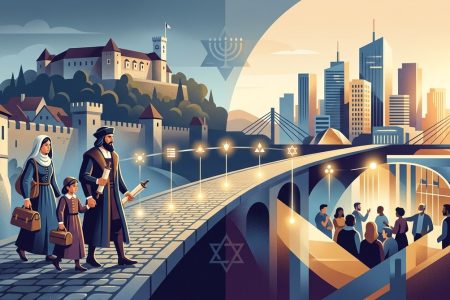
    Jewish history in Slovenia is a story woven into the fabric of its medieval towns, and the Jewish Quarter of Ptuj stands out as a remarkable chapter. Recent archaeological discoveries have shed light on the vibrant Jewish community that once thrived in this historic town. These finds not only deepen our understanding of Ptuj’s past but also connect us to a legacy of resilience, culture, and tradition that continues to inspire today. For history enthusiasts and curious travelers alike, uncovering these archaeological treasures offers a fascinating glimpse into Slovenia’s diverse cultural tapestry.

    Key Takeaway

    The archaeological finds in Ptuj reveal a vibrant Jewish community from medieval times. These discoveries include artifacts, architectural remnants, and historical clues that highlight the community’s presence, culture, and resilience through centuries of change in Slovenia.

    The Significance of Archaeological Finds in Ptuj’s Jewish History

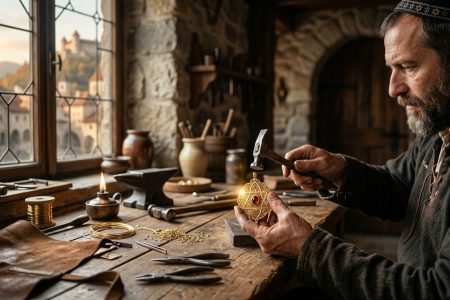
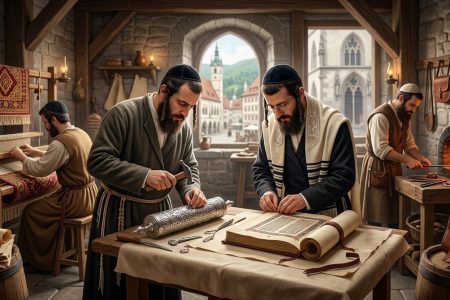
    The archaeological discoveries in Ptuj serve as silent witnesses to a once bustling Jewish quarter. These finds help reconstruct the lives of Jewish residents who contributed significantly to the town’s development. They also form an essential part of understanding the broader history of Jewish communities across Slovenia and Central Europe. Many artifacts unearthed include pottery, coins, religious objects, and even remnants of buildings, each telling a story of daily life and spiritual practices.

    The importance of these finds goes beyond mere objects. They represent a cultural footprint that persisted through periods of upheaval, including expulsions, persecutions, and societal shifts. By studying these archaeological layers, researchers piece together the community’s history, revealing a story of adaptation, faith, and community cohesion.

    How Archaeologists Bring the Past to Light

    Unearthing the Jewish quarter in Ptuj involves a systematic approach that combines modern techniques with traditional excavation methods. Here are steps typically followed during such archaeological projects:

    1. Planning and Surveying

    2. Excavation and Documentation

    3. Analysis and Preservation

    The process begins with detailed surveys of the site, often using ground-penetrating radar to identify promising areas. Once excavation begins, archaeologists carefully remove soil layers, recording every find and its precise location. Artifacts are cleaned, studied, and preserved for future display or research. Advanced techniques like radiocarbon dating and material analysis help date the artifacts accurately and understand their origins.

    Techniques and Common Mistakes in Archaeology

    Technique Mistake to Avoid
    Ground-penetrating radar Rushing the survey without thorough analysis
    Careful stratigraphic excavation Overlooking soil layers that can mislead dating
    Artifact conservation Neglecting proper cleaning or storage
    Context recording Failing to document the precise find location

    An expert in medieval archaeology notes, “Every artifact uncovered in Ptuj’s Jewish quarter is a piece of a larger puzzle. Proper documentation ensures that future generations can understand the community’s story in detail.”

    Discoveries That Illuminate Jewish Life in Ptuj

    Among the most exciting archaeological finds are remnants of synagogues, ritual baths, and private dwellings. These structures confirm the presence of organized religious and community life. Artifacts such as old prayer books, jewelry, and household items reveal daily routines, religious practices, and social status.

    Additionally, discoveries of Jewish tombstones and inscriptions have provided insights into the community’s cultural identity and connections to broader Jewish traditions. These finds often contain Hebrew inscriptions and symbols that link Ptuj’s Jewish residents to the wider diaspora.

    The Broader Context of Jewish Heritage in Slovenia

    The archaeological finds in Ptuj fit into a larger narrative of Jewish history across Slovenia. Many towns and cities have traces of Jewish life, from medieval synagogues to cemeteries. However, the discoveries in Ptuj are particularly significant because they offer a rare glimpse into a community that was both integral and resilient.

    Efforts to preserve and study these archaeological sites are crucial. They not only honor the memory of past residents but also educate the public about the cultural diversity that has shaped Slovenia’s history.

    Practical Steps to Engage With This Heritage

    If you wish to explore the Jewish Quarter of Ptuj archaeological finds firsthand, consider the following:

    1. Visit local museums that house artifacts and displays related to the Jewish community.

    2. Participate in guided archaeological tours or lectures offered by cultural institutions.

    3. Support preservation efforts by engaging with local heritage organizations.

    4. Read scholarly articles and publications that interpret these findings in historical context.

    How to Get Involved in Preserving Jewish Heritage

    1. Attend community events focused on Jewish history.

    2. Volunteer with organizations dedicated to maintaining archaeological sites.

    3. Advocate for the protection of Jewish cemeteries and historical buildings.

    4. Share stories and information about Ptuj’s Jewish past to raise awareness.

    Challenges and Opportunities in Archaeological Preservation

    Preserving archaeological sites is a meticulous task. Natural factors like weathering, as well as human activity, threaten the integrity of these finds. Missteps such as improper handling or lack of documentation can lead to loss of valuable information.

    However, advancements in technology and increased public interest create opportunities for better preservation and interpretation. Digital mapping, 3D modeling, and virtual reconstructions allow a broader audience to experience Ptuj’s Jewish heritage.

    Final Reflections and How You Can Contribute

    Engaging with the archaeological finds of the Jewish quarter in Ptuj offers a tangible connection to Slovenia’s diverse past. These discoveries remind us of the community’s resilience and the importance of safeguarding cultural heritage. Whether through visiting museums, supporting preservation initiatives, or sharing stories, everyone can play a role in honoring this rich history.

    By understanding the layers of history beneath our feet, we appreciate the enduring legacy of the Jewish community in Ptuj. Let these archaeological treasures inspire you to learn more about the stories that shaped the towns and people of Slovenia.

    Honoring the Past, Building the Future

    The archaeological finds in Ptuj are more than relics; they are bridges connecting us to centuries of Jewish life and culture. As we continue to uncover and protect these sites, we ensure that future generations will remember and learn from this vibrant chapter of Slovenia’s history. Take a moment to reflect on the stories these artifacts tell and consider how you can help preserve this invaluable heritage for years to come.

  • When Emperor Joseph II Changed Everything for Slovenian Jews

    When Emperor Joseph II Changed Everything for Slovenian Jews

    Jewish history in Slovenia took a significant turn during the late 18th century, thanks to a series of reforms initiated by Emperor Joseph II. His Jewish Edict, enacted in 1782, aimed to modernize and integrate Jewish communities into the broader fabric of the Habsburg Empire. This decree not only altered legal and social dynamics but also sparked profound changes in community life, religious practices, and cultural expression. Understanding this pivotal moment offers insight into the resilience and adaptability of Slovenian Jews amid evolving political landscapes.

    Key Takeaway

    The Emperor Joseph II Jewish Edict in Slovenia marked a turning point by promoting legal emancipation, religious freedom, and community restructuring, shaping Jewish life in the region for generations to come.

    The Background to the Edict and Its Context in Slovenia

    Before the reforms, Jewish communities in Slovenian territories faced numerous restrictions. They were often confined to specific areas, limited in their economic activities, and subject to discriminatory laws. The Habsburg monarchy sought to modernize its diverse populations, and the Jewish community was no exception. Emperor Joseph II, known for his enlightened absolutism, believed that granting Jews civil rights would benefit the state economically and socially.

    The political climate of the time was marked by Enlightenment ideals emphasizing reason, individual rights, and secular governance. These ideas influenced Joseph II’s approach to governance, including how he saw the Jewish population. His policies aimed to dismantle centuries-old restrictions and promote integration while maintaining order.

    The Key Provisions of the Jewish Edict in Slovenia

    The Jewish Edict of 1782 introduced several reforms that directly impacted Slovenian Jews. Here are the main points:

    1. Legal emancipation: Jews gained the right to citizenship, allowing them to participate more fully in civic life. This was a significant shift from previous restrictions that confined them to specific guilds or trades.

    2. Religious freedom: The edict permitted Jewish communities to establish synagogues and practice their religion openly. It also allowed for the appointment of rabbis and religious leaders without imperial interference.

    3. Economic opportunities: Jews were granted permission to engage in a broader range of trades and professions. This opened new avenues for economic independence and contributed to local economies.

    4. Community organization: The decree encouraged Jews to organize themselves into recognized communities with formal leadership structures, facilitating better coordination and representation.

    5. Education and cultural expression: The edict promoted Jewish education, including the teaching of Hebrew and religious studies, fostering a sense of cultural identity.

    Practical steps taken after the edict

    1. Registration and documentation: Jews were required to register with authorities, leading to the creation of official records that recognized their civic status.

    2. Building synagogues and community centers: With legal permissions, communities began to establish places of worship and gathering.

    3. Establishing educational institutions: Schools and Torah academies emerged to promote religious literacy and cultural continuity.

    4. Engaging in local governance: Jewish community leaders began to participate more actively in civic affairs, sometimes working alongside local authorities.

    The Impact of the Edict on Slovenian Jewish Communities

    The immediate aftermath of the edict saw a flourishing of Jewish communal life in Slovenia. Synagogues, schools, and charitable organizations were established or expanded. Jewish residents gained a stronger voice within local society, which helped improve their social standing.

    However, this period also faced challenges. Resistance from some segments of the local population and conservative religious authorities created tensions. Despite this, the progressive reforms laid a foundation for greater integration and cultural expression.

    Long-term effects

    • Economic growth: Jewish entrepreneurs contributed to local trades, commerce, and craftsmanship.
    • Cultural development: Jewish literature, music, and traditions flourished in their new social environment.
    • Community resilience: Despite periods of adversity, the community maintained its identity and adapted to changing circumstances.

    Challenges and Limitations of the Reforms

    While the edict was a progressive step, it did not resolve all issues. Some restrictions persisted, and antisemitism continued to influence social attitudes. Moreover, the reforms were unevenly applied across different regions within the empire, including Slovenian territories.

    The legal emancipation was also contingent on loyalty to the state, which could be revoked in times of political upheaval. This uncertainty forced communities to remain cautious but hopeful.

    Mistakes and pitfalls to avoid in implementing reforms

    Technique Mistake to Avoid
    Overlooking local contexts Ignoring regional attitudes can hinder integration efforts.
    Rushing community reforms Sudden changes may cause resistance or confusion.
    Underestimating cultural identity Suppressing traditions risks alienating community members.
    Failing to include community voices Excluding Jewish leaders can undermine trust and cooperation.

    Expert Advice on Understanding the Edict’s Significance

    “The Jewish Edict of 1782 was a milestone that shifted the trajectory of Jewish life in Slovenia. It balanced state interests with community needs, fostering a sense of agency and dignity among Jewish residents.” — Dr. Maria Novak, historian specializing in Jewish history in Central Europe.

    Continuing the Journey of Jewish Cultural Revival

    The legacy of Emperor Joseph II’s reforms still resonates today. They set in motion a gradual process of emancipation, cultural assertion, and community resilience. Visiting Slovenian Jewish museums and cultural centers reveals how communities preserved their traditions through centuries of change.

    For those interested in tracing this history further, examining Jewish architecture in Ljubljana or exploring stories of local families offers rich insights into how reforms translated into everyday life. The journey from legal emancipation to vibrant community life underscores the importance of inclusive policies and mutual understanding.

    Embracing Heritage and Building Bridges

    The story of the Jewish community in Slovenia demonstrates how enlightened policies can foster societal growth. Today, ongoing dialogue and cultural exchanges continue to strengthen interfaith relations and promote mutual respect.

    Whether through participating in community events or supporting preservation efforts, everyone can contribute to honoring this history. Remember, understanding the past helps shape a more inclusive future.

    Celebrating the Spirit of Resilience in Slovenian Jewish Heritage

    The transformative influence of Emperor Joseph II’s Jewish Edict in Slovenia reminds us of the power of reform and perseverance. By recognizing the challenges faced and the progress made, communities can continue to thrive and adapt. Embrace the stories, traditions, and lessons from this pivotal period to enrich your understanding and appreciation of Slovenian Jewish history.

    Let this history inspire practical steps today—whether learning more about local heritage sites, supporting cultural initiatives, or simply sharing stories that honor resilience. The legacy of that era continues to shape lives and communities across Slovenia.

  • The Revival of Jewish Life in Post-Independence Slovenia Since 1991

    The Revival of Jewish Life in Post-Independence Slovenia Since 1991

    Jewish life in Slovenia has undergone a significant transformation since the country gained independence in 1991. After decades of challenging history, including periods of suppression and displacement, the community has experienced a renaissance. Today, Slovenian Jews celebrate their heritage with renewed pride, vibrant cultural events, and active religious communities. This revival reflects resilience, dedication, and a deep desire to preserve Jewish traditions while integrating into modern Slovenian society.

    The Roots of Jewish Presence in Slovenia

    Jewish history in Slovenia stretches back centuries. Historically, Jewish communities settled in key cities like Ljubljana and Maribor, contributing to commerce, culture, and academia. The oldest known synagogue in Ljubljana dates from the 16th century, standing as a testament to centuries of Jewish life. However, the 20th century brought upheaval, especially during the Holocaust, which decimated many communities.

    Despite these hardships, Jewish life in Slovenia did not disappear completely. Instead, it endured in memories, small communities, and underground traditions. The fall of the Iron Curtain and Slovenia’s independence in 1991 served as turning points, opening doors for cultural and religious revival.

    Rebirth of the Community After 1991

    The post-independence period marked the beginning of a conscious effort to rebuild Jewish life. Several factors fueled this renaissance:

    • The establishment of cultural centers and museums dedicated to Jewish history.
    • The return and restoration of historic synagogues and cemeteries.
    • Increased interest among younger generations to reconnect with their heritage.
    • International connections through Jewish organizations and diaspora networks.

    Community leaders and activists worked tirelessly to revive religious practices, celebrate festivals, and promote awareness of Jewish contributions to Slovenian society.

    Cultural and Religious Revival Initiatives

    The revival of Jewish life in Slovenia since 1991 is evident in various cultural and religious activities:

    1. Restoration of Synagogues and Historic Sites

    Many historic Jewish sites have been restored or preserved. The Ljubljana Synagogue, which had been non-operational for decades, reopened as a cultural and religious center. The Jewish Museum of Slovenia now showcases artifacts, photographs, and documents that tell the story of Jewish resilience.

    2. Active Religious Life and Festivals

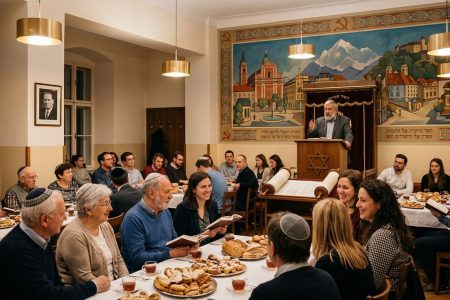
    Jewish communities now hold regular services, including Sabbath observances and holiday celebrations. Events like Hanukkah, Passover, and Rosh Hashanah attract both community members and interested visitors. These celebrations foster a sense of continuity and community bonding.

    3. Educational Programs and Public Engagement

    Educational initiatives aim to inform the wider public about Jewish history and traditions. Schools and cultural organizations host lectures, workshops, and exhibitions. This openness helps dispel misconceptions and promotes intercultural understanding.

    4. Interfaith and Cultural Collaborations

    Slovenia’s Jewish community actively participates in interfaith dialogue and cultural exchanges. Projects like joint celebrations with Catholic and Muslim communities demonstrate a commitment to coexistence and mutual respect.

    5. Artistic and Literary Contributions

    Contemporary Jewish artists, writers, and musicians contribute to Slovenia’s cultural scene. Their work often explores themes of identity, memory, and resilience. You can learn more about how Jewish artists influence modern art movements in the region by visiting

    Practical Steps to Support and Celebrate Jewish Revival

    If you wish to be part of this ongoing revival, here are some practical ways to engage:

    1. Attend community events and celebrations. Many are open to visitors and provide insights into Jewish traditions.
    2. Volunteer or donate to local Jewish cultural centers and museums to help preserve historic sites.
    3. Educate yourself about Jewish history in Slovenia through books, documentaries, and online resources.
    4. Support local artisans and musicians whose work reflects Jewish heritage, like traditional klezmer music.
    5. Participate in interfaith dialogues to foster understanding and friendships between different religious communities.

    How to Get Involved in the Revival Process

    1. Learn about local history: Engage with museums and cultural centers to deepen your understanding of Slovenian Jewish history.
    2. Join community celebrations: Many events are welcoming to all, offering a chance to experience Jewish traditions firsthand.
    3. Support preservation efforts: Contribute to initiatives aimed at maintaining historic sites and artifacts.
    4. Share stories: Personal stories of resilience inspire others and keep traditions alive.
    5. Promote awareness: Use social media and local platforms to highlight Jewish cultural contributions and ongoing projects.

    Techniques and Common Mistakes in Preserving Jewish Heritage

    Techniques Mistakes
    Restoring historic synagogues carefully Neglecting the importance of community input
    Documenting oral histories thoroughly Rushing preservation without expert advice
    Collaborating with local authorities Ignoring the significance of cultural context
    Engaging youth through interactive programs Overlooking the importance of authenticity

    “Preserving Jewish heritage is not only about maintaining buildings and artifacts. It’s about safeguarding memories, stories, and identities for future generations,” emphasizes Dr. Mira Novak, a Slovenian historian specializing in Jewish history.

    Challenges and Opportunities for the Future

    Despite progress, challenges remain. Limited funding, gaps in knowledge, and the passing of early community members pose risks to preservation efforts. However, increased awareness, tourism, and international cooperation present opportunities to strengthen the community.

    The continued involvement of younger generations and the integration of Jewish culture into broader Slovenian life will be crucial. Initiatives like educational programs, cultural festivals, and interfaith projects will help sustain momentum.

    A Future Built on Heritage and Unity

    The revival of Jewish life in Slovenia since 1991 reflects a broader story of resilience, renewal, and cultural integration. Communities are working to honor their past while embracing the present. This ongoing journey is a reminder that heritage is a living, breathing part of society.

    By supporting these efforts—whether through participation, education, or advocacy—you help ensure that the vibrant traditions, stories, and contributions of Slovenian Jews continue to thrive. The revival is not just about the past; it’s about building a future rooted in understanding and respect.

    Celebrating the Living Heritage of Slovenian Jewry

    The renaissance of Jewish life since Slovenia’s independence demonstrates the community’s strength and enduring spirit. Each restored site, celebration, and story adds to a tapestry of history that continues to evolve. As more people become aware and involved, the cultural landscape gains richness and depth.

    Remember, every act of support helps preserve this vital heritage. Whether you attend a festival, learn a story, or share your appreciation, you contribute to a future where Jewish traditions remain an integral part of Slovenian society.

    Stay curious, stay engaged, and help keep the vibrant flame of Slovenian Jewish heritage burning bright for generations to come.

  • Jewish Partisan Fighters in Slovenia During World War II

    Jewish Partisan Fighters in Slovenia During World War II

    Jewish partisan fighters in Slovenia during World War II played a vital role in resisting the Nazi occupation and fighting for freedom. Their stories of courage and resilience are a testament to the enduring spirit of resistance within the Jewish community. In Slovenia, a country marked by its complex history and diverse cultural tapestry, Jewish fighters contributed significantly to the broader fight against fascism. This article sheds light on their brave actions, the challenges they faced, and how their legacy continues to inspire today.

    Key Takeaway

    Jewish partisan fighters in Slovenia WWII exemplify resilience and resistance. Their stories highlight the bravery of the Jewish community during dark times and their lasting impact on Slovenian history and memory.

    The Roots of Jewish Resistance in Slovenia

    Slovenia’s Jewish community has a long history dating back centuries, marked by periods of growth and hardship. During World War II, as Nazi forces occupied Slovenia, Jewish residents faced persecution, deportation, and violence. Despite these dangers, some members of the community chose resistance. Jewish fighters in Slovenia joined partisan groups or operated independently to oppose the occupation, risking their lives to save others and fight for justice.

    Resistance was not only a fight against external enemies but also an act of preserving dignity and identity. Many Jewish fighters saw their participation as a continuation of their community’s resilience through centuries of adversity. Their involvement often included sabotage, gathering intelligence, and aiding in the rescue of fellow Jews and other persecuted groups.

    Jewish Partisan Fighters in Slovenia During WWII

    The story of Jewish partisan fighters in Slovenia is one of bravery amid peril. They worked alongside Slovenian resistance groups, contributing vital intelligence and participating in armed confrontations against Axis forces. Their involvement is documented through testimonies, wartime documents, and historical research that reveal their active role in the broader partisan movement.

    While exact numbers are difficult to determine, historical accounts suggest that dozens of Jewish men and women took part in the resistance efforts. These fighters often faced double dangers: the threat of Nazi reprisals and the risks inherent in partisan warfare. Despite this, they persisted, driven by a deep-seated desire to oppose tyranny and protect their loved ones.

    Challenges Faced by Jewish Fighters

    Jewish fighters encountered numerous obstacles during their resistance activities. They faced constant surveillance, the threat of betrayal, and the difficulty of operating covertly in hostile territory. Many had to hide their identities to avoid detection by Nazi authorities and collaborators.

    Additionally, they often lacked proper weapons, supplies, and safe havens. Despite these hardships, their determination never waned. Their stories are filled with acts of heroism and sacrifice, illustrating that even in the darkest times, hope and resistance can flourish.

    Stories of Heroism and Resistance

    One notable figure was a Jewish woman who, along with her partisan unit, sabotaged Nazi supply lines and provided aid to civilians hiding from persecution. Her story exemplifies the courage of many Jewish fighters who risked everything for the cause.

    Similarly, a group of young Jewish men and women formed a clandestine communication network that relayed critical information to partisan commanders. Their efforts helped coordinate attacks and maintain morale within the resistance.

    “The courage of Jewish fighters in Slovenia during WWII proves that resistance is a universal act of defiance against oppression, regardless of background or religion,” says historian Dr. Ana Kranjc.

    These stories have been preserved through oral histories, museums, and memorials, ensuring that their sacrifices are remembered for generations to come.

    The Impact of Jewish Resistance on Slovenian History

    Jewish fighters in Slovenia contributed significantly to the overall resistance movement. Their actions not only hampered Nazi operations but also demonstrated the unity of diverse groups fighting for a common goal. Their participation challenged stereotypes and reinforced the idea that resistance was a collective effort rooted in shared values of freedom and dignity.

    Post-war, their stories became symbols of resilience and hope. Memorials and educational programs aim to honor their memory, emphasizing the importance of standing against injustice. Their legacy continues to inspire current generations to advocate for human rights and remember the past.

    How to Learn More and Support the Memory of Jewish Fighters

    1. Visit local museums and memorials dedicated to WWII resistance and Jewish history in Slovenia.
    2. Read firsthand accounts and testimonies from survivors and resistance members.
    3. Participate in educational programs or community events that commemorate resistance efforts.
    4. Support organizations working to preserve Jewish cultural heritage and historical sites.
    5. Engage with scholarly research to deepen understanding of Slovenian WWII history and Jewish resistance.

    Practical steps for research and remembrance

    • Collect oral histories from relatives or community members who have stories of resistance.
    • Attend lectures or seminars focused on WWII resistance movements in Slovenia.
    • Volunteer at cultural centers or museums that highlight Jewish and Slovenian history.
    • Promote awareness of the Jewish resistance movement through social media or community discussions.
    • Support the preservation of historical sites related to WWII resistance efforts.
    Techniques for Remembering Common Mistakes to Avoid
    Honoring local heroes through memorials Overlooking lesser-known fighters
    Documenting oral histories Relying solely on written records
    Supporting cultural preservation initiatives Ignoring the importance of community engagement
    Educating youth about resistance history Using insensitive language or stereotypes

    Preserving Legacy Through Education and Memory

    Understanding the stories of Jewish partisan fighters in Slovenia WWII helps keep their memory alive. Schools, museums, and cultural organizations play a crucial role in sharing these narratives. By learning about their sacrifices, communities can foster a sense of shared history and resilience.

    Participating in remembrance events, such as memorial days or cultural festivals, strengthens the connection to the past. These activities honor the courage of those who fought and serve as reminders of the ongoing fight against intolerance and hate.

    “Remembering resistance fighters ensures that future generations understand the importance of standing up for justice and human dignity,” emphasizes educator Marko Novak.

    Supporting these efforts guarantees that their stories will continue to inspire and educate.

    As we reflect on the brave actions of Jewish partisan fighters in Slovenia during WWII, it becomes clear that their legacy transcends time. Their resistance exemplifies the power of courage and conviction in the face of adversity. Today, their stories serve as a beacon of hope and a call to preserve the lessons of history.

    Encourage yourself and others to learn more about these remarkable fighters. Sharing their stories can foster empathy and understanding, ensuring that their sacrifices are never forgotten. Remember, resistance is a universal act rooted in the human desire for freedom and dignity. Their bravery in Slovenia during WWII continues to remind us of the importance of standing against oppression, no matter the odds.

    Let their stories inspire your own acts of kindness, justice, and resilience. The lessons of the past can guide us to build a more compassionate and courageous future.

  • Why Did Maribor Once Have Slovenia’s Largest Jewish Community?

    Why Did Maribor Once Have Slovenia’s Largest Jewish Community?

    Maribor, Slovenia’s second-largest city, holds a remarkable chapter in its history thanks to its vibrant Jewish community. Once the largest in the country, this community played a vital role in shaping the city’s cultural, economic, and social fabric. Today, remnants of this lively past are woven into Maribor’s identity, offering a fascinating glimpse into the resilience and contributions of Jewish residents over centuries.

    Key Takeaway

    Maribor’s Jewish community once thrived as Slovenia’s largest, influencing the city’s development through commerce, culture, and resilience, leaving a lasting legacy that continues to inspire today.

    The Origins of the Jewish Presence in Maribor

    The roots of the Jewish community in Maribor stretch back to the Middle Ages. Jewish traders and artisans arrived in the region seeking new opportunities and contributed significantly to its growth. Historical records from the 15th and 16th centuries indicate an active Jewish presence, with community members engaging in commerce, crafts, and finance.

    The growth of Maribor as a trading hub attracted Jewish families who established themselves here, often forming close-knit communities that supported each other through difficult times. Their influence extended beyond daily life, enriching the city’s cultural landscape with traditions, crafts, and religious practices.

    How Maribor Became Slovenia’s Largest Jewish Community

    By the 19th century, Maribor’s Jewish population had grown substantially, making it the largest in Slovenia. This growth was driven by several factors:

    • Economic opportunities: The city’s strategic location along trade routes provided avenues for commerce and entrepreneurship.
    • Emancipation laws: Legal reforms in the 19th century allowed Jews greater freedom to settle, own property, and participate in civic life.
    • Community development: The establishment of synagogues, schools, and cultural centers fostered a vibrant community life.

    At its peak, the Jewish community in Maribor numbered several thousand members. They contributed to the city’s economy through industries like textiles, trade, and finance. Their presence influenced the city’s architecture, with synagogues and Jewish cemeteries becoming prominent landmarks.

    Key Landmarks and Cultural Contributions

    One of the most significant symbols of Maribor’s Jewish heritage is the synagogue, built in the late 19th century. Although it was destroyed during World War II, its legacy endures through historical records and restored memorials.

    Jewish artisans and merchants introduced new crafts and business practices that benefited the local economy. Additionally, Jewish cultural traditions, including music, cuisine, and religious festivals, became part of Maribor’s diverse cultural tapestry.

    The community also contributed to education and intellectual life, with Jewish scholars involved in local academic circles. Their influence is evident in the preservation of Hebrew and Yiddish texts and the continued interest in Jewish history in Slovenia.

    The Impact of World War II and the Holocaust

    The darkest chapter in Maribor’s Jewish history unfolded during the Holocaust. The Nazi occupation led to the deportation of most Jewish residents, with many perishing in concentration camps. The community’s destruction was a devastating loss to the city’s cultural fabric.

    However, stories of resistance and resilience emerged among survivors and their descendants. Some members managed to escape or hide, and their stories have been preserved through local memorials and museums dedicated to Jewish history.

    Despite the tragic events, the memory of Maribor’s Jewish community remains alive through commemorative events, educational programs, and efforts to restore and protect remaining heritage sites.

    Reviving and Preserving Jewish Heritage in Maribor

    In recent decades, efforts have been made to honor and preserve Maribor’s Jewish past. Local organizations, historical societies, and the municipality collaborate to maintain historical sites and promote awareness.

    Key initiatives include:

    • Restoring Jewish cemeteries and memorials
    • Organizing cultural festivals celebrating Jewish heritage
    • Developing educational programs about the community’s history

    These efforts aim to ensure that future generations understand the significance of the Jewish community’s contributions and the importance of tolerance and remembrance.

    “Preserving Jewish heritage in Maribor is more than safeguarding old buildings; it’s about honoring the resilience and influence of a community that once shaped the city’s very soul,” shares local historian Dr. Marko Novak.

    Practical Steps to Research Maribor’s Jewish Community

    If you’re eager to explore this rich history yourself, here are some steps to get started:

    1. Visit local museums and memorial sites: Many offer detailed exhibits about Maribor’s Jewish past.
    2. Consult historical archives: The regional archive houses documents, photographs, and personal stories.
    3. Engage with community organizations: They often host lectures, tours, and cultural events.
    4. Read scholarly works: Academic publications provide in-depth analyses of Jewish life in Maribor.
    5. Join guided tours: Local guides can offer insightful narratives and visit key heritage sites.

    Techniques for Uncovering Hidden History

    Uncovering the story of Maribor’s Jewish community involves careful research and attention to detail. Here’s a comparison of techniques:

    Technique Mistakes to Avoid
    Visiting archives Relying solely on oral history can lead to gaps
    Consulting local libraries Ignoring digital resources may limit findings
    Attending community events Assuming history is only in old buildings
    Reading personal stories Overlooking broader historical context

    Focusing on multiple sources enriches understanding and helps piece together the community’s complex history.

    Advice from Experts

    “Understanding Maribor’s Jewish community isn’t just about old buildings. It’s about listening to stories, recognizing contributions, and ensuring that remembrance remains alive,” emphasizes historian Dr. Novak.

    Continuing the Legacy in Maribor

    Today, the city’s commitment to honoring its Jewish past ensures that the community’s legacy continues to inspire. Whether through educational programs, cultural festivals, or preservation projects, the story of Maribor’s Jewish residents remains an integral part of the city’s identity.

    If you are passionate about history, visiting these sites and engaging with local narratives can deepen your appreciation. It offers a chance to connect with a community that once thrived amid challenges and contributed profoundly to Maribor’s development.

    Sharing the Heritage and Building Connections

    Sharing stories and knowledge about Maribor’s Jewish community fosters mutual understanding and respect. It encourages dialogue and learning, ensuring that the lessons from the past inform a more inclusive future.

    By supporting preservation efforts and participating in community activities, you help keep this important chapter alive. Remember, history isn’t just about the past; it’s a foundation for understanding and shaping tomorrow.

    Honoring the past, inspiring the future

    The history of Maribor’s Jewish community is a testament to resilience and cultural richness. Embracing this heritage offers valuable lessons about community strength, adaptability, and remembrance. Whether you’re a researcher, enthusiast, or visitor, engaging with this history enriches your understanding of Slovenia’s diverse cultural landscape. Take the time to learn, visit, and share these stories—each step helps keep the legacy alive for generations to come.

  • Tracing the Sephardic Roots of Slovenia’s Earliest Jewish Settlers

    Tracing the Sephardic Roots of Slovenia’s Earliest Jewish Settlers

    Jewish history in Slovenia is rich and layered, with roots that stretch back centuries. Among the most intriguing aspects of this history is the Sephardic influence that shaped the earliest Jewish settlers in the region. Understanding these roots reveals a story of migration, adaptation, and cultural blending that continues to influence Slovenian Jewish communities today. For researchers, genealogists, and anyone passionate about Jewish heritage, exploring how Sephardic roots found their way into Slovenia offers a fascinating glimpse into a shared past that transcends borders.

    Key Takeaway

    Tracing Sephardic roots in Slovenia unveils a story of early Jewish migration from Iberia, blending Sephardic traditions with local Slovenian culture. This heritage enriches the community’s history and offers valuable insights for genealogical research and cultural preservation.

    The Origins of Sephardic Jews in Slovenia

    The story of Sephardic Jews in Slovenia begins with the broader movement of Jews fleeing persecution in Spain and Portugal during the late 15th and early 16th centuries. After the Alhambra Decree of 1492, which ordered the expulsion of practicing Jews from Spain, many sought refuge in safer parts of Europe. Some of these refugees found their way to the Balkan region, including what is now Slovenia.

    Historically, the migration routes of Sephardic Jews were influenced by trade, diplomatic ties, and the search for religious freedom. Many settled in port cities and trading hubs, where they could continue their commerce while maintaining their cultural identity. Slovenia’s strategic location along the Adriatic coast made it a natural stop for Sephardic traders and settlers.

    The earliest Sephardic settlers in Slovenia are believed to have arrived in the 16th century. They established small communities that maintained their language, customs, and religious practices, which would later influence the broader Jewish community in the region. Over time, this Sephardic heritage became intertwined with local Slovenian traditions, creating a unique cultural mosaic.

    Traces of Sephardic Heritage in Slovenian Jewish Communities

    Although the Sephardic community in Slovenia remained relatively small, its influence can still be identified in various cultural and religious practices. Traditional Sephardic rites, melodies, and culinary traditions have left an indelible mark on the community.

    One of the most tangible remnants of Sephardic heritage is the language. Some of the earliest Jewish settlers spoke Ladino—a Judeo-Spanish language that preserved elements of medieval Spanish. Today, Ladino is rarely spoken, but historical documents and oral histories contain echoes of this linguistic legacy.

    Architectural influences are also part of the Sephardic imprint. While many of the original synagogues and community buildings have been lost or repurposed, some historical sites and artifacts hint at the Sephardic aesthetic and religious customs.

    In terms of religious practice, Sephardic Jews traditionally follow different liturgical rites compared to Ashkenazi communities. These distinctive customs, such as specific prayer melodies and holiday observances, were preserved in some Slovenian congregations for generations.

    How to Trace Sephardic Roots in Slovenia

    Researching Sephardic roots in Slovenia involves a combination of archival work, oral history collection, and collaboration with local heritage organizations. Here are some practical steps:

    1. Start with family records: Gather any available documents such as birth, marriage, and death certificates. Pay attention to names, places, and language clues like Ladino or Spanish.

    2. Consult historical archives: Slovenian national and regional archives house valuable records. The National Archives of Slovenia and Jewish heritage centers might contain community registers, synagogue records, or immigration documents.

    3. Engage with local Jewish communities: Connecting with existing Jewish congregations or cultural centers can provide insights and access to oral histories. They often hold valuable stories passed down through generations.

    4. Use online genealogical databases: Websites like JewishGen or Ancestry offer tools and collections that can help trace Sephardic lineage across Europe, including Slovenia.

    5. Explore historical maps and migration routes: Understanding where Sephardic settlers arrived and settled can guide your research. Many Sephardic families moved through ports in Italy or Dalmatia before reaching the Slovenian lands.

    6. Collaborate with experts: Genealogists specializing in Sephardic history or Slovenian Jewish heritage can offer guidance and help interpret complex records.

    Practical Process for Tracing Sephardic Roots

    1. Identify potential family stories or documents
    2. Visit local archives or digital repositories
    3. Interview community elders or descendants
    4. Cross-reference findings with migration and historical data
    5. Document and verify lineage through multiple sources
    6. Connect with heritage organizations for additional support

    Common Challenges and How to Overcome Them

    Technique Mistake Solution
    Relying only on oral history Mistaking legends for facts Cross-reference with written records
    Ignoring language clues Missing Ladino or Spanish identifiers Pay attention to language in documents
    Overlooking migration routes Missing context for familial movements Study regional migration patterns
    Using limited sources Incomplete family stories Expand research to archives and community records

    “Genealogical research into Sephardic roots requires patience and thoroughness. Combining oral histories with archival documents often uncovers surprising connections that paint a clearer picture of your heritage,” advises Dr. Miriam Cohen, a specialist in Sephardic genealogy.

    Connecting the Past to Today’s Heritage

    Understanding the Sephardic origins of Slovenian Jewish settlers offers a window into a vibrant past that continues to influence present-day communities. Many descendants feel a deep connection to their Sephardic roots through shared traditions, culinary practices, and stories passed down through generations.

    Today, efforts to document and preserve Sephardic heritage in Slovenia include community festivals, cultural exhibitions, and academic research. These initiatives aim to keep alive the unique customs and history of this founding segment of Slovenian Jewry.

    Genealogical research can be a rewarding journey that deepens your appreciation of cultural diversity. Whether you are tracing lineage for personal curiosity or academic study, recognizing Sephardic roots illuminates a vital chapter of Slovenian history.

    A Personal Path to Heritage Preservation

    Finding your Sephardic roots in Slovenia can be a meaningful experience. It connects you to a broader narrative of migration, resilience, and cultural fusion. As you begin or continue your research, remember that every document, story, and tradition contributes to a richer understanding of your heritage.

    Preserving these connections helps future generations appreciate their unique identity and the shared history that binds communities across borders. Whether through family stories, community involvement, or scholarly projects, your efforts contribute to a larger tapestry of Jewish heritage in Slovenia.

    Embracing Your Sephardic Heritage in Slovenia

    Celebrating and understanding your Sephardic roots is a journey worth taking. It offers insights into how your ancestors navigated challenges and kept their traditions alive. By tracing these roots, you participate in a living history that continues to inspire.

    Apply these methods in your research, engage with community resources, and share your discoveries. In doing so, you help ensure that the vibrant Sephardic legacy in Slovenia remains a treasured part of cultural memory.

    Remember: Every step you take in uncovering your heritage is a step toward honoring your ancestors and enriching your understanding of Jewish history in Slovenia.

  • From Emancipation to Integration: Jewish Life in 19th Century Slovenia

    From Emancipation to Integration: Jewish Life in 19th Century Slovenia

    Jewish life in 19th century Slovenia was a vibrant tapestry woven with resilience, adaptation, and cultural growth. During this period, Jewish communities transitioned from centuries of marginalization to a more integrated and active presence within Slovenian society. Their journey reflected broader social changes, including emancipation and increased participation in civic life. Understanding this era offers a rich insight into how Jewish communities contributed to the cultural and social fabric of Slovenia, leaving a lasting legacy that continues to resonate today.

    Key Takeaway

    Jewish life in 19th century Slovenia saw significant transformation as communities gained emancipation, integrated into local society, and contributed to cultural development, shaping regional history and identity.

    The Roots of Jewish Presence in Slovenia

    Jewish communities have a long history in the region that now constitutes Slovenia. Their presence dates back to medieval times when traders, craftsmen, and merchants settled in towns like Ljubljana, Maribor, and Ptuj. These early communities faced periods of tolerance and restriction, often dictated by the broader political climate of the Holy Roman Empire and later Austro-Hungarian rule.

    In the 19th century, the political landscape shifted dramatically. The Habsburg Empire’s reforms aimed at modernizing and centralizing governance, which included changes to the legal status of Jewish populations. These reforms led to a wave of emancipation, granting Jews civil rights and reducing restrictions that had previously limited their social and economic activities.

    Emancipation and Its Impact on Jewish Communities

    The 19th century marked a turning point for Jewish life in Slovenia. Emancipation laws, enacted gradually across the Austro-Hungarian Empire, allowed Jews to participate more fully in civic life. This process included the right to own property, engage in various trades, and establish religious and cultural institutions.

    In Slovenia, emancipation fostered a sense of hope and renewed community vitality. Jewish residents began establishing synagogues, schools, and charitable organizations. These institutions became centers of community life, nurturing a shared identity that balanced tradition with modern influences.

    Practical steps for Jewish communities during this period included:

    1. Adapting religious practices to align with new civil rights laws.
    2. Establishing educational institutions to promote literacy and cultural awareness.
    3. Engaging in local commerce to contribute to regional economic development.

    Cultural Integration and Social Participation

    Jewish communities in Slovenia gradually integrated into the broader society while maintaining their distinct religious and cultural identities. They participated actively in local economies, often excelling in trades such as textiles, retail, and banking. Many Jewish families became prominent merchants and entrepreneurs.

    Cultural life flourished with the establishment of newspapers, literary societies, and musical groups. The influence of Jewish artists and writers contributed significantly to the cultural landscape. For instance, some Jewish musicians helped introduce traditional klezmer music to Slovenian audiences, creating a unique blend of regional and Jewish musical styles.

    Key cultural contributions included:

    • The development of local Jewish literature reflecting contemporary issues.
    • The integration of Jewish motifs into Slovenian art and music.
    • The fostering of interfaith dialogues and community collaborations.

    Challenges and Resilience

    Despite progress, Jewish communities faced challenges. Anti-Semitic sentiments persisted in some areas, often fueled by economic competition or political tensions. Pogroms and discriminatory laws periodically threatened community stability.

    Nevertheless, resilience characterized Jewish life during this era. Community leaders worked tirelessly to protect their members’ rights, often advocating for greater tolerance and understanding. The establishment of Jewish schools and charitable organizations demonstrated their commitment to social cohesion.

    As historian Dr. Mira Novak notes, “The resilience of Slovenian Jews in the 19th century exemplifies their determination to thrive amidst adversity, contributing richly to the region’s cultural mosaic.”

    Practical Processes for Understanding and Supporting Jewish Heritage

    For those interested in exploring or supporting Jewish history in Slovenia, consider these steps:

    1. Visit local museums and cultural centers dedicated to Jewish heritage.
    2. Participate in guided tours of historic Jewish neighborhoods and sites.
    3. Engage with community events and educational programs to deepen understanding.
    4. Research local archives for personal stories and historical documents.
    5. Support preservation efforts for synagogues and cemeteries.

    Techniques and Common Mistakes in Studying Jewish Life in Slovenia

    Technique Mistake to Avoid
    Using primary sources for authentic insights Relying solely on secondary or biased sources
    Visiting historical sites personally Ignoring the cultural context behind artifacts
    Engaging with local communities respectfully Making assumptions without proper research

    Preserving the Legacy of 19th Century Jewish Life

    The story of Jewish life in Slovenia during the 19th century is one of perseverance and contribution. Their journey from marginalization to integration highlights the importance of cultural resilience and community solidarity. Today, many sites and traditions from this era continue to be celebrated, reminding us of the enduring legacy left by those communities.

    For preservation efforts, historian Dr. Luka Kranjc advises, “Engaging with local communities and supporting heritage initiatives ensures that the rich history of Slovenian Jews remains alive for future generations.”

    Embracing the Past to Enrich the Present

    Reflecting on the lives of Jews in 19th century Slovenia reveals a narrative of adaptation, cultural exchange, and resilience. Their history enriches the broader story of Slovenian society and offers valuable lessons on inclusion and mutual respect. Learning about their contributions helps foster a more comprehensive understanding of regional history.

    As you explore this chapter of Slovenian history, consider visiting local historical sites or engaging with community organizations. Your curiosity and respect can help keep this important heritage alive and appreciated.

    Remember: Every story from history contributes to a fuller understanding of our shared human experience. Embrace the opportunity to learn about Jewish life in Slovenia and support the preservation of this vibrant cultural legacy.

  • The Great Expulsion of 1515: When Jews Were Forced to Leave Slovenian Lands

    The Great Expulsion of 1515: When Jews Were Forced to Leave Slovenian Lands

    The year 1515 marks a pivotal moment in Slovenian and Jewish history. During this time, Jewish communities in the Slovenian lands faced a forced expulsion that reshaped their presence and influence in the region for centuries. Understanding the events of the Great Expulsion of 1515 Slovenian Jews reveals much about medieval societal attitudes, economic pressures, and the resilience of Jewish communities. This episode remains a profound example of how political and social forces can drastically alter the lives of minority populations.

    Key Takeaway

    The 1515 expulsion was driven by economic and social tensions, forcing Slovenian Jews out. Its impact shaped regional history, highlighting resilience amid adversity and ongoing Jewish influence in Slovenia today.

    The Context Behind the 1515 Expulsion

    Understanding why the expulsion happened requires looking at the broader medieval landscape. During the late Middle Ages, Jewish communities often faced suspicion and prejudice. In Slovenian lands, as in many parts of Europe, Jews played vital roles in commerce, finance, and medicine. Their contributions, however, often made them targets during times of social unrest or economic hardship.

    In 1515, the region was experiencing economic downturns, political instability, and rising tensions between different social groups. Rumors and accusations about Jewish communities exacerbated existing prejudices. Local authorities, influenced by wider European trends and internal pressures, decided to act against the Jewish population. The decision was not isolated but part of a pattern seen in other regions during this period.

    The Course of the Expulsion

    The expulsion was executed with little warning, catching many Jewish residents unprepared. They were given a short window to leave their homes, possessions, and businesses behind. This sudden removal devastated individual lives and disrupted local economies that depended on Jewish merchants and artisans.

    The process unfolded rapidly. Authorities issued decrees that ordered Jews to leave Slovenian lands, often with threats and confiscations. Many Jews sought refuge in neighboring regions or converted to Christianity in hopes of avoiding persecution. Others faced forced exile, often leaving behind homes, synagogues, and valuable community records that would be lost or destroyed.

    A key aspect of this expulsion was the confiscation of Jewish property. Estates, businesses, and financial assets were seized by local authorities or redistributed to loyal citizens. This enriched some at the expense of the expelled community and altered local economic structures.

    The Impact on Slovenian Society and Jewish Life

    The expulsion of Jews in 1515 left a lasting mark on Slovenian society. It disrupted established social networks and created a void in economic sectors where Jews had been active. Many Jewish craftsmen, traders, and scholars who had contributed to the local culture and economy were forced to seek safety elsewhere.

    Despite this, the Jewish community in Slovenia did not vanish entirely. Some records suggest that small groups or individuals returned later, often clandestinely, maintaining a covert presence. Over centuries, Jewish life in Slovenia experienced periods of revival, influenced by changing political climates and regional migrations.

    The expulsion also contributed to a broader narrative of Jewish resilience. Many expelled Jews carried their skills and traditions to other parts of Europe, where they continued to thrive and influence local cultures. Their forced departure from Slovenian lands underscores the recurring theme of persecution and perseverance that characterizes much of Jewish history.

    How the 1515 Expulsion Fits Into Broader European Events

    The Great Expulsion of 1515 Slovenian Jews was part of a larger pattern across Europe. During the late Middle Ages and early Renaissance, Jewish communities faced expulsions from various countries, including Spain, France, and parts of the Holy Roman Empire. These expulsions were often fueled by economic jealousy, religious intolerance, and political motives.

    In Slovenia, the expulsion reflected local dynamics but also aligned with these wider trends. The fear of Jewish influence, combined with economic motives such as the seizure of assets, fueled the decision. It exemplified how regional events could be interconnected with broader European upheavals.

    Remembering the Expulsion Today

    The history of the 1515 expulsion remains an important chapter in Slovenian and Jewish history. It demonstrates how minority communities can be vulnerable during periods of upheaval but also highlights their resilience and contributions despite adversity.

    Efforts to remember and study this event serve to promote understanding and tolerance. Many museums, historical societies, and academic institutions work to preserve the memory of Jewish communities that once thrived in Slovenia. These efforts ensure that future generations recognize the importance of safeguarding minority rights and acknowledging historical injustices.

    Practical Steps to Study and Commemorate the 1515 Expulsion

    If you are interested in exploring this history further, here are some practical ways to deepen your understanding:

    1. Visit local museums and historical sites that contain artifacts or records related to Jewish life in Slovenia.
    2. Review academic articles or books focusing on medieval Jewish communities and their expulsions.
    3. Attend lectures or seminars hosted by historical societies or universities.
    4. Engage with community organizations that promote awareness of Jewish heritage.
    5. Support projects that aim to preserve and share the history of Slovenian Jews.

    Techniques and Common Mistakes in Historical Research

    Technique Mistake to Avoid
    Cross-referencing primary sources Relying solely on one type of document can lead to biased interpretations
    Consulting multiple archives Ignoring regional or lesser-known records may omit key details
    Contextualizing events within broader history Viewing the expulsion in isolation risks misunderstanding its causes and effects
    Engaging with local communities Overlooking oral histories or community memories can limit perspectives

    “Understanding the expulsion requires careful examination of historical records alongside community narratives. Both perspectives enrich our comprehension of such a complex event.” — Dr. Miriam Katz, Jewish historian

    The Continuing Significance of the 1515 Expulsion

    The story of the Jewish expulsion in 1515 is more than a chapter in history books. It reminds us of the importance of tolerance, resilience, and remembrance. Recognizing the challenges faced by past generations helps foster a more inclusive future. It underscores the value of cultural diversity and the need to protect minority rights today.

    By studying these events, communities can learn vital lessons about the dangers of prejudice and the importance of standing against injustice. The legacy of the Slovenian Jews expelled in 1515 continues to inspire efforts toward mutual understanding and respect.


    Remember, history is not just about the past. It guides our present and shapes our future. Take the time to explore the rich stories of Slovenian Jewish communities and honor their resilience through study and remembrance.

  • What Happened to Slovenia’s Jewish Cemeteries? A Preservation Journey

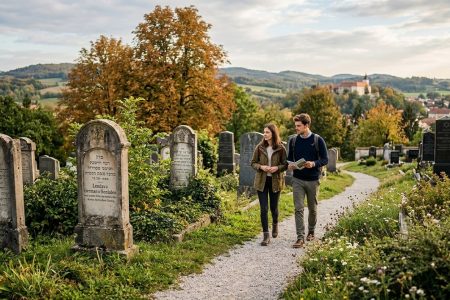
    What Happened to Slovenia’s Jewish Cemeteries? A Preservation Journey

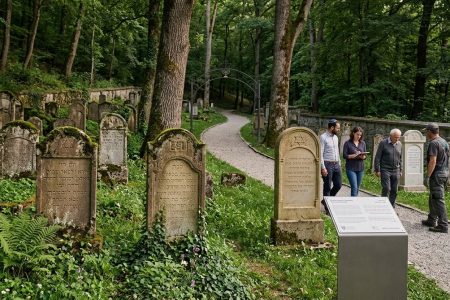
    Jewish cemeteries in Slovenia are silent witnesses to a vibrant past. Over time, many of these sacred sites faced neglect, vandalism, or decay. Today, preserving them has become a vital mission for communities, historians, and heritage advocates. Protecting these cemeteries means more than safeguarding stone and soil; it preserves stories, cultural identity, and a tangible connection to Slovenia’s diverse history. Understanding how to care for and restore these sites is essential for future generations to appreciate this rich heritage.

    Key Takeaway

    Preserving Slovenia’s Jewish cemeteries involves coordinated efforts that include assessment, cleanup, restoration, and community engagement. These steps ensure the sites remain meaningful, protected, and accessible for generations to come, maintaining a vital link to Slovenian Jewish history.

    The Significance of Jewish Cemeteries in Slovenia

    Jewish cemeteries serve as enduring symbols of resilience and history. Many of these sites date back centuries and contain gravestones that reflect the diverse origins of the Slovenian Jewish community. They tell stories of migration, cultural exchange, and community life. Unfortunately, decades of neglect and societal changes have threatened their preservation. Restoring and maintaining these cemeteries is crucial for honoring ancestors and safeguarding Slovenia’s multicultural past.

    Challenges Facing Slovenia’s Jewish Heritage Sites

    Like many historic sites, Jewish cemeteries face multiple challenges. Urban expansion, neglect, vandalism, and natural decay have led to deterioration. Some cemeteries are located in remote areas, making them vulnerable to vandalism or theft. Others suffer from environmental factors such as weathering or plant overgrowth. Additionally, political and social shifts have at times limited access or funding for preservation efforts, making community involvement all the more essential.

    Practical Steps for Cemetery Preservation

    Protecting Slovenia’s Jewish cemeteries involves a series of coordinated actions. Here are the key steps:

    1. Assessment and Documentation
      Begin with a thorough survey of the site. Record the condition of gravestones, fences, pathways, and surrounding areas. Use photographs and detailed notes to create an inventory. This documentation provides a baseline for planning restoration work and tracking progress over time.

    2. Cleanup and Maintenance
      Remove debris, overgrown vegetation, and any vandalism damage. Clearing the site helps reveal the gravestones and makes future work easier. Regular maintenance, such as trimming plants and cleaning stones gently, prevents further deterioration.

    3. Restoration and Repair
      Repair damaged gravestones, reset fallen stones, and restore fences or memorial markers. Use traditional techniques and materials compatible with the original construction. Always seek expert advice to avoid causing further harm.

    4. Community Engagement and Advocacy
      Local communities, descendants, and heritage groups play a vital role. Organize volunteer days, educational tours, and awareness campaigns. Engaging the public fosters a sense of ownership and encourages ongoing care.

    Practical Techniques and Common Mistakes

    Technique What to Do Common Mistake
    Gentle cleaning Use soft brushes and water Using harsh chemicals or power washers
    Stone repair Employ compatible materials, avoid cement Using inappropriate adhesives
    Vegetation control Remove invasive plants carefully Over-pruning or damaging gravestones
    Fencing restoration Match original materials and style Using modern materials that clash

    “Preservation requires patience and respect. Each stone tells a story, and our job is to listen carefully before acting.” — Heritage preservation expert

    Techniques and Pitfalls in Cemetery Restoration

    Maintaining the integrity of these sites demands careful planning. For example, restoring gravestones with unsuitable materials can cause further damage. It is vital to distinguish between what is repairable and what needs professional intervention. Avoid rushing restoration work. Instead, focus on gentle cleaning, accurate stabilization, and engaging specialists when needed. Proper documentation during every step ensures transparency and helps future preservation efforts.

    Common Mistakes in Preservation

    • Using inappropriate cleaning agents that damage stone surfaces
    • Overgrowth of plants that obscure gravestones or cause structural damage
    • Ignoring environmental factors like water runoff that can erode foundations
    • Lack of community involvement, leading to neglect or vandalism

    How Communities Are Rebuilding Connections

    Across Slovenia, local groups and the Jewish community are actively working to preserve and revitalize cemeteries. Initiatives include volunteer cleanup days, fundraising for restoration projects, and educational programs. These efforts foster a shared sense of responsibility and ensure that the sites are respected and maintained.

    Involving descendants and historians enriches the preservation process. For some sites, digital reconstructions and virtual tours help raise awareness and attract support. The combination of community dedication and professional expertise is key to long-term success.

    The Role of Education and Awareness

    Raising awareness about the importance of these cemeteries encourages respect and support. Schools, cultural institutions, and heritage organizations can organize visits and workshops. Sharing stories of those buried helps humanize the sites and highlights their significance.

    Online platforms and social media also play a role. Sharing before-and-after photos or stories about preservation projects can inspire others to get involved. Building a network of passionate advocates is vital for ongoing care.

    How To Get Involved in Preservation Efforts

    Individuals interested in supporting Slovenia Jewish cemeteries preservation can consider the following:

    • Volunteer for local cleanup events
    • Donate to organizations working on heritage projects
    • Advocate for governmental support and funding
    • Educate others about the importance of these sites
    • Respect signage and property during visits

    Every small action contributes to the larger effort of safeguarding Slovenian Jewish heritage.

    Connecting Past and Future Through Preservation

    Preserving Jewish cemeteries in Slovenia is more than restoring stones or fences. It is about honoring ancestors, maintaining cultural diversity, and ensuring that future generations can learn from these historic sites. Every effort, big or small, helps keep these silent witnesses alive and meaningful.

    Engaging with local communities, respecting the site’s history, and implementing careful restoration techniques transform neglected spaces into vibrant reminders of Slovenia’s multicultural story. These sites deserve thoughtful care and ongoing attention, enriching our shared heritage.

    Taking Practical Steps Today

    If you are passionate about heritage preservation, consider starting by learning more about local cemeteries or volunteering with heritage organizations. Small actions like planting native flora or reporting vandalism can make a significant difference. Remember, preservation is a continuous journey that benefits from patience, respect, and community spirit.

    By working together, we can ensure that Slovenia’s Jewish cemeteries remain protected and cherished for generations to come. Their stories are part of Slovenia’s broader history — and they deserve our care.

  • 5 Influential Slovenian Jewish Families Who Shaped Modern Slovenia

    5 Influential Slovenian Jewish Families Who Shaped Modern Slovenia

    Jewish families have played a significant role in shaping the history and culture of Slovenia. Their stories are woven into the fabric of the country’s development, influencing everything from commerce and arts to community life. Understanding the roots and contributions of Slovenian Jewish families offers a window into the nation’s diverse heritage. These families have navigated complex histories, often overcoming adversity, and their legacy continues to inspire those interested in Slovenian Jewish heritage today.

    Key Takeaway

    The history of Slovenian Jewish families is a testament to resilience and influence, with many families contributing to Slovenia’s cultural, economic, and social fabric. Their stories highlight a rich heritage that continues to shape the country’s identity today.

    The roots of Slovenian Jewish communities

    Jewish presence in Slovenia dates back centuries, with records indicating settlements as early as the medieval period. These early Jewish communities played vital roles in trade, crafts, and finance. Over the centuries, the families established roots in various Slovenian towns, notably Ljubljana, Maribor, and Celje. Their contributions helped foster economic growth and cultural diversity.

    Many of these families were involved in merchant activities, importing and exporting goods across Europe. They also contributed to the development of local industries and supported community institutions like synagogues and schools. Despite facing periods of discrimination and upheaval, their resilience allowed them to maintain their heritage and influence.

    Influential Jewish families shaping modern Slovenia

    Several families have left a profound mark on Slovenian history. Their stories reflect a mix of entrepreneurship, cultural patronage, and community leadership. Here are some of the most notable families:

    The Levy Family

    The Levy family was among the most prominent in Ljubljana. They established successful businesses in trade and finance and were active supporters of Jewish community institutions. Their influence extended into social and cultural spheres, helping preserve Jewish traditions during turbulent times.

    The Kohn Family

    Known for their contributions to education and philanthropy, the Kohn family played a vital role in establishing schools and cultural centers. Their efforts helped sustain Jewish life in Slovenia and fostered intercultural dialogue.

    The Weiss Family

    This family was instrumental in Slovenian arts and business. Their involvement in commerce connected Slovenia with wider European markets, and they supported local artists and cultural initiatives.

    The Goldstein Family

    A family with deep roots in community service, the Goldstein family contributed significantly to Jewish religious life and charity work. Their legacy includes supporting social programs and maintaining religious traditions.

    How Slovenian Jewish families influenced the country’s development

    The influence of these families goes beyond individual achievements. They helped shape Slovenia’s social fabric by fostering community resilience and cultural diversity. Their entrepreneurial spirit contributed to economic growth, while their support of arts and education enriched Slovenian culture.

    Many of these families faced challenges during times of upheaval, such as World War II and the Holocaust. Their perseverance ensured the survival of Jewish traditions and their continued impact on Slovenian society.

    Practical steps for researching Slovenian Jewish families

    If you are interested in uncovering more about these families or tracing your own roots, consider these steps:

    1. Start with local archives and genealogical records. Many Slovenian towns have archives documenting Jewish community members.
    2. Visit synagogues and community centers that often hold historical documents and personal stories.
    3. Explore online databases dedicated to Jewish genealogy, which can provide valuable information on family histories.
    4. Consult local historians or Jewish heritage organizations for guidance and in-depth research.

    Common techniques and pitfalls in family history research

    Technique Mistake to avoid
    Using primary sources Relying solely on oral histories which may be biased or incomplete
    Cross-referencing records Ignoring conflicting information within different sources
    Visiting local archives Overlooking smaller, less obvious collections like personal letters or photographs
    Consulting family members Assuming memory is always accurate without corroboration

    “Researching Jewish family histories requires patience and attention to detail. Combining multiple sources and verifying information ensures a clearer picture of your heritage,” advises historian Dr. Anna Novak.

    Preserving and honoring Slovenian Jewish legacy

    Today, efforts continue to preserve the stories of Slovenian Jewish families. Museums, memorials, and cultural events celebrate their legacy. Education programs aim to inform new generations about their heritage and the importance of cultural diversity.

    Community organizations work tirelessly to safeguard historical sites and promote awareness. These initiatives ensure that the contributions of Jewish families remain an integral part of Slovenia’s national narrative.

    Connecting past and present

    Understanding the history of Slovenian Jewish families offers valuable insights into the resilience and richness of Slovenian society. Their stories remind us of the importance of diversity, community, and perseverance. Sharing these histories helps foster respect and appreciation for cultural heritage.

    For those interested in learning more, resources such as local archives, historical societies, and online genealogical platforms can be invaluable. Visiting Slovenia’s Jewish heritage sites and engaging with community organizations provides a tangible connection to this vibrant history.

    Embracing your heritage and community

    Whether you are a researcher, student, or simply curious about Slovenian Jewish families, uncovering their stories can be a rewarding journey. It deepens understanding of Slovenia’s complex history and highlights the enduring strength of its diverse communities. By exploring these narratives, you become part of a wider effort to preserve and celebrate cultural heritage.

    Remember, your own family history might intersect with these stories in unexpected ways. Taking the time to investigate and document your family’s past can be a meaningful step towards honoring Slovenian Jewish legacy.

    Let this history inspire you to connect with your roots, support cultural preservation, and appreciate the diverse fabric that makes Slovenia unique.