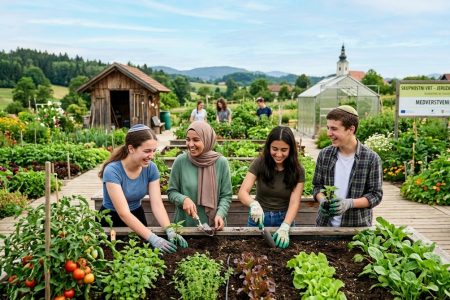
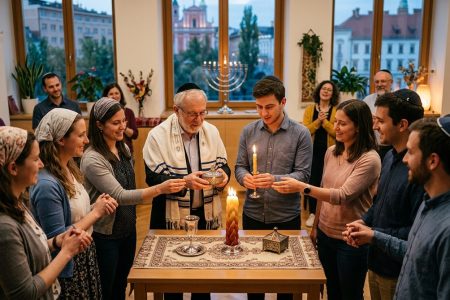
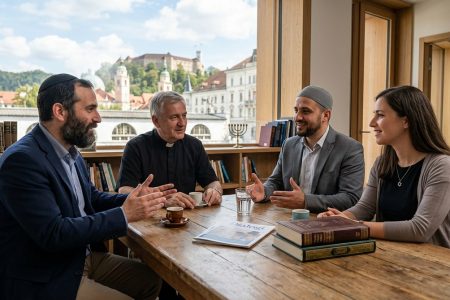
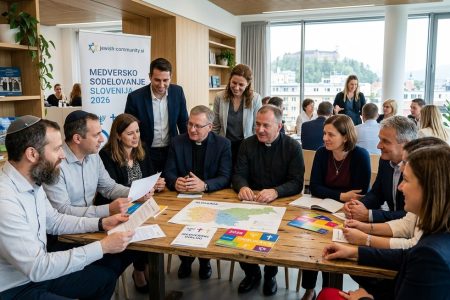
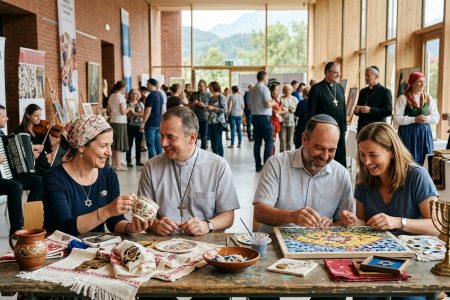
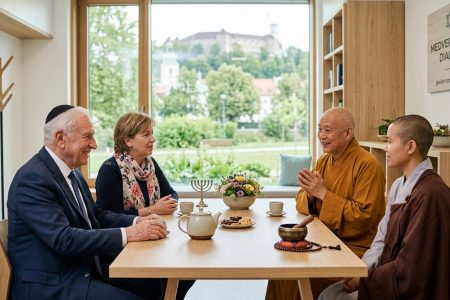
Cooking holds a special place in every community. It’s a way to connect, to share stories, and to celebrate cultural identity. In Slovenia, a country rich with diverse religious and cultural influences, food becomes a bridge for understanding and friendship. The Interfaith Cookbook Slovenia is more than just a collection of recipes; it’s a heartfelt project that brings religious communities around the same table. This initiative exemplifies how sharing culinary traditions can foster respect, unity, and mutual appreciation among different faiths.
The significance of the interfaith culinary project in Slovenia
Slovenia’s history is woven with diverse religious influences, including Catholic, Jewish, Muslim, and Orthodox communities. These groups have contributed unique traditions, stories, and flavors to Slovenian cuisine. Yet, for many years, these culinary traditions remained separate, often tied to specific religious celebrations or community gatherings. The Interfaith Cookbook Slovenia aims to change that.
By documenting and sharing recipes from various faiths, the project encourages dialogue and understanding. It invites community members to step into each other’s kitchens, taste new flavors, and learn about the cultural significance behind each dish. Cooking together or simply sharing stories about traditional foods helps break down stereotypes and builds bonds rooted in respect.
How the project nurtures interfaith dialogue through food
Food has a universal language. It speaks of history, identity, and values. The Interfaith Cookbook Slovenia uses this universal language to foster conversations that might otherwise be difficult.
Practical steps to creating an interfaith cookbook
-
Gather diverse recipes
Reach out to community members from different faith backgrounds. Collect traditional dishes tied to religious holidays, rites of passage, or everyday life. This can include Jewish challah, Muslim baklava, or Slovenian Christian pastries. -
Share stories and cultural context
Encourage contributors to include stories behind their recipes. Explain the significance of ingredients, preparation methods, or the occasions when these dishes are served. This personalizes the recipes and deepens understanding. -
Compile, test, and document
Organize the recipes into a well-structured cookbook. Test each dish to ensure clarity and accessibility. Add photographs, tips, and historical notes to enrich the content.
Making the cookbook accessible and engaging
- Use friendly language that invites everyone to try making these dishes at home.
- Include tips on sourcing ingredients locally or adapting recipes for dietary restrictions.
- Host community cooking events to try recipes together, turning the book into an interactive experience.
The impact of sharing culinary traditions
Sharing recipes fosters empathy. It helps community members see beyond their own traditions and appreciate the beauty in others’ customs. For example, understanding the significance of a Jewish holiday like Passover can inspire curiosity about other religious observances. The cookbook creates a space where stories and flavors intertwine, strengthening bonds across religious lines.
Techniques for documenting and sharing recipes effectively
Successful recipe sharing requires clarity and cultural sensitivity. Here are some techniques to consider:
| Technique | Mistakes to Avoid |
|---|---|
| Use simple, step-by-step instructions | Overloading instructions with jargon or vague steps |
| Include cultural notes and stories | Omitting the historical or religious significance of dishes |
| Use high-quality photographs | Relying solely on textual descriptions |
| Test recipes with community volunteers | Ignoring dietary or ingredient accessibility issues |
Expert advice on intercultural culinary storytelling
“When documenting recipes from different faiths, it’s vital to respect their cultural and religious contexts. Including stories about why a dish is meaningful makes the recipes come alive and fosters genuine understanding.”
Building bridges through shared culinary experiences
The Interfaith Cookbook Slovenia is not just about food. It’s about creating opportunities for dialogue, friendship, and community building. Cooking events, potlucks, and workshops based on the cookbook can turn recipe sharing into meaningful gatherings.
Practical ideas for community engagement
- Organize interfaith cooking nights where participants prepare dishes from different traditions.
- Host storytelling sessions where community members share the significance of their recipes.
- Develop cooking classes that highlight the history and cultural background of each dish.
- Publish the cookbook in multiple languages to reach wider audiences.
Benefits for communities
Engaging with each other’s culinary traditions helps dispel misconceptions. It nurtures respect for different practices and traditions. It also creates opportunities for collaboration, such as joint religious celebrations or cultural festivals centered on food.
Preserving and honoring culinary heritage
Documenting recipes helps preserve the culinary heritage of minority communities, especially in a modern context where traditions risk fading. The Interfaith Cookbook Slovenia acts as a cultural archive, ensuring that the stories behind dishes are passed down to future generations.
Techniques for preserving culinary stories
- Record oral histories from community elders about traditional recipes and their significance.
- Include historical context within the cookbook to show how recipes evolved.
- Encourage families to share their recipes and stories regularly.
Mistakes to avoid in preservation efforts
| Mistake | Solution |
|---|---|
| Relying only on written recipes | Incorporate oral histories and personal stories |
| Overlooking regional variations | Highlight different versions of the same dish |
| Ignoring contemporary adaptations | Include modern twists to keep traditions alive |
The future of interfaith culinary projects in Slovenia
The Interfaith Cookbook Slovenia demonstrates how food can be a catalyst for dialogue and unity. It sets a model for other communities to follow. As the project grows, it can expand into digital platforms, interactive apps, or regional festivals celebrating religious diversity through food.
Final thoughts for fostering unity through cuisine
By sharing recipes and stories, communities in Slovenia are building bridges that go beyond words. Each dish becomes a symbol of respect and friendship. Everyone can participate by trying new recipes, hosting gatherings, or simply listening to the stories behind the flavors.
Bringing different traditions together through cooking reminds us that common ground exists at the table. As the Interfaith Cookbook Slovenia shows, food is a powerful tool for connection and understanding. So, gather your family or community, pick a recipe from another faith, and start a conversation over a pot of something delicious. The bonds you create might just become the most meaningful ingredients in your shared story.