Category: Jewish Food and Cuisine

  • Can You Keep Kosher in Slovenia? Navigating Jewish Dietary Laws in a Small Community

    Can You Keep Kosher in Slovenia? Navigating Jewish Dietary Laws in a Small Community

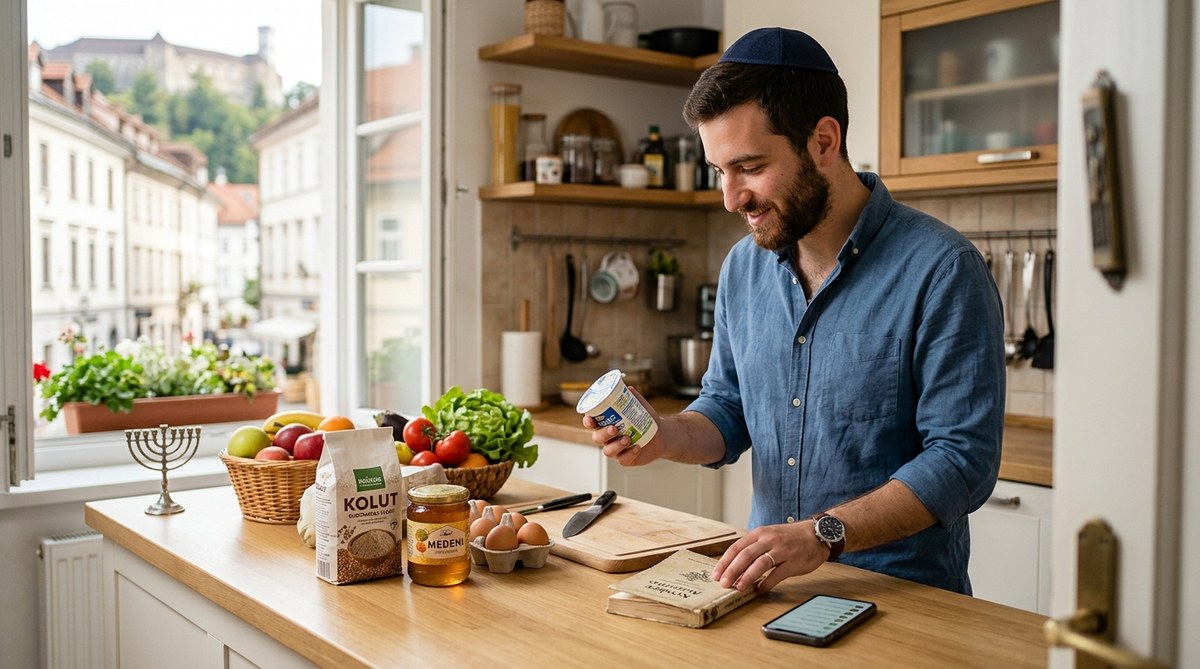
    Jewish travelers and residents often face unique challenges when trying to keep kosher while in Slovenia. While the country may not have the same abundance of kosher-certified establishments as some larger nations, it is possible to maintain dietary laws with a bit of planning. Whether you’re visiting Ljubljana or exploring smaller towns, understanding local options and how to prepare your own meals will help you stay true to your practices. This guide will walk you through practical steps, tips, and insights for enjoying kosher food in Slovenia comfortably.


    Key Takeaway

    In Slovenia, maintaining kosher food is doable with careful planning. Find local resources, prepare your own meals, and connect with the community for a smooth experience during your stay or visit.

    Understanding the Kosher Landscape in Slovenia

    Slovenia’s Jewish community is small but vibrant. The historical roots of Jewish life in the country date back centuries, especially in Ljubljana. Today, the community primarily consists of descendants and those actively practicing Judaism. While kosher-certified restaurants and stores are limited, the community and local businesses often cooperate to support kosher needs.

    Most kosher food options are found in Ljubljana, where a few kosher supermarkets or shops may stock essentials. In smaller towns, it is more common to rely on self-prepared meals or imported kosher products. The key is to plan ahead, especially when traveling to remote areas or staying for an extended period.

    How to Find or Prepare Kosher Food in Slovenia

    Maintaining kosher in Slovenia involves a combination of sourcing suitable ingredients and preparing meals that adhere to Jewish dietary laws. Here are practical steps to do so:

    1. Research Local Kosher Resources

    Start by connecting with the Jewish community in Ljubljana. They can provide valuable information about kosher shops, suppliers, or restaurants that cater to kosher needs. Some community centers or synagogues may have partnerships with local stores or can recommend trusted sources.

    2. Import and Stock Kosher Products

    Since options are limited, consider bringing along non-perishable kosher foods for your stay. Items like canned goods, dry pasta, spices, and snacks are often available through online kosher stores that ship to Slovenia. Check with international kosher suppliers for reliable delivery options.

    3. Prepare Your Own Meals

    Cooking your own meals is the most straightforward way to ensure adherence to kosher rules. Here are some tips to set up a kosher kitchen in Slovenia:
    – Use separate utensils and cookware for meat and dairy.
    – Keep kosher ingredients in clearly labeled containers.
    – Purchase kosher meat from trusted sources or import frozen meat if available.
    – Use local produce and grains, which are generally kosher if properly handled.

    4. Understand Local Food Laws and Practices

    Slovenia follows EU food regulations, but kosher certification is not widely prevalent. Always verify that imported products are certified kosher or meet kosher standards. Be cautious with processed foods, checking labels carefully for certification marks.

    5. Connect with the Community for Support

    Engaging with Slovenian Jewish groups can provide support, especially during holidays or special occasions. They might organize communal meals or festivals where kosher food is available.


    Practical Tips for Keeping Kosher in Slovenia

    • Bring essentials: Pack staples like kosher salt, spices, and shelf-stable foods.
    • Label your supplies: Keep your kosher items separate and clearly marked.
    • Cook in batches: Prepare larger quantities to minimize the need for frequent shopping.
    • Learn local ingredients: Slovenian cuisine uses many fresh vegetables, grains, and meats that can be incorporated into kosher cooking.
    • Use technology: Apps and online resources can help identify kosher establishments or products in Slovenia.

    Common Mistakes to Avoid

    Mistake Explanation How to Avoid
    Mixing meat and dairy Cross-contamination invalidates kosher laws Use separate utensils and storage
    Assuming all local produce is kosher Non-certified produce may not meet kosher standards Verify sourcing or import when possible
    Relying on non-certified processed foods They may contain non-kosher additives Read labels carefully or prepare from scratch

    Expert Advice on Keeping Kosher Abroad

    “Maintaining kosher while traveling requires flexibility and resourcefulness. Building relationships with local community members can open doors to meals, ingredients, and support. Planning ahead ensures a smooth experience and keeps your dietary practices intact,” advises Rabbi Eli Greenberg, a community leader with experience in Jewish travel.

    Connecting with the Slovenian Jewish Community

    The Ljubljana Jewish community is welcoming and active. They host events, Shabbat dinners, and holiday celebrations that often include kosher options. Contacting them ahead of your trip can provide insights into available resources and community gatherings. Their website or social media pages are excellent starting points for staying connected.

    Embracing Slovenian Culinary Traditions

    While maintaining strict kosher practices, you can still enjoy Slovenian flavors by adapting recipes. Incorporate local ingredients like fresh herbs, root vegetables, and grains into your meals. Preparing traditional dishes with kosher substitutions or using locally sourced produce can make your stay both authentic and compliant.

    Final Thoughts: Making the Most of Your Kosher Journey in Slovenia

    Keeping kosher in Slovenia is entirely feasible with a bit of planning and community engagement. Whether you are visiting Ljubljana or exploring smaller towns, knowing where to source ingredients, how to prepare your own meals, and who to contact within the community will make your experience smoother. Embrace the local culture, enjoy Slovenian hospitality, and stay true to your dietary laws. Your journey can be enriching and fulfilling, blending tradition with new experiences.

    A practical approach to kosher living in Slovenia

    Remember, the key to maintaining your kosher lifestyle abroad is preparation. Pack wisely, connect with local community members, and stay open to adapting traditional recipes with Slovenian ingredients. With these strategies, you can enjoy your time in Slovenia while honoring your dietary laws.

  • Jewish Holiday Foods Throughout the Year: A Culinary Calendar from Rosh Hashanah to Purim

    Jewish Holiday Foods Throughout the Year: A Culinary Calendar from Rosh Hashanah to Purim

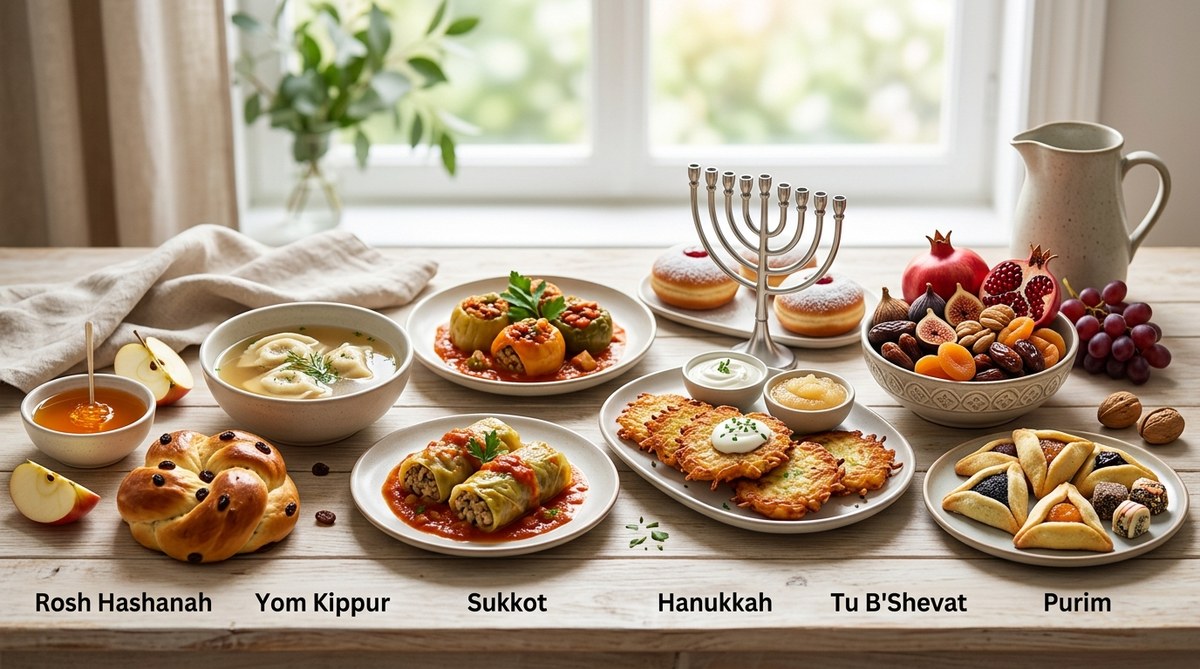
    Jewish holidays are rich in history, meaning, and, of course, food. Each celebration brings its own set of traditional dishes that connect us to generations past and add flavor to our current observances. From the sweet apples and honey of Rosh Hashanah to the festive hamantaschen of Purim, understanding the culinary calendar helps deepen your connection to Jewish culture. Whether you’re a seasoned cook or just starting to explore holiday traditions, knowing what foods are associated with each event makes your celebrations more meaningful and delicious.

    Key Takeaway

    A Jewish holiday foods calendar guides you through the year, highlighting traditional dishes for each celebration. This knowledge enhances your experience and helps preserve cultural heritage while making holiday meals more special.

    Understanding the Jewish holiday foods calendar

    The Jewish calendar is filled with holidays that each carry unique culinary customs. These foods are more than just ingredients; they symbolize hopes, blessings, and historical events. Learning about the foods associated with each holiday can help you prepare traditional dishes, teach the next generation, and feel more connected during your observance.

    Major Jewish holidays and their signature foods

    Rosh Hashanah: Starting the Year with Sweetness

    Rosh Hashanah marks the Jewish New Year and is celebrated with foods that symbolize sweetness and prosperity. Apples dipped in honey are a staple, representing the wish for a sweet year. Pomegranates are also popular, as their many seeds symbolize fertility and abundance.

    Traditional foods include:

    • Apples and honey
    • Pomegranate seeds
    • Round challah bread, symbolizing continuity and the cycle of the year
    • Fish head or tail to symbolize leadership and a good beginning

    Sukkot: Celebrating the Feast of Tabernacles

    Following Rosh Hashanah, Sukkot commemorates the wandering in the desert. It’s a harvest festival, and foods are often seasonal produce like squash, eggplants, and gourds.

    Key foods are:

    • Stuffed vegetables, such as stuffed peppers or zucchini
    • Fruit salads with seasonal fruits
    • Sukkah-specific baked goods, often featuring honey or apples

    Hanukkah: The Festival of Lights

    Hanukkah’s foods are characterized by their fried nature, symbolizing the miracle of the oil that lasted eight days. The most iconic dish is latkes, crispy potato pancakes. Sufganiyot, jelly-filled doughnuts, are also a favorite.

    Hanukkah treats include:

    • Potato latkes
    • Sufganiyot (jelly doughnuts)
    • Brisket and other slow-cooked meats
    • Gelt chocolates

    Tu B’Shevat: The New Year for Trees

    This holiday celebrates renewal and the environment with foods that are tree-based. Fruits such as figs, dates, and olives are central.

    Common foods are:

    • Dried fruits and nuts
    • Fruit platters
    • Tree-themed salads and dishes

    Purim: Celebrating with Joy and Masks

    Purim is a festive holiday marked by giving gifts, reading the Megillah, and enjoying sweet treats. Hamantaschen, triangular cookies filled with fruit preserves or poppy seeds, are the hallmark.

    Purim foods include:

    • Hamantaschen in various flavors
    • Treyf (non-kosher) delicacies are sometimes enjoyed, but many communities stick to traditional treats
    • Festive meals often include meat or vegetarian dishes

    Passover: Commemoration and Freedom

    Passover’s food traditions are deeply tied to the story of the Exodus. Matzah, unleavened bread, is central, symbolizing haste. The holiday meal includes brisket, charoset (a sweet fruit paste), and vegetables.

    Key Passover foods:

    • Matzah and matzah ball soup
    • Charoset
    • Gefilte fish
    • Roasted vegetables
    • Saltwater for dipping

    Shavuot: The Festival of the Giving of the Torah

    Shavuot is associated with dairy foods to symbolize the Torah’s nourishment. Cheesecake, blintzes, and cheeseburgers are common.

    Popular dishes are:

    • Cheesecake
    • Blintzes (thin pancakes filled with cheese)
    • Dairy salads and spreads

    Yom Kippur: Day of Atonement

    Yom Kippur is a day of fasting. The pre-fast meal is hearty and filling, often including bread, eggs, and fish. After the fast, a light break-fast meal is customary.

    Pre-fast foods:

    • Challah bread
    • Fish
    • Fruits and vegetables

    Post-fast meal:

    • Light soups
    • Bagels and cream cheese
    • Fresh fruits

    Sigd: The Ethiopian Jewish Holiday

    Celebrated with communal prayers and foods like injera (flatbread) and stews such as doro wat, a spicy chicken stew.

    Practical steps for celebrating with traditional foods

    1. Plan your menu early. Knowing the signature dishes helps you prepare ahead.
    2. Source seasonal ingredients. Fresh fruits and vegetables reflect the holiday’s themes.
    3. Involve family and friends. Cooking together makes traditions more meaningful.
    4. Practice kashrut. Ensure your ingredients and methods comply with dietary laws.
    5. Get creative. Adapt traditional recipes to your taste and dietary needs.

    Techniques and common mistakes in holiday cooking

    Technique Mistake to Avoid
    Frying latkes at the right temperature Burning or soggy latkes due to incorrect heat
    Using fresh ingredients Dull flavors from old or stale produce
    Properly sealing hamantaschen Filling leaking during baking
    Ensuring kosher preparation Cross-contamination with non-kosher items

    An expert chef advises, “The secret to perfect holiday dishes is patience. Respect the traditional methods, but don’t be afraid to add your personal touch.”

    Connecting the culinary dots throughout the year

    Understanding the foods associated with Jewish holidays transforms your celebrations. It offers a chance to teach children about history, share meaningful moments with loved ones, and keep traditions alive. Whether you are baking challah for Rosh Hashanah or frying latkes during Hanukkah, each dish is a celebration of heritage.

    Carrying tradition into everyday life

    Incorporating holiday foods into your daily routine can turn even ordinary meals into opportunities for connection. For example, enjoying seasonal fruits on a weekday or making a special Shabbat challah helps keep your cultural roots vibrant. The more you learn about these foods, the more naturally they will become part of your life.

    Celebrating the culinary journey of the Jewish calendar

    Traditional foods are more than just recipes; they are stories, symbols, and bonds that tie generations together. As you explore the Jewish holiday foods calendar throughout the year, you’ll find each celebration offers a chance to gather, reflect, and enjoy. Embrace these traditions with enthusiasm and creativity.

    Warming up your kitchen for the year ahead

    Starting with a solid understanding of the foods linked to each holiday makes your celebrations more authentic and joyful. Gather family recipes, learn new techniques, and experiment with seasonal ingredients. Remember, every dish is an opportunity to connect with your heritage and create lasting memories.

    Happy cooking and celebrating!

  • Baking Challah with Slovenian Flour: A Step-by-Step Recipe for Perfect Sabbath Bread

    Baking Challah with Slovenian Flour: A Step-by-Step Recipe for Perfect Sabbath Bread

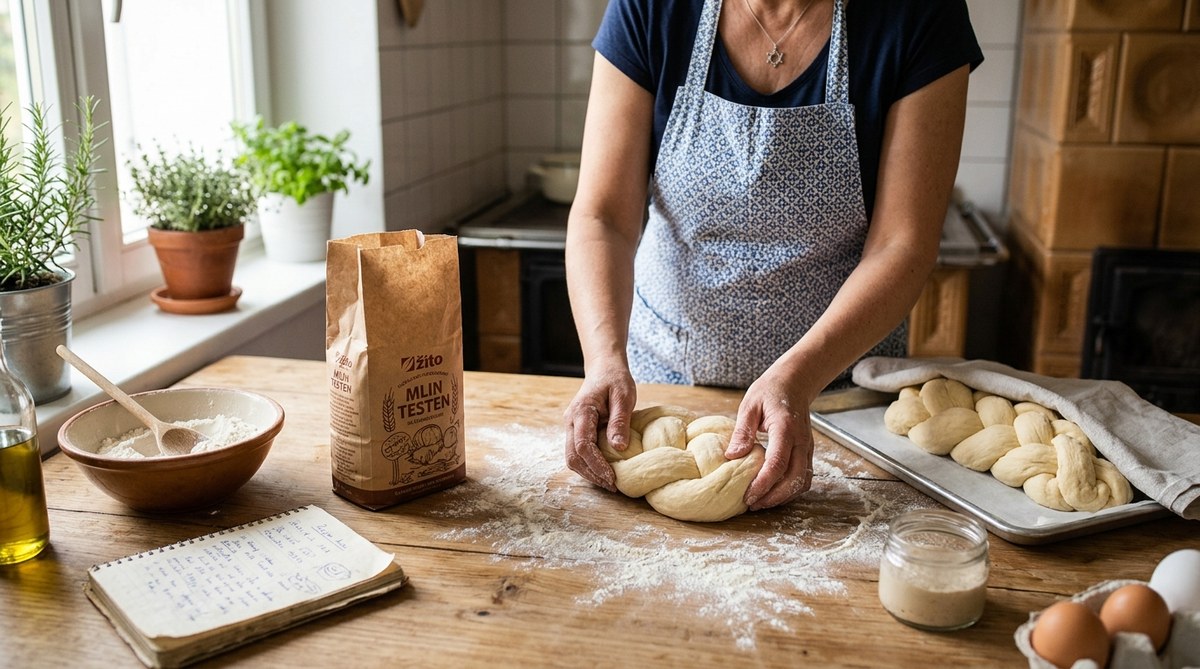
    Baking challah with Slovenian flour offers a delightful way to blend tradition with a touch of Slovenian culinary charm. This recipe elevates your Sabbath table with a soft, flavorful bread that showcases the unique qualities of Slovenian wheat. Whether you are a seasoned home baker or new to challah making, this guide walks you through every step to create a stunning loaf. The result is a fragrant, golden challah that’s perfect for sharing with family and friends or enjoying on your own.

    Key Takeaway

    Using Slovenian flour for challah adds a unique texture and flavor characteristic of Slovenian wheat. Follow these simple steps to craft a beautiful, soft Sabbath bread that connects tradition with Slovenian harvests and baking techniques.

    Why Choose Slovenian Flour for Challah?

    Slovenian flour, particularly from local wheat varieties, is known for its high protein content and excellent baking qualities. Its rich, hearty flavor enhances the traditional challah, giving it a slightly nuttier and more robust taste. Slovenian wheat is often grown organically and harvested with care, which translates into a superior flour that can make your bread stand out.

    Using Slovenian flour also supports sustainable farming practices and helps preserve traditional Slovenian wheat varieties. When incorporated into challah, it transforms an everyday bread into a celebration of Slovenian agricultural heritage. This approach makes for a meaningful baking experience, especially for those who value quality ingredients and cultural connection.

    Gathering Your Ingredients and Equipment

    Before you start, ensure you have these ingredients ready:

    • Slovenian wheat flour (preferably bread flour)
    • Active dry yeast or fresh yeast
    • Warm water
    • Honey or sugar
    • Eggs
    • Olive oil or melted butter
    • Sea salt

    You will also need:

    • A large mixing bowl
    • A dough scraper or spatula
    • A clean kitchen towel or plastic wrap
    • A baking sheet or loaf pan
    • A pastry brush for glazing
    • Oven thermometer (optional, but helpful)

    Make sure all ingredients are at room temperature for best results. Using high-quality Slovenian flour is key to achieving the perfect texture and flavor.

    Step-by-Step Guide to Baking Slovenian Flour Challah

    Follow these instructions to create your own Sabbath bread infused with Slovenian wheat goodness.

    1. Activate the yeast

    In a small bowl, combine warm water (about 110°F or 43°C) with a teaspoon of honey or sugar. Sprinkle the yeast over the surface and let it sit for about five minutes until it becomes frothy. This step confirms the yeast is active and ready to work.

    2. Mix the dough

    In a large bowl, whisk together the Slovenian flour and salt. Create a well in the center and add the activated yeast mixture, eggs, and oil or melted butter. Using a spatula or your hands, mix until the ingredients come together to form a sticky dough.

    3. Knead and ferment

    Turn the dough onto a lightly floured surface. Knead it for about ten minutes until it becomes smooth and elastic. If the dough sticks too much, sprinkle a little more flour, but avoid adding too much to keep the bread tender.

    Place the kneaded dough in a greased bowl. Cover it with a damp cloth or plastic wrap. Let it rise in a warm spot for about 1.5 hours or until it doubles in size.

    4. Shape and second rise

    Gently punch down the dough to release excess air. Divide it into three equal parts for braiding or shape it into a single loaf. Place the shaped dough on a baking sheet lined with parchment paper.

    Cover again and let it rise for another 30 to 45 minutes. During this time, the dough will expand and develop a light, airy texture.

    5. Bake to perfection

    Preheat your oven to 375°F (190°C). Brush the top of the challah with an egg wash (beaten egg mixed with a teaspoon of water) for a shiny, golden crust.

    Bake the challah for about 25 to 30 minutes. Keep an eye on it to prevent over-browning. The bread is done when it sounds hollow when tapped on the bottom and has a beautiful golden color.

    6. Cool and serve

    Allow the challah to cool on a wire rack for at least 15 minutes before slicing. This helps the crumb set and makes slicing easier. Serve slices with your favorite spreads or enjoy plain.

    Techniques and Common Mistakes

    Technique Mistake to Avoid
    Properly activating yeast Using water that’s too hot or cold, which kills yeast
    Kneading until elastic Not kneading enough, resulting in dense bread
    Allowing proper fermentation Rushing the rise, leading to flat loaf
    Brushing with egg wash Skipping this step, resulting in dull crust
    Baking at correct temperature Opening oven too early, causing deflation

    Expert Advice on Perfect Challah

    “Patience during fermentation is key. The longer the dough rises, the better its flavor and texture will be. Slovenian flour lends a hearty backbone, but gentle handling keeps the bread tender.” — Jewish baking expert

    Troubleshooting Your Slovenian Flour Challah

    • If your bread turns out dense, check your yeast activation process. Fresh yeast or well-activated dry yeast makes a big difference.
    • For a softer crumb, consider adding a little milk instead of water or incorporating a touch more fat.
    • If the crust isn’t golden enough, increase the oven temperature slightly or brush with egg wash more generously.

    Elevating Your Baking Experience

    Feel free to experiment with different shapes or add toppings like sesame or poppy seeds before baking. You can also incorporate herbs or garlic into the dough for a savory twist. Using Slovenian flour creates a unique foundation that pairs beautifully with these variations.

    Celebrating a Unique Sabbath with Slovenian Flour Challah

    Baking challah with Slovenian flour connects you to a rich agricultural tradition while honoring your heritage or culinary curiosity. It’s a simple act that brings warmth and meaning to your Sabbath meal. With patience and care, your homemade challah becomes more than bread — it’s a symbol of tradition, community, and the joy of baking.

    Taking these steps ensures a beautiful loaf every time. Gather your ingredients, embrace the process, and enjoy the delicious results. Your family and friends will appreciate the effort and the taste of this special Slovenian twist on a classic bread.

  • Why Do Jewish Families Separate Milk and Meat? Understanding the Origins and Practice of Kosher Separation

    Why Do Jewish Families Separate Milk and Meat? Understanding the Origins and Practice of Kosher Separation

    Jewish dietary laws, known as kashrut, guide many aspects of daily life for observant families. One of the most distinctive practices is the separation of milk and meat. This custom might seem simple at first glance, but it carries deep religious, historical, and cultural significance. Understanding why Jewish families keep these foods apart offers a window into centuries-old traditions that continue to shape Jewish identity today.

    The Roots of the Separation

    The primary reason for separating milk and meat comes from the Torah, Judaism’s sacred text. The commandment appears in the Book of Exodus where it states, “You shall not boil a kid in its mother’s milk” (Exodus 23:19). Similar instructions are found in the Book of Deuteronomy (Deuteronomy 14:21). These verses form the basis for the dietary law that prohibits cooking, eating, or benefiting from mixing milk and meat.

    While the phrase might seem straightforward, it has been interpreted in various ways over centuries. Many scholars believe the law was intended to promote ethical treatment of animals and to prevent cruelty. Others see it as a spiritual boundary that distinguishes Jewish dietary practices from those of neighboring cultures.

    The Talmud, a central text of rabbinic Judaism, expands on this commandment. It discusses the prohibition of mixing milk and meat in various contexts, leading to detailed rules about how to keep these foods separate. This includes not only the actual ingredients but also the utensils, cookware, and even the surfaces used for food preparation.

    Practical Reasons for Separation

    Over time, Jewish families developed practical methods to adhere to this law. These practices help prevent accidental mixing, which is considered a serious breach of kashrut. Here are some common ways families separate milk and meat:

    1. Dedicated utensils and cookware: Many kitchens have separate sets of pots, pans, knives, and utensils for dairy and meat. This minimizes the risk of cross-contamination.

    2. Distinct storage areas: Dairy and meat products are stored separately in the refrigerator and pantry.

    3. Waiting periods: After consuming meat, many wait several hours before eating dairy, and vice versa. This practice varies depending on community customs.

    4. Separate dishes and cutlery: Families often have different dishes and cutlery for dairy and meat meals.

    5. Cleaning protocols: Special rules govern how to clean utensils and cookware if they are used for both types of foods, including waiting periods and specific cleaning methods.

    Adhering to these practices helps families stay faithful to their tradition, keeping the spiritual and ritual boundaries intact.

    The Cultural and Spiritual Significance

    Beyond the practical, the separation of milk and meat symbolizes a broader spiritual concept in Judaism. It reflects the idea of maintaining boundaries and distinctions that elevate everyday actions into acts of religious significance.

    “The laws of kashrut serve as a reminder that our everyday choices can be avenues for spiritual mindfulness,” says Rabbi Miriam Cohen, a respected authority on Jewish law. “Separating milk and meat is more than just a dietary rule; it is a way of cultivating discipline, respect, and reverence for our tradition.”

    This practice also fosters a sense of community and shared identity. Families pass down the customs from generation to generation, ensuring that these traditions remain alive.

    How Practicing Families Implement the Separation

    Implementing the separation can vary depending on community customs and individual preferences. Here are some common methods families use:

    1. Using separate kitchens: Some families have completely separate kitchens or even separate homes for dairy and meat.

    2. Color coding: Using different colored dishes or utensils can make it easier to distinguish between dairy and meat items.

    3. Clear labeling: Families often label shelves and containers for quick identification.

    4. Adherence during travel or work: When away from home, families may carry portable sets of dishes or rely on community facilities designed for kosher observance.

    5. Educational efforts: Teaching children from a young age about these laws ensures continuity.

    Each family adapts these practices to their circumstances, but the core principles remain consistent.

    Common Mistakes and How to Avoid Them

    Even with best intentions, mistakes can happen. Here’s a quick look at some pitfalls and how to prevent them:

    Technique Mistake How to Avoid
    Using the same utensils for dairy and meat Cross-contamination Dedicate specific utensils to each, and avoid mixing.
    Storage errors Mixing dairy and meat products Store them in separate containers and areas.
    Not waiting long enough between meals Unintentional mixing Follow community-specific waiting periods to stay compliant.
    Forgetting to clean properly Residual traces Use designated cleaning methods for utensils and dishes.

    By paying attention to these details, families can maintain their kosher standards with confidence.

    Practical Steps to Keep Milk and Meat Separate

    For those beginning to observe these laws, here is a simple step-by-step guide:

    1. Set up dedicated spaces: Assign specific shelves in the fridge and cupboard for dairy and meat.

    2. Use separate dishes: Invest in two sets of dishes, utensils, and cookware if possible.

    3. Create clear routines: Establish cleaning and storage routines that reinforce separation.

    4. Observe waiting periods: Follow local customs for how long to wait between eating meat and dairy.

    5. Educate everyone: Teach children and new household members about the importance of these laws.

    6. Plan ahead: When shopping or preparing meals, double-check that all ingredients and tools are appropriate.

    Following these steps helps make adherence manageable and natural.

    The Broader Significance of the Practice

    The separation of milk and meat exemplifies how religious laws influence daily routines and community life. It is a tangible way for Jewish families to connect with their heritage and uphold their spiritual commitments. While rooted in ancient texts, these practices continue to adapt to modern lifestyles, reflecting both tradition and resilience.

    A Lasting Tradition in Daily Life

    Maintaining the separation of milk and meat offers more than compliance. It cultivates mindfulness, discipline, and a sense of purpose. Each time a family sets the table or cleans the kitchen, they participate in a centuries-old tradition that links them to their ancestors.

    By understanding the origins and significance behind these practices, individuals can appreciate their role in fostering a meaningful, connected Jewish life. Whether you are exploring this for personal knowledge or considering adopting these customs yourself, embracing the practice can deepen your appreciation for Jewish culture and faith.

    Living with Intention Through Dietary Laws

    Incorporating these traditions into daily routines can be straightforward and fulfilling. Start with small steps, like setting up dedicated utensils or learning the waiting periods that suit your community. Over time, these acts become second nature, enriching your spiritual journey and strengthening your connection to a rich cultural heritage.

  • Cholent Meets Slovenian Stew: Adapting Slow-Cooked Jewish Classics with Local Ingredients

    Cholent Meets Slovenian Stew: Adapting Slow-Cooked Jewish Classics with Local Ingredients

    Jewish cuisine has a rich tradition of slow-cooked dishes, with cholent standing out as a beloved comfort food for Shabbat. Imagine blending this hearty stew with the flavors of Slovenia. This regional adaptation respects Jewish culinary roots while incorporating fresh, local ingredients found in Slovenia. The result is a warming, flavorful dish perfect for sharing with family and friends. This recipe not only celebrates tradition but also highlights Slovenia’s diverse, farm-fresh produce.

    Key Takeaway

    This Slovenian-inspired cholent marries traditional Jewish slow-cooking with Slovenian ingredients like sausages, vegetables, and herbs, creating a hearty regional twist on a classic dish.

    Understanding the Charm of a Slovenian-inspired cholent

    A traditional cholent is a slow-cooked Jewish stew prepared before the Sabbath begins, simmered for hours to develop deep flavors. When giving this dish a Slovenian twist, it’s all about using local ingredients such as Slovenian sausages, fresh vegetables, and fragrant herbs. The goal is to craft a dish that’s hearty, flavorful, and easy to prepare in a slow cooker or a heavy pot. This adaptation respects Jewish culinary principles while celebrating Slovenia’s rich produce and culinary traditions.

    Ingredients for a regional twist on cholent

    Creating a Slovenian-inspired cholent starts with selecting the right ingredients:
    – Slovenian sausages, such as klobasa or pečenica, to add smoky, savory flavors
    – Potatoes, carrots, and parsnips, for natural sweetness and body
    – Beans, such as black or white, for protein and texture
    – Onions and garlic for depth of flavor
    – Fresh herbs like parsley, thyme, and bay leaves
    – A splash of Slovenian wine or vegetable broth for richness
    – Optional: pickled vegetables or sauerkraut for authentic regional notes

    Using these ingredients, you can craft a dish that’s both comforting and reflective of Slovenian cuisine.

    How to make a Slovenian-inspired cholent in three simple steps

    1. Prepare your ingredients
      Chop vegetables into bite-sized pieces. Slice Slovenian sausages into thick rounds. Rinse beans and set everything aside. This ensures everything is ready for a seamless cooking process.

    2. Layer in your slow cooker or pot
      In your slow cooker or heavy-bottomed pot, start with beans at the bottom. Add layers of potatoes, carrots, onions, and sausages. Tuck in herbs and garlic. Pour in enough broth or wine to just cover the ingredients.

    3. Slow-cook and season
      Set your slow cooker to low and let the stew cook for several hours. Check for seasoning before serving, adjusting with salt, pepper, and herbs as needed. The long cooking time melds flavors beautifully, creating a hearty Slovenian twist on traditional cholent.

    Key techniques and common mistakes

    Technique Mistake Solution
    Layering ingredients Overmixing during cooking Keep layers intact for even cooking and flavor distribution
    Using fresh herbs Overcooking herbs Add delicate herbs like parsley at the end to preserve flavor
    Covering the stew Leaving lid ajar Keep the lid on for consistent heat and slow simmering

    Expert tip: “Using Slovenian sausages and fresh herbs lifts the dish, giving it regional authenticity. Remember, slow cooking is about patience and layering flavors.” — Culinary historian

    Variations to personalize your Slovenian cholent

    • For a vegetarian version, substitute sausages with smoked tofu or mushrooms.
    • Add Slovenian pickled vegetables for a tangy contrast.
    • Incorporate some Slovenian honey or mustard for a sweet and spicy kick.
    • Use different types of beans to vary texture and flavor.

    Serving your Slovenian-inspired cholent

    This dish is perfect served with crusty Slovenian bread or traditional flatbread. Garnish with fresh herbs for color and aroma. Pair it with a glass of Slovenian white wine or mineral water to highlight the regional flavors. Leftovers taste even better the next day as the flavors deepen overnight.

    Common pitfalls and how to avoid them

    Mistake How to fix it Why it happens
    Using too much water Reduce broth for a thicker stew Overliquefies the dish and dulls flavors
    Not seasoning enough Taste and adjust seasoning before serving Long cooking can mute delicate flavors
    Cooking on high Use low heat for slow, gentle simmering High heat can cause ingredients to break down too quickly

    Practical tips for a perfect Slovenian cholent

    • Use fresh, quality ingredients for vibrant flavor.
    • Prepare ingredients the night before to save time.
    • Keep your cooking vessel covered for steady heat.
    • Adjust cooking time based on the type of meat and vegetables used.
    • Experiment with regional Slovenian ingredients like local herbs or even a splash of Slovenian brandy for a unique touch.

    Why regional adaptations make a difference

    Adapting traditional dishes like cholent with local ingredients brings a new dimension to familiar flavors. It’s a celebration of culinary heritage and regional pride. Incorporating Slovenian produce and herbs into this classic dish not only enhances flavor but also supports local farmers and producers. The result is a dish that’s rooted in tradition yet uniquely Slovenian.

    Embracing the warmth of regional culinary traditions

    Cooking a Slovenian-inspired cholent offers more than just a hearty meal. It’s a way to connect with cultural roots, honor regional ingredients, and enjoy a slow-cooked feast with loved ones. As you experiment with different ingredients and techniques, you deepen your appreciation for both Jewish culinary heritage and Slovenian flavors.

    Sharing warmth through regional flavors

    Gathering around a pot of slow-cooked Slovenian cholent creates a special moment. The aroma alone invites conversation, comfort, and connection. Whether you are celebrating a holiday or simply enjoying a cozy weekend, this dish reminds us of the power of food to bring people together. Take the time to source fresh Slovenian ingredients, and let your kitchen become a place where tradition and regional pride meet.

    Happy cooking! Your Slovenian-inspired cholent is a wonderful way to blend cultural traditions with local flavors. Every spoonful tells a story of heritage, region, and family. Enjoy crafting this hearty dish and sharing it with those you love.

  • Passover Cooking Without Chametz: Complete Guide to Preparing a Kosher Pesach Menu

    Passover Cooking Without Chametz: Complete Guide to Preparing a Kosher Pesach Menu

    Preparing for Passover involves more than just cleaning the house. It is a time to focus on traditions, family, and meaningful meals. For many Jewish families, cooking without chametz is an essential part of observing Pesach. This guide offers friendly, practical advice on how to plan, prepare, and enjoy a chametz-free Passover. From selecting ingredients to creating flavorful recipes, you’ll find everything you need to make your holiday joyful and memorable.

    Understanding the significance of chametz in Passover cooking

    Chametz refers to any leavened grain product forbidden during Passover. This includes bread, pasta, certain cereals, and even some baking ingredients. The prohibition is rooted in the biblical commandment to avoid leavened products during Pesach. For many, the challenge lies in replacing familiar ingredients with suitable alternatives. Understanding the reasons behind these restrictions can help you approach your meal planning with confidence and creativity.

    Essential steps for preparing a chametz-free Passover menu

    1. Audit your kitchen and pantry
      Begin by reviewing all your ingredients and utensils. Remove any chametz products and store them away from your cooking areas. Consider having separate sets of cookware, utensils, and cutting boards for Passover use to avoid accidental contamination. Many families find it helpful to label their Passover items clearly.

    2. Choose appropriate ingredients and substitutes
      Opt for matzah, potato starch, rice, quinoa, or legumes as staples. Look for certified kosher for Passover products. Many stores now carry dedicated Passover sections with a variety of flours, crackers, and snacks suitable for the holiday. Be cautious with processed foods, as some may contain chametz or chametz derivatives.

    3. Plan flavorful recipes that respect the laws
      Focus on fresh vegetables, fruits, eggs, fish, and meat to create wholesome and tasty meals. Incorporate herbs, spices, and citrus to add brightness. Explore traditional recipes like matzah ball soup, brisket, or roasted vegetables, adjusting ingredients to ensure they are chametz-free. For inspiration, many community cookbooks and online resources offer a wealth of ideas.

    Practical tips for chametz-free cooking success

    • Always double-check ingredient labels for certification and chametz status.
    • Prepare a dedicated Passover kitchen space to avoid cross-contamination.
    • Use glass or ceramic cookware that is designated for Pesach.
    • Keep a list of safe ingredients handy when shopping or cooking.
    • Experiment with gluten-free flours such as almond or coconut flour for baking.

    Navigating common pitfalls and mistakes

    Technique Mistake Solution
    Using shared utensils Cross-contamination with chametz Use separate, clearly labeled Passover utensils and cookware
    Buying non-certified products Possible chametz presence Always check for reliable kosher for Passover certification
    Overlooking ingredients Hidden chametz in processed foods Read labels carefully and choose whole, unprocessed foods

    Expert advice for stress-free Passover cooking

    “Preparation is key. The more organized your kitchen and shopping list, the smoother your Passover will be. Don’t hesitate to reach out to community resources or local synagogues for guidance and support.” — Rabbi Sarah Cohen

    Building a chametz-free kitchen environment

    Creating a dedicated Passover kitchen makes meal prep easier. Store all chametz items separately and clearly label your Passover ingredients. Many families set up a special shelf or cabinet for items used only during Pesach. Investing in separate utensils and cookware may seem challenging but pays off by reducing stress during the holiday.

    Delicious recipes to add to your Passover menu

    • Matzah ball soup with fresh herbs
    • Roasted chicken with lemon and garlic
    • Stuffed vegetables with quinoa and herbs
    • Charoset made from apples, nuts, and wine
    • Flourless chocolate cake using almond flour

    Many online communities share creative recipes that are both chametz-free and flavorful. Visiting sites like Jewish Community can provide inspiration and support.

    Tips for a meaningful Passover experience

    Cooking without chametz is an opportunity to revisit traditional flavors, try new ingredients, and focus on the essence of the holiday. Engage your family in preparing special dishes, share stories of Passover, and emphasize the significance of freedom, gratitude, and renewal.

    Celebrating Passover with confidence and joy

    With thoughtful planning and a positive attitude, Passover cooking without chametz can become a fulfilling part of your holiday. Remember to stay organized, check ingredients carefully, and embrace the culinary creativity that this season invites.

    A warm note on making your Passover special

    Every family’s Passover journey is unique. Use this time to connect with your traditions and create new memories around your table. Cooking without chametz doesn’t mean sacrificing flavor or enjoyment. It offers a chance to celebrate with intention and gratitude. Wishing you a meaningful and delicious Passover filled with love, learning, and joy.

  • From Farm to Kosher Table: How Slovenian Jews Source and Prepare Local Ingredients

    From Farm to Kosher Table: How Slovenian Jews Source and Prepare Local Ingredients

    Jewish culinary traditions are deeply rooted in sourcing fresh, local ingredients. In Slovenia, a country celebrated for its lush landscapes and diverse produce, Slovenian Jews have developed unique methods to maintain kosher practices while honoring their regional food heritage. This blend of tradition and local sourcing creates a vibrant food scene that reflects both their cultural identity and Slovenia’s natural bounty. Understanding how Slovenian Jews source and prepare local ingredients for kosher cooking offers a window into their resilience, creativity, and dedication to preserving culinary heritage.

    Key Takeaway

    Slovenian Jews skillfully source local, kosher-approved ingredients by building strong regional connections, understanding kosher standards, and adapting traditional recipes with fresh Slovenian produce, ensuring their culinary heritage remains vibrant and authentic.

    Sourcing local ingredients in Slovenia with kosher standards

    Slovenia’s rich agricultural landscape offers an abundance of fresh vegetables, fruits, dairy, and meats that can be incorporated into kosher cooking. However, maintaining kosher standards while sourcing locally requires careful planning and knowledge. Slovenian Jews often rely on a combination of traditional methods and modern practices to ensure their ingredients meet kosher requirements.

    Building relationships with local farmers and producers

    A key part of sourcing local ingredients is fostering trust with regional farmers and food producers. Many Jewish families cultivate personal connections with local farmers who understand their specific kosher needs. These relationships often develop through community networks or local Jewish organizations dedicated to preserving culinary traditions.

    Understanding and applying kosher standards

    Kosher sourcing involves more than just choosing fresh ingredients. It requires verifying that meat is slaughtered according to Jewish law, dairy comes from kosher animals, and produce is free from non-kosher additives or cross-contamination. Slovenian Jews are meticulous about checking labels, asking questions, and sometimes even overseeing the kosher certification process with local farmers.

    Adapting traditional recipes with local ingredients

    Traditional Jewish recipes are often adapted to incorporate Slovenian produce. For example, seasonal vegetables like white beans, carrots, and cabbage become staples in kosher stews and soups. Fruits like apples, plums, and berries add flavor to desserts and preserves. Dairy products sourced from local Slovenian farms are used in everything from cheeses to yogurt, enriching the authenticity of the dishes.

    Practical steps for sourcing local kosher ingredients

    For those interested in following similar practices, here is a simple process to integrate local ingredients into kosher cooking:

    1. Identify trusted local sources
      Reach out to local farmers, markets, or community groups that understand kosher standards. Attend farmers’ markets or join regional food cooperatives.

    2. Verify kosher compliance
      Ask about slaughter methods, feed, and processing. Request any available kosher certification or documentation from suppliers.

    3. Select seasonal, fresh ingredients
      Prioritize seasonal produce to ensure freshness and support local agriculture. Use Slovenian fruits and vegetables to add regional flair to your dishes.

    4. Prepare and store ingredients properly
      Follow kosher preparation guidelines. Separate meat and dairy, and ensure proper cleaning and storage to avoid cross-contamination.

    5. Incorporate ingredients into traditional recipes
      Use local ingredients to adapt classic Jewish dishes. For example, Slovenian honey can sweeten baked goods, while fresh herbs add aroma and flavor.

    Practical tips for sourcing

    • Visit local farmers’ markets regularly and ask about their farming practices.
    • Join community-supported agriculture programs to receive fresh produce directly.
    • Build relationships with small-scale farmers who understand kosher requirements.
    • Keep updated on local kosher certification options available in Slovenia.

    Techniques and common mistakes in sourcing and preparing local ingredients

    Technique Common Mistake Solution
    Verifying kosher status Assuming all local produce is kosher Always ask questions and request certification if available
    Proper cleaning Cross-contamination between meat and produce Use separate cutting boards and utensils for meat and dairy
    Seasonal sourcing Relying on out-of-season produce Focus on seasonal ingredients to ensure freshness and authenticity
    Engaging with producers Overlooking the importance of trust Establish clear communication about kosher standards

    Expert Advice: “Building trust with local farmers is essential. When farmers understand your kosher needs, they become allies in maintaining culinary traditions. Always verify and never assume that local produce is automatically kosher.” — Rabbi David Cohen, Slovenian Jewish community leader

    The role of community and tradition in local sourcing

    Slovenian Jewish communities often organize cooperative efforts to source ingredients. These include communal shopping trips, shared storage, and collective participation in farm visits. Such collaborations not only ensure kosher compliance but also strengthen community bonds. Additionally, cultural events and festivals often highlight regional foods, reinforcing the importance of local sourcing in maintaining culinary heritage.

    Preserving culinary heritage through sourcing

    By sourcing ingredients locally, Slovenian Jews keep their culinary traditions alive. It allows them to prepare dishes that are both authentic and sustainable. This approach also encourages younger generations to appreciate regional foods and understand the significance of kosher practices.

    Challenges faced

    Despite the advantages, challenges include limited access to certified kosher products, language barriers with farmers, and balancing traditional standards with modern agricultural practices. Overcoming these hurdles involves education, community organization, and continuous dialogue with producers.

    Embracing Slovenia’s culinary landscape with kosher principles

    Slovenia’s diverse culinary landscape offers a unique opportunity for Jewish communities to celebrate regional flavors while adhering to kosher standards. Incorporating local ingredients into kosher dishes creates a rich, meaningful food experience that honors both heritage and place.

    From hearty stews made with Slovenian vegetables to dairy cheeses from local farms, the integration of local sourcing into kosher cooking exemplifies resilience and adaptability. As communities continue to nurture relationships with regional producers, they ensure that their culinary traditions thrive for generations to come.

    Sharing the bounty: recipes and traditions

    Traditionally, Slovenian Jews have crafted recipes that showcase local ingredients. These include dishes like bean soup with fresh herbs, fruit compotes, and baked goods flavored with honey and regional spices. Preserving these recipes involves not only cooking but also passing down stories and techniques that connect generations.

    Encouraging home cooks and community members to experiment with local ingredients helps keep these traditions vibrant. For example, substituting Slovenian apples into classic apple strudel or using fresh herbs from nearby gardens to flavor kugel can make traditional dishes feel new yet familiar.

    Connecting past and present through local sourcing

    The practice of sourcing local ingredients for kosher cooking demonstrates how tradition adapts to changing circumstances. Slovenian Jews have maintained their culinary identity by integrating regional flavors, supporting local farmers, and adhering to kosher laws. This approach fosters a sense of community and cultural pride.

    By continuing to seek out fresh, local produce and respecting kosher standards, they ensure their culinary heritage remains relevant and meaningful. It also serves as an inspiring example for others looking to blend tradition with sustainability.

    A warm invitation to embrace local sourcing

    Incorporating local ingredients into kosher cooking is a heartfelt way to honor heritage and support regional farmers. Whether you are a seasoned cook or just starting, building relationships with local producers can transform your culinary experience. Take the time to learn about where your ingredients come from and how they fit into your traditions.

    As Slovenian Jews have shown, sourcing locally is more than just a practice—it’s a celebration of community, history, and resilience. Start small, ask questions, and enjoy the rich flavors of Slovenia’s vibrant landscape. Your taste buds, community, and heritage will thank you.


    Bringing it all to the table—sourcing with heart and tradition

    Embracing local sourcing for kosher cooking is a meaningful journey. It connects you to the land, the people who grow your food, and the traditions that define your community. By cultivating relationships and respecting standards, you can enjoy authentic, regional flavors that honor your heritage. Whether you’re preparing a holiday meal or everyday dishes, sourcing local ingredients with care makes every bite a celebration of resilience and identity.

  • The Shabbat Table: Traditional Friday Night Dinner Menus and Their Meanings

    The Shabbat Table: Traditional Friday Night Dinner Menus and Their Meanings

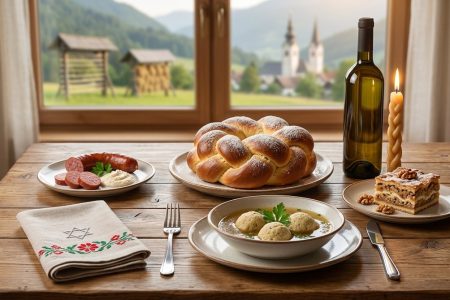
    Jewish families gather around the table each Friday evening to welcome Shabbat, a day of rest and spiritual renewal. The dinner is more than just a meal; it is a cherished ritual filled with symbolism and tradition. Understanding the menus served during Shabbat Friday night dinners reveals much about Jewish history, faith, and community life. Whether you are new to Jewish customs or seeking to deepen your appreciation, exploring these menus and their meanings offers a window into a profound cultural practice.

    Key Takeaway

    Shabbat dinner menus are rich with symbolism, featuring traditional foods like challah, wine, and fish that represent spiritual renewal, abundance, and joy. These foods help mark the transition from everyday life to a sacred time of rest and reflection.

    The Core Elements of a Traditional Shabbat Dinner

    A typical Shabbat Friday night dinner combines specific foods that carry deep meanings. These items create a sensory experience that connects participants to centuries-old customs and the spiritual themes of Shabbat.

    Challah Bread: A Symbol of Manna and Blessing

    Challah is the centerpiece of the meal. Its braided form signifies unity and the intertwining of community and faith. The act of blessing and breaking challah reminds everyone of the bread of manna that sustained the Israelites in the desert. The sweet, soft bread also symbolizes hope and prosperity.

    Wine or Grape Juice: Celebrating Joy and Sanctification

    A cup of wine or grape juice is poured for each person. This act sanctifies the evening, marking the beginning of Shabbat. The wine represents joy, gratitude, and the divine blessing. Drinking from the cup connects the family to centuries of tradition and spiritual elevation.

    Fish: A Sign of Prosperity and Fertility

    Fish, often served as a starter, symbolizes abundance and fertility. Its presence in the meal reflects wishes for prosperity and a good year ahead. Fish also carry a special significance in Jewish tradition, as they are associated with abundance in biblical stories.

    Other Common Dishes and Their Meanings

    • Cholent or Stew: A slow-cooked dish prepared before Shabbat begins. It signifies rest and the importance of taking time to savor and reflect.
    • Kugel: A sweet or savory casserole that reflects the comfort of home and family.
    • Vegetables and Salads: Often included to symbolize nourishment and God’s provision.

    How Foods Reinforce Spiritual Themes

    Shabbat dinner menus are carefully curated to reflect spiritual values. Each item acts as a reminder of divine blessings, community bonds, and the sanctity of rest.

    The Significance of Lighting Candles

    Before the meal begins, women or the head of the household light candles. The flickering flame symbolizes the divine presence and the transition from the mundane to the sacred. The candles’ glow creates an atmosphere of warmth and spiritual focus.

    Blessings and Rituals

    Reciting blessings over challah and wine elevates the meal beyond sustenance. These blessings acknowledge God’s role in providing and sustaining life. They also serve as a reminder to cultivate gratitude and mindfulness.

    The Role of Community and Family

    Sharing a meal during Shabbat fosters bonds and reinforces communal identity. The menus serve as a shared language, uniting generations through tradition and faith.

    Practical Steps to Observe a Traditional Shabbat Dinner

    1. Preparation: Before sunset on Friday, clean the home and set the table with a white tablecloth, challah cover, and candles.
    2. Lighting candles: Say the blessing to usher in Shabbat, symbolizing the start of a holy day.
    3. Reciting blessings: Bless the wine and challah, expressing gratitude and sanctification.
    4. Serving the meal: Begin with fish or appetizers, followed by challah, main courses, and desserts.
    5. Sharing stories and songs: Engage in traditional songs or recount stories to deepen the spiritual connection.

    Common Techniques and Mistakes in Observing Shabbat Menus

    Technique Mistake to Avoid
    Using fresh, high-quality ingredients Using non-kosher foods or ingredients
    Blessing foods with intention Rushing through blessings or skipping them
    Setting a peaceful atmosphere Distractions or interruptions during the meal
    Incorporating traditional songs Forgetting to include meaningful rituals

    Expert Advice on Making Your Shabbat Dinner Meaningful

    “The foods served during Shabbat are more than nourishment. They are symbols of the spiritual journey, community, and gratitude. Taking time to understand and honor these traditions can transform a meal into a sacred experience.” — Rabbi David Cohen

    Variations in Menus Across Different Communities

    While core foods like challah and wine are universal, regional and cultural differences influence the menu. For example, Sephardic communities might serve dishes flavored with spices unique to their heritage. Ashkenazi traditions often include dishes like brisket and kugel, emphasizing comfort and hearty flavors. These variations enrich the experience and reflect the diversity within Jewish practice.

    Incorporating Modern Elements While Honoring Tradition

    Many families adapt traditional menus to include contemporary or health-conscious options without losing their significance. This might mean using whole-grain challah or adding colorful salads to symbolize vitality. The key is maintaining the symbolic foods while personalizing the meal.

    The Power of the Friday Night Meal in Jewish Life

    The Shabbat dinner acts as a weekly reset, grounding families in their faith and values. It is an act of continuity and community that connects individuals across generations. By understanding the meaning behind each menu item, participants deepen their connection to tradition and spirituality.

    A Warm Invitation to Embrace the Ritual

    Creating a meaningful Shabbat dinner need not be complicated. Start with the essentials — challah, wine, and candles — and incorporate the stories and blessings that resonate with you. Over time, these rituals will become a cherished part of your weekly rhythm, enriching your life and your understanding of your heritage.

    Celebrating the Spirit of Shabbat at Your Table

    A Friday night dinner is a time to pause, reflect, and connect. The foods on the table are symbols of divine blessings, community, and hope. By understanding their meanings, you can elevate your experience and foster a deeper appreciation for Jewish traditions. Whether you observe every week or participate occasionally, honoring these menus helps keep the spirit of Shabbat alive and meaningful.

  • Sephardic Flavors Meet Slovenian Ingredients: Creating Unique Fusion Dishes

    Sephardic Flavors Meet Slovenian Ingredients: Creating Unique Fusion Dishes

    Sephardic Slovenian fusion recipes bring together two vibrant culinary traditions, creating dishes that are both familiar and refreshingly new. Imagine the aromatic spices of Sephardic cuisine mingling with Slovenian ingredients like buckwheat, mushrooms, and fresh herbs. This fusion offers food enthusiasts a chance to explore unique flavors and cooking techniques that celebrate cultural heritage in every bite. Whether you’re an experienced chef or a curious home cook, these recipes invite you to experiment and savor a delicious blend of history and taste.

    Key Takeaway

    Sephardic Slovenian fusion recipes fuse Jewish and Slovenian culinary traditions, creating flavorful dishes that celebrate cultural richness through innovative ingredients and techniques.

    The Roots of Sephardic and Slovenian Cuisines

    Understanding the origins of these cuisines highlights the beauty of their fusion. Sephardic cuisine traces back to Jewish communities that settled in the Iberian Peninsula, bringing flavors from Spain, Portugal, North Africa, and the Middle East. Their dishes often feature ingredients like preserved lemons, olives, and aromatic spices. Slovenian cuisine, on the other hand, is shaped by its Central European landscape, with hearty ingredients such as buckwheat, mushrooms, pork, and fresh herbs.

    Over centuries, these culinary worlds remained distinct yet occasionally intersected through trade, migration, and cultural exchanges. Today, chefs and home cooks alike are rediscovering these connections, blending them into exciting new recipes that highlight the best of both traditions.

    Creating Sephardic Slovenian Fusion Recipes

    Bringing together Sephardic and Slovenian flavors requires a thoughtful approach. Here’s a practical guide on how to craft these unique dishes:

    1. Choose your base ingredients carefully. Start with Slovenian staples like buckwheat, potatoes, or seasonal vegetables. These form a reliable foundation for fusion dishes.

    2. Incorporate Sephardic spices and flavors. Use ingredients such as cumin, cinnamon, allspice, or preserved lemon to add depth and authenticity.

    3. Balance textures and flavors. Combine hearty Slovenian elements with the aromatic, often tangy notes of Sephardic cuisine to create complex yet harmonious dishes.

    4. Experiment with cooking techniques. Techniques like slow braising, roasting, or pickling can enhance the fusion experience.

    5. Adjust seasoning to taste. Remember that fusion dishes can be boldly flavored. Taste as you go and tailor the spices to your preference.

    Practical example: Sephardic Slovenian stuffed peppers

    One popular dish to start with is stuffed peppers filled with a mixture of seasoned rice, herbs, and minced meat or vegetables. Add a dash of cinnamon or a squeeze of preserved lemon to introduce Sephardic notes. Serve with a side of Slovenian sour cream or fresh herbs for a complete experience.

    Techniques and Common Mistakes in Fusion Cooking

    Technique What to Do Common Mistake
    Blending spices Use small amounts to prevent overpowering Over-spicing, which masks other flavors
    Balancing acidity Add lemon or vinegar carefully Overly sour dishes that dominate taste
    Combining textures Mix crunchy, tender, and creamy elements Clashing textures that feel disjointed
    Slow cooking Develop depths of flavor Overcooking delicate ingredients

    “When experimenting with Sephardic Slovenian fusion recipes, it’s important to respect each cuisine’s integrity while allowing room for creativity,” advises chef Mira Novak. Trying small adjustments and tasting frequently ensures a balanced dish that highlights the best of both worlds.

    Flavor Pairings and Ingredient Substitutions

    To make your fusion dishes truly memorable, consider pairing ingredients like dried apricots with Slovenian duck or using eggplant in a Sephardic-inspired stew. If certain ingredients are hard to find, substitutions like sun-dried tomatoes for preserved lemon or smoked paprika for spicy peppers can work well.

    For those interested in exploring deeper, understanding the cultural significance behind these ingredients can enrich your cooking experience. For example, preserved lemons are a staple in Sephardic cuisine, symbolizing resourcefulness and preservation traditions, while Slovenian wild mushrooms reflect the country’s forest heritage.

    Celebrating Cultural Heritage Through Food

    Creating Sephardic Slovenian fusion recipes isn’t just about flavor. It’s about honoring two rich heritages and sharing stories through food. For example, a dish that combines Slovenian polenta with Sephardic spicy tomato sauce tells a story of migration, adaptation, and culinary resilience. It can serve as a bridge between communities and generations.

    Many families preserve recipes passed down through centuries, often with twists influenced by local ingredients. Reviving these dishes today can foster a deeper appreciation for cultural diversity and history.

    Elevating Your Culinary Journey

    To get started with Sephardic Slovenian fusion recipes, gather your favorite ingredients and embrace the experimentation process. Focus on balancing flavors, respecting their origins, and allowing your palate to guide you. Whether it’s a simple appetizer or a hearty main course, these dishes can become a meaningful part of your cooking repertoire.

    If you’re interested in expanding your knowledge about Jewish and Slovenian culinary connections, the Jewish community site offers wonderful resources and stories that can inspire your culinary adventures.

    A Fusion of Flavors for Every Occasion

    Sephardic Slovenian dishes fit well into various settings—family dinners, holiday celebrations, or casual gatherings. They serve as conversation starters, showcasing how food can unite different cultures through shared ingredients and techniques. Plus, they provide a delicious way to introduce friends and family to diverse culinary traditions.

    Remember, the joy of fusion cooking lies in your creativity. Feel free to adapt recipes, add local ingredients, or invent new combinations. The key is to enjoy the process and savor the results.

    Embracing the Culinary Tapestry

    Sephardic Slovenian fusion recipes open a window into a world where history, migration, and taste converge. By experimenting with these dishes, you participate in a living tradition that celebrates diversity and resilience. Cooking becomes a way to connect with stories of ancestors and discover new flavors along the way.

    Take your time to explore different ingredients, techniques, and presentations. Each dish you create adds a new thread to the vibrant tapestry of culinary heritage.

    Final thoughts on blending worlds at the table

    Incorporating Sephardic flavors into Slovenian recipes offers a delightful way to expand your culinary horizons. This fusion encourages curiosity and respect for traditions, resulting in dishes that are both meaningful and delicious. Start small, taste often, and enjoy the journey of creating something uniquely yours. Sharing these flavors can inspire conversations, foster understanding, and build bridges across cultures.

    Happy cooking!

  • What Makes a Kitchen Kosher? Essential Requirements and Practical Setup Tips

    What Makes a Kitchen Kosher? Essential Requirements and Practical Setup Tips

    Making a kitchen kosher involves more than just cleaning out non-kosher foods. It requires a thoughtful setup to ensure that everything in your kitchen aligns with Jewish dietary laws. Whether you’re establishing a new kosher space or converting an existing kitchen, understanding the key principles and practical steps helps create a sacred, compliant environment. Let’s walk through how to make a kitchen kosher naturally, with clear, manageable tips that fit into everyday life.

    Understanding what makes a kitchen kosher

    Before diving into the setup, it’s important to grasp the basic concept. A kosher kitchen separates meat and dairy, uses specific utensils, and observes cleanliness standards. It’s not about perfection but about consistency and respect for the laws. Essentially, a kosher kitchen is a space that respects the rules of kashrut, the Jewish dietary law, in a way that feels natural and manageable.

    Essential steps to make a kitchen kosher

    Here’s a straightforward process to help you establish or convert your kitchen into a kosher-friendly space. These steps can be adapted to your specific circumstances, whether you’re starting fresh or modifying an existing setup.

    1. Establish separate sets of utensils and appliances

    The cornerstone of a kosher kitchen is the separation of meat and dairy. This begins with having distinct utensils, pots, pans, cutting boards, and even dish racks for meat and dairy. Using different colored or clearly labeled sets makes it easy to remember which is which.

    • Meat utensils: For preparing and serving meat products.
    • Dairy utensils: For dairy foods and dishes.

    Having dedicated small appliances like toasters or microwave ovens for each category is also recommended. If space is limited, you can use covers or covers to prevent cross-contact.

    2. Clean and kasher your kitchen items

    If you’re converting an existing kitchen, you’ll need to kasher (make suitable) your utensils and appliances. This involves thorough cleaning and specific heating or boiling processes depending on the material.

    • For metal items, boiling or heating in an oven at high temperatures often suffices.
    • For glass or ceramic, the process can be more complex, sometimes requiring replacement.

    A good rule of thumb is to clean all utensils meticulously. Sometimes, a dedicated cleaning routine helps maintain the separation. For detailed guidance, consulting a rabbi or a kosher certification authority can provide precise instructions.

    3. Set up designated storage areas

    Designate specific pantry shelves, drawers, or containers for meat and dairy items. Clear labeling helps everyone in the household keep track. Store non-kosher foods separately or away from your kosher items to avoid accidental mixing.

    4. Install appropriate appliances and fixtures

    Ensure your kitchen has the necessary appliances to support kosher practices. This might include:

    • Separate sinks or sink sections for meat and dairy.
    • Dishwashers that are dedicated to either meat or dairy.
    • Switches or labels on appliances indicating their category.

    If installing new appliances is not feasible, using covers and carefully cleaning items after use can suffice. Remember, the goal is to prevent any inadvertent mixing.

    5. Maintain strict cleanliness and supervision

    Keeping your kitchen spotless is vital. Regularly clean all surfaces, utensils, and appliances. After preparing meat or dairy, wash everything thoroughly. This helps uphold the standards of kashrut and ensures ongoing compliance.

    “A clean kitchen is the foundation of a kosher kitchen,” advises Rabbi Yitzchak. Maintaining high standards of cleanliness reflects respect for the laws and helps prevent accidental violations.

    Common mistakes to avoid in setting up a kosher kitchen

    Understanding what not to do can save you time and effort. Here are some frequent pitfalls:

    Technique / Mistake Explanation
    Mixing utensils Using the same utensils for meat and dairy, risking cross-contamination.
    Not cleaning thoroughly Residue from previous use can compromise kosher standards.
    Failing to label Confusion about which items are for meat or dairy leads to accidental mixing.
    Reusing non-kosher cookware Old or unkosher cookware can carry non-kosher residue.
    Overlooking appliances Using the same microwave or oven for both meat and dairy without proper separation.

    Tips from experts on maintaining a kosher kitchen

    “Consistency is key,” says Rabbi David. “Having clear boundaries and routines ensures your kitchen remains kosher without stress or confusion.” Keeping a routine for cleaning and storage helps integrate these practices into daily life naturally.

    Practical tips for everyday life

    • Use color-coded or labeled containers to keep meat and dairy items separate.
    • Dedicate specific towels or cloths for meat and dairy.
    • Regularly review your setup to ensure no accidental overlaps.
    • When in doubt, consult reliable resources or a knowledgeable rabbi for guidance.

    Making your kosher kitchen a natural part of your home

    Transforming your kitchen into a kosher space can be simple and straightforward. Focus on clear separations, diligent cleaning, and consistent routines. With these practices, maintaining kashrut becomes part of your daily life, not an obstacle. Remember, the goal is to create a space where tradition and practicality meet comfortably.

    Final thoughts

    Building a kosher kitchen is about more than following rules. It’s about creating a respectful environment for your faith and family. By establishing clear boundaries and routines, you can enjoy preparing and sharing food that aligns with your values. With patience and consistency, your kitchen will naturally reflect your commitment to kashrut.