Category: Jewish Food and Cuisine

  • 7 Traditional Ashkenazi Recipes Every Jewish Home Cook Should Master

    7 Traditional Ashkenazi Recipes Every Jewish Home Cook Should Master

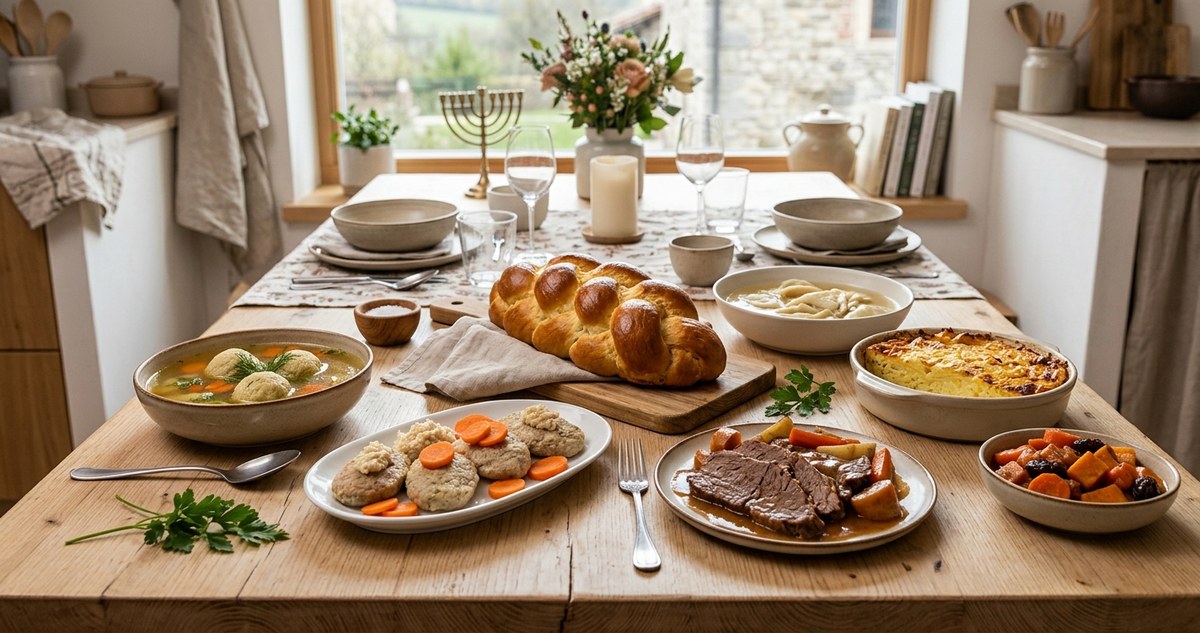
    Cooking traditional Ashkenazi dishes connects you to centuries of rich Jewish heritage. These recipes are more than just food; they are stories, memories, and cultural pride passed down through generations. Whether you’re preparing for a holiday, family gathering, or simply want to enjoy authentic flavors, mastering these dishes enriches your culinary repertoire. This guide introduces you to beloved Ashkenazi recipes, step-by-step processes, and expert tips to help you cook with confidence and joy.


    Key Takeaway

    This article offers a comprehensive look at traditional Ashkenazi recipes for home cooks. It provides practical steps, expert insights, and helpful tips to confidently prepare classic dishes that honor Jewish culinary traditions and bring warmth to your table.

    Appreciating the Heart of Ashkenazi Cuisine

    Ashkenazi cooking reflects a history of resilience and adaptation. It has been shaped by centuries of migration, cultural influences, and a desire to create nourishing, comforting foods with limited ingredients. Many dishes feature simple components like potatoes, onions, carrots, and hearty grains, yet they deliver complex flavors and satisfying textures. Learning these recipes means embracing a culinary heritage that has sustained communities through challenging times and joyous celebrations alike.

    Essential Ashkenazi Recipes for Home Cooks

    Here are some of the most beloved Ashkenazi dishes every home cook should learn. These recipes are staples at Jewish tables and are perfect for family dinners and festive occasions.

    1. Classic Potato Kugel

    Potato kugel is a versatile, comforting dish. It is traditionally served during Shabbat and Jewish holidays. The crispy top and tender interior make it a favorite.

    How to Make Potato Kugel

    Ingredients:
    – 4 large potatoes
    – 1 large onion
    – 3 eggs
    – 1/4 cup flour
    – Salt and pepper
    – Oil for greasing and frying

    Steps:
    1. Preheat your oven to 375°F (190°C).
    2. Grate the potatoes and onion using a box grater or food processor.
    3. Place the grated mixture in a clean kitchen towel and squeeze out excess moisture.
    4. Combine the grated vegetables with eggs, flour, salt, and pepper.
    5. Grease a baking dish with oil and pour in the mixture.
    6. Bake for about 45 minutes until the top is golden and crispy.
    7. Let it rest for a few minutes before slicing.

    Expert tip: For extra flavor, add minced garlic or chopped herbs to the mixture before baking.

    2. Matzo Ball Soup

    This comforting soup is a staple during Passover but enjoyed year-round. The fluffy matzo balls add heartiness to a flavorful chicken broth.

    How to Prepare Matzo Balls

    Ingredients:
    – 1 cup matzo meal
    – 4 large eggs
    – 1/4 cup vegetable oil
    – 1/4 cup seltzer or water
    – Salt and pepper
    – Chicken broth

    Steps:
    1. Beat eggs in a bowl, then add oil, seltzer, salt, and pepper.
    2. Mix in the matzo meal until combined.
    3. Refrigerate the mixture for about 20 minutes.
    4. Form into small balls with wet hands.
    5. Bring chicken broth to a boil, then reduce to a simmer.
    6. Carefully drop the matzo balls into the broth.
    7. Cover and cook for about 20 minutes until puffed and cooked through.

    Expert advice: Keep the broth gently simmering to avoid breaking the delicate matzo balls.

    3. Chopped Liver

    A traditional spread served at Jewish gatherings, chopped liver combines liver with onions and eggs for a rich, savory flavor.

    How to Make Chopped Liver

    Ingredients:
    – 1 pound chicken liver
    – 2 large onions
    – 3 hard-boiled eggs
    – Salt and pepper
    – Fat or oil for frying

    Steps:
    1. Sauté chopped onions in fat until golden.
    2. Cook the liver until no longer pink inside.
    3. Let the liver cool, then blend it with onions and eggs in a food processor.
    4. Season with salt and pepper.
    5. Chill before serving.

    Expert tip: For a smoother texture, pulse the mixture a few times rather than pureeing it completely.

    Practical cooking process for mastering Ashkenazi dishes

    To confidently prepare these recipes, follow these steps:

    1. Gather authentic ingredients. Use fresh, quality produce and traditional ingredients like matzo meal and chicken fat where appropriate.
    2. Follow recipes step-by-step. Pay attention to details like squeezing excess moisture from potatoes or gently simmering broth.
    3. Adjust seasoning to taste. Ashkenazi cuisine often relies on simple seasoning, so taste as you go and add herbs or spices for extra flavor.

    Techniques and mistakes to avoid

    Technique Common Mistake How to Avoid
    Grating potatoes Over-squeezing moisture Squeeze gently to remove excess without losing all moisture
    Mixing matzo balls Overworking mixture Mix just until combined to keep them fluffy
    Frying kugel Using too much oil Use enough to prevent sticking but not so much that it becomes greasy
    Simmering broth Boiling vigorously Keep the broth at a gentle simmer for tender matzo balls and flavorful soup

    Trusting the experts

    “Patience and attention to detail make all the difference when preparing traditional Ashkenazi recipes. Rushing can lead to tough kugel or broken matzo balls. Take your time and enjoy the process.” — Culinary historian

    Incorporating Ashkenazi dishes into your cooking repertoire

    Learning these recipes allows you to celebrate Jewish traditions through food. They’re perfect for Shabbat, Hanukkah, or any meal where you want to connect with your roots. Start by mastering one dish at a time, and soon you’ll be able to prepare a full menu that honors your heritage.

    Tips for success and personalization

    • Use fresh onion and herbs to enhance flavors.
    • Experiment with adding vegetables or spices to recipes.
    • Serve dishes with traditional accompaniments like rye bread or pickles.
    • Adapt recipes to suit your taste, making them your own while respecting the tradition.

    Sharing your culinary heritage

    Cooking Ashkenazi recipes is more than just following instructions. It’s about passing on stories, traditions, and a sense of community. Invite family or friends to enjoy these dishes and share your experiences. Over time, you’ll develop your own variations and deepen your connection to this vibrant cuisine.

    A warm invitation to bring Ashkenazi flavors home

    Mastering these traditional recipes breathes new life into your kitchen and keeps Jewish culinary heritage thriving. Approach each dish with curiosity and patience. Remember that every effort adds to a delicious story you are creating in your own home. Happy cooking and may your table be filled with warmth and joy.


    Enjoy your journey into authentic Ashkenazi cooking. Every dish you prepare is a step toward preserving a beautiful culinary legacy. Happy cooking!

  • How Kashrut Shapes Every Meal: A Beginner’s Guide to Jewish Dietary Laws

    How Kashrut Shapes Every Meal: A Beginner’s Guide to Jewish Dietary Laws

    Starting a journey into Jewish dietary laws can feel overwhelming at first. The rules around what is kosher might seem complex, but once you understand the core principles, they become a natural part of daily life. Whether you’re exploring Judaism for personal reasons or simply curious about how these laws influence meals, this beginner’s guide aims to clarify what kashrut is and how to incorporate it into your routines.

    Key Takeaway

    Jewish dietary laws for beginners focus on eating foods that meet specific rules about cleanliness, separation, and preparation. Understanding these basics helps new learners confidently follow kosher practices and appreciate their cultural significance.

    Understanding the Foundations of Kashrut

    Kashrut, the set of Jewish dietary laws, guides what is permissible to eat and how food should be prepared. These laws originate from the Torah, primarily in the books of Leviticus and Deuteronomy. They serve not only as a religious obligation but also as a way to maintain spiritual and physical purity.

    At its core, kashrut emphasizes the separation of meat and dairy, the prohibition of certain animals, and specific slaughtering techniques. These rules create a distinct way of approaching food that reflects adherence to tradition and respect for life.

    The Basic Rules for Keeping Kosher

    For those new to Jewish dietary laws, understanding the main principles provides a solid foundation:

    • Permissible and forbidden animals
      Only certain land animals, sea creatures, and birds are allowed. Animals must chew their cud and have split hooves, like cows and sheep. Shellfish and fish without fins and scales are not kosher. Birds like chicken, duck, and turkey are permitted, but predatory and scavenging birds are forbidden.

    • Slaughtering and meat preparation
      Animals must be slaughtered by a trained professional called a shochet, following specific procedures that ensure the meat is kosher. The process removes certain forbidden parts and blood.

    • Separation of meat and dairy
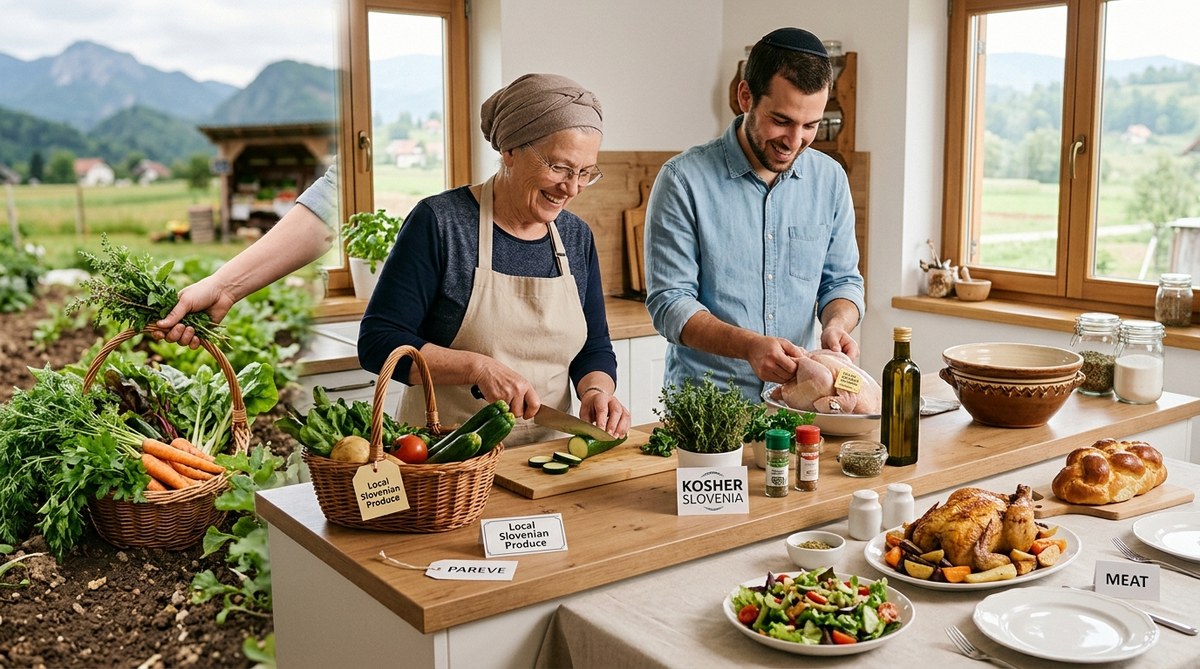
      One of the most distinctive rules is keeping meat and dairy products separate. This includes using different utensils, dishes, and even storage areas. Waiting periods between eating meat and dairy vary but generally involve a waiting time before consuming the other.

    • Forbidden foods
      Blood, certain fats, and parts of animals that are not kosher are not allowed. Also, products derived from non-kosher animals are forbidden unless certified kosher.

    • Inspection and certification
      Processed foods and packaged items must be certified by a reliable kosher authority. Look for symbols like OU, Kof-K, or Star-K on packaging.

    Practical Steps to Begin Observing Kashrut

    Starting with kashrut involves simple, manageable steps. Here are three practical ways to begin:

    1. Learn about kosher foods
      Familiarize yourself with which animals are kosher and which are not. Reading labels carefully and understanding kosher symbols can help you choose foods that meet the standards.

    2. Create separate kitchen zones
      To avoid mixing meat and dairy, designate different areas or utensils for each. Using color-coded dishes or labels can simplify the process.

    3. Consult reliable resources and authorities
      Reach out to local synagogues or Jewish community centers for guidance. Many offer introductory classes or resources tailored for beginners.

    Common Challenges and How to Overcome Them

    Adopting kashrut can raise questions and potential pitfalls. Here are some typical challenges and solutions:

    • Cross-contamination
      Use separate cutting boards and utensils for meat and dairy. Always wash thoroughly between uses.

    • Finding kosher options
      Many grocery stores carry certified kosher products. When shopping, look for the kosher certification symbols.

    • Understanding complex laws
      Focus on the basics first. As your knowledge grows, you can explore more detailed laws about holidays, fasting, and special foods.

    Technique What to Do Common Mistakes
    Reading labels Always check for reliable kosher symbols Ignoring certification on processed foods
    Keeping separate utensils Use dedicated pots, pans, and dishes Mixing meat and dairy in storage or prep
    Proper slaughtering Rely on certified kosher meat Using non-kosher meat or untrained slaughtering

    “Starting with a clear understanding of the fundamental rules makes observing kashrut a meaningful and manageable part of daily life,” advises Rabbi David Katz, a knowledgeable authority on Jewish law. “Focus on what matters most and build your knowledge gradually.”

    Embracing the Practice of Kashrut in Daily Life

    Incorporating Jewish dietary laws into your routine doesn’t require perfection from the start. It is about making consistent efforts and understanding the reasons behind the customs. Many find that observing kashrut deepens their connection to tradition and community.

    Whether you’re preparing meals at home or eating out, being mindful of kosher practices enriches your experience and helps you appreciate the cultural significance of food in Judaism.

    A Warm Approach to Learning and Living

    As you begin your journey into the world of kosher eating, remember that patience and curiosity are your best guides. Embrace the learning process with an open mind, and soon it will become second nature to choose foods that align with your values and beliefs. Every step taken in understanding and respecting these laws adds to a meaningful connection with your heritage.

    By starting small, asking questions, and seeking trusted resources, you’ll find that following Jewish dietary laws for beginners is both rewarding and accessible. Enjoy the journey of discovering how kashrut shapes every meal and enriches your life with tradition.