Blog

  • Can You Keep Kosher in Slovenia? Navigating Jewish Dietary Laws in a Small Community

    Can You Keep Kosher in Slovenia? Navigating Jewish Dietary Laws in a Small Community

    Jewish travelers and residents often face unique challenges when trying to keep kosher while in Slovenia. While the country may not have the same abundance of kosher-certified establishments as some larger nations, it is possible to maintain dietary laws with a bit of planning. Whether you’re visiting Ljubljana or exploring smaller towns, understanding local options and how to prepare your own meals will help you stay true to your practices. This guide will walk you through practical steps, tips, and insights for enjoying kosher food in Slovenia comfortably.


    Key Takeaway

    In Slovenia, maintaining kosher food is doable with careful planning. Find local resources, prepare your own meals, and connect with the community for a smooth experience during your stay or visit.

    Understanding the Kosher Landscape in Slovenia

    Slovenia’s Jewish community is small but vibrant. The historical roots of Jewish life in the country date back centuries, especially in Ljubljana. Today, the community primarily consists of descendants and those actively practicing Judaism. While kosher-certified restaurants and stores are limited, the community and local businesses often cooperate to support kosher needs.

    Most kosher food options are found in Ljubljana, where a few kosher supermarkets or shops may stock essentials. In smaller towns, it is more common to rely on self-prepared meals or imported kosher products. The key is to plan ahead, especially when traveling to remote areas or staying for an extended period.

    How to Find or Prepare Kosher Food in Slovenia

    Maintaining kosher in Slovenia involves a combination of sourcing suitable ingredients and preparing meals that adhere to Jewish dietary laws. Here are practical steps to do so:

    1. Research Local Kosher Resources

    Start by connecting with the Jewish community in Ljubljana. They can provide valuable information about kosher shops, suppliers, or restaurants that cater to kosher needs. Some community centers or synagogues may have partnerships with local stores or can recommend trusted sources.

    2. Import and Stock Kosher Products

    Since options are limited, consider bringing along non-perishable kosher foods for your stay. Items like canned goods, dry pasta, spices, and snacks are often available through online kosher stores that ship to Slovenia. Check with international kosher suppliers for reliable delivery options.

    3. Prepare Your Own Meals

    Cooking your own meals is the most straightforward way to ensure adherence to kosher rules. Here are some tips to set up a kosher kitchen in Slovenia:
    – Use separate utensils and cookware for meat and dairy.
    – Keep kosher ingredients in clearly labeled containers.
    – Purchase kosher meat from trusted sources or import frozen meat if available.
    – Use local produce and grains, which are generally kosher if properly handled.

    4. Understand Local Food Laws and Practices

    Slovenia follows EU food regulations, but kosher certification is not widely prevalent. Always verify that imported products are certified kosher or meet kosher standards. Be cautious with processed foods, checking labels carefully for certification marks.

    5. Connect with the Community for Support

    Engaging with Slovenian Jewish groups can provide support, especially during holidays or special occasions. They might organize communal meals or festivals where kosher food is available.


    Practical Tips for Keeping Kosher in Slovenia

    • Bring essentials: Pack staples like kosher salt, spices, and shelf-stable foods.
    • Label your supplies: Keep your kosher items separate and clearly marked.
    • Cook in batches: Prepare larger quantities to minimize the need for frequent shopping.
    • Learn local ingredients: Slovenian cuisine uses many fresh vegetables, grains, and meats that can be incorporated into kosher cooking.
    • Use technology: Apps and online resources can help identify kosher establishments or products in Slovenia.

    Common Mistakes to Avoid

    Mistake Explanation How to Avoid
    Mixing meat and dairy Cross-contamination invalidates kosher laws Use separate utensils and storage
    Assuming all local produce is kosher Non-certified produce may not meet kosher standards Verify sourcing or import when possible
    Relying on non-certified processed foods They may contain non-kosher additives Read labels carefully or prepare from scratch

    Expert Advice on Keeping Kosher Abroad

    “Maintaining kosher while traveling requires flexibility and resourcefulness. Building relationships with local community members can open doors to meals, ingredients, and support. Planning ahead ensures a smooth experience and keeps your dietary practices intact,” advises Rabbi Eli Greenberg, a community leader with experience in Jewish travel.

    Connecting with the Slovenian Jewish Community

    The Ljubljana Jewish community is welcoming and active. They host events, Shabbat dinners, and holiday celebrations that often include kosher options. Contacting them ahead of your trip can provide insights into available resources and community gatherings. Their website or social media pages are excellent starting points for staying connected.

    Embracing Slovenian Culinary Traditions

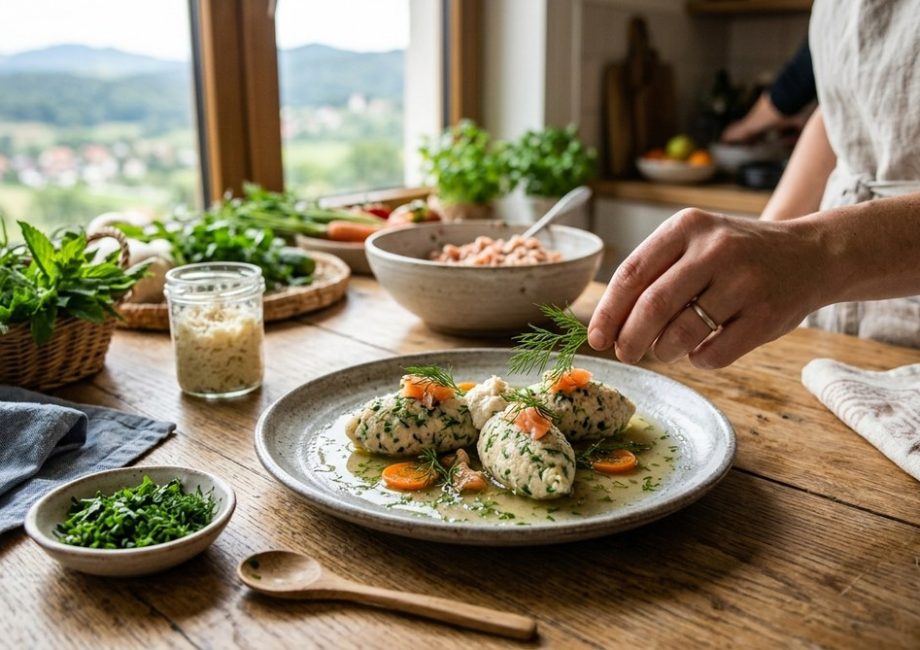
    While maintaining strict kosher practices, you can still enjoy Slovenian flavors by adapting recipes. Incorporate local ingredients like fresh herbs, root vegetables, and grains into your meals. Preparing traditional dishes with kosher substitutions or using locally sourced produce can make your stay both authentic and compliant.

    Final Thoughts: Making the Most of Your Kosher Journey in Slovenia

    Keeping kosher in Slovenia is entirely feasible with a bit of planning and community engagement. Whether you are visiting Ljubljana or exploring smaller towns, knowing where to source ingredients, how to prepare your own meals, and who to contact within the community will make your experience smoother. Embrace the local culture, enjoy Slovenian hospitality, and stay true to your dietary laws. Your journey can be enriching and fulfilling, blending tradition with new experiences.

    A practical approach to kosher living in Slovenia

    Remember, the key to maintaining your kosher lifestyle abroad is preparation. Pack wisely, connect with local community members, and stay open to adapting traditional recipes with Slovenian ingredients. With these strategies, you can enjoy your time in Slovenia while honoring your dietary laws.

  • What Happens During the High Holy Days: A Month-by-Month Guide for Slovenia’s Jewish Community

    What Happens During the High Holy Days: A Month-by-Month Guide for Slovenia’s Jewish Community

    Jewish High Holy Days in Slovenia mark a profound period of reflection, renewal, and community gathering. These sacred times weave together centuries-old traditions with the unique Slovenian Jewish experience. Whether you are a member of Slovenia’s Jewish community or someone interested in understanding these meaningful celebrations, this guide offers a friendly, comprehensive look at what happens during the High Holy Days in Slovenia. From Rosh Hashanah to Yom Kippur and beyond, you’ll find practical tips, cultural insights, and ways to participate meaningfully.

    Key Takeaway

    Slovenia’s Jewish High Holy Days blend deep tradition with local customs. Participating involves special prayers, festive foods, community prayers, and reflection. This guide helps you understand how these sacred days are observed in Slovenia, offering practical steps for engaging with the community and enriching your spiritual experience.

    Understanding the Significance of the High Holy Days in Slovenia

    The High Holy Days, also known as the Yamim Noraim or Days of Awe, encompass several important Jewish holidays. In Slovenia, these holidays hold both historical importance and contemporary relevance. They serve as a time for personal repentance, communal prayer, and spiritual renewal.

    Jewish communities in Slovenia observe these days with a mix of traditional rituals and local adaptations. Given Slovenia’s rich history and the resilience of its Jewish population, these celebrations often include unique customs that reflect both their heritage and Slovenian culture. For many, these days are an opportunity to reconnect with their roots, reflect on personal and collective pasts, and look forward with hope.

    The Major Holidays During the High Holy Days Season

    The High Holy Days span from Rosh Hashanah, the Jewish New Year, to Yom Kippur, the Day of Atonement. Between these, there are several minor holidays and customs that enrich the season.

    Rosh Hashanah

    This holiday marks the start of the Jewish new year. In Slovenia, community services are held in synagogues and community centers. The sound of the shofar, a ram’s horn, echoes through the air, calling for reflection and repentance. Traditional foods like round challah and honey symbolize hopes for a sweet year.

    Yom Kippur

    Ten days after Rosh Hashanah, Yom Kippur is the holiest day of the Jewish calendar. Slovenian Jews spend the day in fasting and intense prayer. Synagogues host Kol Nidre services on the eve and Yom Kippur services during the day. Many also participate in communal atonement rituals and seek forgiveness.

    Sukkot and Shemini Atzeret

    Following Yom Kippur, Sukkot begins, commemorating the Israelites’ wanderings in the desert. Building and dwelling in a sukkah, a temporary hut, is a central practice. Slovenian Jewish families often invite guests into their sukkahs, sharing meals and joy. Shemini Atzeret and Simchat Torah conclude this festive period with joyful dancing and Torah celebrations.

    Practical Ways to Participate in the High Holy Days in Slovenia

    Engaging with the High Holy Days in Slovenia can be a meaningful experience. Here are some practical steps to get involved or observe these sacred days:

    1. Attend local synagogue services
      Many Slovenian Jewish communities hold services for Rosh Hashanah, Yom Kippur, and Sukkot. Check with your local synagogue or community center for schedules and registration details.

    2. Learn about traditional prayers and customs
      Familiarize yourself with the liturgy and rituals. Many communities offer introductory sessions or printed materials for newcomers.

    3. Prepare traditional foods
      Baking round challah, making honey cookies, or preparing brisket can enhance your celebration. Use local ingredients to add a Slovenian touch.

    4. Create a sukkah
      If you have space, build a sukkah outside your home. Decorate it and invite family or friends for meals during Sukkot.

    5. Participate in community events
      Look for interfaith or community programs that promote understanding and shared celebration of these holidays.

    6. Reflect and set intentions
      Use these days for personal reflection. Write a journal, meditate, or engage in prayer to focus on growth and renewal.

    Customs and Traditions Unique to Slovenia’s Jewish Community

    While many High Holy Day customs are universal, Slovenian Jews have cultivated special traditions. Some of these include:

    • Folk-inspired holiday foods: Incorporating local ingredients like Slovenian honey or bread into holiday dishes.
    • Community singing: Traditional prayers are often accompanied by Slovenian melodies, blending cultural influences.
    • Historical remembrance: Commemorations of Slovenian Jewish history, including memorial services for those lost during the Holocaust.
    • Artistic expressions: Use of local crafts and art in synagogue decorations or personal prayer books.

    Techniques for a Meaningful Holiday Experience

    Technique Mistake to Avoid
    Personalize your celebration Overlooking the importance of community
    Incorporate local customs respectfully Ignoring traditional prayer practices
    Engage in reflection and prayer Neglecting the significance of the rituals
    Share festive meals with loved ones Rushing through or skipping rituals

    “Participating in the High Holy Days in Slovenia offers a chance to connect deeply with your heritage while embracing the local community’s warmth and history,” advises Rabbi David Klein, a Slovenian Jewish leader. He emphasizes that these days are about both tradition and community bonds.

    Tips for Observing the High Holy Days in a Modern Context

    • Balance tradition with personal meaning
      Adapt rituals to fit your lifestyle while respecting their sacredness.

    • Use technology wisely
      Join virtual services or connect with distant family members during the holidays.

    • Involve children and younger family members
      Share stories and teach them about the significance behind each custom.

    • Respect local health guidelines
      Especially in communal settings, follow safety protocols to ensure everyone’s well-being.

    Connecting Past and Present During the High Holy Days

    The Slovenian Jewish community has endured hardships and celebrated resilience. Participating in these holidays today keeps alive the memory of ancestors and the hope for future generations. Many community members find strength in shared prayers, stories, and traditions that link Slovenia’s Jewish past with its present.

    Throughout the season, you might visit Jewish museums or attend lectures that highlight Slovenia’s Jewish history. These activities deepen your understanding and appreciation of your heritage.

    Carrying the Spirit Into Everyday Life

    The lessons learned from observing the High Holy Days extend beyond these sacred days. They inspire ongoing reflection, kindness, and community involvement. Taking even small steps—like lighting a Shabbat candle or sharing a holiday meal—can keep the spirit alive year-round.

    Remember, these traditions are living practices. They evolve with each generation, blending history with contemporary life. Your participation helps sustain this vibrant cultural and spiritual legacy in Slovenia.

    Wishing you meaningful celebrations and a year filled with reflection, growth, and community warmth.

  • Simchat Torah Dancing: When Slovenian Jews Rejoice with the Torah Scrolls

    Simchat Torah Dancing: When Slovenian Jews Rejoice with the Torah Scrolls

    Jewish communities around the world have rich and varied ways of celebrating the festival of Simchat Torah. Among Slovenian Jews, this celebration takes on a special character, blending regional customs with deep-rooted traditions. The lively dancing with Torah scrolls is a highlight, symbolizing joy, reverence, and community unity. This unique way of rejoicing reflects centuries of history and cultural adaptation, making Slovenian Jewish celebrations particularly captivating for enthusiasts and researchers alike.

    Key Takeaway

    Slovenian Jews celebrate Simchat Torah with spirited dancing involving Torah scrolls, reflecting a vibrant blend of regional customs and deep religious joy. This tradition highlights community resilience and cultural identity, making it a unique aspect of Jewish life in Slovenia.

    The Roots of Simchat Torah Celebrations in Slovenia

    Simchat Torah marks the conclusion of the annual Torah reading cycle and the beginning of a new one. This holiday is inherently joyful, filled with singing, dancing, and communal gatherings. In Slovenia, Jewish communities have preserved and adapted these customs over centuries, creating a distinctive celebration that mirrors their regional history and cultural influences.

    Historically, Slovenian Jews have maintained their religious practices despite facing periods of adversity. Their celebration of Simchat Torah often includes traditional prayers, songs, and dances that emphasize communal unity. Over time, local customs have intertwined with broader Jewish traditions, resulting in a lively and expressive form of celebration that resonates deeply within the Slovenian context.

    Unique Aspects of Simchat Torah Dancing in Slovenia

    Regional Customs and Variations

    Slovenian Jews are known for their enthusiastic approach to dancing with the Torah. Unlike some communities where dancing is more subdued, Slovenian celebrations often feature lively, spirited movements. This energy symbolizes the community’s joy and reverence for the Torah.

    In certain regions, the dancing involves specific local songs or melodies, blending Jewish liturgical music with Slovenian folk tunes. This fusion creates a unique auditory and visual experience, emphasizing the community’s pride in their heritage and regional identity.

    The Role of the Community

    Community involvement is central to the Slovenian Simchat Torah celebrations. Synagogue gatherings swell with families, youth, and elders, all participating in the dancing. The event often extends into the streets, with processions and open-air dancing that showcase the community’s collective joy.

    Local customs may include specific dances, attire, or rituals passed down through generations. These practices serve to strengthen bonds within the community and reinforce the cultural significance of the holiday.

    How Slovenian Jews Prepare for the Celebrations

    Preparation involves both spiritual and communal steps. Here’s a practical process to understand how the community gets ready:

    1. Purify and prepare the Torah scrolls
    2. Organize communal gatherings and rehearsals for dancing
    3. Decorate the synagogue and surrounding areas with flowers and banners

    Preparation is a collective effort, often involving youth groups and volunteers who ensure everything is set for the joyous occasion.

    Practical Tips for Participating in or Observing the Celebration

    • Attend local synagogues during Simchat Torah to witness the dancing firsthand.
    • Respect the customs by observing how community members handle the Torah scrolls with reverence.
    • Engage with community members to learn about their regional customs and songs.

    Techniques and Common Mistakes in Simchat Torah Dancing

    Techniques Mistakes
    Holding the Torah scrolls firmly Mishandling or dropping the scrolls
    Moving in synchronized circles Dancing without regard for others
    Incorporating traditional melodies Using inappropriate or secular tunes
    Celebrating with joyful expressions Dulling the communal spirit

    Expert Advice

    “The essence of Simchat Torah dancing lies in shared joy and reverence for the Torah. Community members should focus on unity and respect, ensuring the traditions are preserved and celebrated with genuine enthusiasm.” — Rabbi Miriam Weiss

    Regional Influences and Cultural Fusion

    Slovenian Jewish celebrations are enriched by regional influences, which add depth and color to the traditional practices. Folk melodies, local dress, and community stories blend seamlessly with Jewish customs.

    For example, some communities incorporate Slovenian folk dances into their Simchat Torah celebrations. Others may feature local artisans creating decorative Torah covers or banners that reflect Slovenian artistry. This blending of cultures underscores the resilience and adaptability of Slovenian Jews throughout history.

    Preserving and Promoting the Tradition

    Maintaining these customs requires active effort. Community centers and synagogues often host workshops, storytelling sessions, and dance rehearsals to keep the tradition alive, especially among younger generations.

    Engaging with local Jewish museums or cultural centers can provide additional insights into how these celebrations have evolved and their significance today. These efforts ensure that the vibrant spirit of Slovenian Jewish Simchat Torah dancing continues to flourish.

    Final Reflections on the Joy of Simchat Torah in Slovenia

    Celebrating Simchat Torah with spirited dancing among Slovenian Jews offers a vivid example of cultural preservation and communal joy. It reflects a community that values its traditions, adapts creatively, and finds happiness in shared spiritual expression. For anyone interested in regional customs or the universal language of dance and community, Slovenian Jewish celebrations provide a meaningful and inspiring experience.

    Whether you are a cultural enthusiast, researcher, or simply curious about how different communities express their faith, observing or participating in Slovenian Simchat Torah dancing can deepen your appreciation for the diverse ways in which joy and devotion are celebrated across the world.

    Cherishing the Spirit of Community and Tradition

    Encouraging active participation or respectful observation can help keep these customs vibrant. Sharing stories, learning the melodies, or even joining a local dance can foster connections and support the preservation of this lively tradition.

    Remember, the heart of Simchat Torah dancing in Slovenia lies in community bonds and the joy of collective worship. Embrace the opportunity to witness or partake in this beautiful expression of faith and culture, enriching your understanding and appreciation of Jewish life in Slovenia.

  • Tu B’Shvat Celebrations: Planting Trees and Honoring Nature in Slovenia’s Jewish Tradition

    Tu B’Shvat Celebrations: Planting Trees and Honoring Nature in Slovenia’s Jewish Tradition

    Jewish communities across Slovenia mark Tu B’Shvat as a special time to connect with nature and celebrate their heritage. This holiday, often called the Jewish New Year for Trees, encourages reflection on the environment and the importance of caring for the earth. In Slovenia, Tu B’Shvat has become more than just a religious observance; it is a vibrant occasion that fosters community spirit, environmental awareness, and cultural pride. Whether through planting trees, sharing traditional foods, or participating in educational activities, Slovenian Jews find meaningful ways to honor this beautiful tradition.

    Key Takeaway

    Tu B’Shvat in Slovenia is a community-driven celebration that emphasizes environmental stewardship, cultural heritage, and unity through tree planting, festive meals, and educational programs.

    Understanding Tu B’Shvat and Its Significance in Slovenia

    Tu B’Shvat is rooted in Jewish tradition as a celebration of trees and the renewal of nature. It falls on the fifteenth day of the Hebrew month of Shvat, aligning with the start of spring in the land of Israel. For Slovenian Jews, this holiday holds deep cultural and spiritual meaning. It offers an opportunity to reflect on humanity’s role as stewards of the earth and to reinforce ties to the land and community.

    In Slovenia, the holiday has gained popularity among families and educational institutions alike. Many see it as an occasion to teach children about environmental responsibility while connecting with their Jewish roots. Celebrations often blend traditional customs with local environmental initiatives, making Tu B’Shvat a meaningful day for all involved.

    How Tu B’Shvat Is Celebrated in Slovenia

    Celebrations of Tu B’Shvat in Slovenia are characterized by a mix of planting activities, communal meals, and learning sessions. These customs help foster a sense of shared purpose and deepen appreciation for nature’s gifts.

    1. Planting Trees and Gardening Activities

    Tree planting is at the heart of Tu B’Shvat celebrations. Jewish families and community groups often organize outdoor events to plant native or symbolic trees. These acts symbolize growth, renewal, and environmental care. Many synagogues and community centers partner with local environmental organizations to promote sustainability.

    2. Festive Meals Featuring Fruits and Seasonal Foods

    A key aspect of Tu B’Shvat is enjoying a meal that highlights fruits, especially those associated with the land of Israel, like dates, figs, pomegranates, and olives. Slovenian families prepare a variety of dishes that incorporate seasonal and local ingredients, blending tradition with regional flavors. Sharing these foods during gatherings fosters community bonds and reminds participants of the connection between food, faith, and the land.

    3. Educational Programs and Cultural Events

    In Slovenia, educational activities play a vital role in Tu B’Shvat observances. Schools and community groups hold workshops about environmental issues, Jewish history, and the significance of trees. These programs often include storytelling, art projects, and demonstrations on sustainable living.

    4. Community Gatherings and Environmental Projects

    Some communities organize clean-up drives or create small urban gardens as part of Tu B’Shvat activities. These projects serve as practical expressions of the holiday’s themes and help instill a sense of responsibility in participants of all ages.

    Practical Steps to Celebrate Tu B’Shvat in Your Slovenian Community

    Engaging in Tu B’Shvat traditions can be simple and meaningful. Here are some ways to incorporate the holiday into your family or community life:

    1. Plan a tree planting event: Contact local environmental groups or your synagogue to organize a community planting day.
    2. Prepare a fruit-focused meal: Gather seasonal fruits and create a festive table featuring traditional and regional dishes.
    3. Educate and inspire: Host a workshop or story session about the importance of trees, environmental care, and Jewish heritage.
    4. Create a small garden: Start an urban garden or maintain potted plants to symbolize growth and renewal.
    5. Involve children: Encourage kids to participate in planting, arts and crafts, or storytelling related to Tu B’Shvat.

    Techniques and Common Mistakes in Celebrating Tu B’Shvat

    Technique Mistake to Avoid
    Planting native trees Using non-native or invasive species
    Incorporating local ingredients Relying solely on imported fruits
    Educating about environmental issues Ignoring community involvement
    Creating meaningful rituals Making celebrations purely commercial

    Embracing the Environmental Spirit

    Tu B’Shvat invites us to reflect on our relationship with the earth. In Slovenia, this means actively participating in sustainability efforts while honoring our traditions. Community-led tree planting projects not only beautify neighborhoods but also leave a lasting legacy for future generations.

    An environmentalist once noted that planting a tree is an act of hope. When Slovenian Jews plant trees on Tu B’Shvat, they nurture hope for a greener, more connected world.

    By integrating ecological awareness into the holiday, families and communities can inspire a new generation to cherish and protect our planet.

    Connecting Culture and Nature in Slovenian Jewish Life

    Celebrating Tu B’Shvat in Slovenia bridges cultural heritage with environmental responsibility. Many local Jewish communities host open house events, inviting friends of different backgrounds to learn about the holiday’s traditions and significance. These gatherings foster understanding and unity, emphasizing the shared value of caring for the earth.

    Slovenian Jewish organizations also participate in regional environmental campaigns, aligning their values with broader community efforts. Such collaborations enhance the holiday’s impact and demonstrate the importance of collective action.

    A Heartfelt Invitation to Celebrate and Conserve

    Incorporating Tu B’Shvat into your life is a meaningful way to honor both your heritage and the planet. Whether through planting trees, sharing seasonal foods, or educating others, you contribute to a tradition rooted in respect for nature and community. Each small effort adds up to a healthier, more vibrant world.

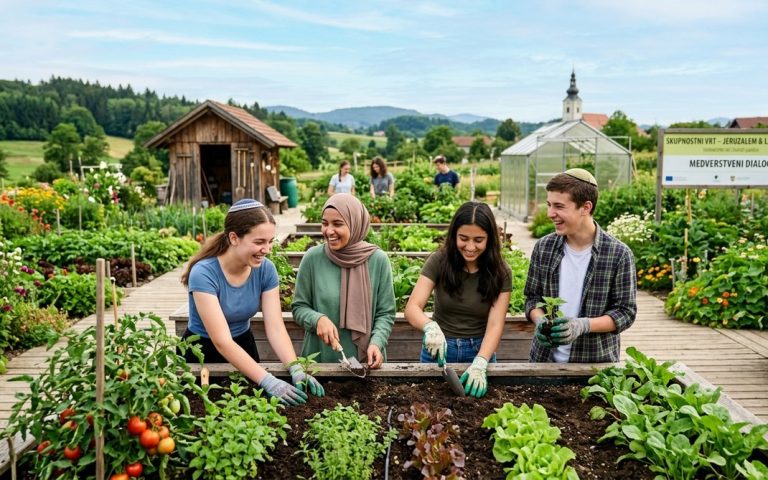
    As you participate in Tu B’Shvat celebrations in Slovenia, remember that your actions reflect a timeless commitment to nurturing the earth. Join your community in making this holiday a time of growth, renewal, and hope for the future.

    Growing Together: The Spirit of Tu B’Shvat in Slovenia

    Celebrating Tu B’Shvat allows us to reconnect with the land and each other. By planting trees, sharing traditions, and supporting environmental initiatives, Slovenian Jews and their friends build a legacy of care and community. Take this opportunity to deepen your connection to nature and your heritage. Every tree planted and every story shared helps nurture a more sustainable and unified world.

  • From Fasting to Feasting: How Slovenian Jews Observe Tisha B’Av and Its Lessons Today

    From Fasting to Feasting: How Slovenian Jews Observe Tisha B’Av and Its Lessons Today

    Jewish communities around the world mark Tisha B’Av as a day of deep reflection, mourning, and remembrance. In Slovenia, this solemn day takes on a unique character rooted in history, tradition, and community resilience. Slovenian Jews observe Tisha B’Av with a mix of ancient customs and contemporary reflections, creating a meaningful experience that links their past to their present. Understanding how Slovenian Jews commemorate this day offers insight into their spiritual life and the lessons they carry forward.

    Key Takeaway

    Slovenian Jews observe Tisha B’Av through traditional fasting, reading sacred texts, and community prayer, emphasizing remembrance and hope. Their practices connect history with modern lessons of resilience and faith. This day fosters reflection on past tragedies and inspires ongoing commitment to cultural preservation and unity in Slovenia’s Jewish life.

    The Historical Significance of Tisha B’Av in Slovenia

    Tisha B’Av, known as the ninth day of the Hebrew month of Av, is a day of mourning commemorating multiple tragedies in Jewish history, including the destruction of the First and Second Temples in Jerusalem. For Slovenian Jews, these events are not distant memories but part of their collective consciousness. Historically, the Jewish community in Slovenia faced expulsions, persecutions, and hardships that echo the themes of loss and resilience celebrated on this day.

    The oldest Jewish settlements in Slovenia date back centuries, with synagogues and cemeteries that tell stories of a once-thriving community. Although the community faced severe trials during the Holocaust and subsequent emigrations, the observance of Tisha B’Av remains a vital link to their heritage. It is a day to honor ancestors, reflect on suffering, and reaffirm their identity.

    How Slovenian Jews Observe Tisha B’Av Today

    Modern observances of Tisha B’Av in Slovenia blend traditional rituals with local customs and community engagement. This day typically begins with a fast that lasts from sunset to sunset, signifying mourning and spiritual focus. During this period, community members refrain from eating, drinking, bathing, and other pleasures that distract from reflection.

    Practical steps in observing Tisha B’Av in Slovenia include:

    1. Fasting and prayer: Community members participate in special prayers, including the recitation of kinnot — lamentations that mourn the destruction of the temples and other tragedies. These are often held in synagogues or community centers, fostering a sense of shared grief and solidarity.

    2. Reading sacred texts: The Torah and other Jewish texts are read with particular emphasis on passages related to mourning, destruction, and hope. Many also meditate on the historical events that have shaped their community.

    3. Community reflection and learning: Discussions and lectures about the significance of Tisha B’Av are common, often highlighting lessons for contemporary life. These programs aim to deepen understanding of Jewish history and reinforce resilience.

    4. Night vigil and mourning rituals: Some communities hold a night vigil, staying awake to pray and remember. This practice symbolizes the constant remembrance of loss and the hope for eventual redemption.

    Ways Slovenian Jews adapt their observance to today’s context:

    • Inclusion of cultural activities: As part of their mourning, community members may attend exhibitions, listen to music, or watch films that reflect Jewish history and resilience.
    • Interfaith and community dialogues: Some communities host interfaith events that acknowledge shared histories of suffering and promote understanding.

    The Lessons of Tisha B’Av for Today’s Slovenian Jewish Community

    Tisha B’Av is not only a day of mourning but also a source of lessons that resonate today. Slovenian Jews see it as a reminder of the importance of preserving their identity, fostering community, and maintaining hope despite adversity.

    Key lessons include:

    • Resilience in the face of hardship: The community’s history of overcoming expulsions, war, and diaspora underscores the importance of resilience and adaptation.
    • The power of remembrance: Honoring ancestors and historical tragedies keeps cultural memory alive, inspiring future generations.
    • Unity and solidarity: Collective mourning fosters a sense of community strength, which is vital in today’s diverse Slovenian society.
    • Hope for redemption: The day encourages reflection on the possibility of renewal and the importance of working towards a better future.

    Practical Guide to Participating in Tisha B’Av in Slovenia

    If you are part of Slovenia’s Jewish community or interested in Jewish traditions, here is a simple process to participate meaningfully:

    1. Prepare for the fast: Plan your meals before sunset and set aside time for prayer and reflection during the day.
    2. Attend a communal service: Check local community centers or synagogues for Tisha B’Av services. Participating with others enhances the experience.
    3. Engage with texts and reflections: Read kinnot or related writings to deepen understanding.
    4. Reflect on contemporary lessons: Think about how the themes of loss and hope relate to current issues in Slovenian society and your personal life.
    5. Conclude with introspection: After sunset, consider ways to commemorate and honor your heritage beyond the day itself.

    Common practices and mistakes to avoid:

    Technique Mistake to Avoid
    Fasting properly Forgetting to hydrate or prepare beforehand, risking health issues
    Participating in communal prayers Missing the significance of the prayers or rushing through them
    Reading texts thoughtfully Skimming without reflection, losing the depth of mourning and hope
    Engaging in community events Overlooking the importance of personal contemplation during the day

    Expert Advice on Tisha B’Av in Slovenia

    “Observing Tisha B’Av in Slovenia offers a powerful reminder of the enduring spirit of the Jewish community. It’s a day that bridges the pain of past tragedies with the hope for future renewal. Engaging in traditional mourning while also reflecting on lessons of resilience helps strengthen communal bonds and personal faith.” — Rabbi David Cohen, Ljubljana

    Connecting Past and Present Through Tisha B’Av

    Tisha B’Av in Slovenia exemplifies how communities keep their history alive while adapting to modern realities. It is a day filled with solemnity, learning, and hope. The practices may evolve, but the core message remains the same: remembrance fuels resilience, and hope sustains the community through generations.

    Participating in Tisha B’Av can be a profound experience. Whether you join a community prayer, read traditional kinnot, or simply spend time reflecting on the lessons of resilience and unity, this day offers meaningful opportunities to connect with your heritage.

    Remember, observing Tisha B’Av is more than mourning; it is an act of cultural preservation and a testament to the enduring spirit of Slovenian Jews. Incorporate these practices into your life or community gatherings, and let the lessons of this day inspire hope and strength for the future.

  • Why Shavuot Matters: Celebrating the Giving of the Torah in Ljubljana

    Why Shavuot Matters: Celebrating the Giving of the Torah in Ljubljana

    Jewish communities around the world mark Shavuot with joy, reflection, and a deep sense of tradition. In Ljubljana, the capital of Slovenia, this holiday holds special meaning. It’s a time to celebrate the giving of the Torah, connect with our roots, and share the experience with friends and family. Whether you are a long-time member of the community or interested in learning about Jewish holidays, understanding how Shavuot is observed in Ljubljana can enrich your connection to Jewish culture and heritage.

    Key Takeaway

    Ljubljana’s Jewish community celebrates Shavuot through vibrant prayer services, festive meals, and educational events that emphasize the holiday’s importance. Participating in these traditions offers a meaningful way to honor the giving of the Torah and connect with Slovenian Jewish heritage.

    The Significance of Shavuot for Ljubljana’s Jewish Community

    Shavuot, known as the Festival of Weeks, commemorates the moment when the Israelites received the Torah at Mount Sinai. For the Jewish community in Ljubljana, it is a time to reflect on the foundations of Jewish law, ethics, and community. It marks the culmination of the counting of the Omer, a period of spiritual preparation following Passover.

    In Ljubljana, this holiday is more than a historical event; it is a living tradition. It reminds us of the continuous link between past and present. Celebrations often include reading the Ten Commandments, studying Torah, and sharing dairy meals that symbolize the sweetness of the Torah’s teachings.

    How Shavuot Is Celebrated in Ljubljana

    The observances of Shavuot in Ljubljana are rooted in community and learning. Here are some of the ways the holiday is celebrated:

    1. Special Prayer Services
      Synagogues host festive prayer services on the nights of Shavuot. These include readings from the Torah, recitations of Psalms, and singing traditional hymns. The community gathers to hear the Ten Commandments read aloud, emphasizing the importance of Torah in Jewish life.

    2. All-Night Torah Study
      An integral part of Shavuot is staying awake to study Torah. In Ljubljana, community members participate in overnight learning sessions. These gatherings foster a sense of unity and deepen understanding of Jewish teachings.

    3. Festive Meals and Dairy Dishes
      Sharing a dairy meal is customary on Shavuot. In Ljubljana, families prepare dishes like cheesecake, blintzes, and cheese pastries. These foods symbolize the sweetness and nourishment that Torah provides.

    4. Educational Events and Children’s Activities
      Many community centers organize workshops and storytelling sessions for children. These activities introduce young ones to the story of Mount Sinai and the significance of the Torah.

    Practical Steps to Participate in Shavuot Celebrations in Ljubljana

    If you are interested in joining the community for Shavuot, here are steps to get involved:

    1. Check Local Synagogue Schedules
      Most synagogues publish their holiday programs online. In Ljubljana, the Jewish community center offers detailed schedules for prayer services and educational events.

    2. Join Community Study Groups
      Participating in Torah study sessions can deepen your understanding. Many groups welcome newcomers and provide materials suitable for all levels.

    3. Prepare a Dairy Dish or Attend a Community Meal
      Contribute to the festive atmosphere by bringing a dish or joining a communal meal. It is a wonderful way to connect and share traditions.

    4. Engage with Children’s Activities
      Volunteer or attend storytelling events designed for young community members. It helps pass down traditions and foster a love for Jewish learning.

    Techniques for Celebrating Shavuot Respectfully and Meaningfully

    Celebrating Shavuot in Ljubljana can be both joyful and profound. Here are some techniques to enhance your observance:

    Technique Purpose Common Mistake
    Participating in all-night study Deepen Torah connection Staying up without focus or purpose
    Reading the Ten Commandments aloud Emphasize core values Rushing through readings or skipping parts
    Preparing dairy foods with love Celebrate sweetness of Torah Using pre-made or low-quality ingredients
    Engaging children in storytelling Pass down traditions Making stories overly complicated or dull
    Attending community events Build unity Not RSVPing or arriving late

    “The key to meaningful Shavuot observance is active participation. Whether in prayer, study, or sharing a meal, each act strengthens our bond with tradition and community,” advises Rabbi Miriam from Ljubljana’s main synagogue.

    Common Mistakes to Avoid During Shavuot Celebrations

    While celebrating, it’s easy to overlook some important customs. Here are mistakes to keep in mind:

    • Skipping the reading of the Ten Commandments altogether or rushing through it.
    • Not preparing enough for the communal meal, which can diminish the festive spirit.
    • Ignoring opportunities for study or education, missing the chance to deepen understanding.
    • Overlooking the importance of including children and making the holiday accessible for all ages.
    • Forgetting to observe the customs of staying awake during the night for Torah study.

    Connecting With the Broader Slovenian Jewish Heritage

    Ljubljana’s Jewish community is part of a rich Slovenian history that dates back centuries. Celebrating Shavuot here connects us not only to global Jewish traditions but also to local stories of resilience and cultural expression. The community often hosts lectures and exhibitions that explore the history of Jews in Slovenia, helping us appreciate how our holiday traditions intertwine with Slovenian heritage.

    In addition, community members sometimes organize joint interfaith events, highlighting shared values and fostering understanding among different religious groups. These initiatives create a welcoming atmosphere where traditions are celebrated openly and respectfully.

    Looking Forward: Embracing Shavuot in Ljubljana’s Jewish Life

    Participating in Shavuot celebrations in Ljubljana offers a meaningful way to connect with Jewish history, spirituality, and community. Whether you attend prayer services, study Torah, or enjoy traditional dairy foods, each act reinforces our collective identity. The community’s warmth and openness make it easy for newcomers to join in and learn.

    As the community continues to grow and adapt, Shavuot remains a beacon of our enduring faith and commitment. It encourages us to pass down our stories, values, and traditions to future generations. Your involvement, no matter how small, helps keep the spirit of Shavuot alive in Ljubljana.

    A Heartfelt Invitation to Celebrate Together

    This Shavuot, consider participating in Ljubljana’s vibrant community events. Bring your curiosity, your family, or simply your desire to learn. The holiday’s essence is about sharing wisdom, joy, and tradition. By doing so, you become part of a living history that connects us all through faith and cultural pride. Embrace the opportunity to make this holiday meaningful in your life and in the life of Ljubljana’s Jewish community.

  • Sukkot Under the Stars: Building and Celebrating in Slovenia’s Jewish Community

    Sukkot Under the Stars: Building and Celebrating in Slovenia’s Jewish Community

    Celebrating Sukkot in Slovenia offers a beautiful blend of ancient tradition and the country’s stunning natural scenery. The Jewish community in Slovenia has embraced this festive season with warmth, creativity, and a strong sense of community. Whether you are a local resident, a visitor, or a researcher, understanding how Sukkot is observed in Slovenia reveals a unique cultural tapestry that honors Jewish heritage while integrating local customs. This article guides you through the significance, practical steps, and special features of Sukkot celebrations in Slovenia.

    Key Takeaway

    Slovenia’s Jewish community celebrates Sukkot with outdoor building of sukkahs, festive meals, and communal prayers under the stars, enriching traditions with local flavor and hospitality.

    The Significance of Sukkot in Slovenia’s Jewish Tradition

    Sukkot, often called the Feast of Tabernacles, is one of the most joyful Jewish festivals. It commemorates the Israelites’ journey through the desert and celebrates the harvest season. In Slovenia, these themes resonate deeply with the community, which combines age-old rituals with local customs.

    The core of Sukkot involves constructing a sukkah, a temporary hut, symbolizing the fragile dwellings used by the Israelites. It is customary to decorate the sukkah with fruits, greenery, and symbols that reflect the community’s heritage and environment. Celebrations in Slovenia often feature communal meals, singing traditional songs, and inviting friends and neighbors to experience the holiday’s warmth.

    How Slovenians Build and Celebrate Sukkot

    Building a sukkah in Slovenia is a communal event. Community members often gather in parks, gardens, or open spaces to construct these structures. The process is practical yet infused with joy, emphasizing the holiday’s themes of unity and gratitude.

    Practical steps for building a sukkah in Slovenia

    1. Choose a suitable location
      Select an outdoor space with enough room for the structure and to accommodate guests. Many community members prefer scenic spots under Slovenian skies.

    2. Gather materials
      Use wood or metal for the frame. Cover it with durable fabric, natural branches, or palm fronds. Decorate with fruits, leaves, and religious symbols.

    3. Assemble the structure
      Follow traditional guidelines, ensuring at least three sides are covered and the roof (called s’chach) allows in the stars. Many Slovenian communities have workshops to teach this process.

    Celebrating Sukkot in the Slovenian Style

    Once the sukkah is built, the community begins the festive phase. The celebrations usually include:

    • Meals under the stars
      Sharing traditional Jewish dishes such as brisket, challah, and seasonal vegetables. Guests often sit together, enjoying the peaceful Slovenian evenings.

    • Havdalah and prayer services
      Special prayers are recited, marking the end of each holiday day. These are often held outdoors, emphasizing the connection between nature and faith.

    • Folk music and dancing
      Traditional melodies, including Klezmer tunes, blend with local Slovenian music, creating a lively atmosphere.

    • Inviting neighbors and visitors
      Many community members see Sukkot as an opportunity to foster interfaith and intercultural dialogue, inviting friends from different backgrounds to share in the celebration.

    Unique Features of Sukkot Celebrations in Slovenia

    Slovenian Jewish communities add their local flavor to the holiday. Some notable features include:

    • Outdoor celebrations in picturesque settings
      Many sukkahs are built in scenic spots like Ljubljana’s parks or rural areas, making the experience magical and memorable.

    • Incorporation of Slovenian folk traditions
      Decorations often include native flowers, herbs, and motifs, symbolizing the country’s rich natural beauty.

    • Focus on community and inclusivity
      Events are open to everyone, emphasizing shared values and mutual respect.

    Techniques for a Successful Sukkot Celebration

    Technique Mistake to Avoid
    Building the sukkah in a sheltered spot Choosing a location prone to wind or rain that can damage the structure
    Using authentic natural materials Relying solely on synthetic or non-biodegradable decorations
    Inviting diverse community members Limiting participation to only community insiders
    Incorporating local music and cuisine Overlooking the importance of authentic traditions

    Practical Tips for Experiencing Sukkot in Slovenia

    If you’re planning to join a Sukkot celebration or even host one yourself, consider these steps:

    1. Connect with local Jewish communities
      Use resources like the Jewish community site to find upcoming events or workshops.

    2. Learn the customs and prayers
      Familiarize yourself with traditional blessings and songs. Many communities provide guides or host introductory sessions.

    3. Participate in building the sukkah
      Engage in hands-on activities, which are often part of community events, fostering a deeper understanding of the holiday’s significance.

    4. Attend communal meals and services
      Join in outdoor meals, prayer services, and singing. These gatherings promote unity and cultural exchange.

    5. Respect local traditions and environment
      Use eco-friendly materials when building or decorating your sukkah. Respect the natural surroundings.

    Expert advice

    “Sukkot celebrations in Slovenia beautifully marry age-old Jewish traditions with the country’s stunning landscapes. Participating outdoors under the stars, surrounded by friends, creates a profound sense of connection to both faith and nature.” — Rabbi David Cohen

    Making Sukkot Meaningful in Today’s Slovenia

    As the Slovenian Jewish community continues to develop and adapt, Sukkot remains a vibrant expression of faith, resilience, and cultural pride. The holiday’s traditions serve as a bridge between generations and a platform for cultural dialogue.

    Many community members also organize educational programs, art exhibitions, and interfaith dialogues around Sukkot, fostering mutual understanding and respect. The holiday encourages reflection on themes like protection, gratitude, and community support—values that resonate in Slovenia’s diverse society.

    Creating Lasting Memories During Sukkot

    Celebrating Sukkot in Slovenia is more than just building a temporary hut. It’s about creating moments of joy, sharing stories, and strengthening bonds. Whether you participate in local events or host your own celebration, consider incorporating elements that reflect your personal or community heritage.

    Remember to:

    • Use natural, local materials for building and decorating
    • Invite friends from different backgrounds
    • Incorporate local music and cuisine
    • Take time to appreciate the starry Slovenian sky during prayers

    By doing so, you enrich the holiday’s meaning and help keep its traditions alive for future generations.

    A Joyful Gathering Under Slovenian Skies

    Sukkot celebrations in Slovenia exemplify the beauty of tradition blending with local charm. Participating in or witnessing these events offers a meaningful glimpse into Jewish life and the universal value of community. As you plan your involvement, embrace the spirit of hospitality, gratitude, and connection. The stars above Slovenian landscapes remind us that the holiday’s core is about unity and hope, shining brightly across generations.

  • Jewish Holiday Foods Throughout the Year: A Culinary Calendar from Rosh Hashanah to Purim

    Jewish Holiday Foods Throughout the Year: A Culinary Calendar from Rosh Hashanah to Purim

    Jewish holidays are rich in history, meaning, and, of course, food. Each celebration brings its own set of traditional dishes that connect us to generations past and add flavor to our current observances. From the sweet apples and honey of Rosh Hashanah to the festive hamantaschen of Purim, understanding the culinary calendar helps deepen your connection to Jewish culture. Whether you’re a seasoned cook or just starting to explore holiday traditions, knowing what foods are associated with each event makes your celebrations more meaningful and delicious.

    Key Takeaway

    A Jewish holiday foods calendar guides you through the year, highlighting traditional dishes for each celebration. This knowledge enhances your experience and helps preserve cultural heritage while making holiday meals more special.

    Understanding the Jewish holiday foods calendar

    The Jewish calendar is filled with holidays that each carry unique culinary customs. These foods are more than just ingredients; they symbolize hopes, blessings, and historical events. Learning about the foods associated with each holiday can help you prepare traditional dishes, teach the next generation, and feel more connected during your observance.

    Major Jewish holidays and their signature foods

    Rosh Hashanah: Starting the Year with Sweetness

    Rosh Hashanah marks the Jewish New Year and is celebrated with foods that symbolize sweetness and prosperity. Apples dipped in honey are a staple, representing the wish for a sweet year. Pomegranates are also popular, as their many seeds symbolize fertility and abundance.

    Traditional foods include:

    • Apples and honey
    • Pomegranate seeds
    • Round challah bread, symbolizing continuity and the cycle of the year
    • Fish head or tail to symbolize leadership and a good beginning

    Sukkot: Celebrating the Feast of Tabernacles

    Following Rosh Hashanah, Sukkot commemorates the wandering in the desert. It’s a harvest festival, and foods are often seasonal produce like squash, eggplants, and gourds.

    Key foods are:

    • Stuffed vegetables, such as stuffed peppers or zucchini
    • Fruit salads with seasonal fruits
    • Sukkah-specific baked goods, often featuring honey or apples

    Hanukkah: The Festival of Lights

    Hanukkah’s foods are characterized by their fried nature, symbolizing the miracle of the oil that lasted eight days. The most iconic dish is latkes, crispy potato pancakes. Sufganiyot, jelly-filled doughnuts, are also a favorite.

    Hanukkah treats include:

    • Potato latkes
    • Sufganiyot (jelly doughnuts)
    • Brisket and other slow-cooked meats
    • Gelt chocolates

    Tu B’Shevat: The New Year for Trees

    This holiday celebrates renewal and the environment with foods that are tree-based. Fruits such as figs, dates, and olives are central.

    Common foods are:

    • Dried fruits and nuts
    • Fruit platters
    • Tree-themed salads and dishes

    Purim: Celebrating with Joy and Masks

    Purim is a festive holiday marked by giving gifts, reading the Megillah, and enjoying sweet treats. Hamantaschen, triangular cookies filled with fruit preserves or poppy seeds, are the hallmark.

    Purim foods include:

    • Hamantaschen in various flavors
    • Treyf (non-kosher) delicacies are sometimes enjoyed, but many communities stick to traditional treats
    • Festive meals often include meat or vegetarian dishes

    Passover: Commemoration and Freedom

    Passover’s food traditions are deeply tied to the story of the Exodus. Matzah, unleavened bread, is central, symbolizing haste. The holiday meal includes brisket, charoset (a sweet fruit paste), and vegetables.

    Key Passover foods:

    • Matzah and matzah ball soup
    • Charoset
    • Gefilte fish
    • Roasted vegetables
    • Saltwater for dipping

    Shavuot: The Festival of the Giving of the Torah

    Shavuot is associated with dairy foods to symbolize the Torah’s nourishment. Cheesecake, blintzes, and cheeseburgers are common.

    Popular dishes are:

    • Cheesecake
    • Blintzes (thin pancakes filled with cheese)
    • Dairy salads and spreads

    Yom Kippur: Day of Atonement

    Yom Kippur is a day of fasting. The pre-fast meal is hearty and filling, often including bread, eggs, and fish. After the fast, a light break-fast meal is customary.

    Pre-fast foods:

    • Challah bread
    • Fish
    • Fruits and vegetables

    Post-fast meal:

    • Light soups
    • Bagels and cream cheese
    • Fresh fruits

    Sigd: The Ethiopian Jewish Holiday

    Celebrated with communal prayers and foods like injera (flatbread) and stews such as doro wat, a spicy chicken stew.

    Practical steps for celebrating with traditional foods

    1. Plan your menu early. Knowing the signature dishes helps you prepare ahead.
    2. Source seasonal ingredients. Fresh fruits and vegetables reflect the holiday’s themes.
    3. Involve family and friends. Cooking together makes traditions more meaningful.
    4. Practice kashrut. Ensure your ingredients and methods comply with dietary laws.
    5. Get creative. Adapt traditional recipes to your taste and dietary needs.

    Techniques and common mistakes in holiday cooking

    Technique Mistake to Avoid
    Frying latkes at the right temperature Burning or soggy latkes due to incorrect heat
    Using fresh ingredients Dull flavors from old or stale produce
    Properly sealing hamantaschen Filling leaking during baking
    Ensuring kosher preparation Cross-contamination with non-kosher items

    An expert chef advises, “The secret to perfect holiday dishes is patience. Respect the traditional methods, but don’t be afraid to add your personal touch.”

    Connecting the culinary dots throughout the year

    Understanding the foods associated with Jewish holidays transforms your celebrations. It offers a chance to teach children about history, share meaningful moments with loved ones, and keep traditions alive. Whether you are baking challah for Rosh Hashanah or frying latkes during Hanukkah, each dish is a celebration of heritage.

    Carrying tradition into everyday life

    Incorporating holiday foods into your daily routine can turn even ordinary meals into opportunities for connection. For example, enjoying seasonal fruits on a weekday or making a special Shabbat challah helps keep your cultural roots vibrant. The more you learn about these foods, the more naturally they will become part of your life.

    Celebrating the culinary journey of the Jewish calendar

    Traditional foods are more than just recipes; they are stories, symbols, and bonds that tie generations together. As you explore the Jewish holiday foods calendar throughout the year, you’ll find each celebration offers a chance to gather, reflect, and enjoy. Embrace these traditions with enthusiasm and creativity.

    Warming up your kitchen for the year ahead

    Starting with a solid understanding of the foods linked to each holiday makes your celebrations more authentic and joyful. Gather family recipes, learn new techniques, and experiment with seasonal ingredients. Remember, every dish is an opportunity to connect with your heritage and create lasting memories.

    Happy cooking and celebrating!

  • Baking Challah with Slovenian Flour: A Step-by-Step Recipe for Perfect Sabbath Bread

    Baking Challah with Slovenian Flour: A Step-by-Step Recipe for Perfect Sabbath Bread

    Baking challah with Slovenian flour offers a delightful way to blend tradition with a touch of Slovenian culinary charm. This recipe elevates your Sabbath table with a soft, flavorful bread that showcases the unique qualities of Slovenian wheat. Whether you are a seasoned home baker or new to challah making, this guide walks you through every step to create a stunning loaf. The result is a fragrant, golden challah that’s perfect for sharing with family and friends or enjoying on your own.

    Key Takeaway

    Using Slovenian flour for challah adds a unique texture and flavor characteristic of Slovenian wheat. Follow these simple steps to craft a beautiful, soft Sabbath bread that connects tradition with Slovenian harvests and baking techniques.

    Why Choose Slovenian Flour for Challah?

    Slovenian flour, particularly from local wheat varieties, is known for its high protein content and excellent baking qualities. Its rich, hearty flavor enhances the traditional challah, giving it a slightly nuttier and more robust taste. Slovenian wheat is often grown organically and harvested with care, which translates into a superior flour that can make your bread stand out.

    Using Slovenian flour also supports sustainable farming practices and helps preserve traditional Slovenian wheat varieties. When incorporated into challah, it transforms an everyday bread into a celebration of Slovenian agricultural heritage. This approach makes for a meaningful baking experience, especially for those who value quality ingredients and cultural connection.

    Gathering Your Ingredients and Equipment

    Before you start, ensure you have these ingredients ready:

    • Slovenian wheat flour (preferably bread flour)
    • Active dry yeast or fresh yeast
    • Warm water
    • Honey or sugar
    • Eggs
    • Olive oil or melted butter
    • Sea salt

    You will also need:

    • A large mixing bowl
    • A dough scraper or spatula
    • A clean kitchen towel or plastic wrap
    • A baking sheet or loaf pan
    • A pastry brush for glazing
    • Oven thermometer (optional, but helpful)

    Make sure all ingredients are at room temperature for best results. Using high-quality Slovenian flour is key to achieving the perfect texture and flavor.

    Step-by-Step Guide to Baking Slovenian Flour Challah

    Follow these instructions to create your own Sabbath bread infused with Slovenian wheat goodness.

    1. Activate the yeast

    In a small bowl, combine warm water (about 110°F or 43°C) with a teaspoon of honey or sugar. Sprinkle the yeast over the surface and let it sit for about five minutes until it becomes frothy. This step confirms the yeast is active and ready to work.

    2. Mix the dough

    In a large bowl, whisk together the Slovenian flour and salt. Create a well in the center and add the activated yeast mixture, eggs, and oil or melted butter. Using a spatula or your hands, mix until the ingredients come together to form a sticky dough.

    3. Knead and ferment

    Turn the dough onto a lightly floured surface. Knead it for about ten minutes until it becomes smooth and elastic. If the dough sticks too much, sprinkle a little more flour, but avoid adding too much to keep the bread tender.

    Place the kneaded dough in a greased bowl. Cover it with a damp cloth or plastic wrap. Let it rise in a warm spot for about 1.5 hours or until it doubles in size.

    4. Shape and second rise

    Gently punch down the dough to release excess air. Divide it into three equal parts for braiding or shape it into a single loaf. Place the shaped dough on a baking sheet lined with parchment paper.

    Cover again and let it rise for another 30 to 45 minutes. During this time, the dough will expand and develop a light, airy texture.

    5. Bake to perfection

    Preheat your oven to 375°F (190°C). Brush the top of the challah with an egg wash (beaten egg mixed with a teaspoon of water) for a shiny, golden crust.

    Bake the challah for about 25 to 30 minutes. Keep an eye on it to prevent over-browning. The bread is done when it sounds hollow when tapped on the bottom and has a beautiful golden color.

    6. Cool and serve

    Allow the challah to cool on a wire rack for at least 15 minutes before slicing. This helps the crumb set and makes slicing easier. Serve slices with your favorite spreads or enjoy plain.

    Techniques and Common Mistakes

    Technique Mistake to Avoid
    Properly activating yeast Using water that’s too hot or cold, which kills yeast
    Kneading until elastic Not kneading enough, resulting in dense bread
    Allowing proper fermentation Rushing the rise, leading to flat loaf
    Brushing with egg wash Skipping this step, resulting in dull crust
    Baking at correct temperature Opening oven too early, causing deflation

    Expert Advice on Perfect Challah

    “Patience during fermentation is key. The longer the dough rises, the better its flavor and texture will be. Slovenian flour lends a hearty backbone, but gentle handling keeps the bread tender.” — Jewish baking expert

    Troubleshooting Your Slovenian Flour Challah

    • If your bread turns out dense, check your yeast activation process. Fresh yeast or well-activated dry yeast makes a big difference.
    • For a softer crumb, consider adding a little milk instead of water or incorporating a touch more fat.
    • If the crust isn’t golden enough, increase the oven temperature slightly or brush with egg wash more generously.

    Elevating Your Baking Experience

    Feel free to experiment with different shapes or add toppings like sesame or poppy seeds before baking. You can also incorporate herbs or garlic into the dough for a savory twist. Using Slovenian flour creates a unique foundation that pairs beautifully with these variations.

    Celebrating a Unique Sabbath with Slovenian Flour Challah

    Baking challah with Slovenian flour connects you to a rich agricultural tradition while honoring your heritage or culinary curiosity. It’s a simple act that brings warmth and meaning to your Sabbath meal. With patience and care, your homemade challah becomes more than bread — it’s a symbol of tradition, community, and the joy of baking.

    Taking these steps ensures a beautiful loaf every time. Gather your ingredients, embrace the process, and enjoy the delicious results. Your family and friends will appreciate the effort and the taste of this special Slovenian twist on a classic bread.

  • Why Do Jewish Families Separate Milk and Meat? Understanding the Origins and Practice of Kosher Separation

    Why Do Jewish Families Separate Milk and Meat? Understanding the Origins and Practice of Kosher Separation

    Jewish dietary laws, known as kashrut, guide many aspects of daily life for observant families. One of the most distinctive practices is the separation of milk and meat. This custom might seem simple at first glance, but it carries deep religious, historical, and cultural significance. Understanding why Jewish families keep these foods apart offers a window into centuries-old traditions that continue to shape Jewish identity today.

    The Roots of the Separation

    The primary reason for separating milk and meat comes from the Torah, Judaism’s sacred text. The commandment appears in the Book of Exodus where it states, “You shall not boil a kid in its mother’s milk” (Exodus 23:19). Similar instructions are found in the Book of Deuteronomy (Deuteronomy 14:21). These verses form the basis for the dietary law that prohibits cooking, eating, or benefiting from mixing milk and meat.

    While the phrase might seem straightforward, it has been interpreted in various ways over centuries. Many scholars believe the law was intended to promote ethical treatment of animals and to prevent cruelty. Others see it as a spiritual boundary that distinguishes Jewish dietary practices from those of neighboring cultures.

    The Talmud, a central text of rabbinic Judaism, expands on this commandment. It discusses the prohibition of mixing milk and meat in various contexts, leading to detailed rules about how to keep these foods separate. This includes not only the actual ingredients but also the utensils, cookware, and even the surfaces used for food preparation.

    Practical Reasons for Separation

    Over time, Jewish families developed practical methods to adhere to this law. These practices help prevent accidental mixing, which is considered a serious breach of kashrut. Here are some common ways families separate milk and meat:

    1. Dedicated utensils and cookware: Many kitchens have separate sets of pots, pans, knives, and utensils for dairy and meat. This minimizes the risk of cross-contamination.

    2. Distinct storage areas: Dairy and meat products are stored separately in the refrigerator and pantry.

    3. Waiting periods: After consuming meat, many wait several hours before eating dairy, and vice versa. This practice varies depending on community customs.

    4. Separate dishes and cutlery: Families often have different dishes and cutlery for dairy and meat meals.

    5. Cleaning protocols: Special rules govern how to clean utensils and cookware if they are used for both types of foods, including waiting periods and specific cleaning methods.

    Adhering to these practices helps families stay faithful to their tradition, keeping the spiritual and ritual boundaries intact.

    The Cultural and Spiritual Significance

    Beyond the practical, the separation of milk and meat symbolizes a broader spiritual concept in Judaism. It reflects the idea of maintaining boundaries and distinctions that elevate everyday actions into acts of religious significance.

    “The laws of kashrut serve as a reminder that our everyday choices can be avenues for spiritual mindfulness,” says Rabbi Miriam Cohen, a respected authority on Jewish law. “Separating milk and meat is more than just a dietary rule; it is a way of cultivating discipline, respect, and reverence for our tradition.”

    This practice also fosters a sense of community and shared identity. Families pass down the customs from generation to generation, ensuring that these traditions remain alive.

    How Practicing Families Implement the Separation

    Implementing the separation can vary depending on community customs and individual preferences. Here are some common methods families use:

    1. Using separate kitchens: Some families have completely separate kitchens or even separate homes for dairy and meat.

    2. Color coding: Using different colored dishes or utensils can make it easier to distinguish between dairy and meat items.

    3. Clear labeling: Families often label shelves and containers for quick identification.

    4. Adherence during travel or work: When away from home, families may carry portable sets of dishes or rely on community facilities designed for kosher observance.

    5. Educational efforts: Teaching children from a young age about these laws ensures continuity.

    Each family adapts these practices to their circumstances, but the core principles remain consistent.

    Common Mistakes and How to Avoid Them

    Even with best intentions, mistakes can happen. Here’s a quick look at some pitfalls and how to prevent them:

    Technique Mistake How to Avoid
    Using the same utensils for dairy and meat Cross-contamination Dedicate specific utensils to each, and avoid mixing.
    Storage errors Mixing dairy and meat products Store them in separate containers and areas.
    Not waiting long enough between meals Unintentional mixing Follow community-specific waiting periods to stay compliant.
    Forgetting to clean properly Residual traces Use designated cleaning methods for utensils and dishes.

    By paying attention to these details, families can maintain their kosher standards with confidence.

    Practical Steps to Keep Milk and Meat Separate

    For those beginning to observe these laws, here is a simple step-by-step guide:

    1. Set up dedicated spaces: Assign specific shelves in the fridge and cupboard for dairy and meat.

    2. Use separate dishes: Invest in two sets of dishes, utensils, and cookware if possible.

    3. Create clear routines: Establish cleaning and storage routines that reinforce separation.

    4. Observe waiting periods: Follow local customs for how long to wait between eating meat and dairy.

    5. Educate everyone: Teach children and new household members about the importance of these laws.

    6. Plan ahead: When shopping or preparing meals, double-check that all ingredients and tools are appropriate.

    Following these steps helps make adherence manageable and natural.

    The Broader Significance of the Practice

    The separation of milk and meat exemplifies how religious laws influence daily routines and community life. It is a tangible way for Jewish families to connect with their heritage and uphold their spiritual commitments. While rooted in ancient texts, these practices continue to adapt to modern lifestyles, reflecting both tradition and resilience.

    A Lasting Tradition in Daily Life

    Maintaining the separation of milk and meat offers more than compliance. It cultivates mindfulness, discipline, and a sense of purpose. Each time a family sets the table or cleans the kitchen, they participate in a centuries-old tradition that links them to their ancestors.

    By understanding the origins and significance behind these practices, individuals can appreciate their role in fostering a meaningful, connected Jewish life. Whether you are exploring this for personal knowledge or considering adopting these customs yourself, embracing the practice can deepen your appreciation for Jewish culture and faith.

    Living with Intention Through Dietary Laws

    Incorporating these traditions into daily routines can be straightforward and fulfilling. Start with small steps, like setting up dedicated utensils or learning the waiting periods that suit your community. Over time, these acts become second nature, enriching your spiritual journey and strengthening your connection to a rich cultural heritage.