Jewish communities around the world mark Tu B’Shvat as a special time to celebrate trees, nature, and the environment. In Slovenia, this holiday takes on a unique and heartfelt significance. Slovenian Jewish families blend centuries-old traditions with their local environment, creating meaningful ways to honor the earth and their heritage. Whether planting trees, enjoying festive meals, or participating in communal activities, their celebrations reflect a deep connection to nature and community. This article offers a comprehensive look at how you can join in these meaningful customs and deepen your understanding of Slovenian Jewish traditions during Tu B’Shvat.
Slovenian Jewish families celebrate Tu B’Shvat through planting trees, festive meals, and community gatherings that honor nature and heritage, fostering a deep environmental and cultural connection.
Understanding the Significance of Tu B’Shvat in Slovenia
Tu B’Shvat, known as the “New Year for Trees,” originates from Jewish agricultural traditions. It marks the beginning of a new cycle for counting the age of trees, especially in relation to tithing and land laws in ancient times. In Slovenia, a country known for its lush forests and green landscapes, the holiday takes on added meaning. It is a moment to reflect on the importance of nature in daily life and to celebrate the land that nurtures both the environment and the community.
For Slovenian Jewish families, Tu B’Shvat is more than a historical or religious observance. It is a celebration that connects them with their surroundings and reminds them of their responsibility to care for the earth. Community events, tree planting ceremonies, and educational activities are common ways to observe this day. The celebration reinforces the bond between the Jewish tradition of respecting nature and Slovenia’s rich natural heritage.
Ways Slovenian Jewish Families Celebrate Tu B’Shvat
Celebrations in Slovenia are rooted in both tradition and local customs. Here are some of the most common ways families and communities mark this special day:
1. Planting Trees and Gardening Activities
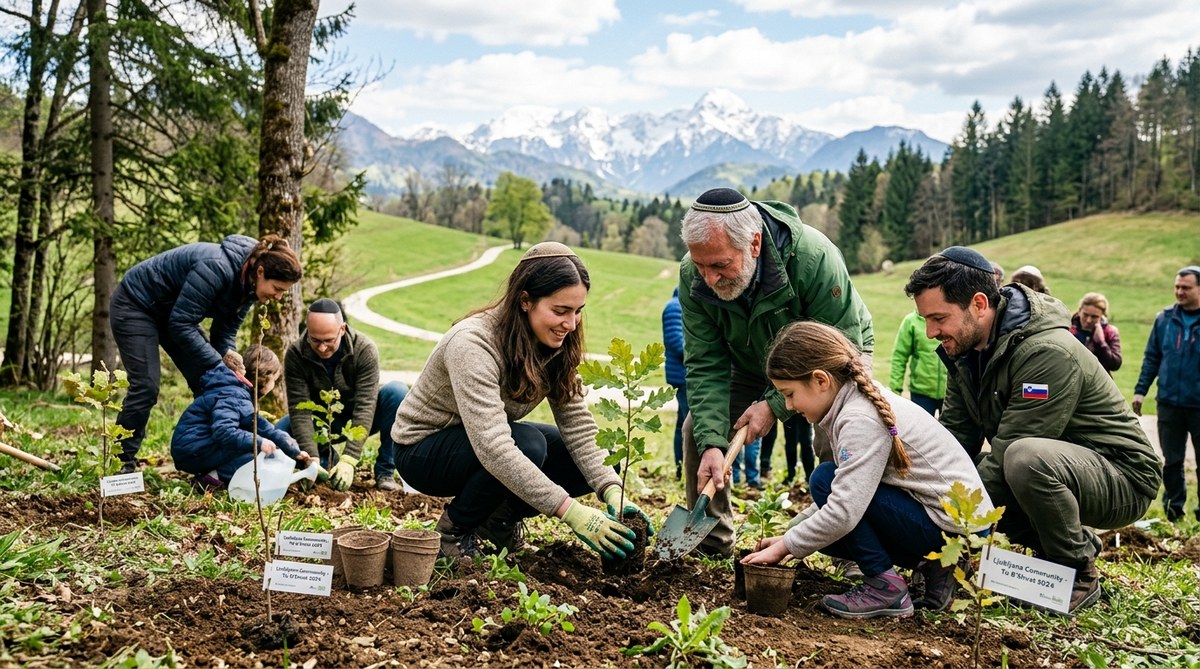
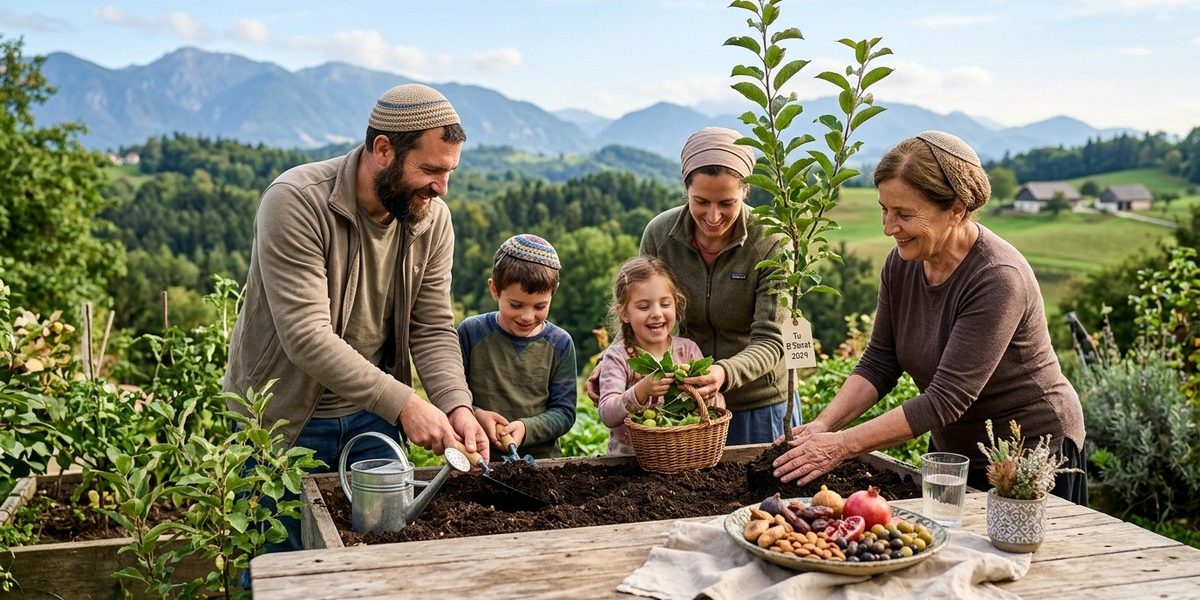
One of the most meaningful customs is planting trees. Families often choose native Slovenian species such as beech, oak, or fruit trees to symbolize growth and renewal. Community groups might organize tree planting events in parks, forests, or community gardens. This act of planting not only honors the environment but also creates a lasting legacy for future generations.
2. Festive Meals Featuring Fruits and Nuts
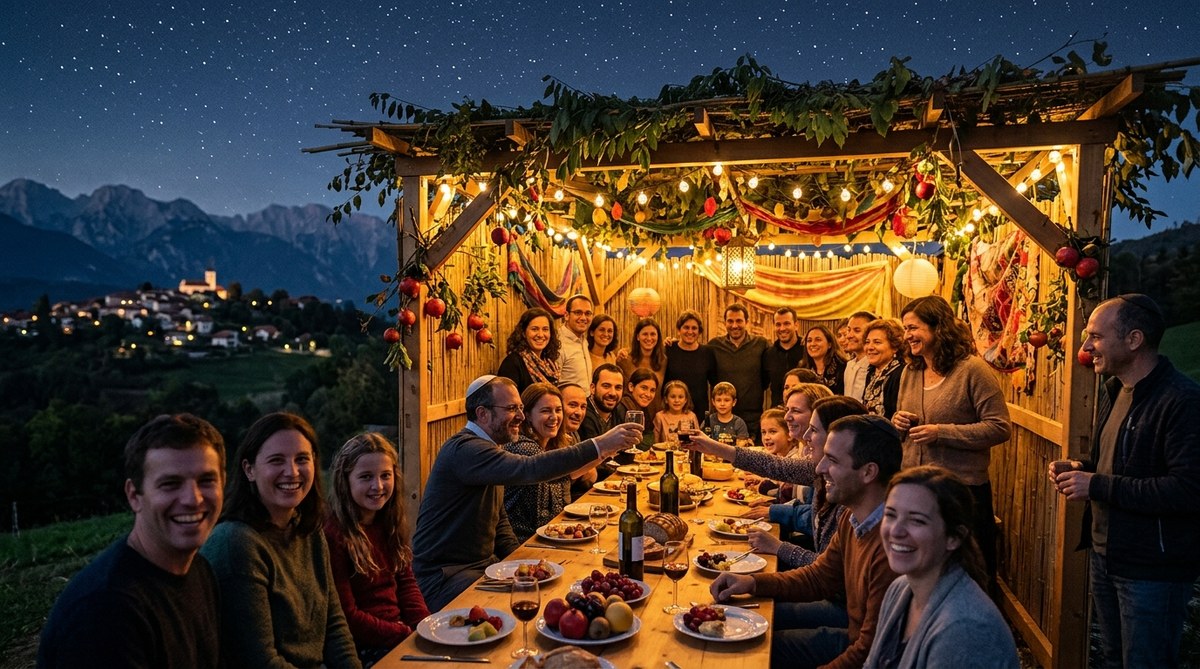
A traditional Tu B’Shvat seder involves eating fruits, especially those associated with the Land of Israel, and nuts. Slovenian families incorporate local seasonal fruits like apples, pears, and berries into their meals. Dried fruits and nuts are also popular, symbolizing abundance and the sweetness of life. Sometimes, special dishes are prepared using Slovenian ingredients, blending cultural heritage with local flavors.
3. Community Gatherings and Educational Events
Community centers and synagogues host gatherings where families can learn about the trees, nature, and their cultural significance. These events may include storytelling, singing traditional songs, and sharing knowledge about environmental stewardship. Some communities organize outdoor walks through Slovenian forests to connect with nature firsthand.
4. Environmental Initiatives and Sustainability Projects
Given the emphasis on caring for the earth, many Slovenian Jewish communities participate in environmental projects. These include clean-up drives, educational campaigns about sustainability, and efforts to protect local ecosystems. Such activities reinforce the values of stewardship embedded in Tu B’Shvat traditions.
Practical Steps to Celebrate Tu B’Shvat in Your Slovenian Jewish Family
If you’re inspired to participate in Tu B’Shvat customs, here are some practical steps:
-
Plan a Tree Planting Activity
Choose a suitable location, such as a community park or your backyard. Select native Slovenian trees or fruit-bearing plants. Gather family and friends to make it a communal event. -
Create a Tu B’Shvat Seder at Home
Prepare a simple meal featuring fruits and nuts. Use seasonal or local ingredients to connect with your environment. Share stories or readings related to trees and nature. -
Learn and Share Environmental Knowledge
Read about Slovenian forests and the significance of trees in Jewish tradition. Host a small educational session for children and adults in your family or community. -
Participate in or Organize Community Events
Join local Tu B’Shvat programs or initiate a nature walk in your area. Collaborate with local Jewish organizations or environmental groups. -
Support Local Conservation Efforts
Contribute to initiatives that protect Slovenian natural landscapes. Educate others about sustainable practices, emphasizing the importance of caring for the land.
Techniques for a Meaningful Tu B’Shvat Celebration and Common Mistakes to Avoid
| Technique | Description | Mistake to Avoid |
|---|---|---|
| Tree planting | Organize community or family planting events | Planting non-native species that could disrupt local ecosystems |
| Fruit selection | Use seasonal and local fruits for the seder | Relying solely on imported or out-of-season fruits |
| Educational activities | Share stories and environmental knowledge | Making the event purely recreational without educational value |
| Community involvement | Engage local organizations and neighbors | Celebrating in isolation without community participation |
An expert in Jewish environmental traditions advises, “Connecting with nature during Tu B’Shvat reminds us of our role as stewards of the earth. In Slovenia, blending local natural beauty with ancient customs creates a powerful, meaningful celebration.”
Connecting Heritage and Conservation in Slovenian Jewish Life
The customs surrounding Tu B’Shvat in Slovenia emphasize a deep respect for both tradition and the environment. Families see planting trees as a way to honor their ancestors and contribute to the land. Community events foster a sense of shared responsibility and reinforce cultural bonds. Over time, these practices help preserve not only the natural landscape but also the rich cultural identity of Slovenian Jewish communities.
Preserving and Passing Down Traditions
Young generations learn about the significance of trees and environmental care through hands-on activities and stories. This engagement ensures that the values of Tu B’Shvat remain vital and relevant. Additionally, integrating local flora into celebrations makes the customs more meaningful and rooted in the Slovenian landscape.
Involving the Whole Family
Children participate actively by planting trees, tasting fruits, and singing traditional songs. Such involvement makes the holiday memorable and instills a lifelong appreciation for nature and cultural heritage.
A Year-Round Connection to Nature and Tradition
While Tu B’Shvat offers a focal point for environmental reflection, its principles extend throughout the year. Slovenian Jewish families often incorporate eco-friendly practices into daily life. They support local farmers, reduce waste, and teach their children about sustainability. These efforts align with the holiday’s core message of growth, renewal, and responsibility.
A Warm Invitation to Celebrate and Reflect
Joining in Tu B’Shvat celebrations in Slovenia can be a deeply enriching experience. Whether through planting a tree, sharing a meal, or participating in community events, you can strengthen your bond with nature and heritage. Embracing these customs offers an opportunity to reflect on the importance of caring for the earth and honoring your cultural roots.
Cultivating a Lasting Connection to Nature and Heritage
As you consider how to mark Tu B’Shvat, think about small steps that resonate with your family and community. Plant a tree in your yard or local park, prepare a fruit-filled meal, or gather with loved ones outdoors. These acts foster a sense of stewardship and cultural continuity that can inspire future generations. Remember, celebrating Tu B’Shvat is about more than tradition—it’s about nurturing our environment and our community for years to come.