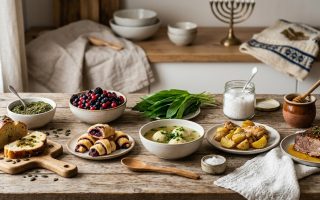
Jewish communities in Slovenia have woven their culinary traditions into the fabric of local culture for centuries. Among the most beloved expressions of this heritage are the traditional desserts that tell stories of resilience, faith, and shared history. These sweet treats go beyond mere flavor, serving as edible links to a vibrant past that continues to inspire both food lovers and researchers interested in Slovenian Jewish roots.
Slovenian Jewish desserts reflect a deep cultural history, blending local ingredients with traditional recipes that have been passed down through generations. These sweets symbolize resilience and community, offering a flavorful glimpse into Slovenia’s Jewish heritage and its enduring legacy.
The Cultural Significance of Slovenian Jewish Desserts
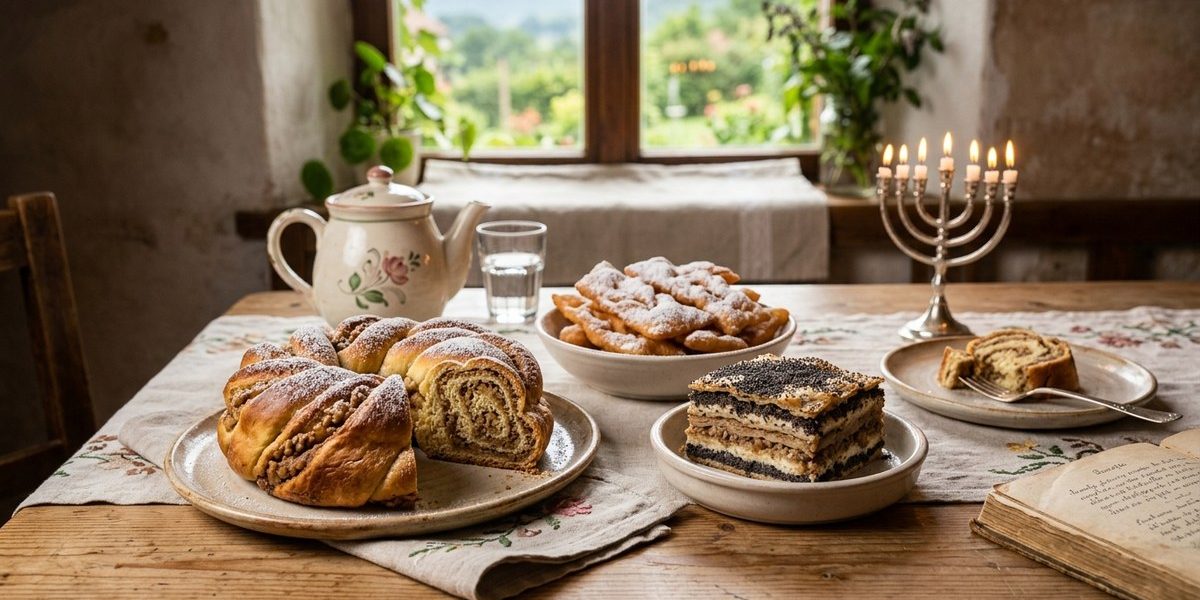
Jewish culinary traditions are rich with symbolism and history. In Slovenia, desserts such as honey cakes, nut rolls, and fruit-filled pastries are not only enjoyed during religious festivals but also serve as everyday reminders of a community that has thrived through times of change. These treats often incorporate ingredients like honey, nuts, and dried fruits, which have roots in local agriculture but also carry spiritual meanings.
Many of these desserts are tied to specific holidays. For instance, honey cakes symbolize sweetness and hope during Rosh Hashanah, while the traditional Passover matzah-based sweet dishes remind the community of liberation and faith. These culinary customs act as a bridge connecting past and present, preserving a Jewish identity within the Slovenian landscape.
Traditional Slovenian Jewish Desserts and Their Origins
Several desserts have become symbols of Slovenian Jewish heritage. Among them, potica, a nut-filled rolled pastry, stands out as both a national and community treasure. While potica is popular across Slovenia, Jewish families often prepare their own versions with unique fillings and techniques, reflecting their historical influences.
Another notable dessert is honey cake, a moist, layered treat flavored with honey and spices. Its origins trace back to medieval times when honey was a scarce but precious ingredient, symbolizing prosperity and divine blessing. Jewish communities adapted local recipes, infusing them with their own customs and meanings.
The sweet bread known as “štruklji” filled with fruit or nuts also has a special place in the tradition. These dumplings, often served during festivals, showcase the blending of Slovenian and Jewish culinary practices.
How to Make Slovenian Jewish Desserts at Home
Creating these traditional desserts can be a rewarding experience. Here is a simple step-by-step process for making a classic honey cake, a staple in Slovenian Jewish celebrations:
- Gather ingredients: honey, flour, sugar, eggs, baking powder, spices (cinnamon, cloves), and nuts for filling.
- Prepare the batter: mix honey, sugar, and eggs until smooth. Gradually add flour, spices, and baking powder, stirring until well combined.
- Bake: pour the batter into a greased baking pan. Bake in a preheated oven at 350°F for about 40 minutes or until a toothpick inserted comes out clean.
- Layer and flavor: once cooled, slice the cake into layers. Spread with a mixture of chopped nuts and honey or jam.
- Assemble and serve: refrigerate for a few hours to allow flavors to meld. Serve in slices, garnished with additional nuts or honey drizzles.
Techniques and Common Mistakes
| Technique | Mistake to Avoid |
|---|---|
| Properly measuring ingredients | Overmixing batter, leading to a dense texture |
| Using fresh, quality honey | Using old or overly processed honey |
| Baking at the right temperature | Opening oven door too early, causing collapse |
| Allowing baked goods to cool fully | Cutting into hot desserts, leading to crumbling |
The Role of Ingredients in Slovenian Jewish Sweets
Ingredients like honey, nuts, dried fruits, and spices are essential in creating authentic flavors. Honey symbolizes sweetness and divine blessing, while nuts represent fertility and abundance. Dried fruits such as apricots and prunes are common, reflecting local harvests and trade routes. Spices like cinnamon and cloves add warmth and depth, often associated with holiday festivities.
Incorporating local ingredients into traditional recipes illustrates how Slovenian Jewish communities adapted their sweets to regional flavors, making each dessert unique to its locale.
Expert Advice on Preserving and Celebrating Heritage Through Food
“These desserts are more than just treats; they are living symbols of history, faith, and resilience. Preserving these recipes helps maintain cultural identity and pass stories down through generations,” emphasizes Dr. Miriam Novak, a culinary historian specializing in Jewish food traditions in Slovenia.
Practical Steps for Celebrating Slovenian Jewish Food Heritage
For enthusiasts eager to connect with this culinary legacy, here are practical steps:
- Learn traditional recipes: gather family recipes or find authentic guides to bake your own Slovenian Jewish desserts.
- Participate in community events: join local festivals or cultural gatherings that celebrate Jewish heritage through food.
- Share stories and recipes: document and pass down recipes with personal anecdotes to keep traditions alive.
- Visit cultural centers: explore museums or centers dedicated to Slovenian Jewish history for deeper understanding.
- Incorporate into daily life: include these desserts in family meals, holiday celebrations, or as a way to honor ancestors.
Techniques and Tips for Authenticity
| Technique | Mistake to Avoid |
|---|---|
| Using regional ingredients | Rushing the preparation process |
| Respecting traditional methods | Altering recipes without understanding their significance |
| Paying attention to presentation | Serving desserts too cold or too warm |
Honoring the Past with Sweet Traditions
Slovenian Jewish desserts offer a delicious way to connect with history. They remind us of a community resilient through centuries, maintaining their faith and identity through culinary customs. Whether enjoyed during holidays, family gatherings, or quiet moments of reflection, these sweets serve as edible links to Slovenia’s diverse cultural tapestry.
By embracing these traditions and sharing their stories, we keep the spirit of Slovenian Jewish heritage alive. You might find that baking and savoring these desserts not only satisfies your palate but also deepens your appreciation for the rich cultural roots they embody.
A Tasty Journey Into Slovenian Jewish Heritage
In the end, traditional Slovenian Jewish desserts stand as edible monuments to the enduring spirit of community and faith. Incorporating these recipes into your own culinary repertoire can be a meaningful way to honor history and celebrate diversity. As you bake these sweets, consider the stories they carry and the generations they connect.
May your journey through these flavors inspire you to learn more about the vibrant history of Slovenian Jewish communities and to share their rich culinary legacy with others. Whether for a holiday, a family gathering, or simply to enjoy a sweet moment, these desserts offer a delicious way to keep cultural roots alive.