In the shadowed years of World War II, the Jewish community in Slovenia faced unimaginable peril. Yet, amid the darkness, stories of resistance, bravery, and rescue emerged. These Slovenian Jewish Holocaust survival stories reveal the resilience of individuals and communities determined to persevere despite overwhelming odds. They serve as powerful reminders of courage and hope, illustrating how even in the bleakest moments, human spirit can shine through.
Slovenian Jewish survival stories during the Holocaust highlight acts of resistance, daring rescue operations, and unwavering resilience, offering vital lessons on hope and human strength in dark times.
Understanding the Context of Slovenian Jewish Life During WWII
Slovenia, a small but historically rich part of Central Europe, was home to a vibrant Jewish community before the war. Jewish families contributed to the cultural, economic, and spiritual fabric of the region. When Nazi Germany and its allies occupied Slovenia in 1941, the Jewish community faced immediate danger. Many were deported to concentration camps, while others went into hiding or relied on local resistance networks.
Resistance was not just about fighting back militarily. It involved acts of defiance, clandestine aid, and risking lives to save others. These stories reveal how Slovenian Jews and their allies fought to survive through clever concealment, daring escapes, and the bravery of those who dared to resist.
Acts of Resistance and Rescue in Slovenian Jewish Communities
Resistance during the Holocaust took many forms in Slovenia. Some individuals engaged in active sabotage against occupying forces. Others participated in underground networks that helped Jews hide or escape deportation.
Key Resistance Techniques
- Hiding and Safe Houses: Many Slovenian Jews found refuge in homes of sympathetic locals or within hidden spaces crafted for concealment.
- Smuggling and Escape Routes: Resistance networks established clandestine routes to move Jews out of danger zones, often through forests or across borders.
- Disguise and False Documents: Using forged identities allowed some to evade detection temporarily.
- Underground Support: Local resistance groups, such as Partisans, played a critical role by providing safe passage and resources.
Mistakes and Challenges
| Technique | Common Mistakes |
|---|---|
| Relying solely on disguise | Being discovered due to unfamiliarity or slip-ups |
| Using forged documents | Detection due to poor quality or inconsistent details |
| Hiding in plain sight | Underestimating the vigilance of occupying forces |
Expert advice: “The success of resistance efforts depended heavily on community trust and meticulous planning. Small mistakes could have dire consequences, so secrecy was vital.”
Notable Rescue Stories
One remarkable Slovenian story involves a Jewish woman who, with her children, was hidden in a remote village for months. Thanks to the local farmer’s bravery and the trust within the community, she survived the war, later recounting her gratitude for those who risked everything to protect her.
Another inspiring case features a group of Partisans who orchestrated a daring rescue of Jewish families from deportation trains, risking their lives to forge safe passages through enemy lines.
The Role of the Slovenian Partisans in Jewish Survival
The Slovenian Partisans, a resistance movement fighting against Axis forces, played a pivotal role in saving Jews. They established safe zones, provided false papers, and coordinated escapes.
Techniques Used by Partisans
- Creating safe zones in forests and mountains
- Distributing false identity papers
- Providing food and medical aid
- Sabotaging Nazi operations to divert attention
Common Mistakes in Resistance
| Technique | Common Mistakes |
|---|---|
| Overreliance on hiding spots | Discovery due to inadequate concealment measures |
| Forging documents without verification | Detection through inconsistent details |
| Failing to coordinate effectively | Leads to exposure and arrest |
A historian notes: “The bravery of Slovenian Partisans and civilians created a fragile but vital network that saved many lives. Their efforts laid the groundwork for resilience and hope.”
Survivor Accounts: Personal Stories of Resistance and Rescue
Listening to personal accounts provides a vivid window into these experiences. Many survivors recall moments of fear, courage, and gratitude.
Examples of Personal Resilience
- A young man who escaped deportation thanks to a local farmer who hid him in a barn for months.
- A woman who survived by disguising herself as a non-Jewish Slovenian during her time in hiding.
- A family that managed to stay together because of a clandestine network of resistance fighters.
Techniques and Mistakes in Personal Resistance
| Technique | Mistakes to Avoid |
|---|---|
| Hiding in secluded places | Being discovered due to careless behavior or betrayal |
| Using false identities | Inconsistencies leading to suspicion |
| Relying on trusted allies | Betrayal or infiltration by enemies |
Lessons from Slovenian Jewish Resistance and Survival
These stories emphasize the importance of community, quick thinking, and unwavering courage. They remind us that resilience often depends on small acts of defiance, trust, and solidarity.
“Every act of resistance, no matter how small, contributed to saving lives and preserving dignity during a time of unimaginable horror,” emphasizes a Holocaust survivor.
How to Recognize and Honor Resistance Efforts Today
- Document and share survivor stories
- Support organizations that preserve Holocaust history
- Educate others on the importance of resistance and rescue efforts
Preserving the Legacy for Future Generations
The stories of Slovenian Jews who resisted and survived serve as a vital part of our collective memory. They teach us about the power of human resilience and the importance of standing against injustice.
Practical Steps to Engage
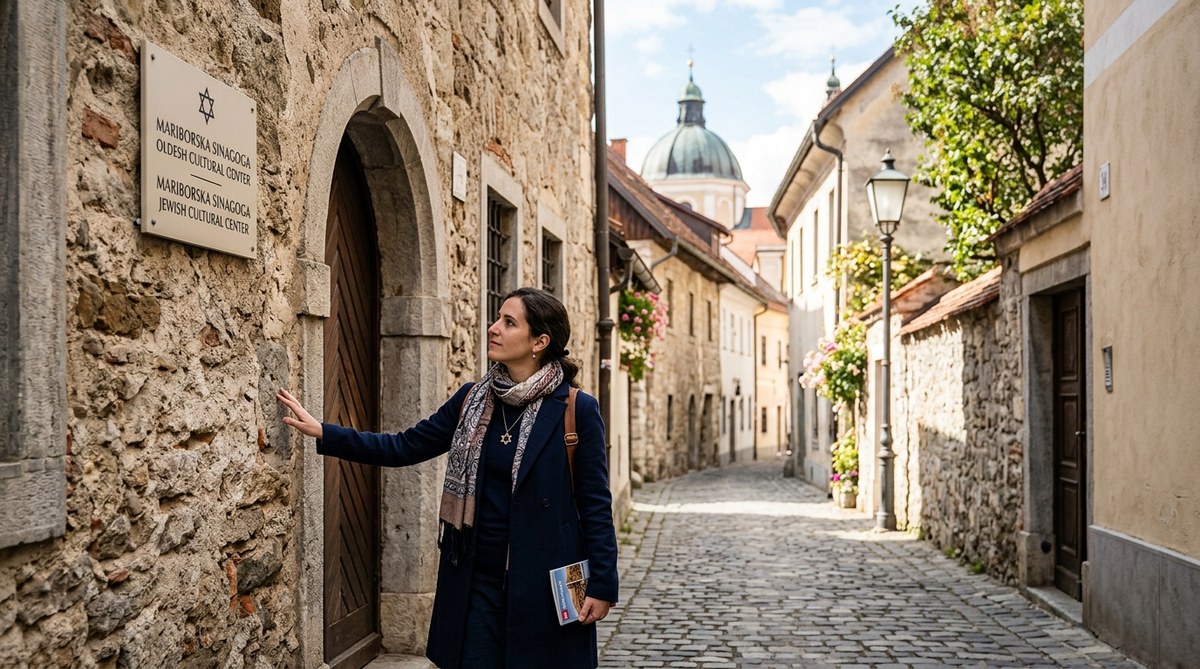
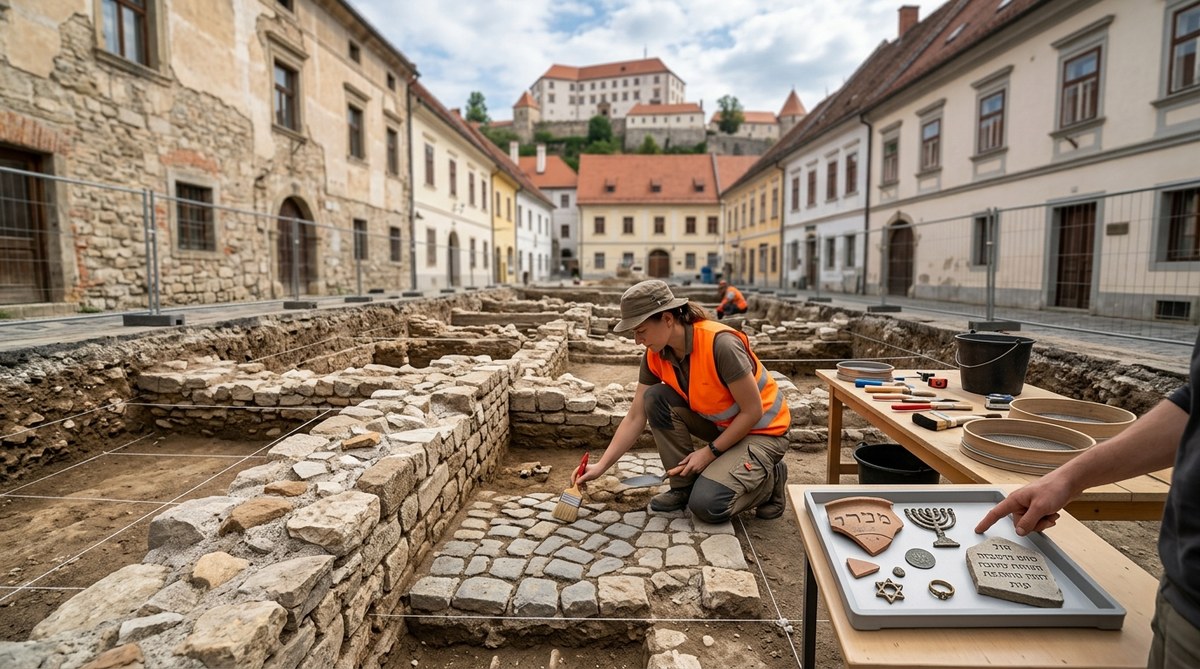
- Visit museums and memorials dedicated to Slovenian Holocaust history
- Read firsthand accounts to deepen understanding
- Participate in educational programs or remembrance events
Common pitfalls to avoid
| Mistake | How to Avoid |
|---|---|
| Forgetting the context | Always learn the historical background first |
| Overgeneralizing stories | Recognize individual experiences and nuances |
| Focusing only on victims | Celebrate acts of resistance and heroism |
Remember, honoring these stories helps ensure that the lessons of resistance and resilience continue to inspire future generations.
Honoring the Spirit of Resistance in Today’s World
The resilience of Slovenian Jews during the Holocaust offers universal lessons. Their stories remind us that even in the face of oppression, courage and solidarity can prevail.
By learning from these powerful histories, we can foster a culture of compassion, vigilance, and resistance against injustice wherever it appears.
Let these stories inspire you to recognize the strength in unity and act with courage when faced with moral challenges. Preserving the memory of resistance and rescue efforts ensures that the light of hope continues to shine brightly through history’s darkest moments.