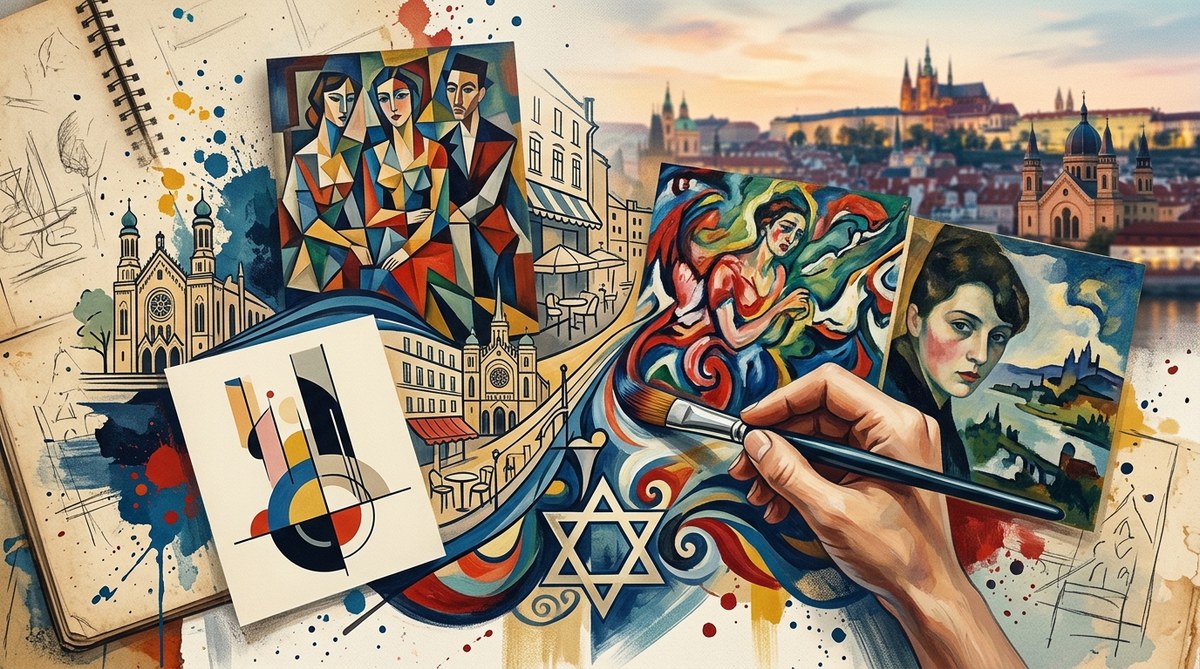
Jewish artists have played a pivotal role in shaping the course of modern European art. Their creative visions, often born out of complex histories and vibrant cultural backgrounds, have contributed to some of the most revolutionary art movements in Central Europe. From the early 20th century to today, their work challenges conventions, pushes boundaries, and enriches the artistic landscape. Understanding their influence offers a richer appreciation of modern art’s diversity and depth.
Jewish artists have significantly shaped modern European art through innovation, resilience, and cultural fusion, leaving a lasting mark on movements like [Expressionism](https://en.wikipedia.org/wiki/Expressionism), Cubism, and [Surrealism](https://en.wikipedia.org/wiki/Surrealism), and inspiring future generations of creators.
The Historical Context of Jewish Artists in Central Europe
Jewish communities have long been integral to the cultural fabric of Central Europe. Historically, they faced periods of both prosperity and hardship, which often influenced the themes and styles of their artistic work. In the late 19th and early 20th centuries, Jewish artists found new opportunities amid the vibrant art scenes in cities like Vienna, Prague, and Berlin.
Many Jewish artists engaged with contemporary movements, infusing them with unique perspectives rooted in their cultural identity. Their contributions spanned various genres, from painting and sculpture to graphic arts and avant-garde experiments. Despite facing discrimination and upheaval, these artists persisted, shaping modern art in profound ways.
Key Jewish Artists Who Shaped Modern European Movements
Egon Schiele and Expressionism
Egon Schiele remains one of the most influential Austrian painters. His raw, emotionally charged portraits and figure studies challenged traditional aesthetic standards. Schiele’s work exemplifies how Jewish artists embraced Expressionism’s focus on emotion and individual experience, often reflecting their own struggles with identity and societal expectations.
Marc Chagall and Surrealism
Belarusian-born artist Marc Chagall combined Jewish folklore with modernist techniques. His dreamlike compositions and vibrant colors bridged folk traditions and avant-garde art. Chagall’s work has become emblematic of how Jewish cultural themes can be integrated into modern art movements, enriching their depth and symbolism.
Käthe Kollwitz and Social Realism
German-Jewish artist Käthe Kollwitz used her art to address social issues, war, and human suffering. Her powerful prints and sculptures exemplify how Jewish artists contributed to Social Realism, emphasizing empathy and social justice through their work.
Oskar Kokoschka and Expressionism
A key figure in Austrian Expressionism, Kokoschka’s intense portraits and landscapes reflected psychological depth. His Jewish heritage and experiences during turbulent times influenced his approach to capturing human emotion.
Max Liebermann and Impressionism
Max Liebermann helped introduce Impressionism to Germany. His light-filled landscapes and scenes of everyday life demonstrated how Jewish artists adapted Western styles to their cultural context, fostering new artistic vocabularies.
How Jewish Artists Influenced Major Movements
Jewish artists did not merely participate in movements; they often led or redefined them. Their influence extends across several key styles:
- Expressionism: With its focus on emotional intensity, Expressionism resonated with the personal and often turbulent experiences of Jewish artists.
- Cubism: Jewish artists like Albert Gleizes played roles in the development of Cubism, emphasizing fractured perspectives and abstract forms.
- Surrealism: Chagall and others infused Surrealism with Jewish symbolism, dreams, and mysticism.
- Dada and Abstract Art: Many Jewish artists contributed to avant-garde movements that challenged norms and embraced chaos and abstraction.
Practical processes for appreciating and studying Jewish influence in art:
- Research historical backgrounds of Jewish artists and their communities.
- Analyze artworks for cultural symbols and themes.
- Connect styles and movements with personal and cultural histories.
- Visit museums and galleries featuring Jewish artists’ work to gain context.
- Attend lectures and read scholarly articles for deeper insights.
Techniques and Mistakes in Recognizing Jewish Influence
| Technique | Common Mistake |
|---|---|
| Looking for overt religious symbols | Missing subtle cultural influences |
| Assuming all Jewish artists have similar styles | Overgeneralizing diverse artistic approaches |
| Ignoring historical context | Overlooking personal and societal struggles |
| Focusing only on well-known figures | Neglecting lesser-known but influential artists |
Expert insight
“Understanding the influence of Jewish artists in modern European art requires appreciating their resilience and the unique cultural lenses they brought to their work,” advises Dr. Miriam Weiss, a scholar specializing in Central European art history.
The legacy of Jewish artists in contemporary art
Today, the legacy of Jewish artists continues to inspire. Their contributions challenge us to see art as a space for cultural dialogue, resilience, and innovation. Contemporary artists often draw on this rich heritage to push new boundaries and express complex identities.
Moving Forward: Embracing Artistic Diversity
Recognizing the profound impact of Jewish artists on modern European art helps foster a more inclusive understanding of art history. Their stories remind us that art thrives on diversity, resilience, and the courage to challenge norms. By studying their work, we gain insight into broader cultural currents and the power of creative expression to transcend adversity.
Whether you are an art enthusiast, student, or educator, embracing this history enriches your appreciation of modern art’s complexity. Engage with exhibitions, read about pioneering figures, and reflect on how cultural backgrounds shape artistic voices. Their stories are an inspiring testament to the enduring spirit of creativity.
Celebrating the Artistic Heritage that Continues to Inspire
The influence of Jewish artists in shaping modern European art is undeniable. Their innovative spirits and cultural narratives have left an indelible mark. By understanding their contributions, we not only honor their legacy but also recognize the importance of diversity in shaping our artistic future. Keep exploring, questioning, and celebrating these vibrant stories. Art is richer and more meaningful when it reflects a tapestry of backgrounds, histories, and visions.