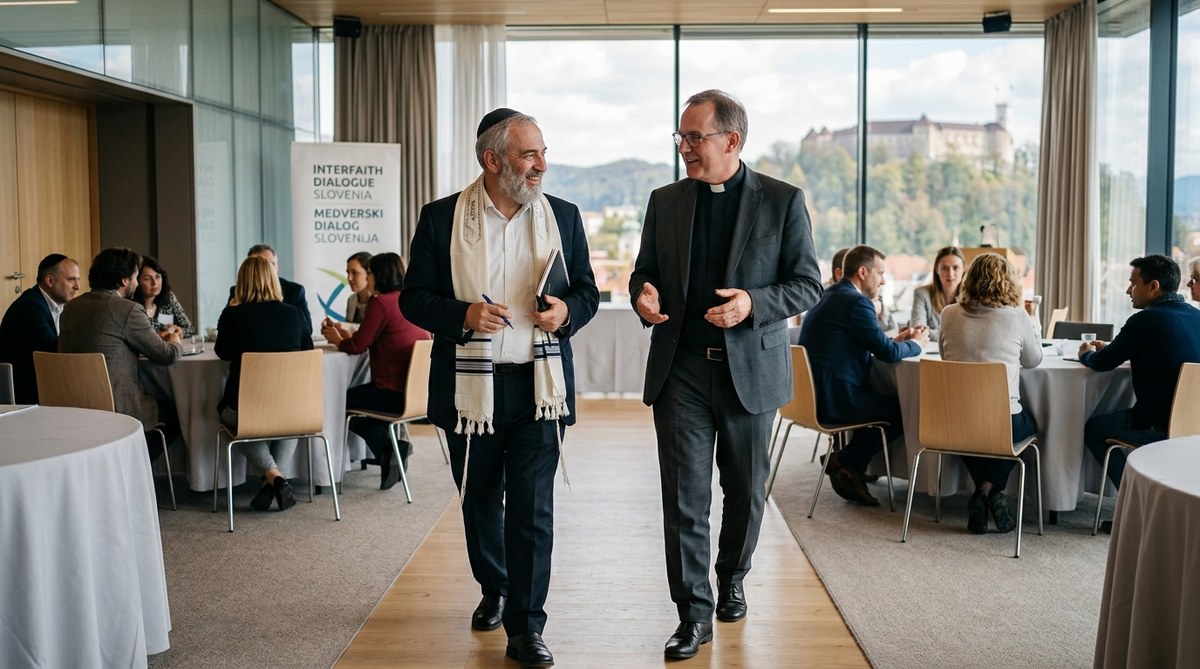
Building bridges between different faith communities can be a powerful way to promote mutual understanding and peaceful coexistence. Slovenia, with its rich tapestry of religious traditions, has become a meaningful place for interfaith dialogue. These conversations go beyond words, fostering respect, empathy, and shared values. As more individuals and organizations engage in these dialogues, Slovenia is setting an inspiring example of how respectful communication can break down barriers and create a more inclusive society.
Interfaith dialogue in Slovenia nurtures understanding among diverse religious communities, fostering coexistence through respectful conversations and shared stories. Practical steps include creating platforms, building trust, and learning each other’s histories. These efforts lead to stronger, more inclusive communities where different faiths thrive side by side, enriching Slovenia’s cultural fabric.
The Roots of Interfaith Relations in Slovenia
Slovenia’s history is woven with diverse religious influences, including Christianity, Judaism, Islam, and others. Historically, different faith communities have coexisted within its borders, sometimes peacefully and other times with tension. In recent decades, there has been a conscious effort to develop dialogue platforms that promote understanding and respect. Initiatives like interfaith roundtables and community events serve as vital spaces where members of different religions come together to share their stories and learn about each other’s traditions.
Building Trust Through Personal Stories and Shared Values
One of the most effective ways to foster interfaith dialogue in Slovenia involves sharing personal stories. When individuals reveal their own experiences and beliefs, it humanizes abstract ideas and helps build empathy. For example, a Slovenian rabbi and a Protestant pastor recently participated in a dialogue where they discussed their faith journeys. Their stories highlighted common values like kindness, charity, and community service. Such exchanges demonstrate that despite differences, many core principles unite us.
How to Start Interfaith Conversations
Engaging in interfaith dialogue requires intentional steps. Here are practical ways to begin:
- Identify common ground: Focus on shared values such as compassion, justice, or community service.
- Create safe spaces: Organize informal gatherings or panel discussions where participants feel comfortable sharing.
- Invite diverse voices: Ensure representation from different faiths, backgrounds, and age groups.
- Encourage storytelling: Allow participants to share personal faith journeys to foster understanding.
- Build ongoing relationships: Maintain regular meetings to deepen connections and trust.
Practical Process for Developing Interfaith Dialogue
To develop effective interfaith initiatives in Slovenia, consider these steps:
- Assess community needs and interests: Understand what issues or topics resonate with local faith groups.
- Partner with local organizations: Collaborate with churches, mosques, synagogues, and cultural centers.
- Design inclusive programs: Plan events that are welcoming and accessible to all.
- Facilitate respectful communication: Train facilitators to guide conversations positively.
- Evaluate and adapt: Gather feedback and adjust programs to better serve community goals.
Techniques That Foster Genuine Understanding
Successful interfaith dialogue relies on specific techniques that promote openness and respect. Here are some proven methods:
| Technique | Purpose | Common Mistakes |
|---|---|---|
| Active listening | Ensures participants truly hear each other’s perspectives | Interrupting or dismissing others’ stories |
| Empathy exercises | Builds emotional connection | Forcing agreement instead of understanding |
| Storytelling | Personalizes faith experiences | Overgeneralizing or stereotyping |
| Questioning with curiosity | Opens pathways for deeper dialogue | Challenging beliefs aggressively |
| Shared rituals or service projects | Creates shared experiences | Superficial participation without genuine engagement |
“Building trust in interfaith dialogues requires patience and a willingness to listen without judgment. When people feel heard and respected, barriers begin to break down naturally,” advises Dr. Ana Novak, a Slovenian interfaith expert.
Overcoming Challenges and Avoiding Common Pitfalls
Even with good intentions, interfaith initiatives can face challenges. Misunderstandings, stereotypes, or fear of controversy may hinder progress. To navigate these hurdles:
- Acknowledge differences honestly but focus on commonalities.
- Avoid proselytizing or attempting to convert others.
- Respect each tradition’s integrity and avoid appropriating rituals.
- Stay patient as trust takes time to build.
- Address conflicts openly but with sensitivity.
Mistakes to Watch For
| Mistake | Impact | How to Avoid |
|---|---|---|
| Ignoring historical tensions | Reinforces stereotypes | Educate participants about historical context |
| Focusing only on similarities | Overlooks real differences | Respectfully address differences and learn from them |
| Rushing relationships | Superficial understanding | Allow time for genuine connections to develop |
| Using jargon or complex language | Alienates participants | Communicate clearly and simply |
Success Stories That Inspire Confidence
In Slovenia, there are inspiring examples of interfaith collaboration. For instance, a joint community project between Jewish and Christian groups revitalized a local park, symbolizing unity. Another example involves interfaith roundtables at universities, where students learn about different religious traditions and develop mutual respect. These stories prove that even small efforts can create ripple effects of understanding.
The Role of Education and Youth Engagement
Engaging young people is crucial. Schools and universities are ideal places for fostering interfaith understanding. Educational programs that include visits to religious sites, discussions led by faith leaders, and interfaith youth camps help break down misconceptions early. Encouraging youth to participate actively in community service and dialogue initiatives lays a foundation for a more inclusive future.
Maintaining Momentum and Ensuring Long-Term Impact
Sustaining interfaith dialogue requires ongoing commitment. Communities can:
- Establish regular events and celebrations of religious diversity.
- Develop community newsletters or online platforms sharing stories and updates.
- Recognize and celebrate milestones in interfaith cooperation.
- Involve local authorities to support and promote dialogue initiatives.
- Encourage personal reflection and storytelling to deepen understanding.
Final Reflections on Building Bridges in Slovenia
Interfaith dialogue in Slovenia exemplifies how respectful conversations and shared stories can transform communities. It is about more than just talking; it’s about listening, understanding, and finding common ground. As individuals and institutions continue to nurture these efforts, Slovenia’s diverse religious landscape becomes a source of strength rather than division.
By starting with simple steps—listening, sharing stories, and building trust—anyone can contribute to creating a more tolerant and compassionate society. Embracing our differences while celebrating our shared values can lead to peaceful coexistence and a richer cultural tapestry for generations to come.
Leave a Reply