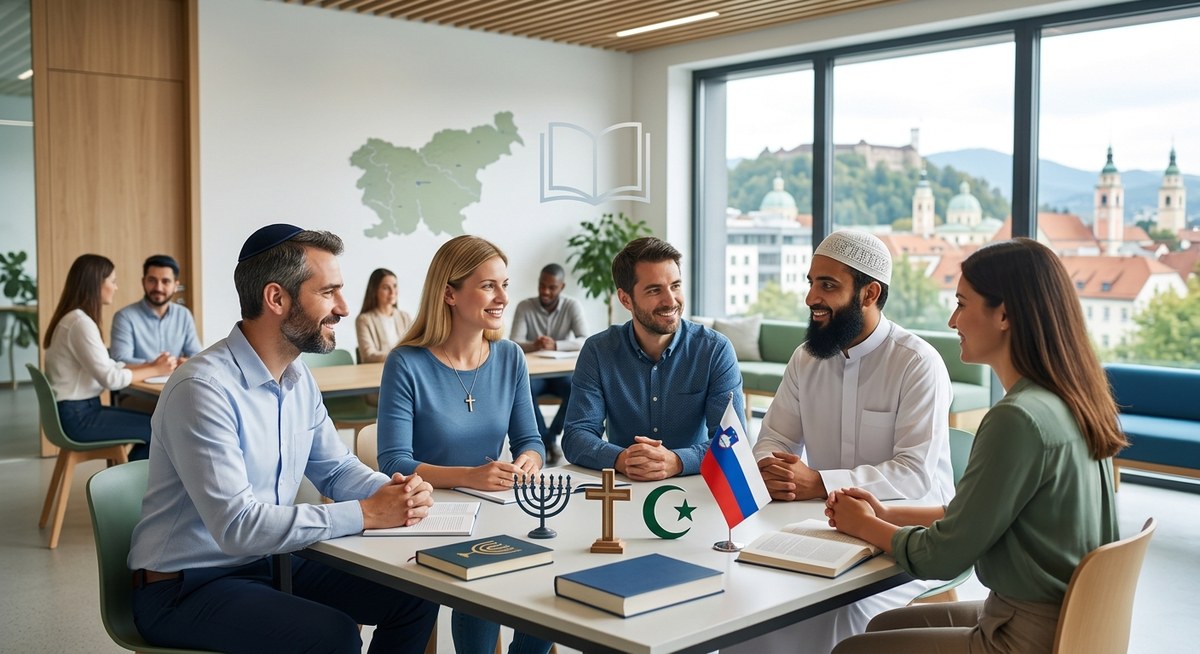
Interfaith dialogue in Slovenia has become a vital tool in combating antisemitism and fostering mutual understanding among diverse communities. While Slovenia is known for its peaceful coexistence, recent years have seen challenges linked to prejudice and misunderstandings. Addressing these issues requires more than laws and policies; it demands meaningful conversations and shared experiences among different faiths and cultures. Slovenia’s experience shows that open dialogue can serve as a powerful method to create lasting change and build a more inclusive society.
Slovenia’s interfaith initiatives demonstrate that honest conversations and collaborative efforts can significantly reduce antisemitism. These programs foster understanding, dispel myths, and build bridges between communities, creating a safer and more tolerant society for everyone.
Understanding the roots of antisemitism in Slovenia
Antisemitism in Slovenia, like in many parts of Europe, has complex historical and social roots. During different periods, prejudices, stereotypes, and misinformation contributed to discrimination and exclusion of Jewish communities. World War II and the Holocaust left scars that still influence societal perceptions today. Despite the country’s relatively peaceful history, recent incidents remind us that antisemitism remains a concern. Addressing these challenges involves both education and engagement with communities that have historically been misunderstood or marginalized.
How interfaith dialogue is transforming Slovenian communities
Interfaith dialogue in Slovenia plays a crucial role in transforming perceptions and fostering respect. By creating spaces where people of different faiths, including Jewish, Christian, Muslim, and others, can exchange ideas and share experiences, communities build empathy and break down stereotypes. These interactions often happen through community events, educational programs, and joint projects. When individuals learn about each other’s traditions and histories, prejudices tend to diminish.
Practical processes for fostering interfaith understanding
-
Organize community roundtables
Invite representatives from various faith communities to discuss common values, challenges, and ways to support each other. These meetings help build personal relationships and mutual trust. -
Develop educational programs
Create school curricula and public workshops that highlight shared histories and religious practices. Education can dispel myths and promote accurate understanding. -
Collaborate on community projects
Joint initiatives like charity events, cultural exhibitions, or interfaith festivals foster teamwork and demonstrate the strength of diversity.
Key techniques to promote dialogue and avoid pitfalls
| Techniques | Common mistakes |
|---|---|
| Active listening and empathy | Ignoring differing viewpoints or dismissing concerns |
| Emphasizing shared values | Focusing only on differences to highlight division |
| Facilitated dialogue with trained moderators | Allowing conversations to become confrontational or divisive |
| Inclusion of youth programs | Overlooking the importance of engaging younger generations |
“Creating honest, respectful conversations is the backbone of reducing prejudice,” advises Dr. Ana Novak, a scholar of interfaith relations in Slovenia. “When communities listen to each other’s stories, misconceptions fade, and understanding grows.”
Lessons from Slovenia’s community education programs
Slovenia’s community education initiatives serve as a model for how sustained effort can reshape attitudes. These programs combine historical lessons, cultural exchanges, and personal storytelling. They emphasize that education is not just about facts but about building emotional connections.
One program, for example, involves visits to Jewish cultural sites, storytelling sessions by Holocaust survivors, and joint art projects. These activities humanize history and foster empathy among participants. The success of these programs relies on consistent engagement and the inclusion of diverse voices.
Practical steps for educators and policymakers
-
Integrate interfaith history into school curricula
Include lessons on the Holocaust, Jewish traditions, and interfaith collaborations to foster early understanding. -
Support cultural exchange programs
Facilitate visits to religious sites and organize interfaith festivals that celebrate diversity. -
Train educators and community leaders
Provide training on how to facilitate sensitive discussions and handle challenging questions.
Common pitfalls to avoid
- Relying solely on historical facts without emotional engagement
- Excluding community voices from program development
- Focusing only on conflicts rather than shared humanity
| Technique | Mistake to avoid |
|---|---|
| Personal storytelling | Using impersonal lectures that alienate participants |
| Community-led initiatives | Imposing top-down programs without local input |
| Consistent engagement | One-off events that do not foster ongoing relationships |
Building sustainable relationships across faiths
Sustainable interfaith relationships depend on ongoing dialogue and mutual respect. These relationships help communities respond to emerging challenges and prevent prejudice from taking root again.
Effective approaches include creating local interfaith councils, supporting joint community service projects, and maintaining open lines of communication. When communities work together regularly, trust deepens, and the likelihood of prejudice diminishes.
Practical processes for long-term collaboration
-
Establish interfaith councils
Bring together leaders from different faiths to coordinate community initiatives and respond to incidents of discrimination. -
Create shared community spaces
Develop centers where diverse groups can meet, learn, and celebrate together. -
Maintain ongoing communication channels
Use newsletters, social media, and regular meetings to keep dialogue alive and address new issues promptly.
Techniques to sustain progress
- Prioritize relationship-building over mere event organization
- Celebrate small victories and milestones together
- Foster transparency and shared decision-making
Challenges and how to overcome them
Despite positive strides, challenges remain. Resistance from some community members, historical grievances, and misunderstandings can hinder progress. Addressing these issues requires patience, persistence, and a focus on shared goals.
Common mistakes include avoiding difficult conversations or only engaging with like-minded individuals. Instead, inclusive outreach and transparency help expand the reach of interfaith initiatives.
Expert advice on overcoming obstacles
“Building trust takes time,” notes Rabbi Marko Zupan. “Consistent engagement, transparency, and genuine listening are key. When communities see sincere efforts, resistance often gives way to cooperation.”
A future rooted in shared understanding
Slovenia’s experience proves that interfaith dialogue is a practical, impactful way to counter antisemitism. By fostering conversations built on respect, shared values, and education, societies can create resilient communities that stand against prejudice.
Encouraging policymakers, educators, and community leaders to prioritize and expand these initiatives can make a lasting difference. Small steps taken today can lead to a more tolerant and understanding Slovenia tomorrow.
Final thoughts for communities and individuals
Everyone has a role in shaping a society free from prejudice. Starting with open conversations, actively listening, and sharing stories can create ripples of change. Whether through community events, school programs, or personal interactions, each effort counts.
By working together in dialogue and cooperation, Slovenia demonstrates that the path to reducing antisemitism is paved with understanding, respect, and shared humanity. Your participation can help foster a future where diversity is celebrated and everyone feels safe and valued.
Leave a Reply