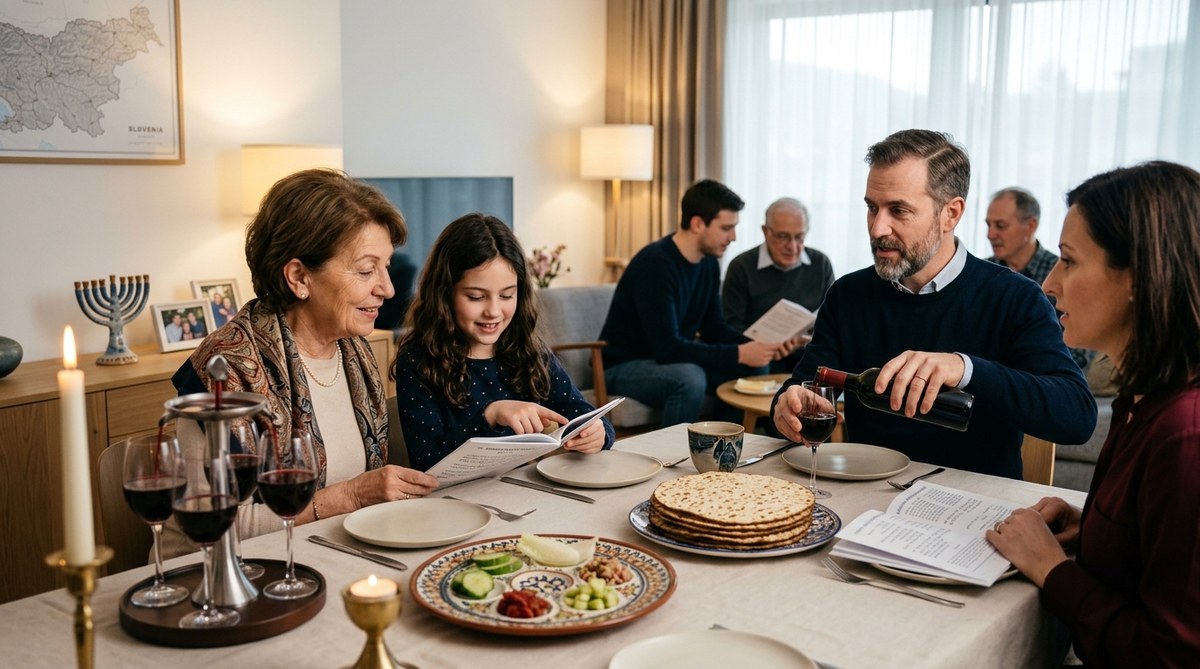
Jewish families in Slovenia observe Passover with a blend of tradition, local customs, and renewed community spirit. Despite Slovenia’s small Jewish population, these families maintain meaningful rituals that connect them to their history and faith. Passover, known as Pesach, is a time of remembrance, family gathering, and cultural expression. Slovenian Jewish traditions reflect a unique heritage shaped by centuries of history, resilience, and a desire to keep their culture alive.
The roots of Slovenian Jewish Passover customs
Jewish communities have lived in what is now Slovenia for centuries. Their traditions have evolved over time, influenced by local culture and the broader history of Jewish life in Central Europe. Historically, Slovenian Jews observed Passover with home rituals, storytelling, and community gatherings. Although many community centers and synagogues faced challenges during periods of upheaval, families kept the core elements of Passover alive.
Today, these customs are a testament to resilience. They serve as a bridge connecting generations and reaffirming identity. Many families in Slovenia view Passover as an important occasion to teach children about their heritage while celebrating shared history.
How Slovenian families prepare for Passover
Preparation for Passover begins weeks in advance. Families clean their homes thoroughly to remove chametz—leavened bread or products containing wheat, barley, rye, oats, or spelt. This act symbolizes spiritual cleansing and liberation from Egypt.
- Cleaning and purging: Families go through their kitchens, removing all chametz. This tradition is taken seriously, often involving children in the process to instill a sense of participation and tradition.
- Seder plate setup: Each family prepares a Seder plate with symbolic foods like maror (bitter herbs), charoset (a sweet mixture representing mortar), and a roasted shank bone. These items tell the story of liberation and hardship.
- Storytelling and education: Parents and elders recount Passover stories, emphasizing themes of freedom, resilience, and faith. In Slovenia, storytelling often incorporates local history, making the narrative more relatable.
These steps are not just about ritual but serve as a way to pass down cultural values and history to younger generations.
Celebrating Passover in Slovenian homes
On the first two nights of Passover, families gather around the table for the Seder. The Slovenian version of the Seder often includes traditional prayers, songs, and storytelling, with some local adaptations.
- Lighting candles: The holiday begins with candle lighting, symbolizing the start of freedom.
- Reading the Haggadah: The story of Exodus is read from a special text, sometimes with Slovenian translations or additional commentary.
- Eating matzah: Unleavened bread plays a central role, reminding families of the haste with which they left Egypt.
- Sharing meals: The meal features symbolic foods and a variety of traditional dishes, often prepared with Slovenian ingredients or culinary influences.
Many families also incorporate community elements, such as inviting friends or neighbors to join in the celebration, fostering a sense of unity.
Unique Slovenian Passover traditions
While core rituals are similar to those elsewhere, Slovenian Jewish families have developed some distinctive customs. These include:
- Local storytelling: Incorporating stories about Slovenian Jewish history or notable community members into the Seder.
- Music and songs: Traditional Passover songs are sung alongside Slovenian folk melodies, blending cultural influences.
- Community gatherings: In some regions, families organize communal Seders or participate in local Jewish events, strengthening bonds across generations.
- Heritage preservation: Some families visit historical sites, such as former synagogues or cemeteries, to honor their ancestors and keep their memory alive.
These practices deepen the meaning of Passover, emphasizing both religious devotion and cultural identity.
Preserving traditions through storytelling and education
Storytelling is at the heart of Slovenian Passover celebrations. Elders pass down tales of perseverance, resistance, and hope. They also share stories of Slovenian Jewish families who contributed to local society.
“Sharing stories connects us to our ancestors and reminds us of the strength needed to preserve our traditions,” says a Slovenian Jewish community leader.
Educational programs and community events help keep these stories alive. Schools and cultural centers often host Passover workshops, lectures, and exhibitions. These efforts ensure that younger generations understand and appreciate their heritage.
Challenges and opportunities for Slovenian Jewish Passover observance
Despite a small community, Slovenian Jews face challenges in maintaining their traditions. These include demographic shifts, migration, and limited access to community centers. However, many families adapt creatively:
- Organizing virtual Seder nights to include relatives across Slovenia or abroad.
- Sharing recipes and stories online to foster community engagement.
- Collaborating with cultural institutions to promote awareness of Jewish history and customs.
By embracing innovation while honoring tradition, Slovenian families keep Passover vibrant and relevant.
| Technique | Common Mistakes | Tips for Success |
|---|---|---|
| Home cleaning | Missing spots or rushing | Use checklists and involve family members |
| Seder storytelling | Overloading with details | Keep stories engaging and age-appropriate |
| Ritual observance | Forgetting symbolic foods | Prepare in advance and double-check the Seder plate |
| Community participation | Isolating celebrations | Invite neighbors or join local events |
The importance of community and memory
Passover in Slovenia is not only a family affair but also a communal act. Many families participate in local or national Jewish events. These gatherings strengthen bonds and reaffirm shared identity. Visiting Jewish cemeteries and historical sites helps preserve collective memory and honor ancestors.
Maintaining traditions in Slovenia often involves balancing modern life with centuries-old customs. Technology plays a role, with families sharing photos, recipes, and stories online. This keeps their heritage accessible, especially for younger generations living abroad or in urban centers.
A future rooted in tradition and hope
Slovenian Jewish families continue to cherish Passover as a time of renewal. Their traditions serve as a reminder of resilience and hope. By passing down stories, rituals, and values, they ensure their heritage survives for generations to come.
Participating in these customs, whether through a family Seder or community event, reinforces a deep connection to history and faith. It also offers an opportunity to celebrate cultural diversity within Slovenia.
As families gather around the table each year, they reaffirm their identity and look forward with hope. Their dedication keeps the spirit of Passover alive in Slovenia, bridging the past and future.
Keeping the flame of tradition alive in Slovenia
In Slovenia, Jewish families approach Passover with pride and purpose. They adapt age-old customs to fit their modern lives, ensuring that their traditions continue to thrive. Whether through storytelling, community involvement, or personal rituals, they keep their heritage vibrant.
If you are interested in learning more about Slovenian Jewish culture, visiting local museums or engaging with community organizations can be enriching. Celebrating Passover is a powerful way to connect with history, faith, and community.
By embracing these traditions, everyone can contribute to preserving a rich cultural legacy that spans centuries. Sharing these customs with others fosters understanding and respect across diverse communities.
Leave a Reply