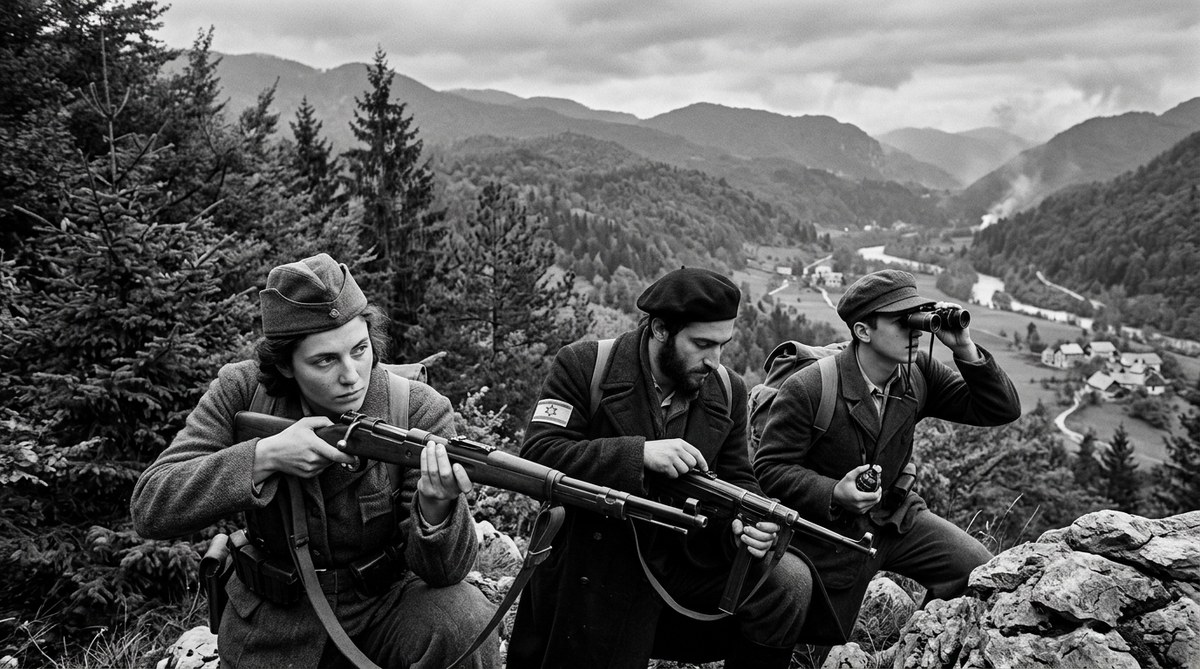
Jewish partisan fighters in Slovenia during World War II played a vital role in resisting the Nazi occupation and fighting for freedom. Their stories of courage and resilience are a testament to the enduring spirit of resistance within the Jewish community. In Slovenia, a country marked by its complex history and diverse cultural tapestry, Jewish fighters contributed significantly to the broader fight against fascism. This article sheds light on their brave actions, the challenges they faced, and how their legacy continues to inspire today.
Jewish partisan fighters in Slovenia WWII exemplify resilience and resistance. Their stories highlight the bravery of the Jewish community during dark times and their lasting impact on Slovenian history and memory.
The Roots of Jewish Resistance in Slovenia
Slovenia’s Jewish community has a long history dating back centuries, marked by periods of growth and hardship. During World War II, as Nazi forces occupied Slovenia, Jewish residents faced persecution, deportation, and violence. Despite these dangers, some members of the community chose resistance. Jewish fighters in Slovenia joined partisan groups or operated independently to oppose the occupation, risking their lives to save others and fight for justice.
Resistance was not only a fight against external enemies but also an act of preserving dignity and identity. Many Jewish fighters saw their participation as a continuation of their community’s resilience through centuries of adversity. Their involvement often included sabotage, gathering intelligence, and aiding in the rescue of fellow Jews and other persecuted groups.
Jewish Partisan Fighters in Slovenia During WWII
The story of Jewish partisan fighters in Slovenia is one of bravery amid peril. They worked alongside Slovenian resistance groups, contributing vital intelligence and participating in armed confrontations against Axis forces. Their involvement is documented through testimonies, wartime documents, and historical research that reveal their active role in the broader partisan movement.
While exact numbers are difficult to determine, historical accounts suggest that dozens of Jewish men and women took part in the resistance efforts. These fighters often faced double dangers: the threat of Nazi reprisals and the risks inherent in partisan warfare. Despite this, they persisted, driven by a deep-seated desire to oppose tyranny and protect their loved ones.
Challenges Faced by Jewish Fighters
Jewish fighters encountered numerous obstacles during their resistance activities. They faced constant surveillance, the threat of betrayal, and the difficulty of operating covertly in hostile territory. Many had to hide their identities to avoid detection by Nazi authorities and collaborators.
Additionally, they often lacked proper weapons, supplies, and safe havens. Despite these hardships, their determination never waned. Their stories are filled with acts of heroism and sacrifice, illustrating that even in the darkest times, hope and resistance can flourish.
Stories of Heroism and Resistance
One notable figure was a Jewish woman who, along with her partisan unit, sabotaged Nazi supply lines and provided aid to civilians hiding from persecution. Her story exemplifies the courage of many Jewish fighters who risked everything for the cause.
Similarly, a group of young Jewish men and women formed a clandestine communication network that relayed critical information to partisan commanders. Their efforts helped coordinate attacks and maintain morale within the resistance.
“The courage of Jewish fighters in Slovenia during WWII proves that resistance is a universal act of defiance against oppression, regardless of background or religion,” says historian Dr. Ana Kranjc.
These stories have been preserved through oral histories, museums, and memorials, ensuring that their sacrifices are remembered for generations to come.
The Impact of Jewish Resistance on Slovenian History
Jewish fighters in Slovenia contributed significantly to the overall resistance movement. Their actions not only hampered Nazi operations but also demonstrated the unity of diverse groups fighting for a common goal. Their participation challenged stereotypes and reinforced the idea that resistance was a collective effort rooted in shared values of freedom and dignity.
Post-war, their stories became symbols of resilience and hope. Memorials and educational programs aim to honor their memory, emphasizing the importance of standing against injustice. Their legacy continues to inspire current generations to advocate for human rights and remember the past.
How to Learn More and Support the Memory of Jewish Fighters
- Visit local museums and memorials dedicated to WWII resistance and Jewish history in Slovenia.
- Read firsthand accounts and testimonies from survivors and resistance members.
- Participate in educational programs or community events that commemorate resistance efforts.
- Support organizations working to preserve Jewish cultural heritage and historical sites.
- Engage with scholarly research to deepen understanding of Slovenian WWII history and Jewish resistance.
Practical steps for research and remembrance
- Collect oral histories from relatives or community members who have stories of resistance.
- Attend lectures or seminars focused on WWII resistance movements in Slovenia.
- Volunteer at cultural centers or museums that highlight Jewish and Slovenian history.
- Promote awareness of the Jewish resistance movement through social media or community discussions.
- Support the preservation of historical sites related to WWII resistance efforts.
| Techniques for Remembering | Common Mistakes to Avoid |
|---|---|
| Honoring local heroes through memorials | Overlooking lesser-known fighters |
| Documenting oral histories | Relying solely on written records |
| Supporting cultural preservation initiatives | Ignoring the importance of community engagement |
| Educating youth about resistance history | Using insensitive language or stereotypes |
Preserving Legacy Through Education and Memory
Understanding the stories of Jewish partisan fighters in Slovenia WWII helps keep their memory alive. Schools, museums, and cultural organizations play a crucial role in sharing these narratives. By learning about their sacrifices, communities can foster a sense of shared history and resilience.
Participating in remembrance events, such as memorial days or cultural festivals, strengthens the connection to the past. These activities honor the courage of those who fought and serve as reminders of the ongoing fight against intolerance and hate.
“Remembering resistance fighters ensures that future generations understand the importance of standing up for justice and human dignity,” emphasizes educator Marko Novak.
Supporting these efforts guarantees that their stories will continue to inspire and educate.
As we reflect on the brave actions of Jewish partisan fighters in Slovenia during WWII, it becomes clear that their legacy transcends time. Their resistance exemplifies the power of courage and conviction in the face of adversity. Today, their stories serve as a beacon of hope and a call to preserve the lessons of history.
Encourage yourself and others to learn more about these remarkable fighters. Sharing their stories can foster empathy and understanding, ensuring that their sacrifices are never forgotten. Remember, resistance is a universal act rooted in the human desire for freedom and dignity. Their bravery in Slovenia during WWII continues to remind us of the importance of standing against oppression, no matter the odds.
Let their stories inspire your own acts of kindness, justice, and resilience. The lessons of the past can guide us to build a more compassionate and courageous future.
Leave a Reply