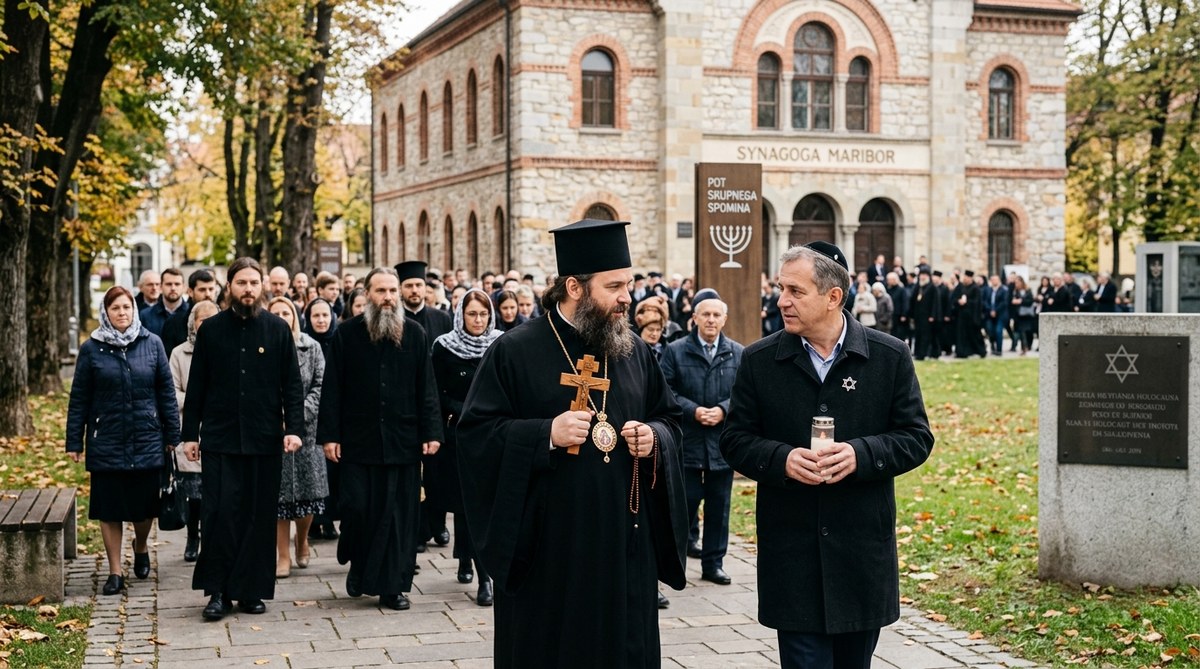
Understanding the rising participation of Orthodox Christians in Jewish Holocaust remembrance events across Slovenia reveals a story of compassion, shared history, and a commitment to human dignity. This growing engagement signifies more than mere attendance; it reflects a genuine effort toward building bridges between communities long separated by history and tradition. As these interfaith interactions deepen, they contribute to a more unified Slovenian society rooted in mutual respect and shared memory.
Orthodox Christians are attending Jewish Holocaust remembrance events in Slovenia more than ever before, driven by shared values, historical ties, and a desire for reconciliation. This shift strengthens interfaith bonds and promotes collective memory, enriching Slovenian society with compassion and understanding.
The Roots of Interfaith Engagement in Slovenia
Slovenia’s history is marked by diverse religious communities living side by side. Over centuries, interactions between Jewish and Christian populations have shaped cultural and spiritual landscapes. In recent years, these relationships have evolved, especially around acts of remembrance that honor the victims of the Holocaust. Orthodox Christians, historically part of the Eastern Christian tradition, have increasingly recognized the importance of participating in Jewish memorial events.
This participation stems from a shared understanding that remembering past atrocities is a collective responsibility. It is a recognition that healing and reconciliation require acknowledging pain across communities. Many Orthodox Christians see attending these events as a way to honor the victims, learn from history, and contribute to a future of mutual respect.
Why Are Orthodox Christians Attending Holocaust Remembrance Events in Record Numbers?
The surge in Orthodox Christian involvement can be attributed to several factors. Understanding these reasons provides insight into the evolving interfaith landscape in Slovenia.
1. Growing Interfaith Dialogue and Education
Educational initiatives and interfaith dialogues have played a crucial role. Organizations, including the Jewish community in Slovenia, have worked to foster understanding through workshops, seminars, and joint projects. These efforts highlight common moral values such as compassion, justice, and respect for human life.
2. Shared Historical Experiences
Many Orthodox Christians are aware of the broader history of persecution and suffering faced by Jewish communities during the Holocaust. Recognizing this shared history fosters empathy. It reminds Orthodox Christians of the importance of standing against hatred and injustice.
3. Leadership and Community Outreach
Religious leaders and community figures actively promote participation in Holocaust remembrance. Their messages emphasize the importance of unity and the moral duty to remember. This leadership encourages more Orthodox believers to attend and participate meaningfully.
4. Personal Connections and Local Initiatives
Personal stories and local community efforts also influence participation. Some Orthodox Christians have family histories linked to Jewish communities or have been personally touched by stories of survival and resistance.
5. A Commitment to Human Rights and Moral Responsibility
Many see their attendance as a moral obligation. They believe that remembering the victims and standing against antisemitism aligns with their faith’s core principles of love, justice, and human dignity.
Practical Steps for Orthodox Christians to Engage in Holocaust Remembrance
For those interested in actively participating, here are some practical ways to get involved:
- Attend memorial events regularly held across Slovenian cities and towns.
- Learn about Jewish history and Holocaust narratives through educational programs or literature.
- Join interfaith dialogue groups to foster ongoing understanding and collaboration.
- Volunteer for community projects that promote remembrance and education.
- Advocate for remembrance initiatives within religious and community organizations.
How to Prepare for Attending Remembrance Events
- Educate yourself about the history of the Holocaust in Slovenia.
- Respect the customs and traditions of Jewish communities.
- Approach the experience with an open heart and a willingness to listen.
- Reflect on the moral lessons and how they apply to current challenges.
Techniques That Foster Respect and Understanding
Building genuine interfaith respect involves both attitude and action. Here are some techniques that promote positive engagement:
- Engage in mutual storytelling to share personal or community histories.
- Participate in joint commemorations that honor victims collectively.
- Promote educational programs that highlight shared moral values.
- Support preservation of Jewish sites and memorials.
- Encourage religious leaders to speak openly about the importance of remembrance.
| Technique | What It Achieves | Common Mistakes |
|---|---|---|
| Mutual storytelling | Deepens personal connections | Ignoring sensitive topics |
| Joint commemorations | Reinforces collective memory | Superficial participation |
| Educational programs | Builds understanding | Relying solely on lectures |
| Preservation efforts | Honors history | Neglecting community input |
| Leadership advocacy | Sets a moral example | Lack of authentic engagement |
Expert Advice on Interfaith Remembrance
“When communities come together to remember their shared history, they forge bonds that transcend generations. Orthodox Christians attending Jewish Holocaust events in Slovenia are not only honoring victims but also laying the groundwork for a future rooted in respect and understanding.” — Dr. Anna Novak, Interfaith Relations Specialist
Overcoming Challenges in Interfaith Engagement
Despite positive trends, some obstacles remain. Misunderstandings, lingering prejudices, or lack of awareness can hinder progress. It is essential to approach these challenges with patience and openness.
Common Mistakes to Avoid
- Assuming shared beliefs mean identical perspectives.
- Participating only for appearance rather than genuine commitment.
- Ignoring the historical complexities of inter-community relations.
- Relying solely on formal events without personal engagement.
How to Address These Mistakes
- Foster honest conversations about differences and similarities.
- Build long-term relationships beyond memorial days.
- Encourage community-led initiatives for sustained engagement.
- Promote continuous education about shared history.
Building Bridges Through Shared Memory and Respect
The increased attendance of Orthodox Christians at Jewish Holocaust remembrance events in Slovenia signifies a meaningful shift. It reflects a collective effort to confront past atrocities and commit to a future of mutual respect. These acts of remembrance serve as vital reminders that compassion can heal wounds and foster unity.
Participation is more than an act of duty; it is a testament to the enduring human spirit. By standing together during moments of mourning and reflection, communities reaffirm their commitment to never forget and to build a more just society.
A Warm Invitation to Cultivate Interfaith Bonds
Encouraging more Orthodox Christians to join Holocaust remembrance efforts can deepen understanding and promote lasting peace. Whether through attending events, engaging in dialogue, or supporting educational initiatives, each step strengthens the fabric of Slovenian society.
Remembering together fosters empathy and reminds us that our shared humanity is a powerful force for good. Begin by exploring local memorials or engaging with interfaith organizations. Your participation can make a meaningful difference.
Walking the Path of Shared Memory in Slovenia
In the end, the growth of Orthodox Christian participation in Jewish Holocaust remembrance in Slovenia highlights a collective journey toward compassion. It embodies the belief that remembering the past is essential to shaping a better future. As individuals and communities come together to honor victims, they reaffirm the enduring values of respect, love, and justice.
By taking small but significant steps today, you can contribute to a legacy of understanding that transcends divisions. Embrace opportunities for dialogue, education, and remembrance. Together, we can ensure that the lessons of history resonate in every corner of Slovenian life.
Leave a Reply