Preparing for Passover involves more than just cleaning the house. It is a time to focus on traditions, family, and meaningful meals. For many Jewish families, cooking without chametz is an essential part of observing Pesach. This guide offers friendly, practical advice on how to plan, prepare, and enjoy a chametz-free Passover. From selecting ingredients to creating flavorful recipes, you’ll find everything you need to make your holiday joyful and memorable.
Understanding the significance of chametz in Passover cooking
Chametz refers to any leavened grain product forbidden during Passover. This includes bread, pasta, certain cereals, and even some baking ingredients. The prohibition is rooted in the biblical commandment to avoid leavened products during Pesach. For many, the challenge lies in replacing familiar ingredients with suitable alternatives. Understanding the reasons behind these restrictions can help you approach your meal planning with confidence and creativity.
Essential steps for preparing a chametz-free Passover menu
-
Audit your kitchen and pantry
Begin by reviewing all your ingredients and utensils. Remove any chametz products and store them away from your cooking areas. Consider having separate sets of cookware, utensils, and cutting boards for Passover use to avoid accidental contamination. Many families find it helpful to label their Passover items clearly. -
Choose appropriate ingredients and substitutes
Opt for matzah, potato starch, rice, quinoa, or legumes as staples. Look for certified kosher for Passover products. Many stores now carry dedicated Passover sections with a variety of flours, crackers, and snacks suitable for the holiday. Be cautious with processed foods, as some may contain chametz or chametz derivatives. -
Plan flavorful recipes that respect the laws
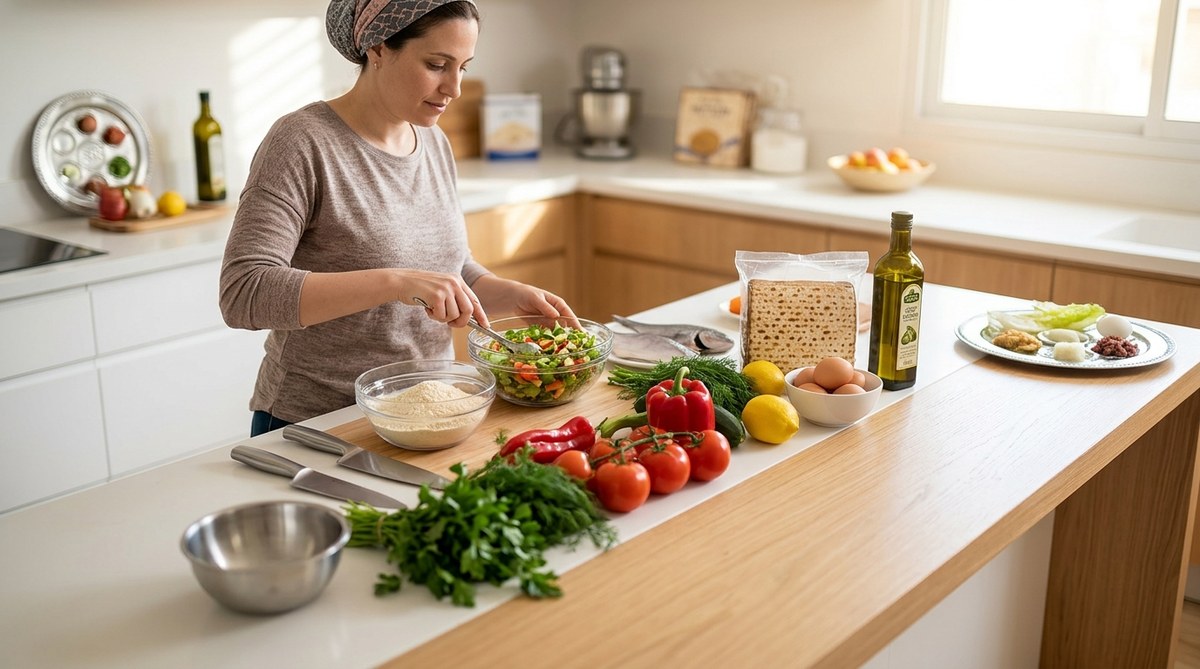
Focus on fresh vegetables, fruits, eggs, fish, and meat to create wholesome and tasty meals. Incorporate herbs, spices, and citrus to add brightness. Explore traditional recipes like matzah ball soup, brisket, or roasted vegetables, adjusting ingredients to ensure they are chametz-free. For inspiration, many community cookbooks and online resources offer a wealth of ideas.
Practical tips for chametz-free cooking success
- Always double-check ingredient labels for certification and chametz status.
- Prepare a dedicated Passover kitchen space to avoid cross-contamination.
- Use glass or ceramic cookware that is designated for Pesach.
- Keep a list of safe ingredients handy when shopping or cooking.
- Experiment with gluten-free flours such as almond or coconut flour for baking.
Navigating common pitfalls and mistakes
| Technique | Mistake | Solution |
|---|---|---|
| Using shared utensils | Cross-contamination with chametz | Use separate, clearly labeled Passover utensils and cookware |
| Buying non-certified products | Possible chametz presence | Always check for reliable kosher for Passover certification |
| Overlooking ingredients | Hidden chametz in processed foods | Read labels carefully and choose whole, unprocessed foods |
Expert advice for stress-free Passover cooking
“Preparation is key. The more organized your kitchen and shopping list, the smoother your Passover will be. Don’t hesitate to reach out to community resources or local synagogues for guidance and support.” — Rabbi Sarah Cohen
Building a chametz-free kitchen environment
Creating a dedicated Passover kitchen makes meal prep easier. Store all chametz items separately and clearly label your Passover ingredients. Many families set up a special shelf or cabinet for items used only during Pesach. Investing in separate utensils and cookware may seem challenging but pays off by reducing stress during the holiday.
Delicious recipes to add to your Passover menu
- Matzah ball soup with fresh herbs
- Roasted chicken with lemon and garlic
- Stuffed vegetables with quinoa and herbs
- Charoset made from apples, nuts, and wine
- Flourless chocolate cake using almond flour
Many online communities share creative recipes that are both chametz-free and flavorful. Visiting sites like Jewish Community can provide inspiration and support.
Tips for a meaningful Passover experience
Cooking without chametz is an opportunity to revisit traditional flavors, try new ingredients, and focus on the essence of the holiday. Engage your family in preparing special dishes, share stories of Passover, and emphasize the significance of freedom, gratitude, and renewal.
Celebrating Passover with confidence and joy
With thoughtful planning and a positive attitude, Passover cooking without chametz can become a fulfilling part of your holiday. Remember to stay organized, check ingredients carefully, and embrace the culinary creativity that this season invites.
A warm note on making your Passover special
Every family’s Passover journey is unique. Use this time to connect with your traditions and create new memories around your table. Cooking without chametz doesn’t mean sacrificing flavor or enjoyment. It offers a chance to celebrate with intention and gratitude. Wishing you a meaningful and delicious Passover filled with love, learning, and joy.