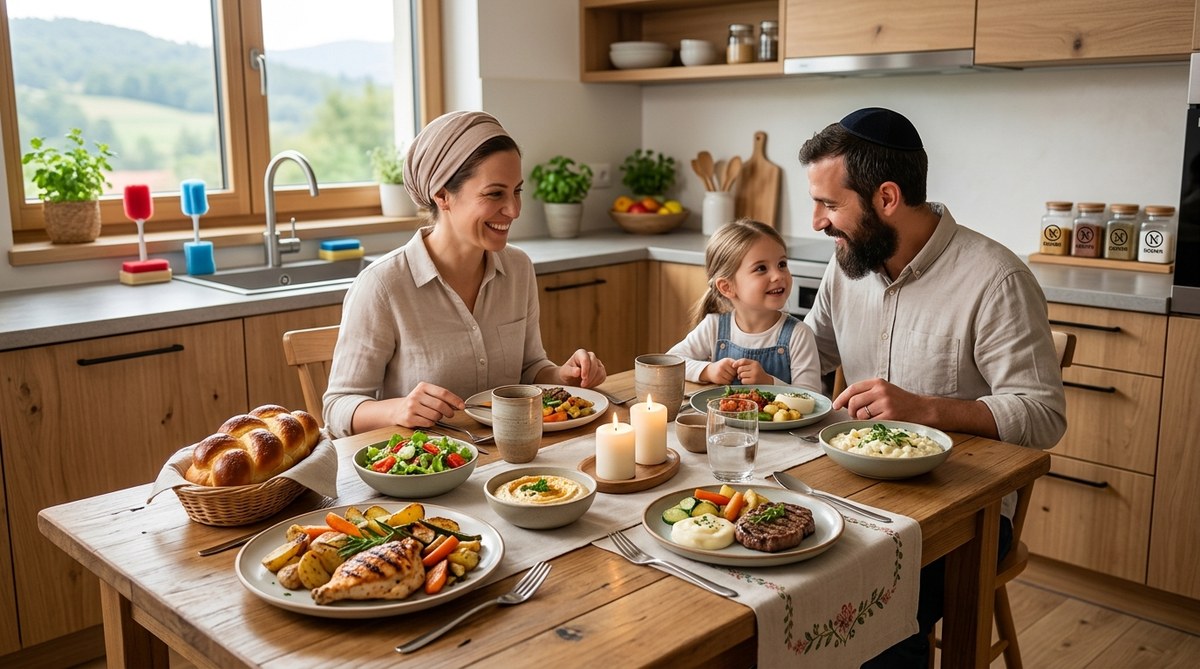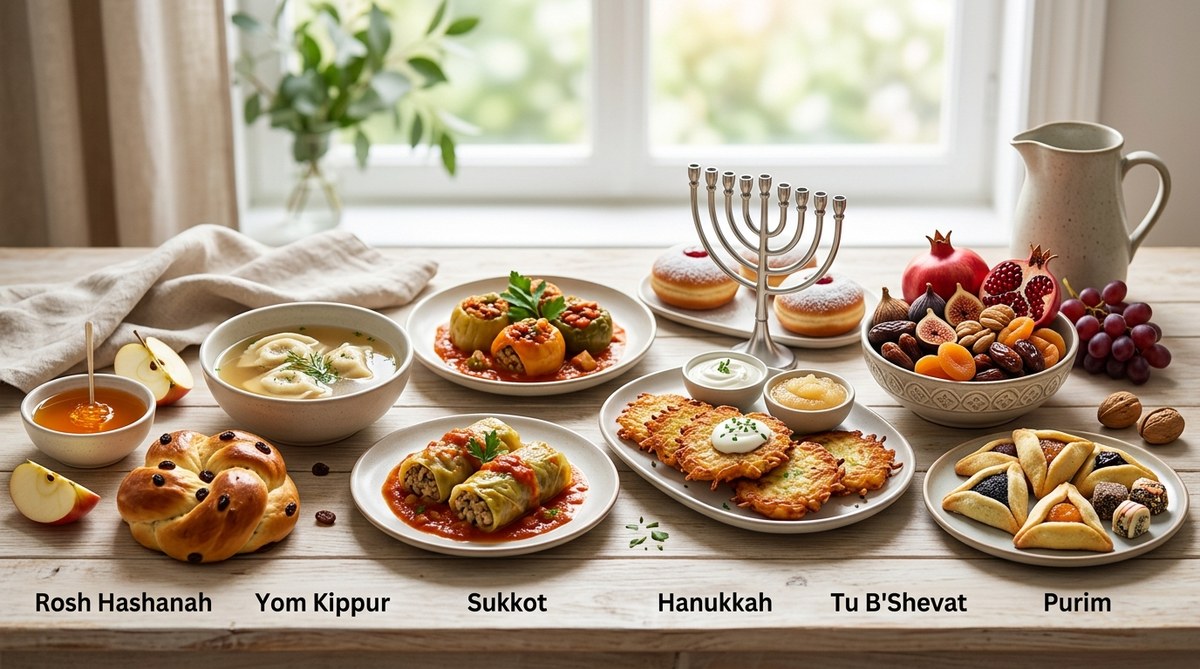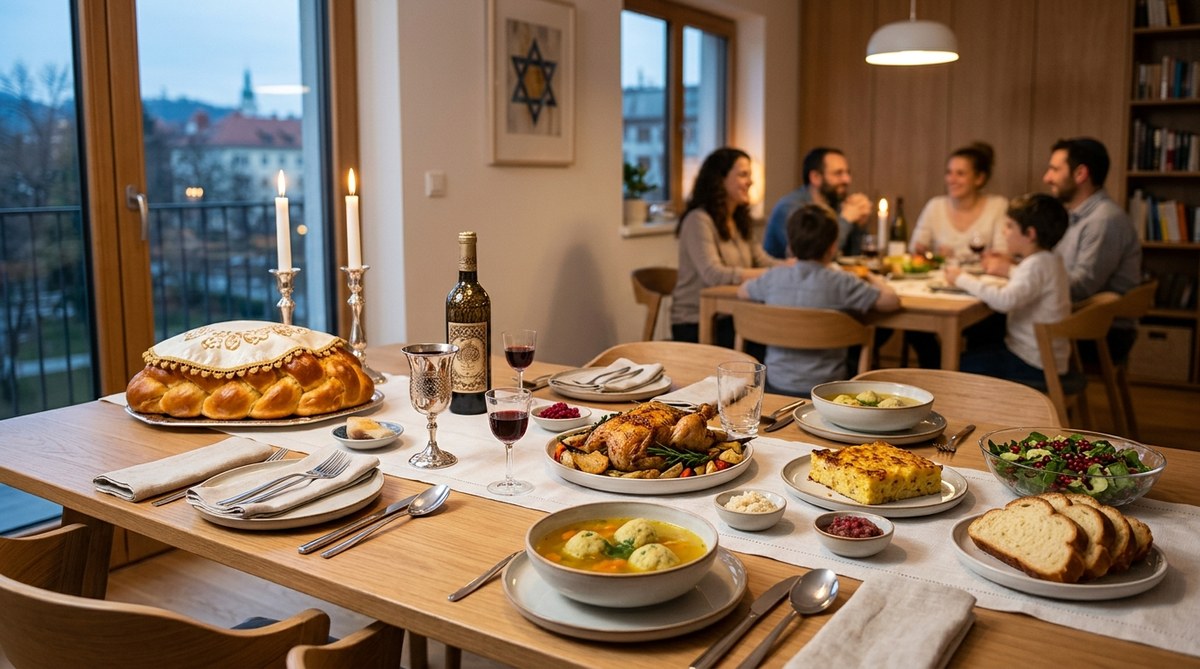
Jewish families gather around the table each Friday evening to welcome Shabbat, a day of rest and spiritual renewal. The dinner is more than just a meal; it is a cherished ritual filled with symbolism and tradition. Understanding the menus served during Shabbat Friday night dinners reveals much about Jewish history, faith, and community life. Whether you are new to Jewish customs or seeking to deepen your appreciation, exploring these menus and their meanings offers a window into a profound cultural practice.
Shabbat dinner menus are rich with symbolism, featuring traditional foods like challah, wine, and fish that represent spiritual renewal, abundance, and joy. These foods help mark the transition from everyday life to a sacred time of rest and reflection.
The Core Elements of a Traditional Shabbat Dinner
A typical Shabbat Friday night dinner combines specific foods that carry deep meanings. These items create a sensory experience that connects participants to centuries-old customs and the spiritual themes of Shabbat.
Challah Bread: A Symbol of Manna and Blessing
Challah is the centerpiece of the meal. Its braided form signifies unity and the intertwining of community and faith. The act of blessing and breaking challah reminds everyone of the bread of manna that sustained the Israelites in the desert. The sweet, soft bread also symbolizes hope and prosperity.
Wine or Grape Juice: Celebrating Joy and Sanctification
A cup of wine or grape juice is poured for each person. This act sanctifies the evening, marking the beginning of Shabbat. The wine represents joy, gratitude, and the divine blessing. Drinking from the cup connects the family to centuries of tradition and spiritual elevation.
Fish: A Sign of Prosperity and Fertility
Fish, often served as a starter, symbolizes abundance and fertility. Its presence in the meal reflects wishes for prosperity and a good year ahead. Fish also carry a special significance in Jewish tradition, as they are associated with abundance in biblical stories.
Other Common Dishes and Their Meanings
- Cholent or Stew: A slow-cooked dish prepared before Shabbat begins. It signifies rest and the importance of taking time to savor and reflect.
- Kugel: A sweet or savory casserole that reflects the comfort of home and family.
- Vegetables and Salads: Often included to symbolize nourishment and God’s provision.
How Foods Reinforce Spiritual Themes
Shabbat dinner menus are carefully curated to reflect spiritual values. Each item acts as a reminder of divine blessings, community bonds, and the sanctity of rest.
The Significance of Lighting Candles
Before the meal begins, women or the head of the household light candles. The flickering flame symbolizes the divine presence and the transition from the mundane to the sacred. The candles’ glow creates an atmosphere of warmth and spiritual focus.
Blessings and Rituals
Reciting blessings over challah and wine elevates the meal beyond sustenance. These blessings acknowledge God’s role in providing and sustaining life. They also serve as a reminder to cultivate gratitude and mindfulness.
The Role of Community and Family
Sharing a meal during Shabbat fosters bonds and reinforces communal identity. The menus serve as a shared language, uniting generations through tradition and faith.
Practical Steps to Observe a Traditional Shabbat Dinner
- Preparation: Before sunset on Friday, clean the home and set the table with a white tablecloth, challah cover, and candles.
- Lighting candles: Say the blessing to usher in Shabbat, symbolizing the start of a holy day.
- Reciting blessings: Bless the wine and challah, expressing gratitude and sanctification.
- Serving the meal: Begin with fish or appetizers, followed by challah, main courses, and desserts.
- Sharing stories and songs: Engage in traditional songs or recount stories to deepen the spiritual connection.
Common Techniques and Mistakes in Observing Shabbat Menus
| Technique | Mistake to Avoid |
|---|---|
| Using fresh, high-quality ingredients | Using non-kosher foods or ingredients |
| Blessing foods with intention | Rushing through blessings or skipping them |
| Setting a peaceful atmosphere | Distractions or interruptions during the meal |
| Incorporating traditional songs | Forgetting to include meaningful rituals |
Expert Advice on Making Your Shabbat Dinner Meaningful
“The foods served during Shabbat are more than nourishment. They are symbols of the spiritual journey, community, and gratitude. Taking time to understand and honor these traditions can transform a meal into a sacred experience.” — Rabbi David Cohen
Variations in Menus Across Different Communities
While core foods like challah and wine are universal, regional and cultural differences influence the menu. For example, Sephardic communities might serve dishes flavored with spices unique to their heritage. Ashkenazi traditions often include dishes like brisket and kugel, emphasizing comfort and hearty flavors. These variations enrich the experience and reflect the diversity within Jewish practice.
Incorporating Modern Elements While Honoring Tradition
Many families adapt traditional menus to include contemporary or health-conscious options without losing their significance. This might mean using whole-grain challah or adding colorful salads to symbolize vitality. The key is maintaining the symbolic foods while personalizing the meal.
The Power of the Friday Night Meal in Jewish Life
The Shabbat dinner acts as a weekly reset, grounding families in their faith and values. It is an act of continuity and community that connects individuals across generations. By understanding the meaning behind each menu item, participants deepen their connection to tradition and spirituality.
A Warm Invitation to Embrace the Ritual
Creating a meaningful Shabbat dinner need not be complicated. Start with the essentials — challah, wine, and candles — and incorporate the stories and blessings that resonate with you. Over time, these rituals will become a cherished part of your weekly rhythm, enriching your life and your understanding of your heritage.
Celebrating the Spirit of Shabbat at Your Table
A Friday night dinner is a time to pause, reflect, and connect. The foods on the table are symbols of divine blessings, community, and hope. By understanding their meanings, you can elevate your experience and foster a deeper appreciation for Jewish traditions. Whether you observe every week or participate occasionally, honoring these menus helps keep the spirit of Shabbat alive and meaningful.