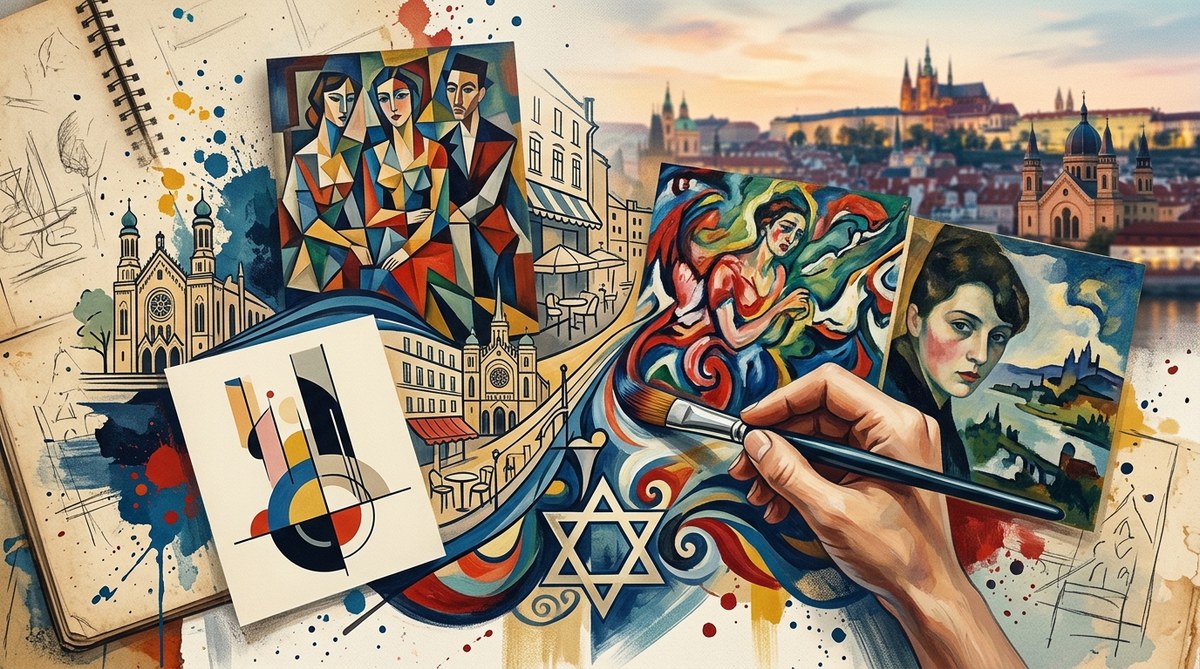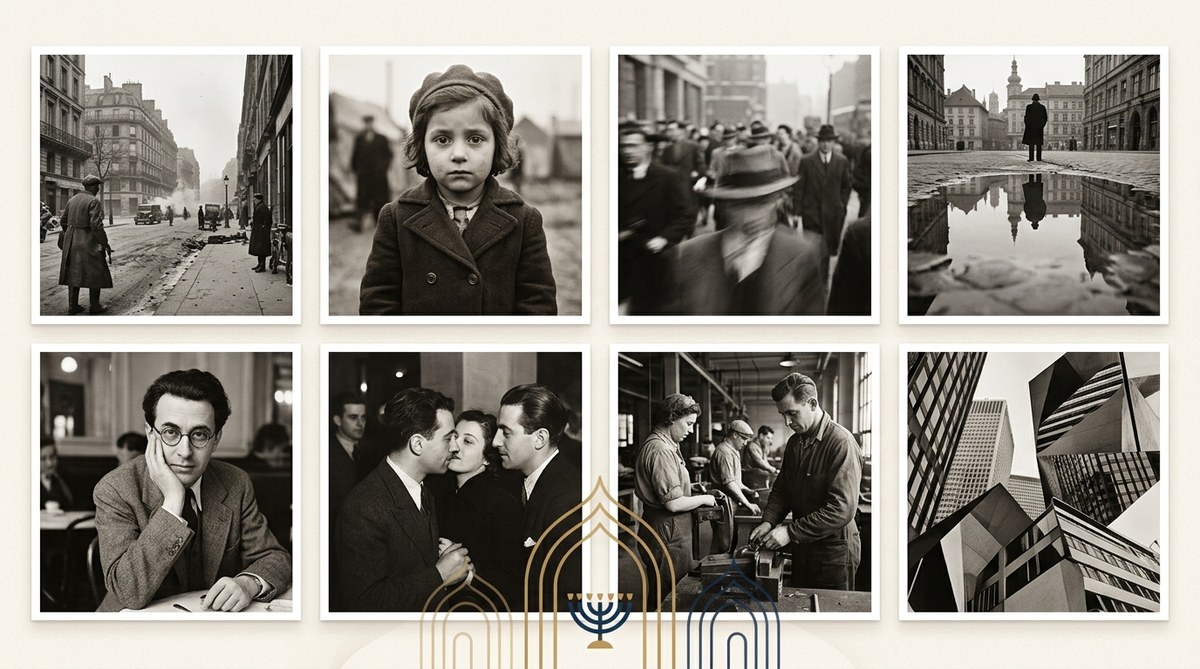
Jewish photographers of 20th century Europe played a vital role in shaping the visual narrative of a tumultuous century. Their work offers a window into the lives, struggles, and resilience of Jewish communities across the continent. From capturing moments of joy to documenting profound tragedies, these artists provided insights that remain compelling today. Their images serve as powerful testaments to history, culture, and identity, reminding us of the enduring human spirit amidst upheaval.
Jewish photographers of 20th century Europe created evocative images that captured the essence of their communities, shaping cultural memory and documenting history through a personal lens. Their work remains influential and inspiring today.
The Impact of Jewish Photographers on European Visual Culture
Throughout the 20th century, Jewish photographers contributed significantly to European photography. Their work reflected the diverse social landscapes, from vibrant urban streets to the shadows of anti-Semitic persecution. Many used their cameras as tools for activism, preservation, and artistic expression. Their images often carried layers of meaning that went beyond aesthetics, conveying stories of hope, suffering, and survival.
In a period marked by upheaval, war, and social change, these photographers provided authentic portrayals of life in Jewish communities. Their perspectives challenged stereotypes and offered nuanced insights into their worlds. The influence of these artists extends beyond their immediate communities, enriching the broader cultural fabric of Europe.
Notable Figures and Their Contributions
1. David Seymour
One of the most renowned photographers of the 20th century, David Seymour, also known as Chim, was a Polish-born Jewish photojournalist. His work during World War II and the aftermath captured the human cost of conflict. Seymour’s photos documented displaced persons and the rebuilding of Europe, emphasizing the resilience of survivors. His images continue to inspire photojournalists today for their honesty and compassion.
2. Gerda Taro
Often considered the first female war photographer, Gerda Taro was a Jewish-born photographer who documented the Spanish Civil War. Her work highlighted the struggles of ordinary people amid chaos. Taro’s pioneering style and commitment to truth-telling set a standard for photojournalism. Her legacy lives on through exhibitions and archives dedicated to her groundbreaking career.
3. Viktor Bulla
Viktor Bulla was a Lithuanian Jewish photographer whose studio captured everyday life in Vilnius and beyond. His portraits and cityscapes provide a vivid record of Jewish life before the Holocaust. Bulla’s photographs reveal the cultural richness of European Jewish communities and serve as vital historical documents.
Techniques and Challenges in Jewish Photography of the Era
Jewish photographers often navigated complex social and political environments. They faced challenges such as censorship, danger, and the need for subtlety. Many employed specific techniques to document their communities discreetly.
Common techniques included:
- Using small, portable cameras to avoid drawing attention.
- Capturing candid moments to reveal authentic emotions.
- Employing black and white film to convey stark realities and emotional depth.
| Technique | Purpose | Common Mistakes |
|---|---|---|
| Candid photography | Show genuine moments, avoid staged images | Overexposure, lack of focus |
| Low-light shooting | Capture scenes in dim environments, street scenes | Grainy images, blurriness |
| Composition focus | Emphasize cultural or emotional elements | Cluttered backgrounds, poor framing |
Practical Process for Aspiring Photographers
- Research your subject thoroughly to understand cultural and historical contexts.
- Choose appropriate equipment that allows discreet shooting, like compact cameras.
- Practice capturing candid moments to convey authenticity and emotion.
Expert Advice
“The power of photography lies in its ability to tell stories without words. Jewish photographers of the 20th century used this power to preserve memories that might otherwise have been lost.”
Preservation and Legacy of Jewish Photography
The preservation of photographs from this era is crucial for understanding history. Many images are stored in archives and museums, but personal collections also hold invaluable stories. Efforts to digitize and share these photographs help keep the legacy alive for future generations.
To deepen your understanding, consider visiting institutions like the Jewish Museum in Ljubljana or exploring online archives. They offer collections that highlight the artistry and historical significance of Jewish photographers across Europe.
How These Photographers Changed the Visual Narrative
Jewish photographers of 20th century Europe challenged prevailing narratives by presenting authentic, often unvarnished images of their communities. Their work humanized Jewish life, countering negative stereotypes and fostering empathy.
Their photographs also documented pivotal moments such as the Holocaust, the post-war recovery, and cultural renaissance. By doing so, they ensured that these stories remain part of our collective memory.
A Lasting Influence on Modern Photography and Cultural Memory
Today, contemporary photographers continue to draw inspiration from these pioneers. Their commitment to honesty and emotional depth sets a standard for ethical storytelling. The images serve as reminders of resilience and the importance of cultural preservation.
Many projects today aim to honor these photographers’ legacies by curating exhibitions and educational programs. Engaging with their work offers valuable lessons in both art and history.
Connecting Past and Present: Applying the Lessons
Understanding the work of Jewish photographers of 20th century Europe encourages us to see photography as a tool for truth and remembrance. Whether documenting community events or personal stories, we can apply these principles to our own work.
Start by exploring local archives or creating your own photo projects that reflect your community’s history. Remember, every image can tell a story that contributes to a larger narrative.
Honoring the Visionaries Who Changed the Way We See History
Capturing the essence of life, struggle, and hope through a lens is a timeless art. Jewish photographers of 20th century Europe remind us that photographs are more than images — they are powerful voices. Their work invites us to look closer, listen more carefully, and remember deeply. By embracing their lessons, we can continue to tell stories that matter and keep the legacy alive for generations to come.