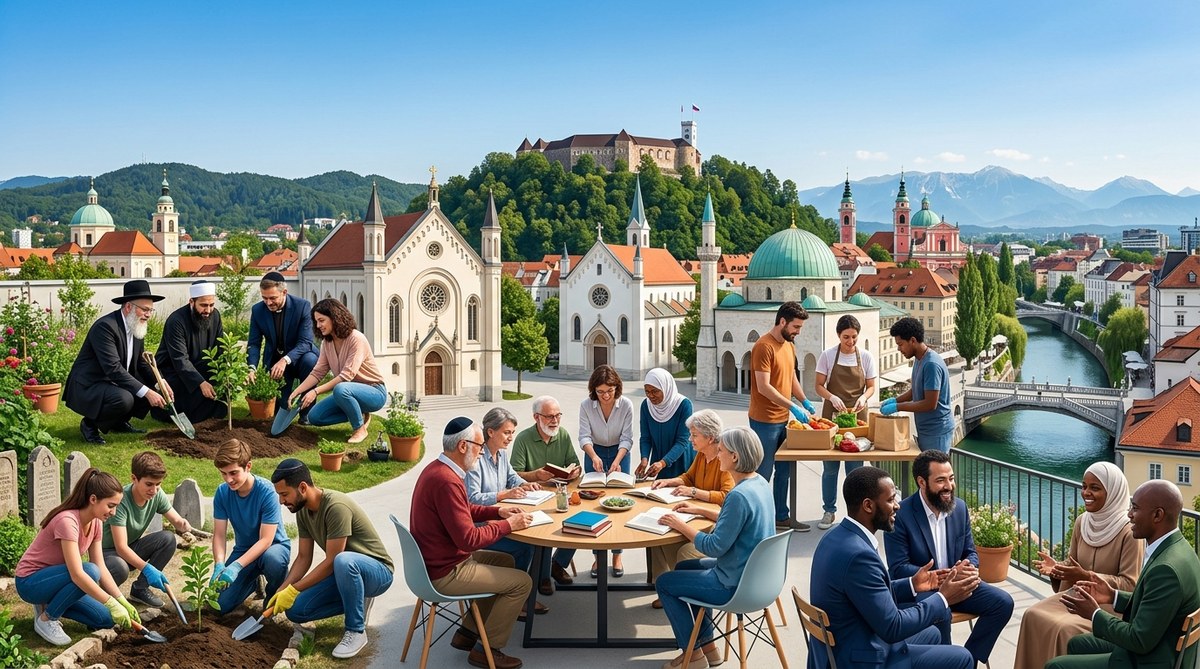
Interfaith projects in Slovenia stand as shining examples of how different religious communities can come together to build bridges, foster understanding, and create a more harmonious society. These initiatives have played a vital role in shaping Slovenia’s diverse spiritual landscape, often overcoming historical divides and promoting mutual respect. They reflect a deep commitment to coexistence and show how collaborative efforts can lead to meaningful change.
This article highlights five impactful interfaith projects that have significantly transformed Slovenia’s religious scene. Each project demonstrates innovative approaches to dialogue and cooperation, inspiring other communities to follow suit. Whether you are a researcher, student, or simply interested in Slovenia’s religious diversity, understanding these initiatives offers valuable insights into the power of unity.
Slovenia’s interfaith projects showcase how collaboration, respect, and shared goals can transform a country’s religious landscape. These projects foster understanding, reduce tensions, and inspire communities worldwide to build bridges across faiths.
How Interfaith Projects in Slovenia Are Shaping the Religious Landscape
Slovenia’s history is intertwined with various religious communities, including Catholics, Jews, Muslims, and others. Over the years, tensions and misunderstandings occasionally surfaced. However, in recent decades, a shift toward dialogue and cooperation has taken root. Interfaith projects have become essential in fostering mutual understanding and breaking down stereotypes.
These initiatives often involve cultural exchanges, joint community service, educational programs, and shared religious celebrations. They serve not only to promote harmony but also to preserve the country’s rich spiritual heritage. The success of these projects demonstrates how collective efforts can create a more inclusive society.
Let us explore the five most influential interfaith projects that have made a lasting impact on Slovenia’s religious scene.
1. The Ljubljana Interfaith Dialogue Initiative
This ongoing project started in the early 2000s with the goal of promoting open conversations among Slovenia’s diverse religious communities. It was founded by local religious leaders who believed dialogue was key to peace.
The initiative organizes regular meetings, workshops, and panels where representatives from different faiths discuss common issues. Topics include social justice, environmental responsibility, and community service. These discussions build trust and foster personal relationships.
One notable outcome was the creation of a joint community service program aimed at helping marginalized groups. This project has also facilitated educational campaigns about religious tolerance in schools, shaping young minds to appreciate diversity.
Practical steps for similar projects:
- Identify key community leaders from various faiths.
- Organize initial meetings to set common goals.
- Develop shared community projects or events.
- Promote ongoing communication through forums and social media.
- Evaluate progress and adapt initiatives based on community feedback.
2. The Jewish-Muslim Cultural Exchange Program
This project exemplifies how cultural sharing can bridge gaps. Initiated in 2010, it encourages dialogue through music, art, and food. It aims to highlight similarities and celebrate differences in Jewish and Muslim traditions.
Participants include artists, chefs, and community members who collaborate on joint exhibitions, concerts, and cooking classes. These activities foster understanding and dispel misconceptions.
A highlight was a joint celebration of Ramadan and Hanukkah, where communities shared traditional foods and stories. These events created lasting bonds and reduced prejudices.
Techniques used:
- Organizing joint cultural festivals
- Promoting storytelling through art and music
- Encouraging collaborative community service
- Using social media for wider outreach
- Celebrating religious festivals together
Common mistakes:
| Mistake | Explanation |
|---|---|
| Ignoring differences | Respect and acknowledge unique traditions rather than glossing over them. |
| Lack of inclusive planning | Involve representatives from all communities in organizing events. |
| Rushing the process | Building trust takes time; patience is key. |
3. The Interfaith Memorial for Peace and Tolerance
A powerful symbol of reconciliation, this memorial was established in 2015 at the site of a historic religious conflict. It features sculptures and inscriptions representing various faiths and their shared values.
The memorial serves as a reminder of past divisions and the importance of forgiveness and coexistence. It hosts annual ceremonies, inviting community leaders and citizens to reflect on peace.
This project has helped heal wounds and foster a sense of shared history. It also acts as an educational tool for visitors learning about Slovenia’s diverse faiths.
Expert advice:
“Memorials like this serve as physical symbols of reconciliation. They remind us that peace is built through remembrance and shared commitment.”
4. The Interfaith Educational Outreach Program
Education plays a crucial role in shaping perceptions. This program, launched in 2012, provides school curricula and extracurricular activities that teach children about different religions in an engaging way.
It includes visits to religious sites, guest speakers from various communities, and interactive workshops. The focus is on understanding rather than tolerance alone, fostering genuine respect.
Involving students in joint projects encourages teamwork and empathy from a young age. Many participants report a lasting impact on their attitudes toward faith diversity.
Practical process:
- Develop age-appropriate curricula emphasizing shared values.
- Partner with religious and community organizations.
- Organize experiential learning activities.
- Use storytelling and multimedia to enhance engagement.
- Assess understanding through student feedback and projects.
5. The Interfaith Art and Heritage Preservation Initiative
This project combines cultural preservation with faith dialogue. It involves restoring historic religious sites, creating art installations, and documenting traditions.
One example is the restoration of medieval synagogues in Ljubljana, coupled with exhibitions about Jewish history in Slovenia. These efforts promote appreciation of cultural heritage and foster understanding.
Artists and historians collaborate to produce works that reflect shared history and spiritual diversity. These exhibits are open to the public and serve as educational tools.
Techniques:
- Collaborative restoration projects
- Art installations depicting religious stories
- Community-led documentation of traditions
- Public exhibitions and educational events
- Using digital media to reach wider audiences
Moving Forward with Interfaith Collaboration
Slovenia’s journey shows that faith-based understanding is possible through genuine dialogue and shared action. These projects demonstrate that collaboration can break down barriers and create a more inclusive society.
As communities around the world seek harmony amid diversity, Slovenia’s example offers valuable lessons. Building trust, respecting traditions, and working toward common goals can transform relationships and social landscapes.
Final thoughts
If you are inspired by these projects, consider how similar initiatives could work in your community. Start by listening, then identify shared values and create opportunities for meaningful interaction. Small steps can lead to profound change.
By fostering understanding today, we help shape a more peaceful tomorrow.
Leave a Reply