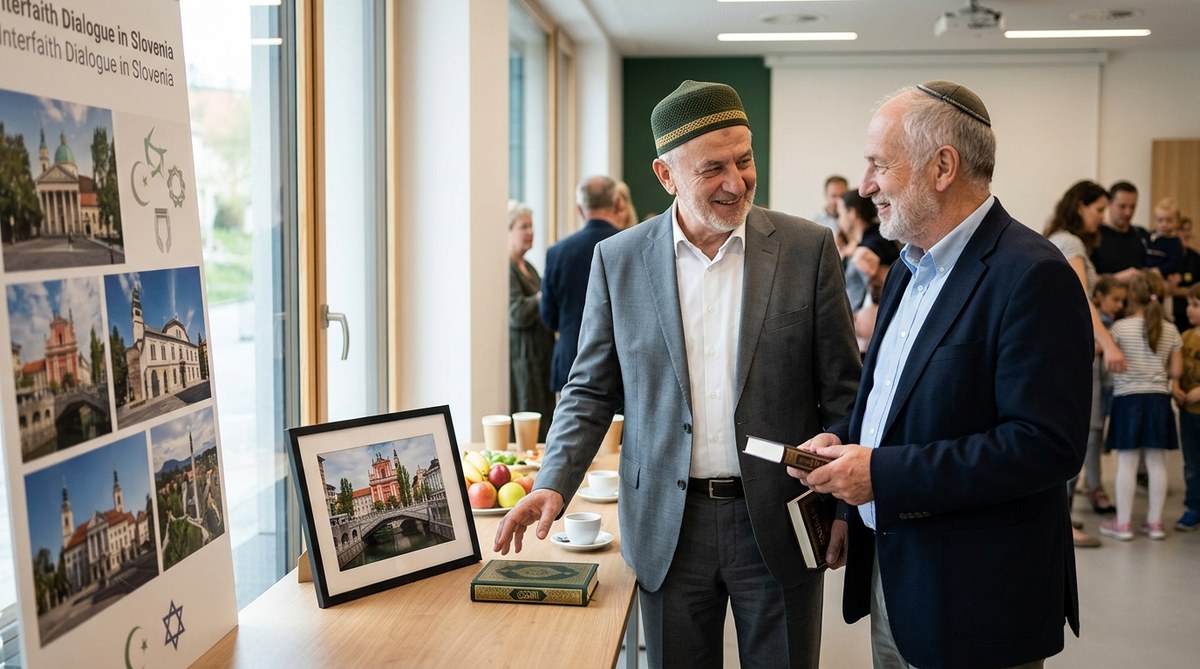
Muslim and Jewish communities in Slovenia have cultivated a unique relationship rooted in mutual respect and shared history. Their coexistence stands as a powerful example of how diverse faiths can live side by side peacefully. This harmony is not accidental but the result of deliberate efforts, cultural exchanges, and open dialogue. As interest in interfaith relations grows across Europe, Slovenia offers inspiring insights into building bridges between different religious groups.
Slovenia’s Muslim and Jewish communities demonstrate that dialogue, shared history, and mutual respect foster peaceful coexistence. Their approach offers valuable lessons for interfaith harmony across Europe and beyond.
The Roots of Muslim and Jewish Coexistence in Slovenia
Slovenia’s history is intertwined with diverse religious communities. Jewish presence in Ljubljana dates back to medieval times when Jewish merchants and scholars settled in the region. Despite the upheavals of the 20th century, including the Holocaust, the Jewish community in Slovenia has persisted and revived, actively engaging in cultural and religious life.
Muslim communities in Slovenia mostly arrived as part of guest worker programs during the 1960s and 1970s. Over time, they established vibrant communities centered around mosques and cultural centers. Both groups faced challenges but found common ground through shared experiences of resilience and adaptation.
This history creates a foundation for ongoing dialogue. Their mutual understanding is reinforced by shared stories of hardship and perseverance, which foster a sense of empathy and kinship.
How Slovenia’s Muslim and Jewish Communities Practice coexistence
In Slovenia, coexistence is nurtured through several practical processes:
-
Community Engagement and Dialogue
Regular interfaith meetings allow members of both communities to share experiences and discuss issues openly. These gatherings promote understanding beyond religious doctrines, emphasizing shared values like charity, peace, and community service. -
Cultural and Educational Exchanges
School programs and cultural events highlight the traditions and histories of both groups. These initiatives dispel stereotypes and foster appreciation for each other’s faiths and customs. -
Joint Social Projects
Collaborative efforts on social causes, such as charity drives or refugee support initiatives, unite communities around common goals. Working together builds trust and demonstrates the power of cooperation.
Practical steps to foster coexistence
- Facilitate open dialogue through community forums and religious councils.
- Promote cultural exchange programs in schools and community centers.
- Support joint social initiatives that address local needs.
Techniques and mistakes to avoid
| Techniques | Mistakes to Avoid |
|---|---|
| Encourage shared activities and dialogues | Ignoring differences or avoiding tough topics |
| Respect each other’s traditions openly | Stereotyping or making assumptions |
| Focus on common values and goals | Allowing misunderstandings to fester |
Lessons from Slovenia’s Interfaith Efforts
Slovenia’s approach emphasizes respect, education, and active participation. Several techniques have proved effective:
- Personal storytelling fosters empathy by allowing community members to share their experiences, creating emotional bonds.
- Interfaith celebrations highlight shared religious holidays or cultural festivals, strengthening communal ties.
- Collaborative storytelling projects create a visual and narrative record of coexistence, inspiring others to follow suit.
“Building trust takes time and consistent effort. When communities come together to listen and learn from each other, they lay the groundwork for lasting peace,” explains interfaith scholar Dr. Ana Novak.
Challenges and Mistakes to Address
Despite successes, challenges remain. Some common pitfalls include:
- Miscommunication or lack of understanding leading to suspicion.
- External influences or political tensions that strain relations.
- Neglecting the importance of continuous engagement which can cause communities to drift apart.
A helpful way to navigate these issues is by recognizing that coexistence is an ongoing process requiring patience and commitment.
Common mistakes to avoid:
- Relying solely on superficial interactions without addressing deeper issues.
- Allowing external conflicts to influence local relations.
- Failing to involve youth in dialogue initiatives, risking generational disconnect.
| Technique | Mistake to Avoid |
|---|---|
| Focus on shared values and goals | Ignoring underlying tensions |
| Create safe spaces for dialogue | Forcing participation or rushing processes |
| Maintain consistent engagement | Letting efforts fade over time |
The Role of Cultural Heritage and Memory
Preserving cultural heritage plays a vital role in fostering coexistence. Slovenia’s Jewish museums and cultural centers serve as living reminders of shared history. These institutions host exhibitions, educational programs, and commemorations that honor the past while promoting understanding.
Similarly, mosques and Islamic cultural centers act as community hubs. They organize events that celebrate Islamic traditions and educate others about Muslim faith and practices.
Sharing cultural heritage strengthens community bonds and reminds everyone of their shared history. It also helps combat ignorance and prejudice by showcasing the richness of each tradition.
Building a Future of Peaceful Coexistence
The story of Muslim and Jewish communities in Slovenia offers lessons for anyone interested in fostering interfaith harmony. Their experience underscores the importance of dialogue, education, cultural exchange, and shared history.
Living in a diverse society means embracing differences while finding common ground. Practical steps include supporting community events, promoting inclusive education, and encouraging open conversations.
By focusing on shared values and mutual respect, communities can build bridges that withstand external pressures and internal challenges.
Moving Forward with Respect and Understanding
Slovenia’s example demonstrates that peaceful coexistence is achievable when communities commit to ongoing dialogue and cultural appreciation. It reminds us that understanding and respect are at the heart of harmony.
If you seek to promote interfaith relations, start by listening. Learn about each other’s traditions and histories. Support initiatives that bring communities together. Small actions can lead to lasting change.
By nurturing these connections, we help create societies where diversity is celebrated and peace is the norm. The lessons from Slovenia show us that harmony is possible, even in a complex world.
Remember that fostering coexistence involves patience, effort, and a genuine desire to understand. As communities continue to share their stories and traditions, they pave the way for a more inclusive future. Every step forward contributes to a world where differences are embraced and peace prevails.
Leave a Reply