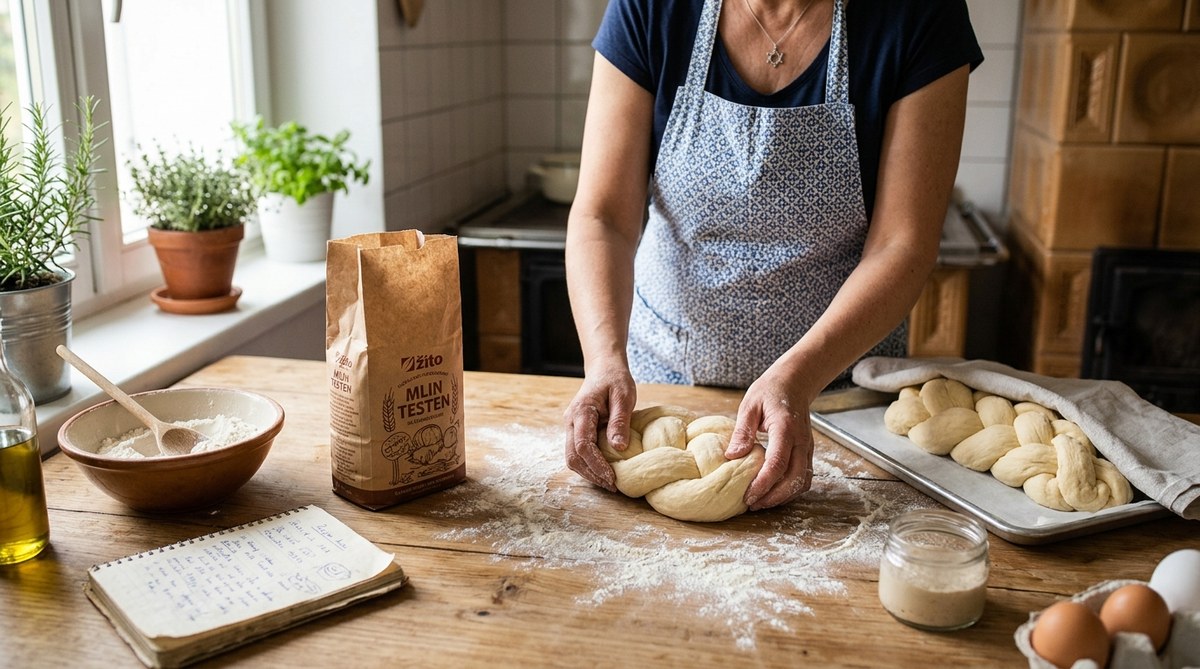
Baking challah with Slovenian flour offers a delightful way to blend tradition with a touch of Slovenian culinary charm. This recipe elevates your Sabbath table with a soft, flavorful bread that showcases the unique qualities of Slovenian wheat. Whether you are a seasoned home baker or new to challah making, this guide walks you through every step to create a stunning loaf. The result is a fragrant, golden challah that’s perfect for sharing with family and friends or enjoying on your own.
Using Slovenian flour for challah adds a unique texture and flavor characteristic of Slovenian wheat. Follow these simple steps to craft a beautiful, soft Sabbath bread that connects tradition with Slovenian harvests and baking techniques.
Why Choose Slovenian Flour for Challah?
Slovenian flour, particularly from local wheat varieties, is known for its high protein content and excellent baking qualities. Its rich, hearty flavor enhances the traditional challah, giving it a slightly nuttier and more robust taste. Slovenian wheat is often grown organically and harvested with care, which translates into a superior flour that can make your bread stand out.
Using Slovenian flour also supports sustainable farming practices and helps preserve traditional Slovenian wheat varieties. When incorporated into challah, it transforms an everyday bread into a celebration of Slovenian agricultural heritage. This approach makes for a meaningful baking experience, especially for those who value quality ingredients and cultural connection.
Gathering Your Ingredients and Equipment
Before you start, ensure you have these ingredients ready:
- Slovenian wheat flour (preferably bread flour)
- Active dry yeast or fresh yeast
- Warm water
- Honey or sugar
- Eggs
- Olive oil or melted butter
- Sea salt
You will also need:
- A large mixing bowl
- A dough scraper or spatula
- A clean kitchen towel or plastic wrap
- A baking sheet or loaf pan
- A pastry brush for glazing
- Oven thermometer (optional, but helpful)
Make sure all ingredients are at room temperature for best results. Using high-quality Slovenian flour is key to achieving the perfect texture and flavor.
Step-by-Step Guide to Baking Slovenian Flour Challah
Follow these instructions to create your own Sabbath bread infused with Slovenian wheat goodness.
1. Activate the yeast
In a small bowl, combine warm water (about 110°F or 43°C) with a teaspoon of honey or sugar. Sprinkle the yeast over the surface and let it sit for about five minutes until it becomes frothy. This step confirms the yeast is active and ready to work.
2. Mix the dough
In a large bowl, whisk together the Slovenian flour and salt. Create a well in the center and add the activated yeast mixture, eggs, and oil or melted butter. Using a spatula or your hands, mix until the ingredients come together to form a sticky dough.
3. Knead and ferment
Turn the dough onto a lightly floured surface. Knead it for about ten minutes until it becomes smooth and elastic. If the dough sticks too much, sprinkle a little more flour, but avoid adding too much to keep the bread tender.
Place the kneaded dough in a greased bowl. Cover it with a damp cloth or plastic wrap. Let it rise in a warm spot for about 1.5 hours or until it doubles in size.
4. Shape and second rise
Gently punch down the dough to release excess air. Divide it into three equal parts for braiding or shape it into a single loaf. Place the shaped dough on a baking sheet lined with parchment paper.
Cover again and let it rise for another 30 to 45 minutes. During this time, the dough will expand and develop a light, airy texture.
5. Bake to perfection
Preheat your oven to 375°F (190°C). Brush the top of the challah with an egg wash (beaten egg mixed with a teaspoon of water) for a shiny, golden crust.
Bake the challah for about 25 to 30 minutes. Keep an eye on it to prevent over-browning. The bread is done when it sounds hollow when tapped on the bottom and has a beautiful golden color.
6. Cool and serve
Allow the challah to cool on a wire rack for at least 15 minutes before slicing. This helps the crumb set and makes slicing easier. Serve slices with your favorite spreads or enjoy plain.
Techniques and Common Mistakes
| Technique | Mistake to Avoid |
|---|---|
| Properly activating yeast | Using water that’s too hot or cold, which kills yeast |
| Kneading until elastic | Not kneading enough, resulting in dense bread |
| Allowing proper fermentation | Rushing the rise, leading to flat loaf |
| Brushing with egg wash | Skipping this step, resulting in dull crust |
| Baking at correct temperature | Opening oven too early, causing deflation |
Expert Advice on Perfect Challah
“Patience during fermentation is key. The longer the dough rises, the better its flavor and texture will be. Slovenian flour lends a hearty backbone, but gentle handling keeps the bread tender.” — Jewish baking expert
Troubleshooting Your Slovenian Flour Challah
- If your bread turns out dense, check your yeast activation process. Fresh yeast or well-activated dry yeast makes a big difference.
- For a softer crumb, consider adding a little milk instead of water or incorporating a touch more fat.
- If the crust isn’t golden enough, increase the oven temperature slightly or brush with egg wash more generously.
Elevating Your Baking Experience
Feel free to experiment with different shapes or add toppings like sesame or poppy seeds before baking. You can also incorporate herbs or garlic into the dough for a savory twist. Using Slovenian flour creates a unique foundation that pairs beautifully with these variations.
Celebrating a Unique Sabbath with Slovenian Flour Challah
Baking challah with Slovenian flour connects you to a rich agricultural tradition while honoring your heritage or culinary curiosity. It’s a simple act that brings warmth and meaning to your Sabbath meal. With patience and care, your homemade challah becomes more than bread — it’s a symbol of tradition, community, and the joy of baking.
Taking these steps ensures a beautiful loaf every time. Gather your ingredients, embrace the process, and enjoy the delicious results. Your family and friends will appreciate the effort and the taste of this special Slovenian twist on a classic bread.
Leave a Reply