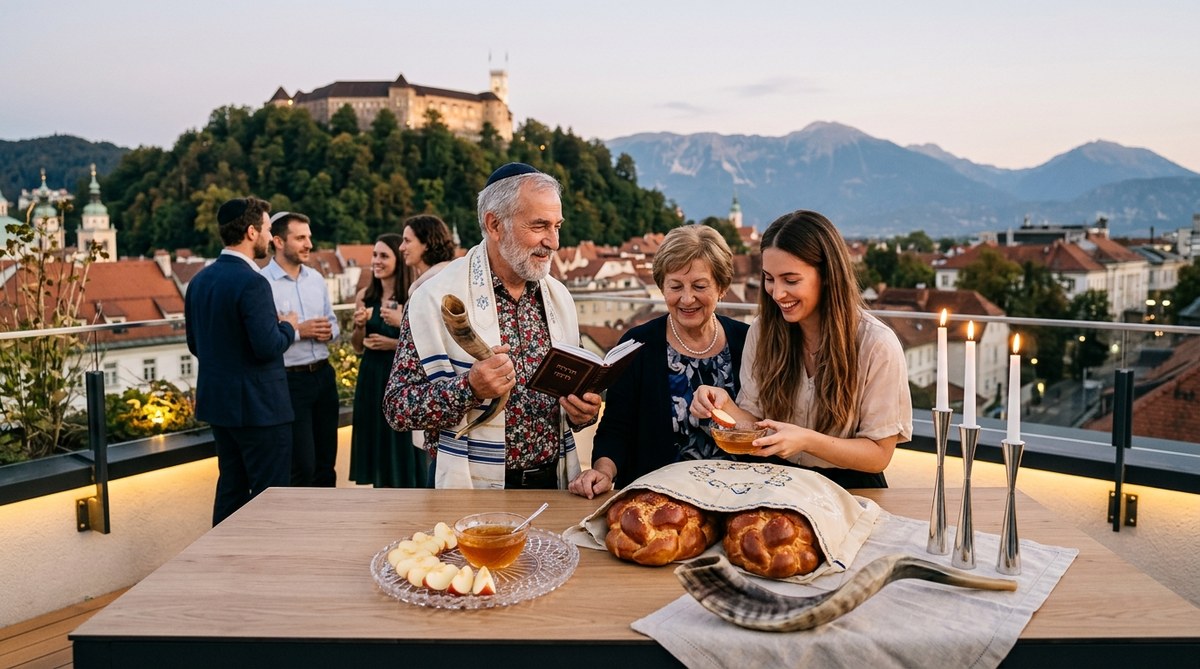
Rosh Hashanah marks the Jewish New Year and is celebrated with deep reverence and joy by Slovenia’s Jewish community. Though small in numbers, their traditions and customs carry a rich history that connects them to centuries of Jewish life in the region. This holiday is a time for reflection, renewal, and community bonding. For Slovenian Jews, Rosh Hashanah is not just a religious event but also a celebration of resilience and cultural identity that has persisted through centuries of change and challenge.
Rosh Hashanah in Slovenia is a meaningful blend of ancient customs and contemporary community life, symbolizing renewal and resilience for the small but vibrant Jewish population. It highlights their enduring cultural heritage and commitment to tradition.
The historical roots of Rosh Hashanah in Slovenia
Jewish presence in Slovenia dates back many centuries. Historical records show that Jewish communities flourished in medieval Ljubljana and other towns. Despite periods of expulsion and hardship, they managed to preserve their customs and religious practices. Rosh Hashanah was always a central celebration, serving as a reminder of their spiritual roots and their hope for a year filled with blessing and peace.
The Jewish community in Slovenia faced significant challenges during times of upheaval, especially during the Holocaust. Yet, even in the face of adversity, the traditions surrounding Rosh Hashanah served as a source of hope and continuity. Today, these customs are kept alive by a dedicated community that honors its history while embracing modern expressions of faith.
How Rosh Hashanah is celebrated within Slovenia’s Jewish community
Celebrations of Rosh Hashanah in Slovenia are marked by a mix of traditional rituals and local adaptations. Community members often gather in private homes or small synagogues to observe the holiday. The core practices include sounding the shofar, eating symbolic foods, and prayer services. These rituals serve to purify the soul and invoke divine blessing for the upcoming year.
Key customs and traditions
- Blowing the shofar: The sound of the ram’s horn is essential during Rosh Hashanah. It symbolizes awakening and spiritual reflection. Slovenian communities observe this tradition with great reverence, often during special prayer services.
- Tashlich ceremony: Many Slovenian Jews participate in the Tashlich ritual, where they throw breadcrumbs into a body of water to symbolize casting away sins.
- Festive meals: Special foods are prepared to mark the occasion. Apples dipped in honey symbolize hopes for a sweet new year. Round challah bread signifies continuity and completeness.
- Prayers and reflections: The holiday includes reciting special prayers, like the Amidah and the Unetaneh Tokef, which highlight themes of judgment and renewal.
Community involvement and local customs
Despite their small size, Slovenian Jewish communities actively participate in interfaith and cultural exchanges. Some communities incorporate Slovenian cultural elements into their celebrations, such as local music or traditional foods. Community centers and synagogues host events that bring people together, fostering a sense of unity and shared heritage.
Preserving traditions in a modern Slovenian context
Maintaining Rosh Hashanah customs in Slovenia involves balancing tradition and adaptation. Community members often face challenges like limited access to kosher foods or Jewish educational resources. To address this, many rely on connections with larger Jewish organizations or travel abroad for supplies.
Practical steps for community members
- Preparing symbolic foods: Using locally available ingredients to craft traditional Rosh Hashanah dishes.
- Hosting communal prayers: Organizing prayer services that accommodate small groups or families.
- Sharing stories and history: Educating younger generations about the significance of Rosh Hashanah and Slovenian Jewish history.
- Participating in interfaith dialogues: Building bridges with other communities to foster mutual understanding.
Techniques and mistakes in preserving customs
| Techniques | Mistakes to Avoid |
|---|---|
| Incorporating local culture into traditions | Neglecting core rituals like blowing the shofar |
| Educating youth about history and customs | Using non-kosher foods during holiday meals |
| Engaging community in preparations | Overcomplicating rituals, leading to confusion |
The significance of Rosh Hashanah for Slovenian Jews today
This holiday remains a vital part of cultural identity. It provides a moment for reflection on the past year and aspirations for the future. For Slovenian Jews, Rosh Hashanah signifies resilience—a testament to their ability to keep traditions alive despite historical upheavals.
Community members often describe Rosh Hashanah as a time to reconnect with their roots and renew their commitment to faith and community. It also offers a chance to educate others about Jewish life in Slovenia, sharing stories that highlight perseverance and hope.
“Celebrating Rosh Hashanah in Slovenia is a cherished act of cultural preservation. It reminds us of our history and fuels our hope for continued resilience,” shares a long-standing community member.
Engaging future generations with Rosh Hashanah
Ensuring the continuity of Rosh Hashanah customs involves engaging children and young adults. Many community centers run educational programs, storytelling sessions, and hands-on activities. These initiatives aim to impart the meaning behind rituals and foster a sense of pride.
Practical approaches include:
- Teaching children the significance of blowing the shofar.
- Involving youth in preparing holiday meals.
- Sharing stories of Slovenian Jewish history during celebrations.
By instilling these traditions early, the community hopes to pass on their cultural heritage with confidence and pride.
Celebrating the resilience of Slovenia’s Jewish community
Despite their small numbers, Slovenia’s Jewish community exemplifies resilience through their observance of Rosh Hashanah. Their traditions serve as a bridge connecting past, present, and future. Celebrations may be intimate but are rich with meaning, rooted in centuries of history.
Community efforts focus on preserving their heritage while welcoming new generations. Their story offers a powerful example of how minority communities sustain their identity through faith, customs, and community bonds.
A warm wish for the new year
As the Slovenian Jewish community rings in the new year, their heartfelt prayers and traditions remind us of the importance of renewal and hope. Engaging with their customs provides insight into a rich cultural tapestry that has endured against many odds. Whether you are a researcher, a community member, or simply curious about Jewish traditions, understanding Rosh Hashanah’s role in Slovenia enriches your appreciation of cultural resilience.
May this season inspire everyone to cherish their roots and look forward with optimism. Celebrating diverse traditions like those of Slovenia’s Jewish community fosters a deeper respect for shared human values of renewal and hope.
Leave a Reply