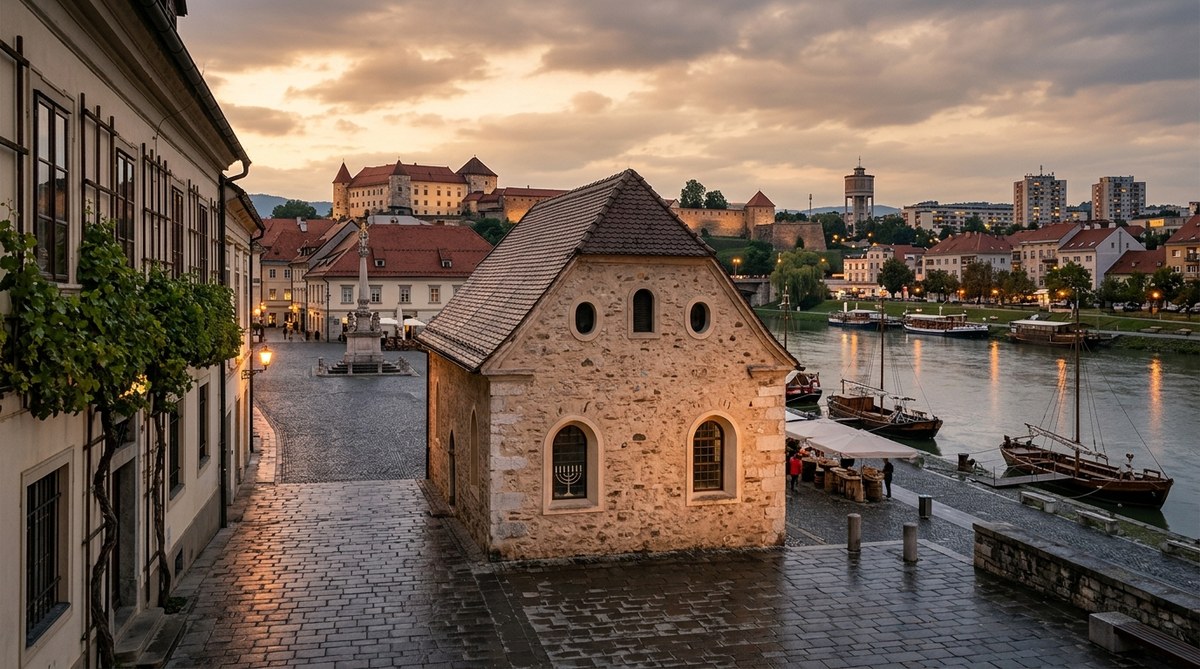
Medieval synagogues Ljubljana hold a special place in the story of Jewish heritage in Slovenia. Though many of these structures no longer stand, their remains and historical traces tell a compelling tale of a vibrant Jewish community thriving in the heart of the city centuries ago. For those passionate about medieval architecture or Jewish history, uncovering these hidden sites offers a window into a world that shaped Ljubljana’s diverse cultural fabric.
Medieval synagogues in Ljubljana are largely lost to history but remain essential to understanding the city’s Jewish roots. Their remnants and archaeological finds shed light on a once-thriving community and its architectural legacy, inviting researchers to explore and preserve this intriguing chapter of Ljubljana’s past.
The Origins of Jewish Presence in Ljubljana
The Jewish community’s roots in Ljubljana stretch back many centuries. Historical records suggest that Jewish families settled in the area as early as the 13th or 14th century, often engaged in trade, crafts, and finance. During medieval times, the community grew in size and influence, prompting the construction of dedicated prayer spaces and communal buildings.
While the medieval period was marked by periods of tolerance, it also faced challenges such as restrictions and expulsions. Despite this, the Jewish presence persisted, leaving behind architectural footprints that, over time, have become symbols of resilience and cultural contribution.
The Lost Synagogues of Ljubljana
Unlike in some cities where grand synagogues survive and are celebrated landmarks, Ljubljana’s medieval synagogues are mostly known through historical documents and archaeological evidence. Several structures served as places of worship and community gathering, but few have survived the ravages of time.
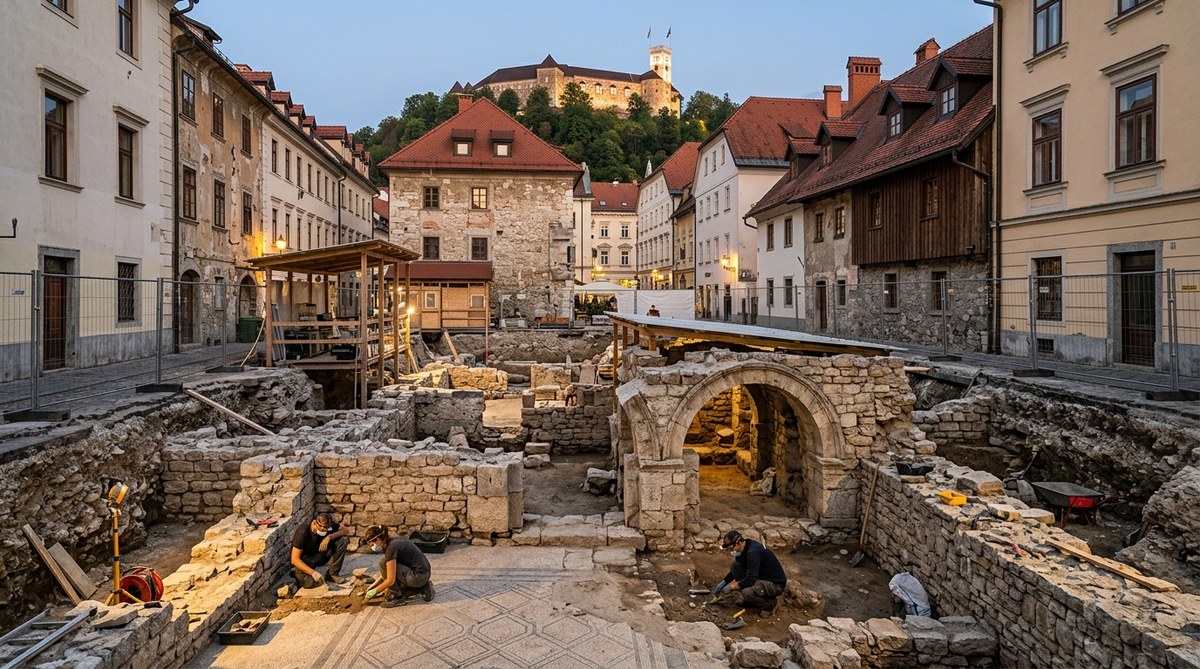
One of the most notable discoveries is the remains of a synagogue believed to have existed near the old Jewish quarter. Archaeologists uncovered foundations and artifacts that hint at the size and design of these buildings. These findings help reconstruct what these medieval synagogues might have looked like and how they functioned within the community.
Architectural Features of Medieval Synagogues
Medieval synagogues in Ljubljana shared common features typical of their time and region. They often were modest in size but rich in detail. Stone and brick were primary materials, with simple facades and small windows. Inside, these spaces prioritized function and community needs over elaborate decoration.
Some of the key elements included:
– A prayer hall oriented towards Jerusalem
– A Torah ark, where sacred scrolls were kept
– Bimahs (pulpits) for reading and sermons
– Minimal ornamentation, reflecting the modesty of medieval Jewish worship spaces
Common Techniques and Mistakes in Preservation
| Techniques for Preservation | Common Mistakes to Avoid |
|---|---|
| Careful archaeological excavation | Disturbing original foundations |
| Using non-invasive surveying tools | Over-restoring or adding modern features |
| Documenting every artifact | Ignoring the context and historical layers |
“Understanding the original architectural style is crucial for accurate preservation. Every fragment and foundation tells a story that should guide restoration efforts,” emphasizes Dr. Anna Kralj, a medieval architecture expert.
How Researchers Are Reconstructing the Past
Modern archaeology and historical research have played pivotal roles in uncovering Ljubljana’s medieval Jewish sites. Techniques such as ground-penetrating radar help locate hidden foundations without damaging delicate structures.
Researchers also analyze old maps, community records, and travelers’ accounts to piece together the community’s layout and the synagogues’ locations. These efforts are essential in creating a clearer picture of Ljubljana’s Jewish architectural heritage.
Visiting and Appreciating the Hidden Heritage
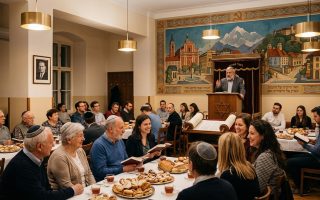
Although many medieval synagogues no longer stand, their legacy can be appreciated through archaeological sites, memorial plaques, and dedicated exhibitions. Some locations are marked with plaques or informational panels, allowing visitors to imagine the vibrant community that once thrived there.
For those interested in a deeper understanding, local museums often host artifacts and reconstructions of medieval Jewish life. Engaging with these resources offers a meaningful connection to Ljubljana’s diverse past.
How to Begin Your Journey of Discovery
If you wish to explore Ljubljana’s medieval synagogues and Jewish heritage, follow these practical steps:
- Research: Start with reputable sources like the Jewish community site or local archives for historical context.
- Visit archaeological sites: Many sites are accessible or marked for visitors interested in archaeology.
- Consult guides and experts: Local guides and historians can offer insightful tours and explanations.
- Attend exhibitions: Museums showcase artifacts, photographs, and reconstructions that bring history to life.
- Join cultural events: Participating in Jewish heritage festivals can deepen your understanding and appreciation.
Preserving the Legacy for Future Generations
Many of Ljubljana’s medieval synagogues remain only as archaeological footprints, yet their importance endures. Preservation efforts focus on safeguarding these remnants and educating the public about their significance. Engaging with community initiatives helps maintain this vital part of Ljubljana’s multicultural history.
Practical Tips for Preservation and Research
- Support local historical societies
- Promote awareness of Jewish heritage sites
- Volunteer in archaeological or restoration projects
- Share knowledge through writing or educational programs
Why Connecting with Ljubljana’s Jewish Past Matters
Understanding and appreciating the city’s medieval synagogues enriches our view of Ljubljana’s diverse history. These structures symbolize resilience, cultural exchange, and the enduring spirit of a community that contributed significantly to the city’s development.
By studying these sites, researchers and history enthusiasts can better grasp the complexities of medieval life and the importance of safeguarding heritage for generations to come.
A Warm Invitation to Continue the Journey
As you reflect on Ljubljana’s lost synagogues, consider how each brick and foundation embodies stories of faith, community, and perseverance. Whether you are a researcher, a traveler, or someone passionate about history, your engagement helps keep this vital heritage alive. Take the time to learn, visit, and share the stories of Ljubljana’s medieval Jewish past, ensuring their legacy endures well beyond the present.