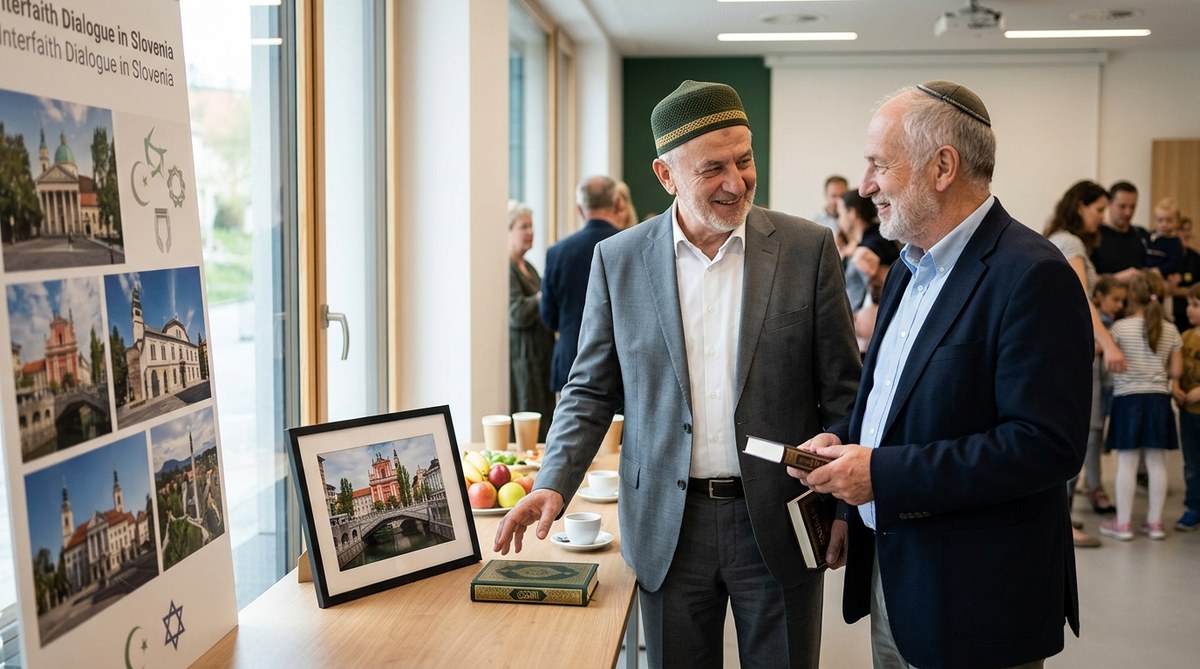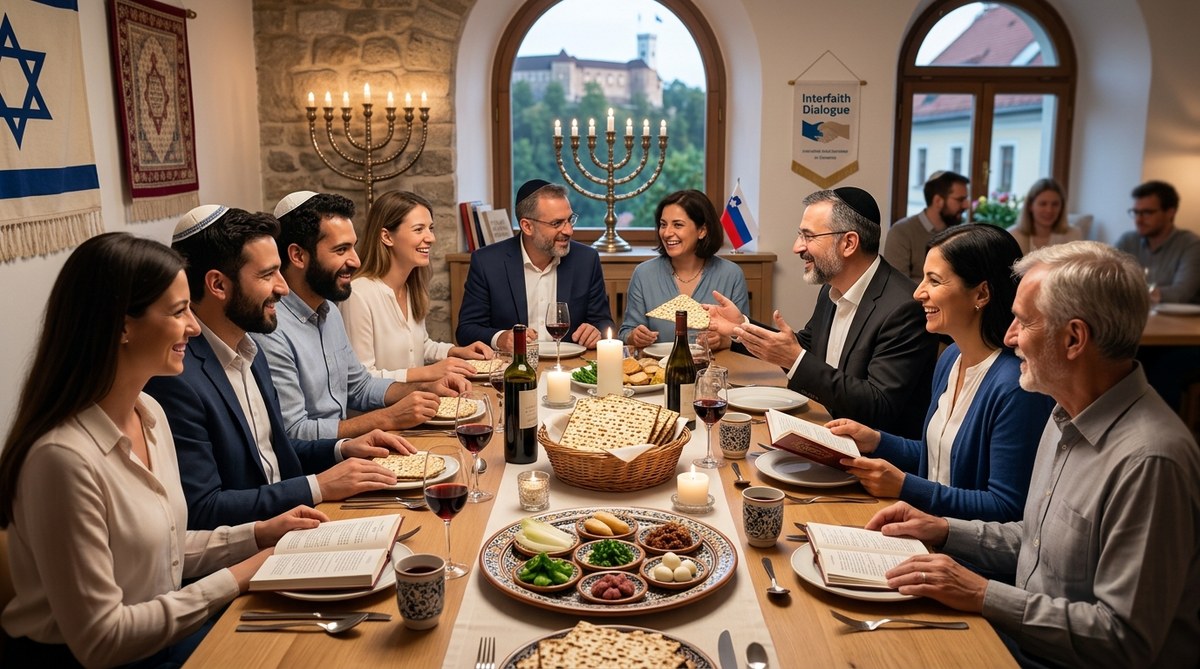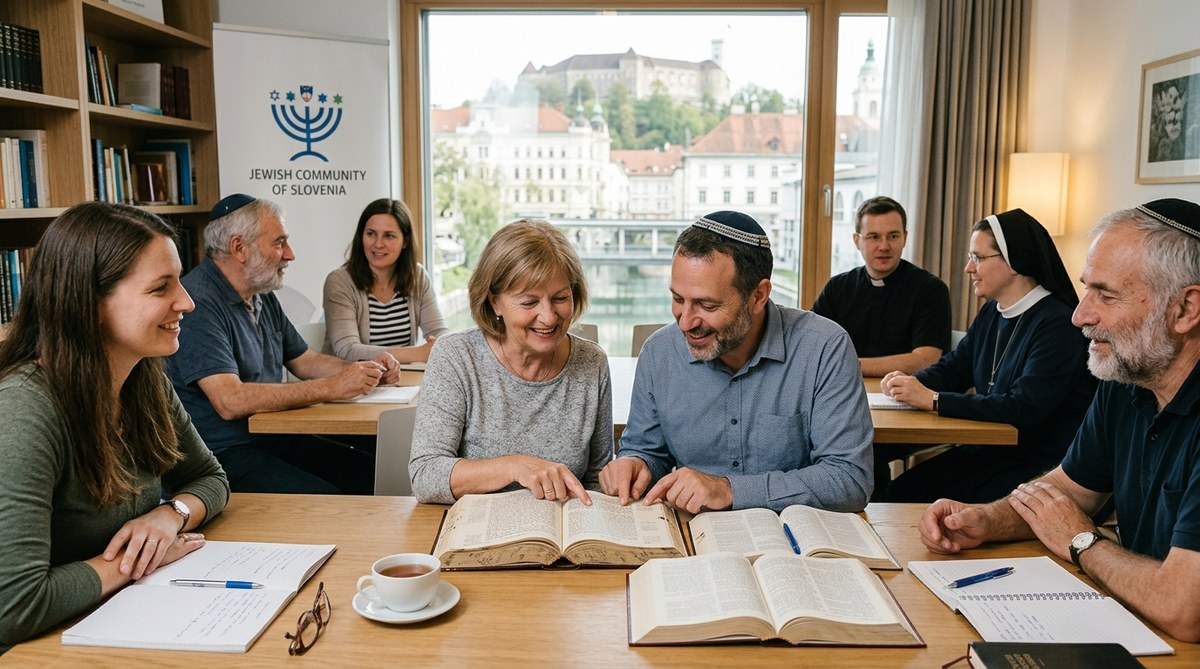
Jewish-Christian study groups in Slovenia are quietly transforming the landscape of interfaith dialogue. These groups focus on uncovering common roots within their sacred texts, fostering understanding, respect, and friendship. In a country rich with diverse spiritual traditions, these initiatives are proving vital for building bridges between communities. They offer a space where people can learn from each other, challenge stereotypes, and deepen their appreciation for shared heritage.
Jewish-Christian study groups in Slovenia are fostering interfaith understanding by exploring shared scriptural roots. These groups promote dialogue, mutual respect, and deeper connections between communities, enriching Slovenia’s diverse spiritual landscape.
The Roots of Interfaith Study Groups in Slovenia
Slovenia, with its small but vibrant Jewish community and a largely Christian population, provides a unique setting for interfaith initiatives. Jewish-Christian study groups have been gaining momentum, driven by a desire to reconnect with common spiritual heritages. These groups are often organized by local religious communities, academic institutions, or interfaith organizations dedicated to fostering dialogue and understanding.
The core of their work involves examining sacred texts — the Hebrew Bible and the Christian Old Testament — side by side. By doing this, participants discover shared stories, themes, and values. This shared exploration encourages a sense of unity and mutual respect.
How Jewish-Christian Study Groups Are Forming in Slovenia
Establishing these study groups involves several practical steps. Here is a look at how they typically come together:
-
Identifying Shared Goals
Participants and organizers agree on the purpose: to understand each other’s scriptures and traditions better. They emphasize respect and curiosity over debate or conversion. -
Building Partnerships
Groups often form through collaborations between local synagogues, churches, and interfaith organizations. These partnerships help in sharing resources and ensuring diverse participation. -
Creating a Safe Space for Dialogue
Facilitators focus on fostering an environment where questions are welcomed and differences are acknowledged. Setting ground rules for respectful conversation is essential. -
Selecting Study Materials
Participants use accessible translations of sacred texts, along with scholarly commentaries. Sometimes, they incorporate historical context or contemporary interpretations to deepen understanding. -
Organizing Regular Meetings
Consistent gatherings — monthly or quarterly — help build trust and sustain momentum. These meetings often include discussions, shared meals, or cultural exchanges. -
Encouraging Broader Engagement
Some groups host public events or joint community projects to involve wider audiences and promote awareness.
Practical process for joining or starting a group:
- Reach out to local religious or interfaith organizations.
- Express your interest and inquire about existing groups.
- Attend a session to get a feel for the atmosphere and focus.
- Consider volunteering to help organize or facilitate future meetings.
- Invite friends or colleagues who might be interested.
- Keep the dialogue ongoing through email updates or social media groups.
Techniques That Support Meaningful Interfaith Study
Certain methods make these groups more effective and enriching. Here are some techniques used:
- Comparative textual analysis to highlight similarities and differences
- Guided questions that promote reflection rather than debate
- Use of visual aids like maps, timelines, or art to contextualize texts
- Inviting guest speakers from both faith communities
- Sharing personal stories to humanize scriptural lessons
- Celebrating common holidays or traditions together
Common mistakes to avoid:
| Mistake | Why it matters | How to prevent it |
|---|---|---|
| Focusing only on differences | Can reinforce stereotypes | Emphasize shared themes first |
| Avoiding sensitive topics | Might miss opportunities for growth | Establish ground rules for respectful discussion |
| Rushing conversations | Limits deep understanding | Allow time for reflection and questions |
| Not involving diverse voices | Risks echo chambers | Invite a range of community members |
Insights from Interfaith Experts
“Building trust through shared scriptural understanding is essential for meaningful interfaith relationships,” notes Dr. Anna Novak, a scholar of religious studies specializing in Slovenian interfaith initiatives. “When each side approaches texts with genuine curiosity, it opens pathways for friendship and mutual respect.”
The Impact of Shared Scriptural Exploration
These study groups foster a sense of shared history and values. They reveal how Judaism and Christianity are intertwined through stories, laws, and teachings. Participants often find that common themes such as compassion, justice, and memory resonate deeply across faith lines.
Furthermore, such groups can challenge misconceptions. They show that dialogue is possible even when beliefs differ. By focusing on shared roots, communities can build bridges of understanding that extend beyond the study sessions.
How These Efforts Strengthen Slovenia’s Interfaith Landscape
Slovenia benefits from these initiatives by cultivating a climate of openness and cooperation. They serve as models for other countries where religious diversity is growing. As participants learn together, they create friendships and networks that support social harmony.
These groups also contribute to preserving Slovenia’s multicultural heritage. They remind us that mutual learning and respect are ongoing processes rooted in our shared history.
Encouraging Continued Growth and Connection
If you’re interested in participating or starting a Jewish-Christian study group in Slovenia, consider reaching out to local religious communities or interfaith organizations. Attending an existing session can be eye-opening and inspiring.
Remember, the goal is not to convert but to understand. Approach each meeting with an open mind and a respectful heart. Over time, these small steps can lead to lasting bonds and a more inclusive society.
Bridging Faiths Through Shared Heritage
In the end, the success of Jewish-Christian study groups in Slovenia lies in their ability to highlight common spiritual ground. They show that exploring sacred texts together is more than academic — it is a path toward friendship, understanding, and peace.
By engaging in these shared journeys, individuals and communities are contributing to a more harmonious and respectful Slovenia. Every conversation, question, and story shared adds to the fabric of interfaith friendship.
Let these initiatives inspire you to look for the threads that connect us all. Whether you are part of a faith community or a curious learner, your participation can make a difference. Together, we can build bridges that last across generations.