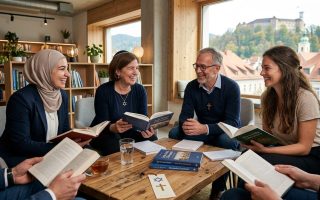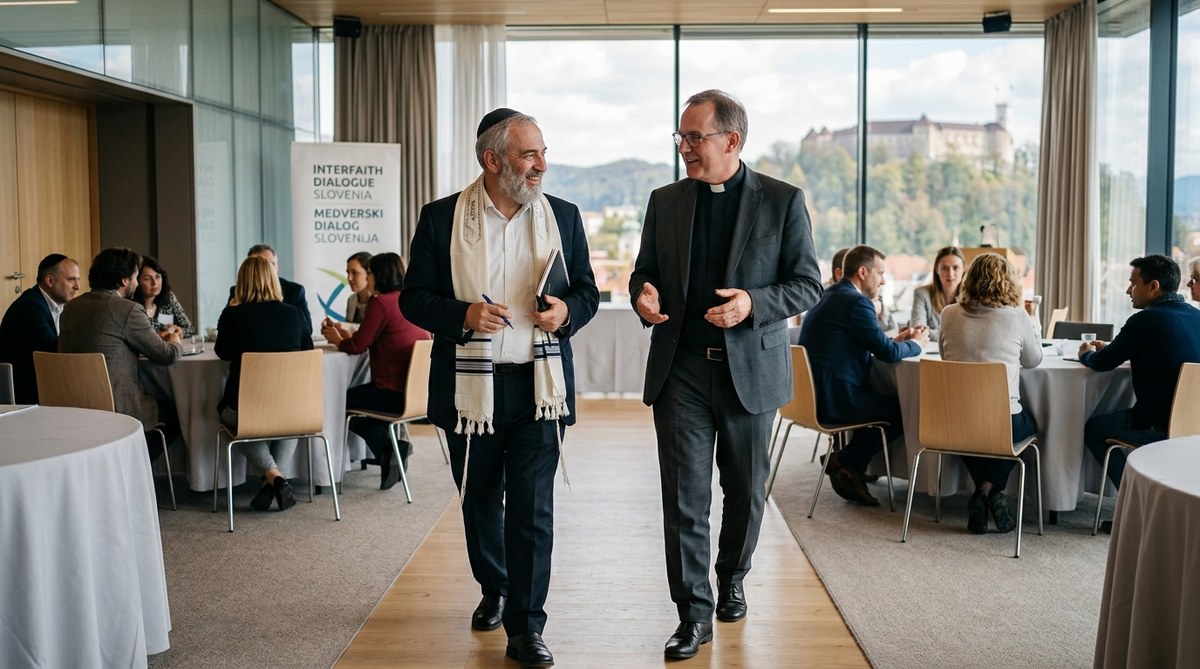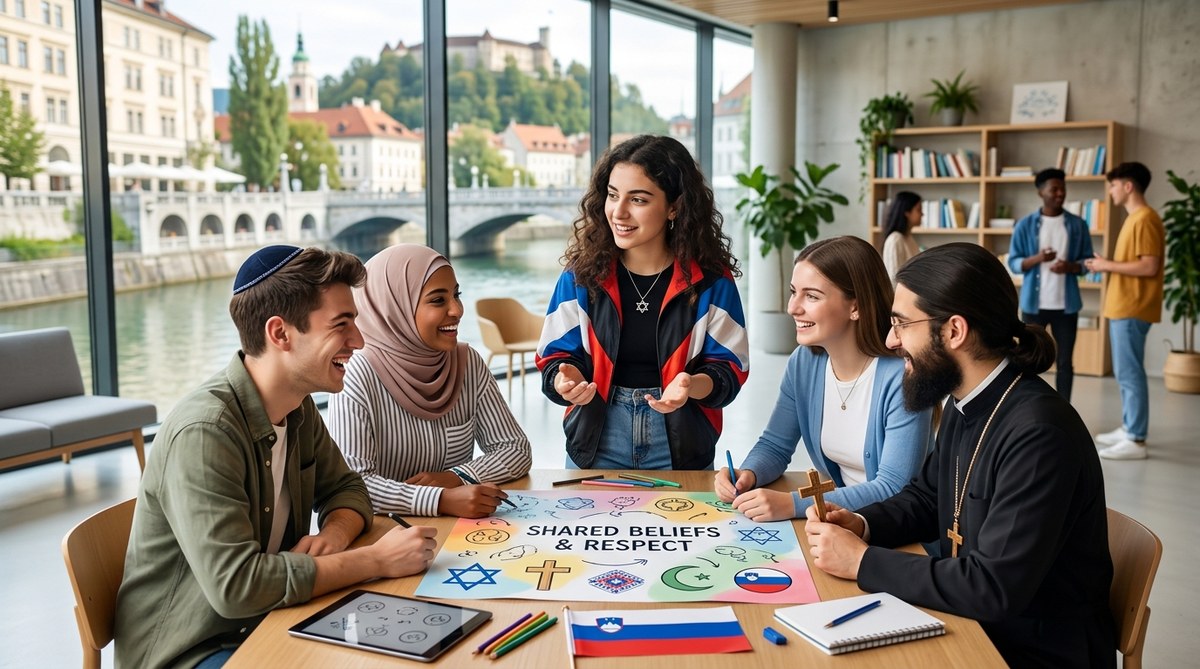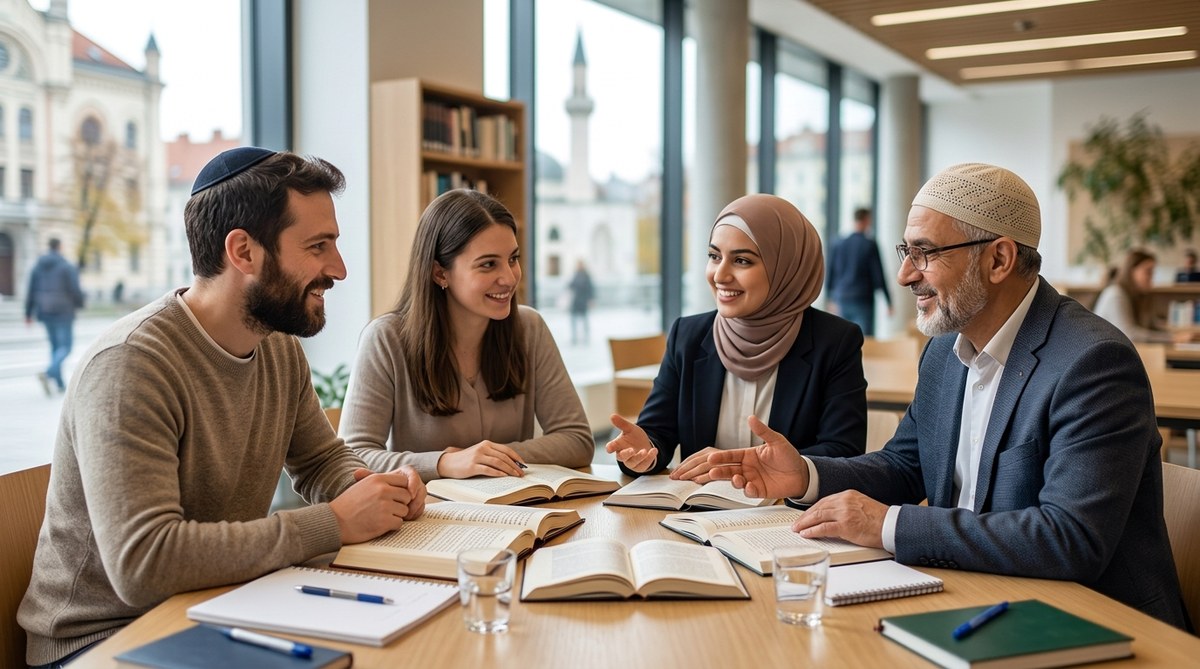
Building bridges between diverse religious communities can seem like a challenge, especially in a country where histories and traditions vary widely. In Slovenia, efforts to foster interfaith community building illustrate how mutual respect and cooperation can transform differences into opportunities for shared growth. A remarkable example is the joint learning circle created by a Slovenian mosque and synagogue, which highlights the power of cross-cultural collaboration. This story reveals how small initiatives can make a significant difference in promoting understanding and unity among religious groups.
The significance of interfaith community building in Slovenia
Slovenia’s rich tapestry of religious and cultural diversity offers a fertile ground for interfaith dialogue. Historically, the country has seen various communities coexist, from Catholics and Protestants to Muslims and Jews. However, recent years have seen a conscious effort to deepen these relationships beyond mere coexistence. Interfaith community building in Slovenia involves creating spaces for dialogue, understanding, and shared activities that break down stereotypes and foster friendships.
The story of how a Slovenian mosque and synagogue came together to establish a joint learning circle exemplifies this approach. It demonstrates that when different faith groups actively seek common ground, they build lasting bonds that benefit their communities and the wider society. These collaborations contribute to social cohesion and serve as models for other regions facing similar multicultural challenges.
How a mosque and synagogue created a shared learning initiative
The process of establishing an interfaith learning circle in Slovenia involves several practical steps. Here is a simplified overview of how such projects can develop:
-
Identify common goals. Religious communities often share values like respect, charity, and community service. Recognizing these shared principles creates a foundation for collaboration.
-
Initiate open dialogues. Organize informal meetings where community leaders and members can share their beliefs, traditions, and concerns. This openness fosters trust.
-
Plan joint activities. These can include educational workshops, cultural events, or community service projects. Such activities promote interaction and understanding.
-
Maintain ongoing communication. Consistent dialogue keeps relationships strong and allows for the resolution of any misunderstandings.
-
Reflect and adapt. Regular feedback helps improve ongoing projects and ensures they remain meaningful for all involved.
Practical tips for successful interfaith collaboration
- Approach with humility and genuine curiosity.
- Respect differences while highlighting shared values.
- Involve youth and community members to ensure sustainability.
- Celebrate cultural and religious festivals together.
- Document and share success stories to inspire others.
Techniques and common mistakes
| Techniques | Mistakes to avoid |
|---|---|
| Fostering genuine relationships | Rushing into activities without building trust |
| Creating inclusive spaces | Ignoring or dismissing differing perspectives |
| Emphasizing common values | Overemphasizing differences to highlight divisions |
| Ensuring transparency and open communication | Withholding information or hiding intentions |
| Celebrating diversity within unity | Forcing participation or making events obligatory |
Building understanding through shared experiences
Joint projects often succeed because they create personal connections. For example, community members might cook traditional dishes from each other’s cultures or participate in joint charity events. These shared experiences humanize the other group, making stereotypes less relevant.
In Slovenia, such initiatives have led to increased respect and friendship among different faith groups. When communities work side by side, they see each other’s humanity beyond religious labels. These efforts can serve as catalysts for broader societal change, influencing attitudes beyond the immediate participants.
According to religious studies expert Dr. Jana Novak, “Interfaith projects that focus on shared human values and community service tend to have the most lasting impact. They remind us that at our core, we all seek understanding and belonging.”
The impact of interfaith dialogue on Slovenian society
Interfaith community building in Slovenia does more than foster friendship. It helps create resilient communities capable of facing social challenges together. In times of crisis, these bonds can be a source of strength and solidarity.
Moreover, these efforts contribute to a more inclusive national identity. They challenge stereotypes and promote the idea that diversity enriches society. As a result, young Slovenians grow up with a broader understanding of different faiths, fostering tolerance and peace.
How to support interfaith initiatives
- Educate yourself about different religions and cultures.
- Volunteer for local interfaith projects.
- Attend community events and festivals.
- Advocate for inclusive policies that respect religious diversity.
- Share stories of successful collaborations to inspire others.
Common pitfalls and how to avoid them
While the benefits are clear, some initiatives falter due to misunderstandings or missteps. Here are key mistakes to watch for:
| Technique | Mistake |
|---|---|
| Listening actively and empathetically | Ignoring or dismissing the concerns of other groups |
| Building on shared values | Focusing solely on differences to emphasize divisions |
| Encouraging participation across generations | Limiting involvement to adults only |
| Ensuring cultural sensitivity | Making assumptions about other communities without research |
| Keeping projects flexible and responsive | Rigid planning that does not adapt to community needs |
A new chapter in Slovenian interfaith relations
The collaborative spirit demonstrated by a Slovenian mosque and synagogue offers hope for the future. It shows that faith groups can work together to create a more understanding and peaceful society. These partnerships are essential in a world where division often seems to dominate.
By fostering genuine relationships, respecting differences, and focusing on shared values, communities can build bridges that last. Small steps, like joint learning circles or cultural exchanges, can lead to profound change.
Final thoughts for fostering interfaith understanding
Encouraging interfaith community building Slovenia requires patience, openness, and a willingness to listen. Every effort counts, whether it involves a simple conversation or a large-scale project. When communities come together to learn from each other, they create a legacy of harmony that benefits everyone.
Think about ways your community can participate. Whether through organizing a discussion, inviting neighbors to cultural events, or volunteering with local organizations, your involvement matters. Small actions can spark big change, helping to nurture a society where diversity is celebrated and unity prevails.
Growing bonds through shared faith journeys
Building lasting relationships across religious lines takes effort but offers invaluable rewards. By fostering understanding and respect, Slovenian communities are paving the way for a more inclusive future. Engage with your neighbors, learn about their traditions, and seek opportunities for collaboration. Such steps can transform differences into strength and create a community where everyone feels seen and valued.