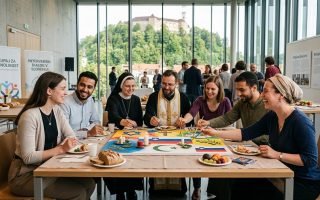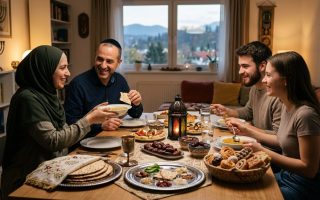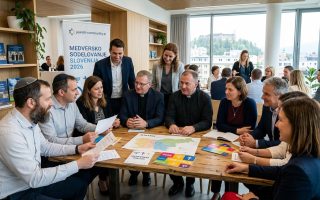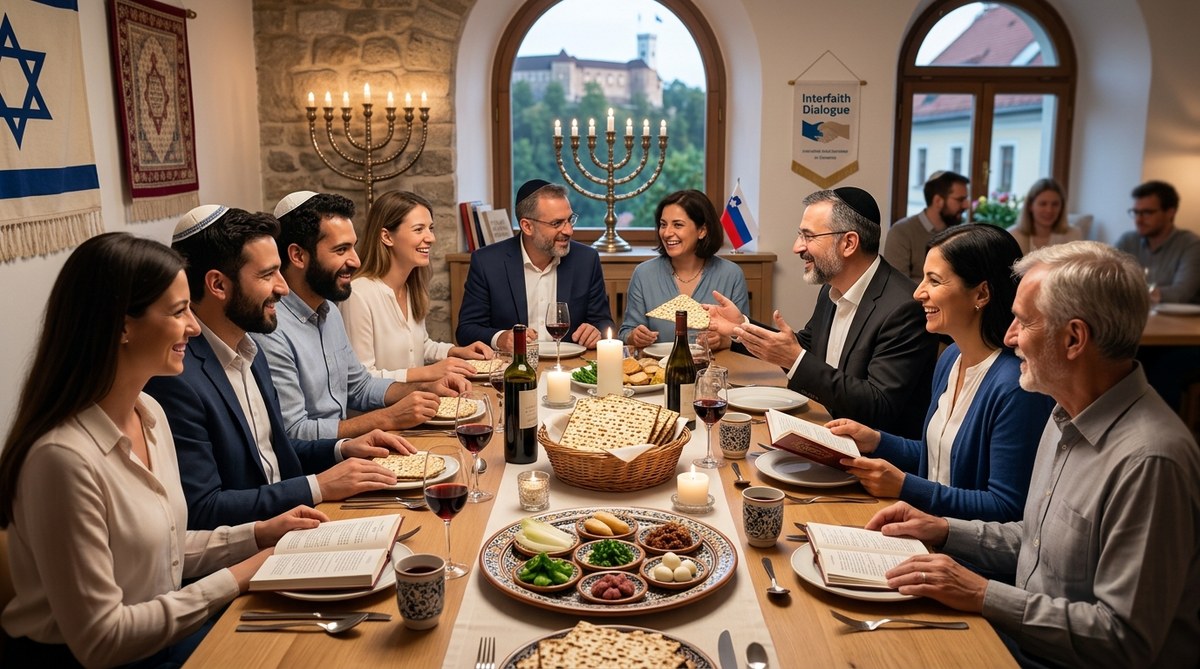
Interfaith Seders are increasingly becoming a meaningful tradition within Slovenia’s diverse religious landscape. These gatherings offer a unique space where people from different faiths come together to share a meal, reflect on shared values, and foster mutual understanding. As interest in interfaith dialogue deepens across Slovenia, many communities are embracing the Seder as a way to bridge cultural divides and celebrate common roots. This phenomenon highlights a shift towards inclusivity and dialogue that resonates with many Slovenians seeking deeper connections beyond religious boundaries.
Interfaith Seders in Slovenia are growing in popularity as they promote understanding and shared cultural experiences. They serve as meaningful gatherings that unite different communities through tradition, dialogue, and mutual respect, reflecting Slovenia’s increasing openness to interfaith engagement.
The Growing Interest in Interfaith Seders in Slovenia
Over recent years, Slovenian communities have seen a rise in interfaith Seders. Traditionally, Seders are Jewish rituals commemorating the Exodus from Egypt, but their core themes of liberation, freedom, and shared storytelling have universal appeal. In Slovenia, people of various faiths and backgrounds have started organizing these events to foster dialogue and deepen intercultural understanding. The appeal lies in their ability to create a space for honest conversations about faith, history, and shared values.
Many participants find that these Seders break down stereotypes and open lines of communication. They also serve as educational platforms, especially for those unfamiliar with Jewish traditions. Communities that once saw religious practices as separate are now discovering the value of shared experiences. This movement aligns with Slovenia’s broader efforts to promote coexistence and respect among its diverse religious and cultural groups.
How Interfaith Seders Are Organized in Slovenia
Organizing an interfaith Seder involves a few practical steps that facilitate meaningful participation for all involved. Here’s a straightforward process:
-
Identify a diverse organizing team
Gather representatives from different faith communities or cultural backgrounds. Having a balanced team ensures the event respects all traditions and perspectives. -
Choose a neutral venue
Select a space accessible to everyone, such as community centers, cultural halls, or even outdoor settings. Neutral locations help foster openness and comfort. -
Design inclusive content
Create a program that respects Jewish traditions while incorporating elements from other faiths. Use shared stories, songs, and symbols that resonate across cultures. -
Prepare the meal and rituals
Plan a meal that can be shared by all. Incorporate traditional foods from different cultures and consider rituals that symbolize themes like freedom, justice, and hope. -
Facilitate respectful dialogue
Encourage open conversations throughout the event. Use guided questions to explore common values and personal stories. -
Document and reflect
Capture the experience through photos or written reflections. Share insights afterward to foster ongoing dialogue.
Practical tips for success:
- Keep the tone friendly and welcoming.
- Emphasize shared values rather than differences.
- Invite guest speakers or community leaders to enrich the experience.
- Follow up with participants for feedback and future planning.
Techniques for Fostering Genuine Interfaith Understanding
Creating authentic interfaith Seders requires sensitivity and intentionality. Here are some techniques that can help:
- Use storytelling to highlight common themes like liberation, family, and community.
- Incorporate music or art that reflect multiple traditions.
- Celebrate each faith’s unique customs while emphasizing shared human experiences.
- Encourage personal sharing to build empathy and understanding.
- Maintain a respectful environment where all voices are valued.
| Technique | Benefit | Common Mistake |
|---|---|---|
| Shared storytelling | Builds empathy and highlights common values | Ignoring cultural sensitivities |
| Multicultural elements | Enriches the event and promotes inclusivity | Overloading with incompatible traditions |
| Active listening | Fosters genuine respect | Dominating conversations with one perspective |
| Symbolic rituals from multiple faiths | Creates a sense of unity | Appropriating elements without understanding |
“Interfaith events are most powerful when participants see themselves reflected in the stories and symbols shared,” notes Dr. Anna Novak, a Slovenian religious scholar specializing in intercultural dialogue.
Challenges and Mistakes to Avoid
While the popularity of interfaith Seders grows, there are pitfalls to watch out for:
- Superficial participation: Failing to engage participants meaningfully can undermine the event’s purpose.
- Cultural insensitivity: Disrespecting traditions or misrepresenting rituals can create discomfort.
- Lack of follow-up: One-time events might not foster ongoing dialogue. Continuous engagement is key.
- Ignoring local context: Adapting the Seder to fit Slovenia’s unique cultural landscape enhances relevance and acceptance.
Practical Techniques and Common Pitfalls
Here’s a quick reference to help organize effective interfaith Seders:
| Technique | Mistake to Avoid |
|---|---|
| Emphasizing shared themes | Using stereotypes or oversimplifications |
| Celebrating multiple traditions | Neglecting the depth or significance of each tradition |
| Facilitating open dialogue | Allowing dominant voices to overshadow others |
| Using inclusive language | Using language that inadvertently excludes some participants |
Embracing Interfaith Dialogue in Slovenia’s Cultural Landscape
The rise of Interfaith Seder Slovenia exemplifies a broader shift toward accepting and celebrating religious diversity. These events foster connections that transcend doctrinal differences, emphasizing common humanity. They create spaces where questions are welcomed and understanding is cultivated.
In Slovenia, the movement reflects a desire to build bridges amid a rich tapestry of cultures and faiths. It shows that rituals like the Seder can serve as powerful tools for dialogue, education, and community building. As more communities embrace this approach, the fabric of Slovenian society becomes richer and more inclusive.
A Warm Invitation to Participate
If you are inspired by the idea of interfaith Seders, consider how you might bring this tradition into your community. Whether organized by local religious groups, cultural organizations, or informal gatherings, these events can become meaningful opportunities for connection. Sharing stories, breaking bread, and listening with an open heart can create bonds that last.
By participating or organizing an interfaith Seder, you contribute to a more understanding and compassionate society. You help foster a culture where differences are celebrated and shared values are cherished. Every step taken in dialogue builds a stronger, more connected community.
Building Bridges Through Shared Traditions
In the end, Interfaith Seder Slovenia illustrates how traditions can evolve into tools for unity. They remind us that at the core of all faiths lies a desire for connection, hope, and understanding. Small acts of openness, like sharing a meal or telling a story, can have profound impacts. Consider organizing or joining an interfaith gathering in your region. These moments of shared humanity can pave the way for a more harmonious future.