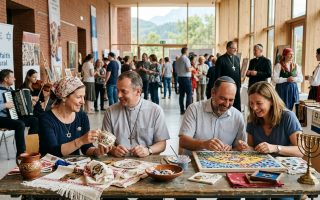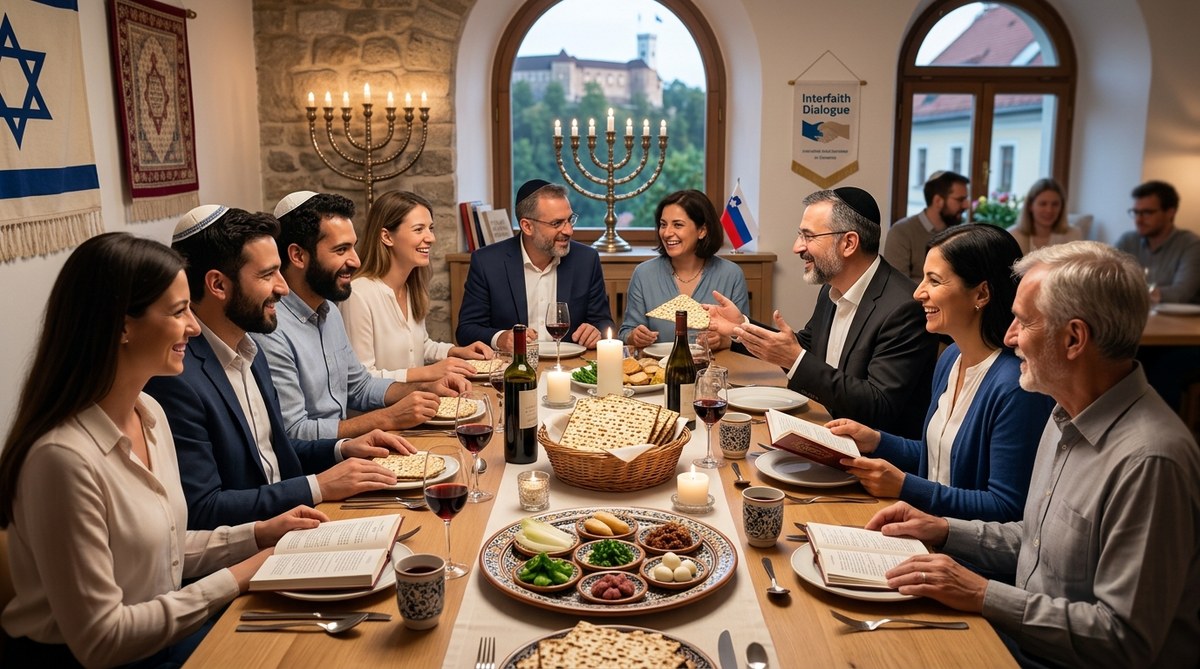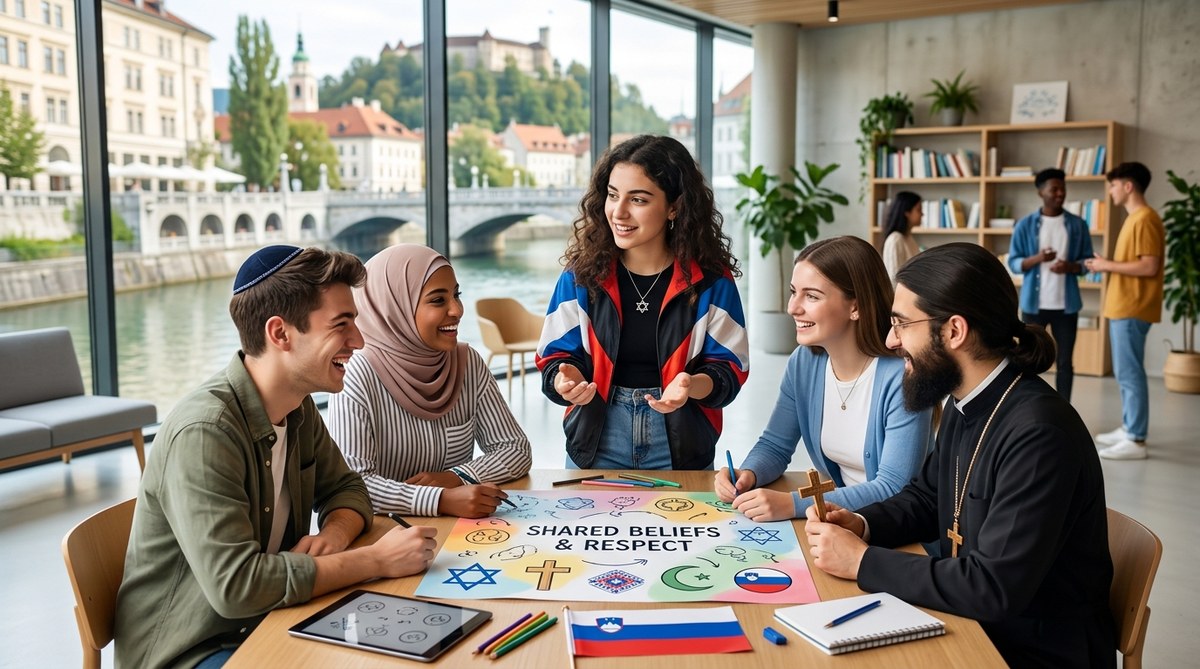
The Slovenian interfaith youth movement stands out as a vibrant example of how young people are redefining religious identity in Europe today. Amid changing societal landscapes, these initiatives are creating new spaces for dialogue, understanding, and shared values. They demonstrate how interfaith efforts can foster community cohesion and support the spiritual exploration of a generation eager for authentic connections. This movement is reshaping perceptions of faith, emphasizing inclusivity and mutual respect.
The Rise of Interfaith Youth Movements in Slovenia
Slovenia’s interfaith youth movement is part of a broader trend across Europe, where young people seek meaningful engagement beyond traditional religious institutions. These initiatives often emerge from local communities, religious organizations, and civil society groups that recognize the importance of fostering understanding among diverse faiths.
In Slovenia, the movement is particularly notable for its focus on dialogue among Jewish, Christian, Muslim, and other faith communities. It aims to break down stereotypes and build bridges through shared activities, educational programs, and cultural exchanges. The goal is to empower young people to forge their own spiritual paths while respecting others’ beliefs.
As societal norms shift, many Gen Z individuals in Slovenia are questioning inherited religious identities. They are searching for authenticity, relevance, and community in their spiritual lives. Interfaith youth movements respond to this desire by providing inclusive spaces where young people can explore faith without fear of judgment.
How the Slovenian Interfaith Youth Movement Fosters Engagement
The success of this movement hinges on practical processes that encourage participation and meaningful dialogue. Here are three steps that highlight how they achieve this:
-
Creating inclusive spaces: Organizing events like interfaith festivals, discussion panels, and joint community service projects. These activities allow young people to meet firsthand and share their perspectives.
-
Educational initiatives: Offering workshops, seminars, and school programs that focus on religious literacy, historical context, and ethical discussions. Education helps dismantle misconceptions and promotes understanding.
-
Encouraging personal stories: Facilitating storytelling sessions where youth share their faith journeys and challenges. Personal narratives build empathy and deepen connections across faith lines.
These processes are complemented by a flexible approach that adapts to local contexts and the evolving needs of youth. The movement emphasizes openness and curiosity, which are central to fostering authentic dialogue.
Techniques That Empower Youth to Redefine Faith
The Slovenian interfaith youth movement employs several techniques to help young people explore and articulate their spiritual identities:
- Dialogue circles: Small, safe spaces where participants can speak openly about their beliefs and doubts.
- Cultural fusion events: Combining music, art, and cuisine from different traditions to celebrate diversity.
- Collaborative projects: Joint initiatives like community gardens, charity drives, and environmental activism that unite faith communities around common goals.
| Technique | Purpose | Common Mistakes |
|---|---|---|
| Dialogue circles | Foster honest conversations | Avoiding difficult topics or dominating the discussion |
| Cultural fusion events | Celebrate diversity creatively | Superficial engagement or tokenism |
| Collaborative projects | Build shared purpose | Overlooking genuine community needs or excluding certain groups |
Expert advice underscores that these techniques should prioritize authenticity and mutual respect. As one interfaith leader emphasizes, “Young people thrive when they feel heard and valued. Creating genuine spaces for connection makes all the difference.”
Challenges and Opportunities in the Slovenian Context
While the movement has gained momentum, it faces challenges common to interfaith initiatives. These include societal stereotypes, political tensions, and the need for sustained funding. Overcoming these obstacles requires patience, persistence, and the continuous involvement of youth leaders who can inspire peers.
At the same time, opportunities abound. The movement can serve as a model for other regions seeking innovative ways to address religious diversity. Its emphasis on dialogue, education, and shared action aligns with broader European efforts to promote social cohesion.
Furthermore, the movement’s work impacts not just individual faith identities but also community resilience. By fostering understanding among young people, it helps create a more inclusive society where differences are seen as strengths.
Practical Steps for Engaging Youth in Interfaith Initiatives
For researchers, educators, or community organizers interested in supporting similar efforts, here are five practical steps:
- Identify local faith communities willing to collaborate.
- Organize youth-centered events that encourage dialogue and cultural exchange.
- Incorporate religious literacy into educational curricula.
- Use storytelling to highlight personal faith experiences.
- Promote joint community projects that address common social issues.
These steps can be tailored to specific contexts, making interfaith work accessible and impactful.
- Foster open communication
- Respect different perspectives
- Highlight shared values
- Encourage active participation
- Support continuous learning
Common Techniques and Pitfalls
To maximize impact, understanding effective techniques and common mistakes is key. The following table offers guidance:
| Technique | Common Mistakes |
|---|---|
| Respectful listening | Ignoring difficult topics or dismissing doubts |
| Shared community service | Prioritizing symbolic acts over meaningful engagement |
| Interfaith education | Relying on stereotypes or oversimplified narratives |
By being mindful of these, organizers can create more genuine and lasting connections.
The Power of Young Voices in Shaping Faith Identities
In the words of a Slovenian youth participant, “Interfaith activities give me space to be myself and learn from others. It’s about building a community where everyone feels valued.” Such perspectives illustrate the importance of empowering young voices in shaping their spiritual journeys.
The movement demonstrates that when youth are supported and given platforms for expression, they become active agents of change. Their work not only influences their communities but also contributes to broader conversations about faith and coexistence in Europe.
Looking Ahead: Building Bridges for Future Generations
The Slovenian interfaith youth movement is more than a local phenomenon. It reflects a shift toward a more inclusive and dialogic approach to faith in Europe. As these young leaders grow and take on new roles, they will continue to shape societal narratives around religious diversity.
Supporting this movement involves fostering environments where youth can explore, question, and connect across differences. Practical efforts include providing educational resources, facilitating intercultural exchanges, and encouraging collaborative community initiatives.
Creating a future where diverse faiths coexist peacefully depends on the actions we take today. By empowering young people to become ambassadors of understanding, we lay the groundwork for a more harmonious society.
Building a Future of Shared Belief and Respect
Encouraging participation in interfaith initiatives offers a meaningful way for youth to find their voices and forge authentic connections. Whether through dialogue, cultural activities, or joint projects, young Slovenian leaders are demonstrating how faith can be a source of unity rather than division. Supporting their efforts enriches not only individual lives but also the fabric of society. Initiatives like the Slovenian interfaith youth movement show that fostering mutual understanding begins with small steps and sincere conversations. Engage with these models, adapt their techniques, and help cultivate a generation that values diversity and builds bridges across faiths.