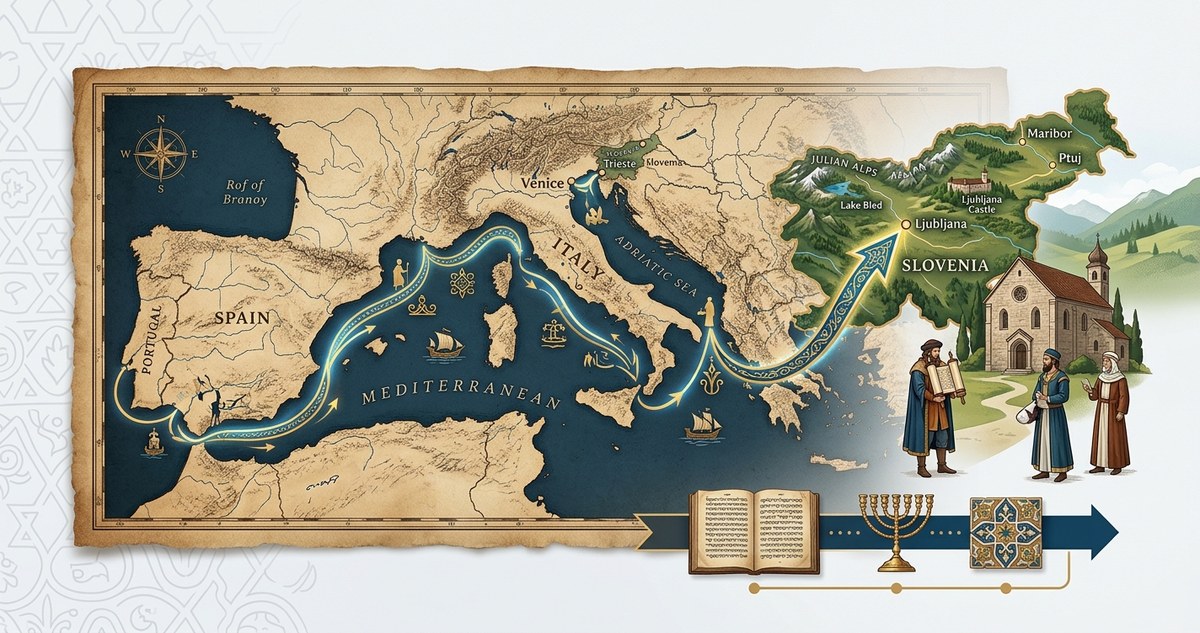
Slovenia, a small yet historically rich country nestled in the heart of Central Europe, has a fascinating story when it comes to its Jewish community. Over centuries, this community has shown remarkable resilience, adapting through upheavals, upheavals, and periods of adversity. Their journey is a testament to the strength of cultural identity and faith, shaping the country’s diverse tapestry.
The Jewish community in Slovenia has a deep-rooted history marked by resilience, adaptation, and cultural influence. From ancient times to the modern era, they have contributed significantly despite facing periods of expulsion, war, and suppression. Today, their heritage is celebrated through restored sites, community initiatives, and ongoing cultural revival efforts that honor their enduring legacy.
The Roots of Jewish Presence in Slovenia
The roots of the Jewish community in Slovenia stretch back to antiquity. Archaeological findings, such as a tomb engraved with a menorah at the Skocjan site, suggest that Jewish presence in the region may date as far back as the fifth century CE. Throughout the medieval period, Jewish merchants and craftsmen established themselves within Slovenian towns, contributing to local economies and vibrant cultural life.
During the Middle Ages, Jewish communities in Slovenian cities such as Ljubljana, Ptuj, and Maribor became vital parts of urban life. They established synagogues, cemeteries, and communal institutions, often navigating complex relationships with local rulers. Despite restrictions and occasional expulsions, Jewish residents maintained their traditions and kept a low profile during periods of hostility.
The Challenges and Resilience through Centuries
The Great Expulsion and Medieval Hardships
One of the most significant moments in Slovenian Jewish history was the expulsion of Jews in 1515. King Maximilian I issued edicts that forced many Jewish families to leave, a blow that temporarily diminished their presence in the region. Despite these setbacks, some Jewish families remained or returned later, driven by economic opportunities and their strong cultural ties.
Emancipation and Integration in the 19th Century
The 19th century marked a turning point. The Enlightenment and subsequent reforms, such as the reforms of Emperor Joseph II, aimed at granting Jews civil rights and integrating them into society. These reforms led to a period of relative stability and growth. Jewish residents began participating more actively in Slovenian civic, economic, and cultural life.
The Holocaust and World War II
The darkest chapter unfolded during World War II. Slovenian Jews faced persecution, deportation, and the horrors of the Holocaust. Many were sent to concentration camps or murdered locally. Despite this, stories of resistance and rescue emerged, highlighting their resilience amid unimaginable adversity.
Post-War Recovery and Revival
After the war, the Jewish community in Slovenia was significantly diminished. The communist regime suppressed religious expression, and many survivors emigrated or assimilated into broader society. Nevertheless, a small but committed community persisted, working tirelessly to preserve their heritage.
The Revival of Jewish Life After Slovenia Gained Independence
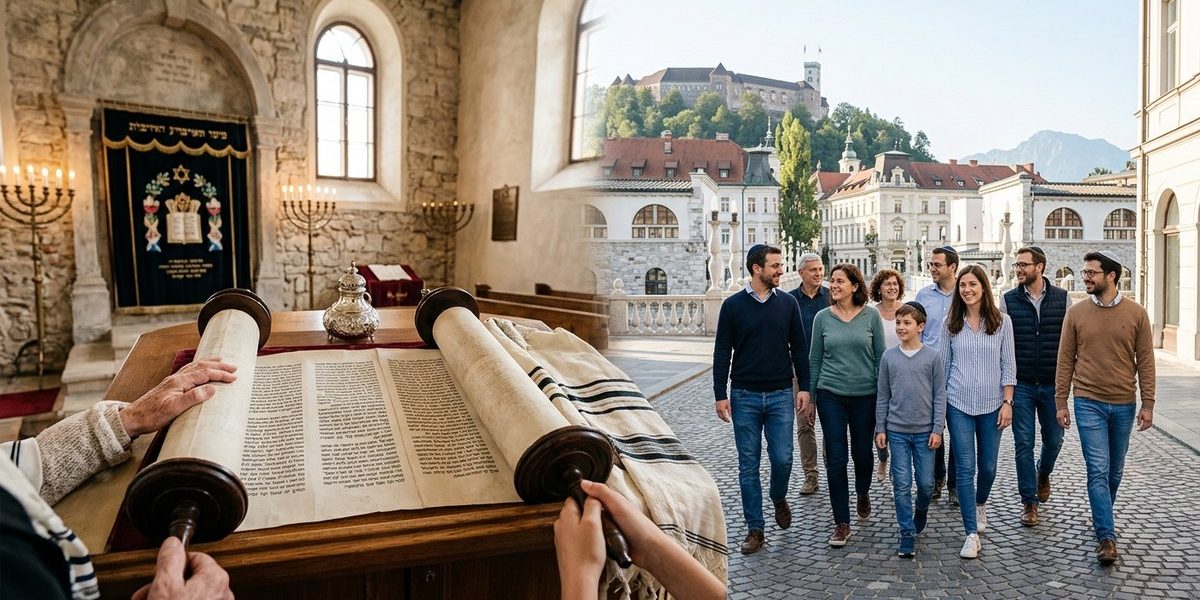
Since Slovenia’s independence in 1991, efforts to revive Jewish life have gained momentum. Restoration projects of synagogues and historic sites have been central to this movement. The Ljubljana Synagogue, which served as a cultural and religious hub, was restored and now hosts exhibitions and community events that celebrate their heritage.
Cultural and Religious Revival Initiatives
Modern Slovenian Jewry actively promotes education, interfaith dialogue, and cultural events. Festivals, such as the annual Slovenian Jewish Cultural Festival, draw attention to their history and contributions. Educational programs aim to inform the broader public about the community’s history, emphasizing shared values of tolerance and coexistence.
Preservation of Heritage and Historic Sites
Restoring historic Jewish sites remains a priority. The Jewish cemetery in Ljubljana has been maintained and expanded, serving as a poignant reminder of the community’s long-standing presence. Other sites, like the Jewish quarter in Maribor, are undergoing archaeological and preservation efforts to uncover and protect their stories.
Practical Steps to Support and Celebrate Slovenian Jewish Heritage
If you wish to learn more or support the ongoing revival of Jewish heritage in Slovenia, consider these steps:
- Visit historic sites: Tour the restored synagogues, cemeteries, and museums to connect with their history firsthand.
- Participate in cultural events: Attend festivals, lectures, or exhibitions that showcase Jewish art, music, and traditions.
- Engage with community initiatives: Volunteer or donate to organizations dedicated to preserving Slovenian Jewish heritage.
- Educate others: Share stories and facts about Slovenian Jewry to foster understanding and appreciation.
- Support preservation projects: Contribute to efforts that maintain and restore historic Jewish sites.
Techniques and Common Mistakes in Heritage Preservation
| Techniques | Mistakes to Avoid |
|---|---|
| Regular maintenance of historic sites | Neglecting structural repairs leading to deterioration |
| Community engagement and education | Assuming preservation is only a matter for experts |
| Documentation and archiving | Overlooking local stories and oral histories |
| Collaboration with international heritage organizations | Focusing only on physical structures, ignoring intangible traditions |
An expert from the Slovenian Heritage Institute emphasizes, “Preserving Jewish sites is about more than bricks and mortar; it’s about safeguarding the stories, traditions, and identities that define a community’s resilience.”
The Role of Art and Education in Jewish Heritage Revival
Art, music, and storytelling play vital roles in keeping the community’s legacy alive. Modern Jewish artists in Slovenia draw inspiration from their history, creating works that celebrate their cultural identity. Museums and cultural centers serve as repositories of their stories, fostering understanding among diverse audiences.
Educational programs, often in collaboration with schools and universities, aim to teach younger generations about their heritage. These initiatives help ensure that the community’s resilience and influence continue to inspire future Slovenians.
Building Bridges for a Shared Future
The long history of the Jewish community in Slovenia demonstrates a pattern of adaptation and perseverance. Today, interfaith dialogues and joint cultural projects foster mutual understanding among different religious and ethnic groups. These efforts strengthen social cohesion and showcase Slovenia as a country that values its diverse roots.
Practical Process for Heritage Preservation
- Research and Documentation
Collect oral histories, photographs, and artifacts to create a comprehensive record. - Restoration and Conservation
Prioritize preserving physical sites with appropriate methods. - Community Engagement
Involve local residents and descendants to foster ownership and pride.
Techniques and Mistakes to Consider
| Techniques | Mistakes to Avoid |
|---|---|
| Collaborating with international experts | Ignoring local traditions and stories |
| Using authentic materials | Rushing restoration projects |
| Promoting public awareness | Limiting access to heritage sites |
Celebrating the Enduring Spirit of Slovenian Jewry
The story of the Jewish community in Slovenia is one of resilience and renewal. Their contributions have shaped Slovenian history in areas such as commerce, arts, and religious life. Today, their heritage continues to inspire both the community and visitors alike.
As you visit Slovenia or study its history, take time to recognize the profound impact of this community. Supporting preservation and educational efforts ensures that their story remains alive for generations to come.
A Living Heritage Worth Cherishing
The journey of the Jewish community in Slovenia highlights the importance of resilience, adaptation, and cultural pride. Their history reminds us that even in the face of adversity, communities can rebuild and flourish. Engaging with their heritage not only enriches our understanding but also fosters a more inclusive and tolerant society.
Encourage local initiatives, visit historic sites, or simply share their stories. Small actions contribute to a greater appreciation of this vibrant part of Slovenian history. Their legacy is not just a chapter of the past but a living testament to enduring spirit.