It starts with a name scribbled in a family album. Or a story your grandmother told you about a great-grandfather who came from somewhere in the Austrian Empire. You google “Slovenia Jewish records” and suddenly you are falling into a deep, rewarding project. Tracing Slovenian Jewish ancestry is absolutely possible in 2026, and this guide will show you exactly how to do it.
Tracing your Slovenian Jewish ancestry requires a mix of online databases, physical archives, and community connections. Start with family interviews and DNA testing, then move to digital archives like Matricula Online and the Slovenian National Archives. Visit local archival offices in Ljubljana, Maribor, and Ptuj. Understanding naming patterns and language barriers helps. Finally, connect with the Jewish Community of Slovenia to fill gaps and find living relatives.
Understanding the historical path
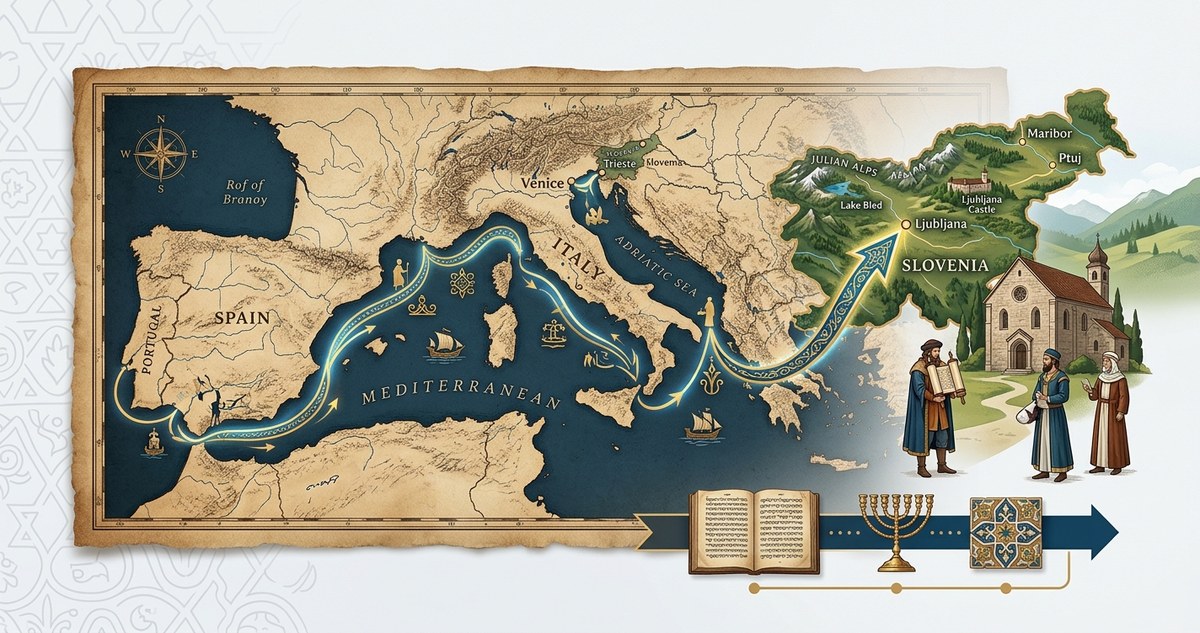
Jewish communities lived in Slovenian lands for centuries. The first records date back to the 13th century in Maribor and Ptuj. Jews were expelled in 1515, then allowed back under Emperor Joseph II in the 18th century. By the 19th century, vibrant communities existed in Ljubljana, Maribor, and Prekmurje. The Holocaust destroyed most of these communities, but many records survived because of meticulous Austrian and Hungarian bureaucratic traditions.
Knowing this timeline helps you understand where to look. If your ancestors arrived before 1515, records are scarce. Most genealogists focus on the period from the late 1700s to the 1940s. The good news is that civil registration (births, marriages, deaths) became mandatory in the Austrian Empire in 1784. That means official paper trails exist for most Jewish families in Slovenia from that point forward.
Step 1: Gather what you know before you search
Before touching a single archive, collect everything from your own family. This step saves hours of fruitless digging later.
- Interview older relatives. Ask for names, towns, occupations, and any family stories about migration. Aunts, uncles, and grandparents often hold names of shtetls or cities you have never heard of. Record the interviews on your phone.
- Collect documents at home. Birth certificates, marriage licenses, naturalization papers, family Bibles, and old letters are gold. Scan them all. Even a scrap of paper with a city name could unlock your entire research.
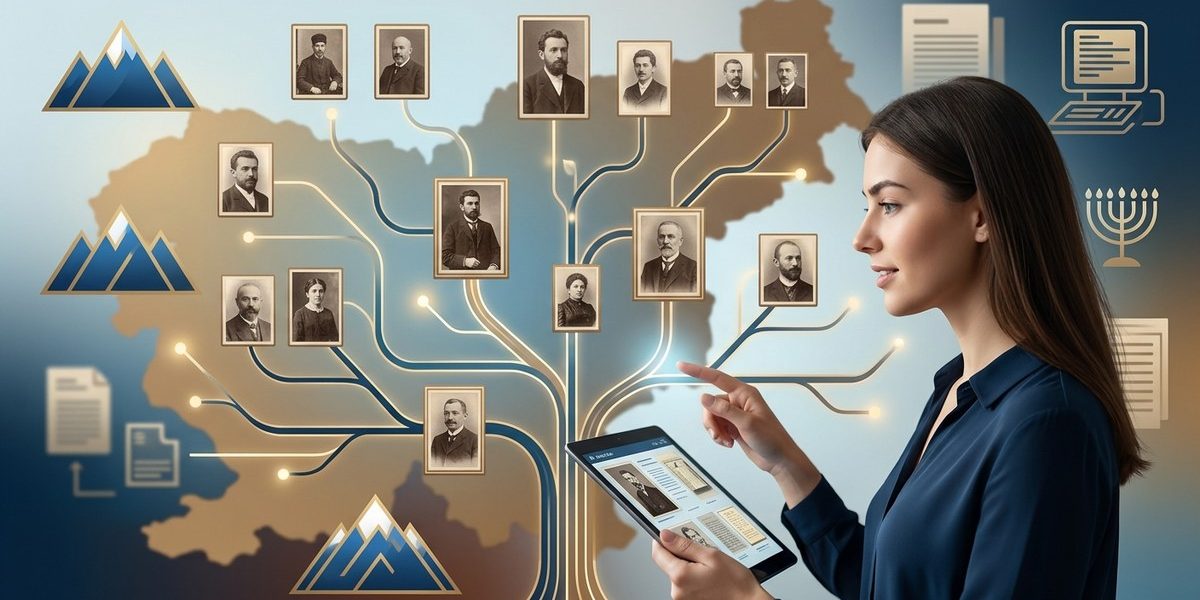
- Organize by family line. Create a simple spreadsheet or use a free family tree tool. For each person, note full name (including maiden name), date and place of birth, date and place of marriage, date and place of death, and any siblings. Leave columns for record sources.
- Take a DNA test. Autosomal DNA tests from companies like Ancestry or 23andMe can connect you with cousins who have already done the research. Many Slovenian Jews or their descendants have tested and are active in matching groups.
A good rule: do not start online until you have at least three generations of names and approximate dates. Otherwise, you will drown in results.
Step 2: Use key online databases
Once you have your starting points, move to the internet. The best databases for Slovenian Jewish ancestry are free or low cost.
- Matricula Online – This is the most important resource for Slovenian Jewish records. It contains digitized Jewish birth, marriage, and death registers from the 19th and early 20th centuries. The collection covers many towns in modern Slovenia, especially from the former Austrian Empire. Search by parish or town name.
- Slovenian Genealogy Society – A volunteer-run site with transcriptions of censuses, tombstone inscriptions, and Holocaust records. Their searchable index is a lifesaver for tricky surnames.
- JewishGen – The global Jewish genealogy site. Use their Hungary Database and Austria Database, because Slovenian regions were part of those empires. The Family Finder feature can connect you with distant cousins who share your ancestral town.
- FamilySearch – Free database with millions of European records. Their collection for Slovenia is growing. Try searching the catalog for “Slovenia, Jewish records” or “Austria, Jewish records.”
- Yad Vashem Central Database of Shoah Victims’ Names – Crucial for finding relatives who perished in the Holocaust. Pages of Testimony submitted by survivors often include the person’s birthplace, parents’ names, and sometimes a photograph.
Expert tip: “Do not limit yourself to modern borders,” says Dr. Ana K., a genealogist who has researched Slovenian Jewish families for over a decade. “Your ancestors might appear in records from Trieste, Graz, or Budapest. Always search the historical province, not just the current country.”
Step 3: Navigate Slovenian archives for original records
Online databases are shortcuts, but original documents often remain only in physical archives. If you can travel to Slovenia, or hire a local researcher, you can find information that never made it to the internet.
Here is what you need to know about the main archives:
| Archive | Location | What they hold | Best for |
|---|---|---|---|
| Archives of the Republic of Slovenia | Ljubljana | Civil registers, land records, notarial acts, Jewish community files (19th-20th century) | City dwellers, especially Ljubljana families |
| Regional Archives Maribor | Maribor | Birth, marriage, death registers for northeastern Slovenia (Styria region) | Families from Maribor, Ptuj, Ljutomer |
| Regional Archives Koper | Koper | Records for the Littoral region (formerly part of Italy) | Families from the coastal areas |
| Diocesan Archive of Ljubljana | Ljubljana | Catholic parish registers (some include Jewish conversions or mixed marriages) | Cross-reference if you suspect a conversion |
| Jewish Community of Slovenia | Ljubljana | Community membership lists, cemetery records, postwar documentation | Recent history and living relatives |
How to access these archives? Most prefer email inquiries in Slovenian or English. They can provide scans for a small fee. Some have online catalogs but not full digitization. If you cannot travel, consider hiring a professional genealogist who works regularly in these archives.
Step 4: Decipher names, languages, and tricky handwriting
Records in Slovenia appear in multiple languages: German, Hungarian, Slovenian, and sometimes Hebrew. Surnames change spelling across generations. Your great-grandfather “Kohn” may appear as “Kohne” in one register and “Kohányi” in another.
Another challenge is that many Jewish families used German or Hungarian forms of given names. For example, “Moses” might be listed as “Mózes” or “Moïses.” Women often appear with Latinized names like “Catharina” even if they were Jewish.
A few strategies:
- Use the JewishGen Given Names Database to map Hebrew names to local equivalents.
- Photograph unclear pages and zoom in later on a computer screen.
- Ask for help on Facebook genealogy groups dedicated to Slovenian research. Enthusiasts love to read old Kurrentschrift (German cursive).
- Remember that civil registrars often wrote in Latin script, but Jewish community record keepers sometimes wrote in Hebrew. For those, hire a translator.
If you hit a wall, look for the same name in a different type of record. A marriage record may list both the groom’s and bride’s birthplace, which can unlock a whole new location.
Step 5: Connect with the Slovenian Jewish community
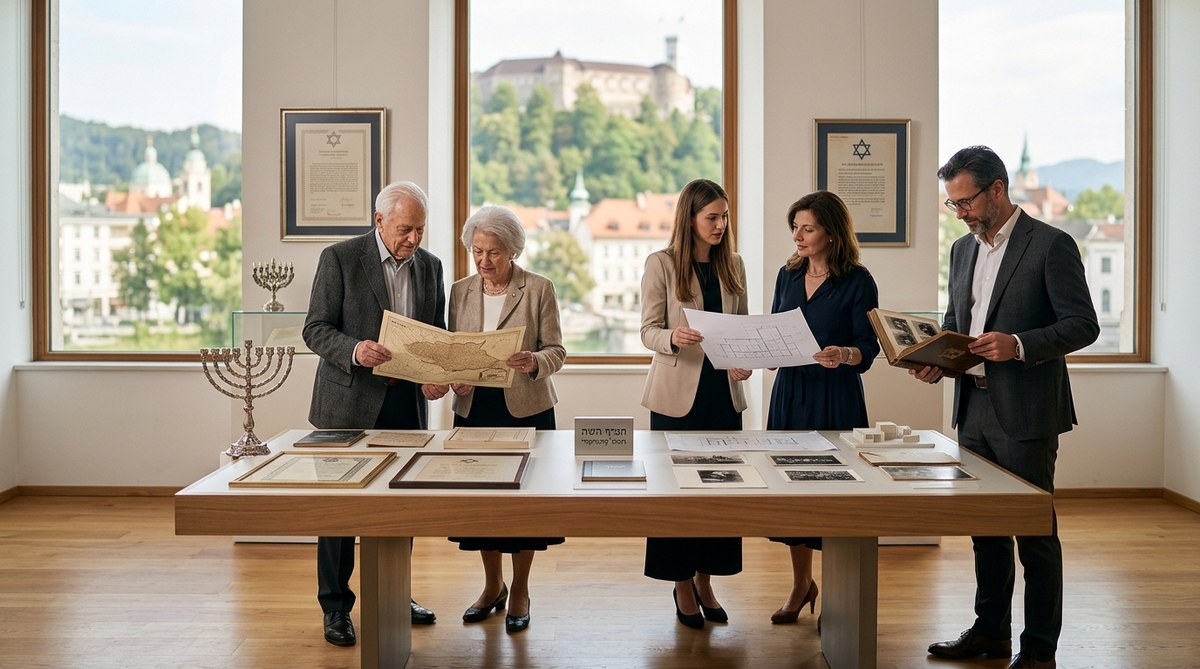
Genealogy is not just about dusty papers. It is about living people who share your history. The Jewish Community of Slovenia (Judovska skupnost Slovenije) in Ljubljana is small but welcoming. They maintain a cemetery list and sometimes host visitors interested in their roots.
You can also attend cultural events. The annual European Day of Jewish Culture in September usually features tours, lectures, and opportunities to meet local Jews. These events are perfect for networking.
Consider reading about the revival of Jewish life in Slovenia since 1991. That historical context helps you understand why some records are well preserved and others incomplete.
If you discover that your family played a role in Slovenian history, check out our articles on 5 influential Slovenian Jewish families who shaped modern Slovenia or how Slovenian Jews survived the Holocaust. These background pieces can add color to names you find in registers.
Preserving your findings for the next generation
The work you do today matters. Once you have collected enough evidence, publish your family tree on a public site like Geni.com or WikiTree so that others can find you. Share copies of your documents with the Slovenian Genealogy Society. Write down the stories behind the names.
Do not get discouraged by gaps. Jewish genealogists often say that every discovery leads to three more questions. That is part of the process. You are not failing if you cannot find a birth record; you are simply narrowing the search.
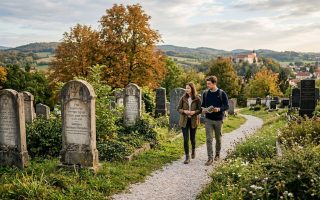
Consider visiting the resting places of your ancestors. Slovenia has several Jewish cemeteries that are being preserved: the one in Maribor dates back to the 19th century and holds many intact tombstones. The Jewish cemetery in Ljubljana is on Rožna Dolina and has a Holocaust memorial. Walking those grounds can connect you emotionally to the names you have been chasing.
A practical path forward for 2026
Start tonight. Call that relative you have been meaning to phone. Write down every name and place they recall. Then open Matricula Online and type in the oldest surname you have. Do not expect instant success. Instead, treat each search as a small step.
Tracing Slovenian Jewish ancestry is a journey that takes time, patience, and creativity. But with the resources available in 2026, you have a real chance to build a meaningful picture of your family’s past.
We are here to help. Bookmark this page, share it with your genealogy group, and check back for updates. If you make a breakthrough, we would love to hear about it. Every rediscovered story strengthens the fabric of the Slovenian Jewish community.