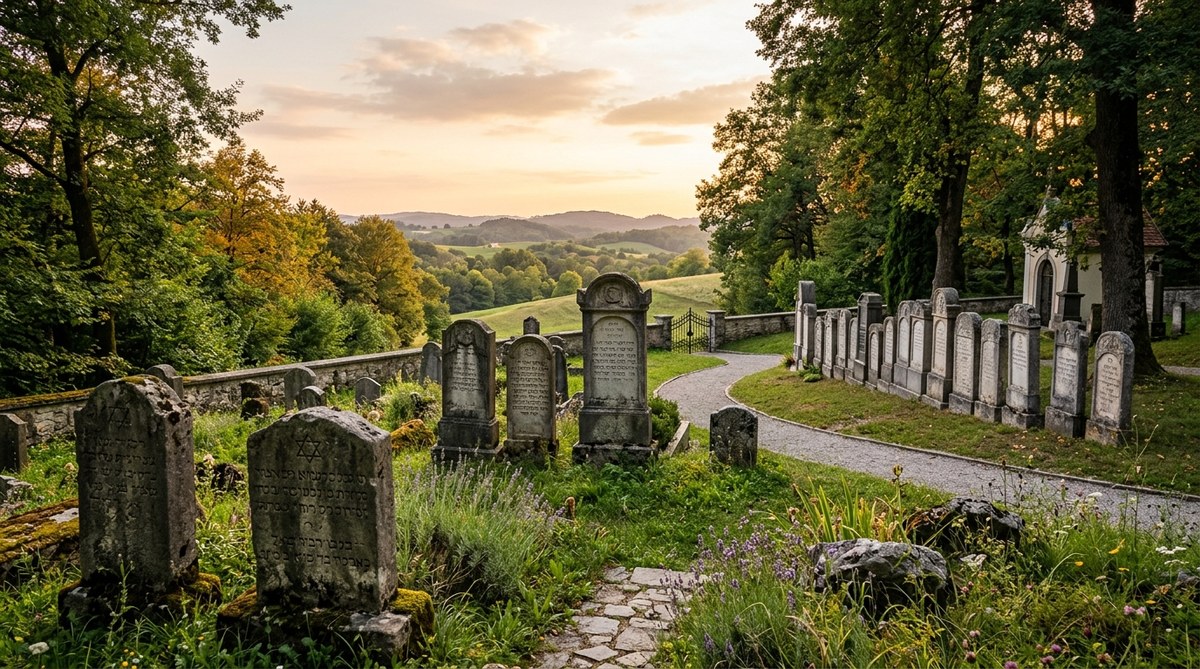
Jewish cemeteries in Slovenia are silent witnesses to a vibrant past. Over time, many of these sacred sites faced neglect, vandalism, or decay. Today, preserving them has become a vital mission for communities, historians, and heritage advocates. Protecting these cemeteries means more than safeguarding stone and soil; it preserves stories, cultural identity, and a tangible connection to Slovenia’s diverse history. Understanding how to care for and restore these sites is essential for future generations to appreciate this rich heritage.
Preserving Slovenia’s Jewish cemeteries involves coordinated efforts that include assessment, cleanup, restoration, and community engagement. These steps ensure the sites remain meaningful, protected, and accessible for generations to come, maintaining a vital link to Slovenian Jewish history.
The Significance of Jewish Cemeteries in Slovenia
Jewish cemeteries serve as enduring symbols of resilience and history. Many of these sites date back centuries and contain gravestones that reflect the diverse origins of the Slovenian Jewish community. They tell stories of migration, cultural exchange, and community life. Unfortunately, decades of neglect and societal changes have threatened their preservation. Restoring and maintaining these cemeteries is crucial for honoring ancestors and safeguarding Slovenia’s multicultural past.
Challenges Facing Slovenia’s Jewish Heritage Sites
Like many historic sites, Jewish cemeteries face multiple challenges. Urban expansion, neglect, vandalism, and natural decay have led to deterioration. Some cemeteries are located in remote areas, making them vulnerable to vandalism or theft. Others suffer from environmental factors such as weathering or plant overgrowth. Additionally, political and social shifts have at times limited access or funding for preservation efforts, making community involvement all the more essential.
Practical Steps for Cemetery Preservation
Protecting Slovenia’s Jewish cemeteries involves a series of coordinated actions. Here are the key steps:
-
Assessment and Documentation
Begin with a thorough survey of the site. Record the condition of gravestones, fences, pathways, and surrounding areas. Use photographs and detailed notes to create an inventory. This documentation provides a baseline for planning restoration work and tracking progress over time. -
Cleanup and Maintenance
Remove debris, overgrown vegetation, and any vandalism damage. Clearing the site helps reveal the gravestones and makes future work easier. Regular maintenance, such as trimming plants and cleaning stones gently, prevents further deterioration. -
Restoration and Repair
Repair damaged gravestones, reset fallen stones, and restore fences or memorial markers. Use traditional techniques and materials compatible with the original construction. Always seek expert advice to avoid causing further harm. -
Community Engagement and Advocacy
Local communities, descendants, and heritage groups play a vital role. Organize volunteer days, educational tours, and awareness campaigns. Engaging the public fosters a sense of ownership and encourages ongoing care.
Practical Techniques and Common Mistakes
| Technique | What to Do | Common Mistake |
|---|---|---|
| Gentle cleaning | Use soft brushes and water | Using harsh chemicals or power washers |
| Stone repair | Employ compatible materials, avoid cement | Using inappropriate adhesives |
| Vegetation control | Remove invasive plants carefully | Over-pruning or damaging gravestones |
| Fencing restoration | Match original materials and style | Using modern materials that clash |
“Preservation requires patience and respect. Each stone tells a story, and our job is to listen carefully before acting.” — Heritage preservation expert
Techniques and Pitfalls in Cemetery Restoration
Maintaining the integrity of these sites demands careful planning. For example, restoring gravestones with unsuitable materials can cause further damage. It is vital to distinguish between what is repairable and what needs professional intervention. Avoid rushing restoration work. Instead, focus on gentle cleaning, accurate stabilization, and engaging specialists when needed. Proper documentation during every step ensures transparency and helps future preservation efforts.
Common Mistakes in Preservation
- Using inappropriate cleaning agents that damage stone surfaces
- Overgrowth of plants that obscure gravestones or cause structural damage
- Ignoring environmental factors like water runoff that can erode foundations
- Lack of community involvement, leading to neglect or vandalism
How Communities Are Rebuilding Connections
Across Slovenia, local groups and the Jewish community are actively working to preserve and revitalize cemeteries. Initiatives include volunteer cleanup days, fundraising for restoration projects, and educational programs. These efforts foster a shared sense of responsibility and ensure that the sites are respected and maintained.
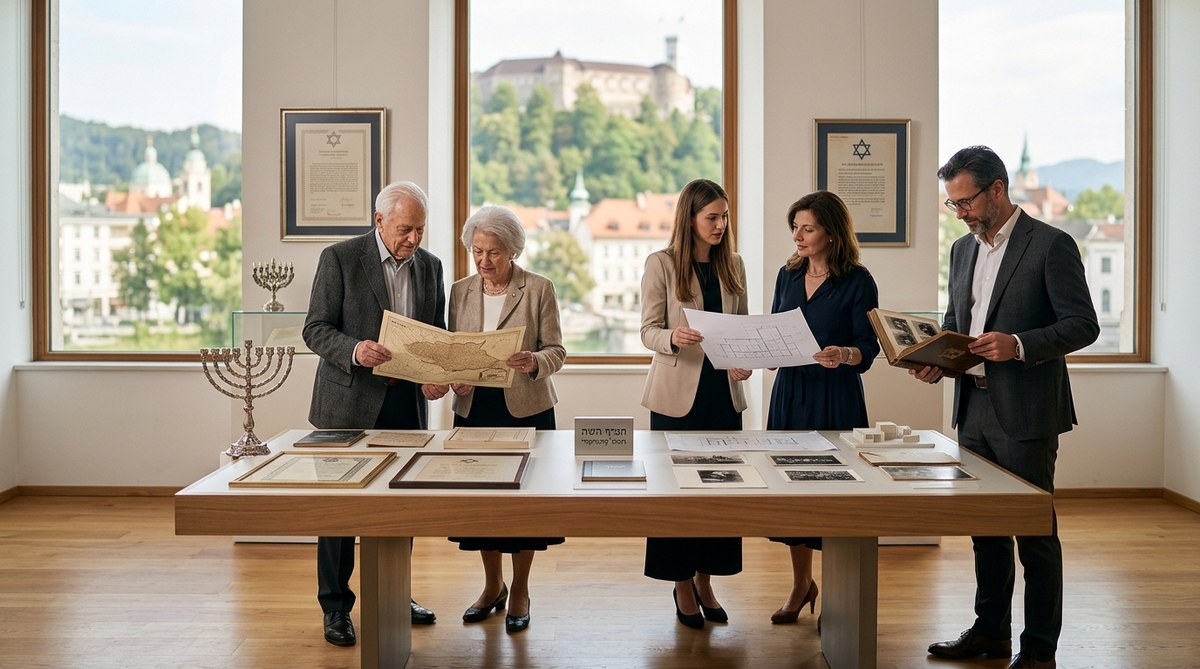
Involving descendants and historians enriches the preservation process. For some sites, digital reconstructions and virtual tours help raise awareness and attract support. The combination of community dedication and professional expertise is key to long-term success.
The Role of Education and Awareness
Raising awareness about the importance of these cemeteries encourages respect and support. Schools, cultural institutions, and heritage organizations can organize visits and workshops. Sharing stories of those buried helps humanize the sites and highlights their significance.
Online platforms and social media also play a role. Sharing before-and-after photos or stories about preservation projects can inspire others to get involved. Building a network of passionate advocates is vital for ongoing care.
How To Get Involved in Preservation Efforts
Individuals interested in supporting Slovenia Jewish cemeteries preservation can consider the following:
- Volunteer for local cleanup events
- Donate to organizations working on heritage projects
- Advocate for governmental support and funding
- Educate others about the importance of these sites
- Respect signage and property during visits
Every small action contributes to the larger effort of safeguarding Slovenian Jewish heritage.
Connecting Past and Future Through Preservation
Preserving Jewish cemeteries in Slovenia is more than restoring stones or fences. It is about honoring ancestors, maintaining cultural diversity, and ensuring that future generations can learn from these historic sites. Every effort, big or small, helps keep these silent witnesses alive and meaningful.
Engaging with local communities, respecting the site’s history, and implementing careful restoration techniques transform neglected spaces into vibrant reminders of Slovenia’s multicultural story. These sites deserve thoughtful care and ongoing attention, enriching our shared heritage.
Taking Practical Steps Today
If you are passionate about heritage preservation, consider starting by learning more about local cemeteries or volunteering with heritage organizations. Small actions like planting native flora or reporting vandalism can make a significant difference. Remember, preservation is a continuous journey that benefits from patience, respect, and community spirit.
By working together, we can ensure that Slovenia’s Jewish cemeteries remain protected and cherished for generations to come. Their stories are part of Slovenia’s broader history — and they deserve our care.