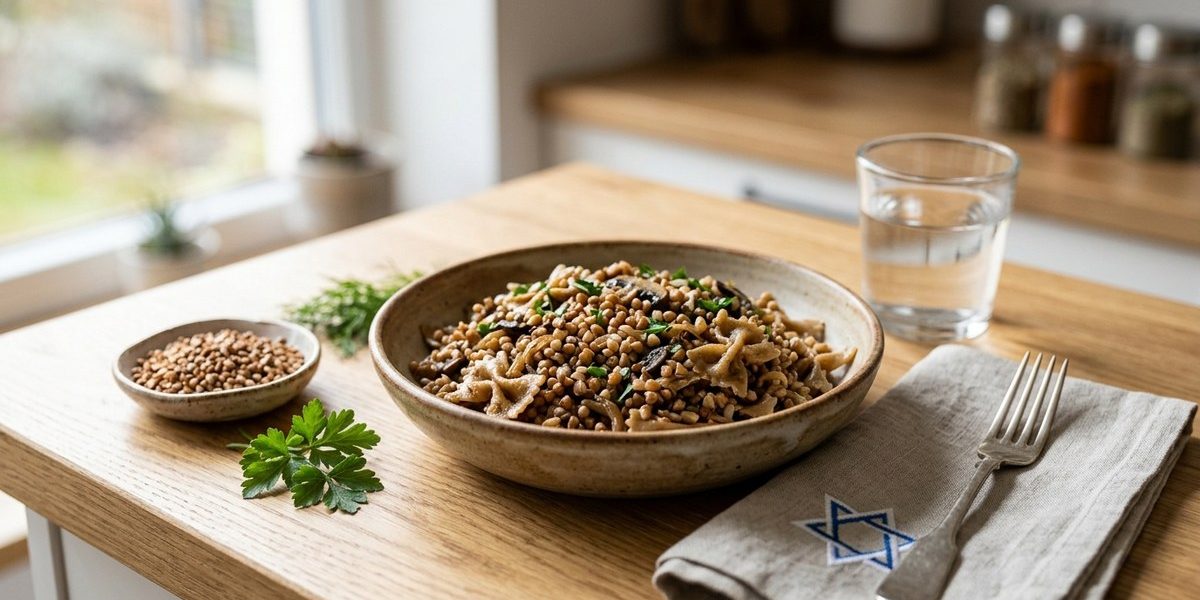
Buckwheat has a quiet but deep history in both Slovenian and Ashkenazi kitchens. In Slovenia, it is called ajda and has been a staple for centuries, especially in the mountainous regions where other grains struggle. In Jewish cooking, buckwheat groats known as kasha are a beloved classic, often paired with bowtie pasta in kasha varnishkes or used as a filling for knishes. Merging these two traditions feels natural. It is not forced fusion, it is a reunion of cousins who share a love for earthy, hearty grains that stick to your ribs.
Slovenian buckwheat brings a nutty, slightly sweet flavor and a powerhouse of nutrients to classic Jewish dishes. Whether you are making kasha varnishkes, a savory kugel, or adding depth to cholent, swapping in high-quality Slovene buckwheat adds fiber, protein, and a unique terroir. This guide walks you through preparation, recipe ideas, and common pitfalls so you can cook with confidence.
Why Slovenian Buckwheat Works in Jewish Cooking
Buckwheat is not actually a grain, it is a pseudocereal, which makes it naturally gluten free. Slovenian buckwheat, grown in the pristine alpine valleys of Gorenjska and Štajerska, has a distinct clean flavor. It toasts beautifully, releasing a fragrance that reminds me of roasted chestnuts and honey.
Jewish cooking has long embraced buckwheat. In Eastern Europe, kasha was so common that the Yiddish saying “man tracht un Gott lacht” (man plans and God laughs) was sometimes followed by “un der kasha vert kalt” (and the kasha gets cold). Slovenian buckwheat is a worthy substitute for the traditional Russian or Polish groats. It holds its shape well, does not turn mushy easily, and absorbs broth and fat like a sponge.
Nutritionally, buckwheat is a standout. It contains all nine essential amino acids, making it a complete protein. It is rich in rutin, a flavonoid that supports blood vessel health, and magnesium for muscle function. For anyone keeping kosher, buckwheat is parve and can be used in both meat and dairy meals.
Getting to Know Slovenian Buckwheat: Types and Preparation
Before you cook, you need to know which form of buckwheat to buy. In Slovenian markets and specialty stores, you will find:
- Whole groats (kasha): Unhulled or hulled. The unhulled ones are darker and chewier. Hulled are lighter and cook faster.
- Coarse grits: Cracked groats that cook quickly, good for porridge or as a side.
- Buckwheat flour: Used for pancakes (slovenian ajdovi žganci), noodles, or adding to baked goods.
- Roasted vs. raw: Roasted buckwheat (often labeled pražena ajda) has a deeper, nuttier flavor ideal for savory dishes. Raw is milder and works in sweet applications.
For Jewish recipes, roasted whole groats are your best bet. They mimic the traditional kasha texture.
3 Steps to Perfectly Cook Slovenian Buckwheat
- Rinse and toast. Place the groats in a fine mesh strainer and rinse under cold water. Then dry toast them in a skillet over medium heat for 3-4 minutes, stirring constantly, until they smell nutty and have darkened slightly.
- Use the right ratio. For fluffy groats, use 2 parts liquid (water, broth, or a mix) to 1 part buckwheat. For a porridge consistency, use 2.5 to 3 parts liquid.
- Simmer gently. Bring liquid to a boil, add the groats and a pinch of salt, then reduce heat to low. Cover and simmer for 12-15 minutes. Let rest off the heat for 5 minutes before fluffing with a fork.
Traditional Jewish Dishes That Welcome Slovenian Buckwheat
Here are specific dishes where buckwheat shines, along with tips for the substitution.
Kasha Varnishkes
This is the most natural fit. The bowtie pasta (farfalle) and caramelized onions are a classic canvas. Use Slovenian roasted buckwheat groats instead of regular kasha. The flavor is slightly sweeter, so you can reduce any added sugar. For a parve version, use schmaltz (chicken fat) or a high quality neutral oil. For a dairy meal, butter works wonderfully.
Savory Kugel
A noodle kugel is beloved, but a buckwheat kugel offers a different texture. Cook the groats until just tender, then mix with beaten eggs, sauteed mushrooms, onions, and a bit of sour cream or vegan cream. Bake in a greased dish at 350°F for 35-40 minutes until golden brown. This makes a wonderful side for a Shabbat roast chicken.
Tip: Use buckwheat flour to coat the dish for a crispier crust.
Cholent (Slow Cooker Stew)
Traditional cholent often includes barley or potatoes. Buckwheat can replace part of the barley. Because buckwheat cooks more quickly than barley, add it halfway through the cooking time or use coarse grits that hold up overnight. The groats will soak up the rich broth and become tender but not mushy.
Blintzes
Yes, buckwheat can star in blintzes! Make a batter with buckwheat flour and wheat flour (50/50 ratio) for a nuttier crepe. Fill with a classic cheese mixture (ricotta, egg, sugar, lemon zest) or a savory mushroom filling. The earthy flavor pairs especially well with farmers cheese and a dollop of sour cream.
Kasha Knishes
Replace some of the mashed potato or flour dough with cooked buckwheat groats. The filling becomes more textured. Roll out the dough, fill with a mixture of kasha, sauteed onions, and schmaltz, then bake until golden.
INTERNAL_LINK:how-to-incorporate-traditional-jewish-food-practices-into-slovenian-cuisine
Common Mistakes and How to Avoid Them
| Mistake | Why It Happens | Solution |
|---|---|---|
| Mushy groats | Overcooking or too much liquid | Use exact 2:1 ratio and do not stir once covered. |
| Bitter flavor | Not rinsing before toasting | Always rinse to remove excess starch and tannins. |
| Burnt bottom | High heat after adding liquid | Simmer on lowest setting, use a heavy bottomed pot. |
| Soggy kugel | Excess moisture from vegetables | Squeeze mushrooms dry before mixing into batter. |
| Bland taste | Skipping the toast step | Always toast groats in a dry pan until fragrant. |
Expert advice from Rivka Horowitz, cookbook author and Jewish food historian:
"Buckwheat is a shy ingredient. It needs a strong hand with salt and fat. Do not be afraid to use schmaltz or butter, and always season the cooking liquid well. Slovenian buckwheat has a delicate sweetness that pairs beautifully with caramelized onions and dill. Treat it with respect and it will reward you."
A Buckwheat Shabbat Menu Idea
If you want to try a full meal built around Slovenian buckwheat, consider this menu for a Friday night dinner:
- Appetizer: Buckwheat blinis with smoked whitefish and horseradish cream
- Soup: Mushroom and buckwheat soup with dill
- Main: Roasted chicken with buckwheat stuffing (groats, apples, thyme)
- Side: Buckwheat kugel with caramelized onion
- Dessert: Buckwheat honey cake (using buckwheat flour and local Slovenian honey)
INTERNAL_LINK:the-shabbat-table-traditional-friday-night-dinner-menus-and-their-meanings
Sourcing Slovenian Buckwheat in the United States
Finding authentic Slovenian buckwheat in the US is easier than you think. Many Eastern European delis carry it, often labeled as "ajda" or "Slovenian kasha." You can also order online from specialty Czech, Slovak, or Slovenian food importers. Look for brands from the Goričko region or the Prekmurje plain, where buckwheat cultivation is still done by small family farms. If you cannot find Slovenian specifically, any high quality European buckwheat will work, but try to avoid Chinese imports, which can taste stale.
Buckwheat flour is more widely available. Bob's Red Mill makes a good buckwheat flour, but for true Slovenian style, seek out Mlinotest brand or Kmetija Debeljak flour from local Slovenian producers.
INTERNAL_LINK:from-farm-to-kosher-table-how-slovenian-jews-source-and-prepare-local-ingredients
Your Next Step: Try One Dish This Weekend
You do not need to overhaul your entire kitchen to enjoy Slovenian buckwheat Jewish recipes. Start with kasha varnishkes, the easiest and most forgiving entry point. Grab a bag of roasted Slovenian buckwheat groats, some farfalle, onions, and schmaltz or butter. Toast the groats, cook the pasta, caramelize the onions, and toss everything together. Taste it. You will notice the difference immediately. The buckwheat is nuttier, the texture is more distinct, and the flavor has a hint of alpine meadow. That is the magic of Slovenian buckwheat in Jewish cooking. It honors the past while bringing something new to the table.
Now go cook, and let the kasha get cold only when you choose.