Jewish culinary traditions are deeply rooted in sourcing fresh, local ingredients. In Slovenia, a country celebrated for its lush landscapes and diverse produce, Slovenian Jews have developed unique methods to maintain kosher practices while honoring their regional food heritage. This blend of tradition and local sourcing creates a vibrant food scene that reflects both their cultural identity and Slovenia’s natural bounty. Understanding how Slovenian Jews source and prepare local ingredients for kosher cooking offers a window into their resilience, creativity, and dedication to preserving culinary heritage.
Slovenian Jews skillfully source local, kosher-approved ingredients by building strong regional connections, understanding kosher standards, and adapting traditional recipes with fresh Slovenian produce, ensuring their culinary heritage remains vibrant and authentic.
Sourcing local ingredients in Slovenia with kosher standards
Slovenia’s rich agricultural landscape offers an abundance of fresh vegetables, fruits, dairy, and meats that can be incorporated into kosher cooking. However, maintaining kosher standards while sourcing locally requires careful planning and knowledge. Slovenian Jews often rely on a combination of traditional methods and modern practices to ensure their ingredients meet kosher requirements.
Building relationships with local farmers and producers
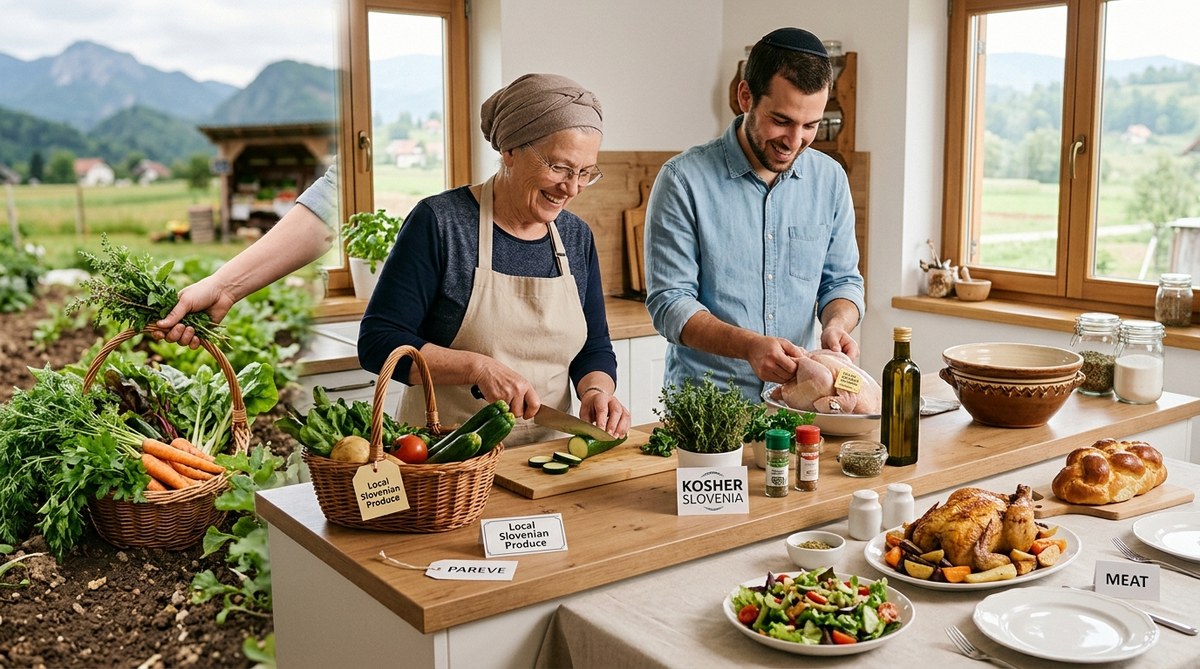
A key part of sourcing local ingredients is fostering trust with regional farmers and food producers. Many Jewish families cultivate personal connections with local farmers who understand their specific kosher needs. These relationships often develop through community networks or local Jewish organizations dedicated to preserving culinary traditions.
Understanding and applying kosher standards
Kosher sourcing involves more than just choosing fresh ingredients. It requires verifying that meat is slaughtered according to Jewish law, dairy comes from kosher animals, and produce is free from non-kosher additives or cross-contamination. Slovenian Jews are meticulous about checking labels, asking questions, and sometimes even overseeing the kosher certification process with local farmers.
Adapting traditional recipes with local ingredients
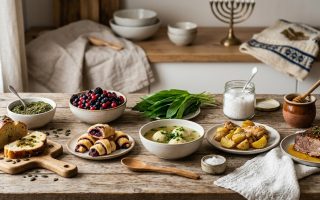
Traditional Jewish recipes are often adapted to incorporate Slovenian produce. For example, seasonal vegetables like white beans, carrots, and cabbage become staples in kosher stews and soups. Fruits like apples, plums, and berries add flavor to desserts and preserves. Dairy products sourced from local Slovenian farms are used in everything from cheeses to yogurt, enriching the authenticity of the dishes.
Practical steps for sourcing local kosher ingredients
For those interested in following similar practices, here is a simple process to integrate local ingredients into kosher cooking:
-
Identify trusted local sources
Reach out to local farmers, markets, or community groups that understand kosher standards. Attend farmers’ markets or join regional food cooperatives. -
Verify kosher compliance
Ask about slaughter methods, feed, and processing. Request any available kosher certification or documentation from suppliers. -
Select seasonal, fresh ingredients
Prioritize seasonal produce to ensure freshness and support local agriculture. Use Slovenian fruits and vegetables to add regional flair to your dishes. -
Prepare and store ingredients properly
Follow kosher preparation guidelines. Separate meat and dairy, and ensure proper cleaning and storage to avoid cross-contamination. -
Incorporate ingredients into traditional recipes
Use local ingredients to adapt classic Jewish dishes. For example, Slovenian honey can sweeten baked goods, while fresh herbs add aroma and flavor.
Practical tips for sourcing
- Visit local farmers’ markets regularly and ask about their farming practices.
- Join community-supported agriculture programs to receive fresh produce directly.
- Build relationships with small-scale farmers who understand kosher requirements.
- Keep updated on local kosher certification options available in Slovenia.
Techniques and common mistakes in sourcing and preparing local ingredients
| Technique | Common Mistake | Solution |
|---|---|---|
| Verifying kosher status | Assuming all local produce is kosher | Always ask questions and request certification if available |
| Proper cleaning | Cross-contamination between meat and produce | Use separate cutting boards and utensils for meat and dairy |
| Seasonal sourcing | Relying on out-of-season produce | Focus on seasonal ingredients to ensure freshness and authenticity |
| Engaging with producers | Overlooking the importance of trust | Establish clear communication about kosher standards |
Expert Advice: “Building trust with local farmers is essential. When farmers understand your kosher needs, they become allies in maintaining culinary traditions. Always verify and never assume that local produce is automatically kosher.” — Rabbi David Cohen, Slovenian Jewish community leader
The role of community and tradition in local sourcing
Slovenian Jewish communities often organize cooperative efforts to source ingredients. These include communal shopping trips, shared storage, and collective participation in farm visits. Such collaborations not only ensure kosher compliance but also strengthen community bonds. Additionally, cultural events and festivals often highlight regional foods, reinforcing the importance of local sourcing in maintaining culinary heritage.
Preserving culinary heritage through sourcing
By sourcing ingredients locally, Slovenian Jews keep their culinary traditions alive. It allows them to prepare dishes that are both authentic and sustainable. This approach also encourages younger generations to appreciate regional foods and understand the significance of kosher practices.
Challenges faced
Despite the advantages, challenges include limited access to certified kosher products, language barriers with farmers, and balancing traditional standards with modern agricultural practices. Overcoming these hurdles involves education, community organization, and continuous dialogue with producers.
Embracing Slovenia’s culinary landscape with kosher principles
Slovenia’s diverse culinary landscape offers a unique opportunity for Jewish communities to celebrate regional flavors while adhering to kosher standards. Incorporating local ingredients into kosher dishes creates a rich, meaningful food experience that honors both heritage and place.
From hearty stews made with Slovenian vegetables to dairy cheeses from local farms, the integration of local sourcing into kosher cooking exemplifies resilience and adaptability. As communities continue to nurture relationships with regional producers, they ensure that their culinary traditions thrive for generations to come.
Sharing the bounty: recipes and traditions
Traditionally, Slovenian Jews have crafted recipes that showcase local ingredients. These include dishes like bean soup with fresh herbs, fruit compotes, and baked goods flavored with honey and regional spices. Preserving these recipes involves not only cooking but also passing down stories and techniques that connect generations.
Encouraging home cooks and community members to experiment with local ingredients helps keep these traditions vibrant. For example, substituting Slovenian apples into classic apple strudel or using fresh herbs from nearby gardens to flavor kugel can make traditional dishes feel new yet familiar.
Connecting past and present through local sourcing
The practice of sourcing local ingredients for kosher cooking demonstrates how tradition adapts to changing circumstances. Slovenian Jews have maintained their culinary identity by integrating regional flavors, supporting local farmers, and adhering to kosher laws. This approach fosters a sense of community and cultural pride.
By continuing to seek out fresh, local produce and respecting kosher standards, they ensure their culinary heritage remains relevant and meaningful. It also serves as an inspiring example for others looking to blend tradition with sustainability.
A warm invitation to embrace local sourcing
Incorporating local ingredients into kosher cooking is a heartfelt way to honor heritage and support regional farmers. Whether you are a seasoned cook or just starting, building relationships with local producers can transform your culinary experience. Take the time to learn about where your ingredients come from and how they fit into your traditions.
As Slovenian Jews have shown, sourcing locally is more than just a practice—it’s a celebration of community, history, and resilience. Start small, ask questions, and enjoy the rich flavors of Slovenia’s vibrant landscape. Your taste buds, community, and heritage will thank you.
Bringing it all to the table—sourcing with heart and tradition
Embracing local sourcing for kosher cooking is a meaningful journey. It connects you to the land, the people who grow your food, and the traditions that define your community. By cultivating relationships and respecting standards, you can enjoy authentic, regional flavors that honor your heritage. Whether you’re preparing a holiday meal or everyday dishes, sourcing local ingredients with care makes every bite a celebration of resilience and identity.