Author: chris

  • 5 Successful Interfaith Projects That Transformed Slovenia’s Religious Landscape

    5 Successful Interfaith Projects That Transformed Slovenia’s Religious Landscape

    Interfaith projects in Slovenia stand as shining examples of how different religious communities can come together to build bridges, foster understanding, and create a more harmonious society. These initiatives have played a vital role in shaping Slovenia’s diverse spiritual landscape, often overcoming historical divides and promoting mutual respect. They reflect a deep commitment to coexistence and show how collaborative efforts can lead to meaningful change.

    This article highlights five impactful interfaith projects that have significantly transformed Slovenia’s religious scene. Each project demonstrates innovative approaches to dialogue and cooperation, inspiring other communities to follow suit. Whether you are a researcher, student, or simply interested in Slovenia’s religious diversity, understanding these initiatives offers valuable insights into the power of unity.

    Key Takeaway

    Slovenia’s interfaith projects showcase how collaboration, respect, and shared goals can transform a country’s religious landscape. These projects foster understanding, reduce tensions, and inspire communities worldwide to build bridges across faiths.

    How Interfaith Projects in Slovenia Are Shaping the Religious Landscape

    Slovenia’s history is intertwined with various religious communities, including Catholics, Jews, Muslims, and others. Over the years, tensions and misunderstandings occasionally surfaced. However, in recent decades, a shift toward dialogue and cooperation has taken root. Interfaith projects have become essential in fostering mutual understanding and breaking down stereotypes.

    These initiatives often involve cultural exchanges, joint community service, educational programs, and shared religious celebrations. They serve not only to promote harmony but also to preserve the country’s rich spiritual heritage. The success of these projects demonstrates how collective efforts can create a more inclusive society.

    Let us explore the five most influential interfaith projects that have made a lasting impact on Slovenia’s religious scene.

    1. The Ljubljana Interfaith Dialogue Initiative

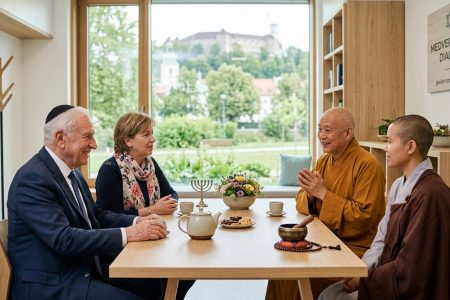
    This ongoing project started in the early 2000s with the goal of promoting open conversations among Slovenia’s diverse religious communities. It was founded by local religious leaders who believed dialogue was key to peace.

    The initiative organizes regular meetings, workshops, and panels where representatives from different faiths discuss common issues. Topics include social justice, environmental responsibility, and community service. These discussions build trust and foster personal relationships.

    One notable outcome was the creation of a joint community service program aimed at helping marginalized groups. This project has also facilitated educational campaigns about religious tolerance in schools, shaping young minds to appreciate diversity.

    Practical steps for similar projects:

    1. Identify key community leaders from various faiths.
    2. Organize initial meetings to set common goals.
    3. Develop shared community projects or events.
    4. Promote ongoing communication through forums and social media.
    5. Evaluate progress and adapt initiatives based on community feedback.

    2. The Jewish-Muslim Cultural Exchange Program

    This project exemplifies how cultural sharing can bridge gaps. Initiated in 2010, it encourages dialogue through music, art, and food. It aims to highlight similarities and celebrate differences in Jewish and Muslim traditions.

    Participants include artists, chefs, and community members who collaborate on joint exhibitions, concerts, and cooking classes. These activities foster understanding and dispel misconceptions.

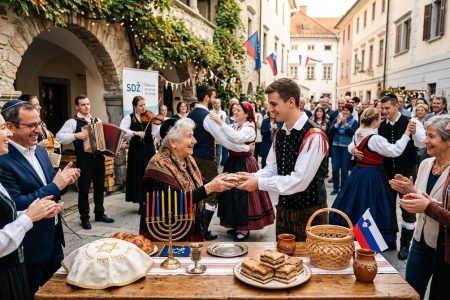
    A highlight was a joint celebration of Ramadan and Hanukkah, where communities shared traditional foods and stories. These events created lasting bonds and reduced prejudices.

    Techniques used:

    • Organizing joint cultural festivals
    • Promoting storytelling through art and music
    • Encouraging collaborative community service
    • Using social media for wider outreach
    • Celebrating religious festivals together

    Common mistakes:

    Mistake Explanation
    Ignoring differences Respect and acknowledge unique traditions rather than glossing over them.
    Lack of inclusive planning Involve representatives from all communities in organizing events.
    Rushing the process Building trust takes time; patience is key.

    3. The Interfaith Memorial for Peace and Tolerance

    A powerful symbol of reconciliation, this memorial was established in 2015 at the site of a historic religious conflict. It features sculptures and inscriptions representing various faiths and their shared values.

    The memorial serves as a reminder of past divisions and the importance of forgiveness and coexistence. It hosts annual ceremonies, inviting community leaders and citizens to reflect on peace.

    This project has helped heal wounds and foster a sense of shared history. It also acts as an educational tool for visitors learning about Slovenia’s diverse faiths.

    Expert advice:

    “Memorials like this serve as physical symbols of reconciliation. They remind us that peace is built through remembrance and shared commitment.”

    4. The Interfaith Educational Outreach Program

    Education plays a crucial role in shaping perceptions. This program, launched in 2012, provides school curricula and extracurricular activities that teach children about different religions in an engaging way.

    It includes visits to religious sites, guest speakers from various communities, and interactive workshops. The focus is on understanding rather than tolerance alone, fostering genuine respect.

    Involving students in joint projects encourages teamwork and empathy from a young age. Many participants report a lasting impact on their attitudes toward faith diversity.

    Practical process:

    1. Develop age-appropriate curricula emphasizing shared values.
    2. Partner with religious and community organizations.
    3. Organize experiential learning activities.
    4. Use storytelling and multimedia to enhance engagement.
    5. Assess understanding through student feedback and projects.

    5. The Interfaith Art and Heritage Preservation Initiative

    This project combines cultural preservation with faith dialogue. It involves restoring historic religious sites, creating art installations, and documenting traditions.

    One example is the restoration of medieval synagogues in Ljubljana, coupled with exhibitions about Jewish history in Slovenia. These efforts promote appreciation of cultural heritage and foster understanding.

    Artists and historians collaborate to produce works that reflect shared history and spiritual diversity. These exhibits are open to the public and serve as educational tools.

    Techniques:

    • Collaborative restoration projects
    • Art installations depicting religious stories
    • Community-led documentation of traditions
    • Public exhibitions and educational events
    • Using digital media to reach wider audiences

    Moving Forward with Interfaith Collaboration

    Slovenia’s journey shows that faith-based understanding is possible through genuine dialogue and shared action. These projects demonstrate that collaboration can break down barriers and create a more inclusive society.

    As communities around the world seek harmony amid diversity, Slovenia’s example offers valuable lessons. Building trust, respecting traditions, and working toward common goals can transform relationships and social landscapes.

    Final thoughts

    If you are inspired by these projects, consider how similar initiatives could work in your community. Start by listening, then identify shared values and create opportunities for meaningful interaction. Small steps can lead to profound change.

    By fostering understanding today, we help shape a more peaceful tomorrow.

  • What Muslims and Jews in Slovenia Can Teach Us About Religious Coexistence

    What Muslims and Jews in Slovenia Can Teach Us About Religious Coexistence


    Muslim and Jewish communities in Slovenia have cultivated a unique relationship rooted in mutual respect and shared history. Their coexistence stands as a powerful example of how diverse faiths can live side by side peacefully. This harmony is not accidental but the result of deliberate efforts, cultural exchanges, and open dialogue. As interest in interfaith relations grows across Europe, Slovenia offers inspiring insights into building bridges between different religious groups.

    Key Takeaway

    Slovenia’s Muslim and Jewish communities demonstrate that dialogue, shared history, and mutual respect foster peaceful coexistence. Their approach offers valuable lessons for interfaith harmony across Europe and beyond.

    The Roots of Muslim and Jewish Coexistence in Slovenia

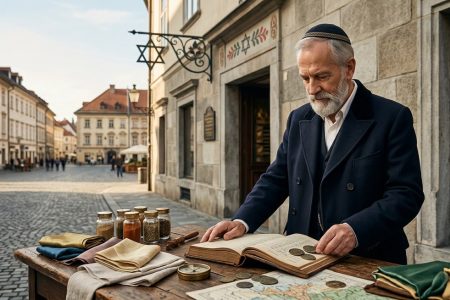
    Slovenia’s history is intertwined with diverse religious communities. Jewish presence in Ljubljana dates back to medieval times when Jewish merchants and scholars settled in the region. Despite the upheavals of the 20th century, including the Holocaust, the Jewish community in Slovenia has persisted and revived, actively engaging in cultural and religious life.

    Muslim communities in Slovenia mostly arrived as part of guest worker programs during the 1960s and 1970s. Over time, they established vibrant communities centered around mosques and cultural centers. Both groups faced challenges but found common ground through shared experiences of resilience and adaptation.

    This history creates a foundation for ongoing dialogue. Their mutual understanding is reinforced by shared stories of hardship and perseverance, which foster a sense of empathy and kinship.

    How Slovenia’s Muslim and Jewish Communities Practice coexistence

    In Slovenia, coexistence is nurtured through several practical processes:

    1. Community Engagement and Dialogue
      Regular interfaith meetings allow members of both communities to share experiences and discuss issues openly. These gatherings promote understanding beyond religious doctrines, emphasizing shared values like charity, peace, and community service.

    2. Cultural and Educational Exchanges
      School programs and cultural events highlight the traditions and histories of both groups. These initiatives dispel stereotypes and foster appreciation for each other’s faiths and customs.

    3. Joint Social Projects
      Collaborative efforts on social causes, such as charity drives or refugee support initiatives, unite communities around common goals. Working together builds trust and demonstrates the power of cooperation.

    Practical steps to foster coexistence

    1. Facilitate open dialogue through community forums and religious councils.
    2. Promote cultural exchange programs in schools and community centers.
    3. Support joint social initiatives that address local needs.

    Techniques and mistakes to avoid

    Techniques Mistakes to Avoid
    Encourage shared activities and dialogues Ignoring differences or avoiding tough topics
    Respect each other’s traditions openly Stereotyping or making assumptions
    Focus on common values and goals Allowing misunderstandings to fester

    Lessons from Slovenia’s Interfaith Efforts

    Slovenia’s approach emphasizes respect, education, and active participation. Several techniques have proved effective:

    • Personal storytelling fosters empathy by allowing community members to share their experiences, creating emotional bonds.
    • Interfaith celebrations highlight shared religious holidays or cultural festivals, strengthening communal ties.
    • Collaborative storytelling projects create a visual and narrative record of coexistence, inspiring others to follow suit.

    “Building trust takes time and consistent effort. When communities come together to listen and learn from each other, they lay the groundwork for lasting peace,” explains interfaith scholar Dr. Ana Novak.

    Challenges and Mistakes to Address

    Despite successes, challenges remain. Some common pitfalls include:

    • Miscommunication or lack of understanding leading to suspicion.
    • External influences or political tensions that strain relations.
    • Neglecting the importance of continuous engagement which can cause communities to drift apart.

    A helpful way to navigate these issues is by recognizing that coexistence is an ongoing process requiring patience and commitment.

    Common mistakes to avoid:

    • Relying solely on superficial interactions without addressing deeper issues.
    • Allowing external conflicts to influence local relations.
    • Failing to involve youth in dialogue initiatives, risking generational disconnect.
    Technique Mistake to Avoid
    Focus on shared values and goals Ignoring underlying tensions
    Create safe spaces for dialogue Forcing participation or rushing processes
    Maintain consistent engagement Letting efforts fade over time

    The Role of Cultural Heritage and Memory

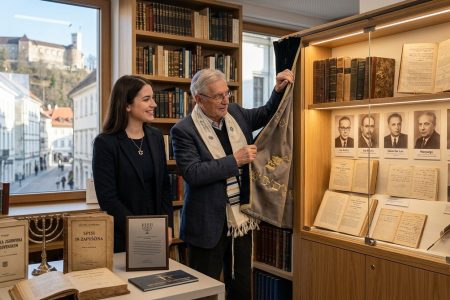
    Preserving cultural heritage plays a vital role in fostering coexistence. Slovenia’s Jewish museums and cultural centers serve as living reminders of shared history. These institutions host exhibitions, educational programs, and commemorations that honor the past while promoting understanding.

    Similarly, mosques and Islamic cultural centers act as community hubs. They organize events that celebrate Islamic traditions and educate others about Muslim faith and practices.

    Sharing cultural heritage strengthens community bonds and reminds everyone of their shared history. It also helps combat ignorance and prejudice by showcasing the richness of each tradition.

    Building a Future of Peaceful Coexistence

    The story of Muslim and Jewish communities in Slovenia offers lessons for anyone interested in fostering interfaith harmony. Their experience underscores the importance of dialogue, education, cultural exchange, and shared history.

    Living in a diverse society means embracing differences while finding common ground. Practical steps include supporting community events, promoting inclusive education, and encouraging open conversations.

    By focusing on shared values and mutual respect, communities can build bridges that withstand external pressures and internal challenges.

    Moving Forward with Respect and Understanding

    Slovenia’s example demonstrates that peaceful coexistence is achievable when communities commit to ongoing dialogue and cultural appreciation. It reminds us that understanding and respect are at the heart of harmony.

    If you seek to promote interfaith relations, start by listening. Learn about each other’s traditions and histories. Support initiatives that bring communities together. Small actions can lead to lasting change.

    By nurturing these connections, we help create societies where diversity is celebrated and peace is the norm. The lessons from Slovenia show us that harmony is possible, even in a complex world.


    Remember that fostering coexistence involves patience, effort, and a genuine desire to understand. As communities continue to share their stories and traditions, they pave the way for a more inclusive future. Every step forward contributes to a world where differences are embraced and peace prevails.

  • Building Bridges: How Jewish and Catholic Communities in Ljubljana Are Creating Lasting Friendships

    Building Bridges: How Jewish and Catholic Communities in Ljubljana Are Creating Lasting Friendships

    Jewish and Catholic communities in Ljubljana have long histories rooted in the city’s diverse cultural fabric. In recent years, these communities have taken deliberate steps to foster genuine friendships, based on mutual respect and shared values. Their story is one of open dialogue, collaboration, and community-building that offers inspiring lessons for anyone interested in interfaith relations. It’s a testament to how understanding and cooperation can bridge differences and forge lasting bonds.

    Key Takeaway

    Jewish and Catholic communities in Ljubljana are building long-lasting friendships through shared cultural events, mutual understanding, and community projects. Their story highlights the power of dialogue and collaboration in creating a united, respectful city where diversity is celebrated.

    How the Jewish and Catholic communities in Ljubljana are connecting

    Ljubljana’s history is intertwined with various faiths and cultures, making it a natural setting for interfaith cooperation. Over time, local Jewish and Catholic groups recognized the importance of fostering bonds beyond religious rituals. Their efforts go beyond mere coexistence, focusing instead on building friendships that last and enrich the city’s cultural landscape.

    Shared values and common goals

    At the heart of their relationship are shared values like compassion, charity, and community service. Both communities participate in social initiatives, support local charities, and organize events that promote understanding. These activities serve as platforms for dialogue, allowing members to get to know each other personally rather than through stereotypes or assumptions.

    Practical steps to build interfaith friendships

    If you seek to encourage similar bonds in your community, consider these steps:

    1. Organize joint cultural events – Music festivals, food tastings, or art exhibitions that highlight both traditions foster appreciation and curiosity.
    2. Create dialogue circles – Regular meetings where community members share stories and experiences can dispel misconceptions.
    3. Support collaborative projects – Volunteering for common social causes helps build trust and camaraderie.

    How community initiatives in Ljubljana are making a difference

    Local organizations have played a pivotal role in nurturing Jewish and Catholic friendships. For example, interfaith panels and joint holiday celebrations have become annual traditions. These events serve as safe spaces where members can learn about each other’s faiths and histories, find common ground, and celebrate diversity.

    Techniques for successful interfaith engagement

    Technique What it does Common mistake
    Open dialogues Builds understanding Avoiding difficult topics
    Shared community service Fosters trust Overlooking cultural sensitivities
    Cultural exchanges Promotes appreciation Stereotyping traditions

    “When communities come together with genuine curiosity and respect, they create bonds that go beyond words. The key is to listen and learn from each other,” says Ljubljana’s interfaith coordinator.

    The impact of friendship between Jewish and Catholic communities

    Their stories reveal that friendship is more than socializing. It becomes a catalyst for social cohesion, peace, and resilience. These bonds help challenge prejudice and promote inclusivity. As a result, Ljubljana emerges as a city where diversity is not just accepted but celebrated.

    Challenges and how to overcome them

    While the journey toward friendship is rewarding, it’s not without hurdles. Differences in traditions, historical misunderstandings, or occasional conflicts can pose challenges. Addressing these requires patience, openness, and continuous dialogue. Community leaders in Ljubljana emphasize the importance of creating safe environments for honest conversations.

    Techniques and mistakes in fostering interfaith friendships

    Technique Correct approach Common mistake
    Respectful listening Encourages openness Ignoring sensitive topics
    Joint celebrations Celebrates shared humanity Cultural appropriation
    Educational programs Increases awareness Stereotyping traditions

    Tips from experts

    “Building trust takes time. Genuine relationships are rooted in shared experiences and mutual respect,” advises a prominent interfaith scholar.

    Why interfaith friendships matter in Ljubljana

    In a city that has historically been a crossroads of cultures, these friendships strengthen social fabric. They demonstrate that despite differences, communities can find common ground. This unity benefits not only the Jewish and Catholic groups but the entire city. It offers a model of coexistence rooted in friendship and mutual understanding.

    Practical ways to support interfaith relations

    • Attend interfaith events hosted by local organizations.
    • Encourage educational initiatives that highlight shared values.
    • Volunteer together in community projects.
    • Celebrate each other’s religious holidays with respect and curiosity.
    • Promote stories like Ljubljana’s in your circles to inspire others.

    Final thoughts: nurturing bonds for a brighter future

    The story of Jewish and Catholic communities in Ljubljana showcases how intentional efforts can create strong, lasting friendships. These relationships enrich the city’s culture and serve as a beacon for others seeking harmony. If you’re passionate about fostering understanding, start small—organize a shared event, initiate a conversation, or volunteer together. Every step counts toward creating a city where diversity is a source of strength and friendship.

  • From Emancipation to Integration: Jewish Life in 19th Century Slovenia

    From Emancipation to Integration: Jewish Life in 19th Century Slovenia

    Jewish life in 19th century Slovenia was a vibrant tapestry woven with resilience, adaptation, and cultural growth. During this period, Jewish communities transitioned from centuries of marginalization to a more integrated and active presence within Slovenian society. Their journey reflected broader social changes, including emancipation and increased participation in civic life. Understanding this era offers a rich insight into how Jewish communities contributed to the cultural and social fabric of Slovenia, leaving a lasting legacy that continues to resonate today.

    Key Takeaway

    Jewish life in 19th century Slovenia saw significant transformation as communities gained emancipation, integrated into local society, and contributed to cultural development, shaping regional history and identity.

    The Roots of Jewish Presence in Slovenia

    Jewish communities have a long history in the region that now constitutes Slovenia. Their presence dates back to medieval times when traders, craftsmen, and merchants settled in towns like Ljubljana, Maribor, and Ptuj. These early communities faced periods of tolerance and restriction, often dictated by the broader political climate of the Holy Roman Empire and later Austro-Hungarian rule.

    In the 19th century, the political landscape shifted dramatically. The Habsburg Empire’s reforms aimed at modernizing and centralizing governance, which included changes to the legal status of Jewish populations. These reforms led to a wave of emancipation, granting Jews civil rights and reducing restrictions that had previously limited their social and economic activities.

    Emancipation and Its Impact on Jewish Communities

    The 19th century marked a turning point for Jewish life in Slovenia. Emancipation laws, enacted gradually across the Austro-Hungarian Empire, allowed Jews to participate more fully in civic life. This process included the right to own property, engage in various trades, and establish religious and cultural institutions.

    In Slovenia, emancipation fostered a sense of hope and renewed community vitality. Jewish residents began establishing synagogues, schools, and charitable organizations. These institutions became centers of community life, nurturing a shared identity that balanced tradition with modern influences.

    Practical steps for Jewish communities during this period included:

    1. Adapting religious practices to align with new civil rights laws.
    2. Establishing educational institutions to promote literacy and cultural awareness.
    3. Engaging in local commerce to contribute to regional economic development.

    Cultural Integration and Social Participation

    Jewish communities in Slovenia gradually integrated into the broader society while maintaining their distinct religious and cultural identities. They participated actively in local economies, often excelling in trades such as textiles, retail, and banking. Many Jewish families became prominent merchants and entrepreneurs.

    Cultural life flourished with the establishment of newspapers, literary societies, and musical groups. The influence of Jewish artists and writers contributed significantly to the cultural landscape. For instance, some Jewish musicians helped introduce traditional klezmer music to Slovenian audiences, creating a unique blend of regional and Jewish musical styles.

    Key cultural contributions included:

    • The development of local Jewish literature reflecting contemporary issues.
    • The integration of Jewish motifs into Slovenian art and music.
    • The fostering of interfaith dialogues and community collaborations.

    Challenges and Resilience

    Despite progress, Jewish communities faced challenges. Anti-Semitic sentiments persisted in some areas, often fueled by economic competition or political tensions. Pogroms and discriminatory laws periodically threatened community stability.

    Nevertheless, resilience characterized Jewish life during this era. Community leaders worked tirelessly to protect their members’ rights, often advocating for greater tolerance and understanding. The establishment of Jewish schools and charitable organizations demonstrated their commitment to social cohesion.

    As historian Dr. Mira Novak notes, “The resilience of Slovenian Jews in the 19th century exemplifies their determination to thrive amidst adversity, contributing richly to the region’s cultural mosaic.”

    Practical Processes for Understanding and Supporting Jewish Heritage

    For those interested in exploring or supporting Jewish history in Slovenia, consider these steps:

    1. Visit local museums and cultural centers dedicated to Jewish heritage.
    2. Participate in guided tours of historic Jewish neighborhoods and sites.
    3. Engage with community events and educational programs to deepen understanding.
    4. Research local archives for personal stories and historical documents.
    5. Support preservation efforts for synagogues and cemeteries.

    Techniques and Common Mistakes in Studying Jewish Life in Slovenia

    Technique Mistake to Avoid
    Using primary sources for authentic insights Relying solely on secondary or biased sources
    Visiting historical sites personally Ignoring the cultural context behind artifacts
    Engaging with local communities respectfully Making assumptions without proper research

    Preserving the Legacy of 19th Century Jewish Life

    The story of Jewish life in Slovenia during the 19th century is one of perseverance and contribution. Their journey from marginalization to integration highlights the importance of cultural resilience and community solidarity. Today, many sites and traditions from this era continue to be celebrated, reminding us of the enduring legacy left by those communities.

    For preservation efforts, historian Dr. Luka Kranjc advises, “Engaging with local communities and supporting heritage initiatives ensures that the rich history of Slovenian Jews remains alive for future generations.”

    Embracing the Past to Enrich the Present

    Reflecting on the lives of Jews in 19th century Slovenia reveals a narrative of adaptation, cultural exchange, and resilience. Their history enriches the broader story of Slovenian society and offers valuable lessons on inclusion and mutual respect. Learning about their contributions helps foster a more comprehensive understanding of regional history.

    As you explore this chapter of Slovenian history, consider visiting local historical sites or engaging with community organizations. Your curiosity and respect can help keep this important heritage alive and appreciated.

    Remember: Every story from history contributes to a fuller understanding of our shared human experience. Embrace the opportunity to learn about Jewish life in Slovenia and support the preservation of this vibrant cultural legacy.

  • The Great Expulsion of 1515: When Jews Were Forced to Leave Slovenian Lands

    The Great Expulsion of 1515: When Jews Were Forced to Leave Slovenian Lands

    The year 1515 marks a pivotal moment in Slovenian and Jewish history. During this time, Jewish communities in the Slovenian lands faced a forced expulsion that reshaped their presence and influence in the region for centuries. Understanding the events of the Great Expulsion of 1515 Slovenian Jews reveals much about medieval societal attitudes, economic pressures, and the resilience of Jewish communities. This episode remains a profound example of how political and social forces can drastically alter the lives of minority populations.

    Key Takeaway

    The 1515 expulsion was driven by economic and social tensions, forcing Slovenian Jews out. Its impact shaped regional history, highlighting resilience amid adversity and ongoing Jewish influence in Slovenia today.

    The Context Behind the 1515 Expulsion

    Understanding why the expulsion happened requires looking at the broader medieval landscape. During the late Middle Ages, Jewish communities often faced suspicion and prejudice. In Slovenian lands, as in many parts of Europe, Jews played vital roles in commerce, finance, and medicine. Their contributions, however, often made them targets during times of social unrest or economic hardship.

    In 1515, the region was experiencing economic downturns, political instability, and rising tensions between different social groups. Rumors and accusations about Jewish communities exacerbated existing prejudices. Local authorities, influenced by wider European trends and internal pressures, decided to act against the Jewish population. The decision was not isolated but part of a pattern seen in other regions during this period.

    The Course of the Expulsion

    The expulsion was executed with little warning, catching many Jewish residents unprepared. They were given a short window to leave their homes, possessions, and businesses behind. This sudden removal devastated individual lives and disrupted local economies that depended on Jewish merchants and artisans.

    The process unfolded rapidly. Authorities issued decrees that ordered Jews to leave Slovenian lands, often with threats and confiscations. Many Jews sought refuge in neighboring regions or converted to Christianity in hopes of avoiding persecution. Others faced forced exile, often leaving behind homes, synagogues, and valuable community records that would be lost or destroyed.

    A key aspect of this expulsion was the confiscation of Jewish property. Estates, businesses, and financial assets were seized by local authorities or redistributed to loyal citizens. This enriched some at the expense of the expelled community and altered local economic structures.

    The Impact on Slovenian Society and Jewish Life

    The expulsion of Jews in 1515 left a lasting mark on Slovenian society. It disrupted established social networks and created a void in economic sectors where Jews had been active. Many Jewish craftsmen, traders, and scholars who had contributed to the local culture and economy were forced to seek safety elsewhere.

    Despite this, the Jewish community in Slovenia did not vanish entirely. Some records suggest that small groups or individuals returned later, often clandestinely, maintaining a covert presence. Over centuries, Jewish life in Slovenia experienced periods of revival, influenced by changing political climates and regional migrations.

    The expulsion also contributed to a broader narrative of Jewish resilience. Many expelled Jews carried their skills and traditions to other parts of Europe, where they continued to thrive and influence local cultures. Their forced departure from Slovenian lands underscores the recurring theme of persecution and perseverance that characterizes much of Jewish history.

    How the 1515 Expulsion Fits Into Broader European Events

    The Great Expulsion of 1515 Slovenian Jews was part of a larger pattern across Europe. During the late Middle Ages and early Renaissance, Jewish communities faced expulsions from various countries, including Spain, France, and parts of the Holy Roman Empire. These expulsions were often fueled by economic jealousy, religious intolerance, and political motives.

    In Slovenia, the expulsion reflected local dynamics but also aligned with these wider trends. The fear of Jewish influence, combined with economic motives such as the seizure of assets, fueled the decision. It exemplified how regional events could be interconnected with broader European upheavals.

    Remembering the Expulsion Today

    The history of the 1515 expulsion remains an important chapter in Slovenian and Jewish history. It demonstrates how minority communities can be vulnerable during periods of upheaval but also highlights their resilience and contributions despite adversity.

    Efforts to remember and study this event serve to promote understanding and tolerance. Many museums, historical societies, and academic institutions work to preserve the memory of Jewish communities that once thrived in Slovenia. These efforts ensure that future generations recognize the importance of safeguarding minority rights and acknowledging historical injustices.

    Practical Steps to Study and Commemorate the 1515 Expulsion

    If you are interested in exploring this history further, here are some practical ways to deepen your understanding:

    1. Visit local museums and historical sites that contain artifacts or records related to Jewish life in Slovenia.
    2. Review academic articles or books focusing on medieval Jewish communities and their expulsions.
    3. Attend lectures or seminars hosted by historical societies or universities.
    4. Engage with community organizations that promote awareness of Jewish heritage.
    5. Support projects that aim to preserve and share the history of Slovenian Jews.

    Techniques and Common Mistakes in Historical Research

    Technique Mistake to Avoid
    Cross-referencing primary sources Relying solely on one type of document can lead to biased interpretations
    Consulting multiple archives Ignoring regional or lesser-known records may omit key details
    Contextualizing events within broader history Viewing the expulsion in isolation risks misunderstanding its causes and effects
    Engaging with local communities Overlooking oral histories or community memories can limit perspectives

    “Understanding the expulsion requires careful examination of historical records alongside community narratives. Both perspectives enrich our comprehension of such a complex event.” — Dr. Miriam Katz, Jewish historian

    The Continuing Significance of the 1515 Expulsion

    The story of the Jewish expulsion in 1515 is more than a chapter in history books. It reminds us of the importance of tolerance, resilience, and remembrance. Recognizing the challenges faced by past generations helps foster a more inclusive future. It underscores the value of cultural diversity and the need to protect minority rights today.

    By studying these events, communities can learn vital lessons about the dangers of prejudice and the importance of standing against injustice. The legacy of the Slovenian Jews expelled in 1515 continues to inspire efforts toward mutual understanding and respect.


    Remember, history is not just about the past. It guides our present and shapes our future. Take the time to explore the rich stories of Slovenian Jewish communities and honor their resilience through study and remembrance.

  • What Happened to Slovenia’s Jewish Cemeteries? A Preservation Journey

    What Happened to Slovenia’s Jewish Cemeteries? A Preservation Journey

    Jewish cemeteries in Slovenia are silent witnesses to a vibrant past. Over time, many of these sacred sites faced neglect, vandalism, or decay. Today, preserving them has become a vital mission for communities, historians, and heritage advocates. Protecting these cemeteries means more than safeguarding stone and soil; it preserves stories, cultural identity, and a tangible connection to Slovenia’s diverse history. Understanding how to care for and restore these sites is essential for future generations to appreciate this rich heritage.

    Key Takeaway

    Preserving Slovenia’s Jewish cemeteries involves coordinated efforts that include assessment, cleanup, restoration, and community engagement. These steps ensure the sites remain meaningful, protected, and accessible for generations to come, maintaining a vital link to Slovenian Jewish history.

    The Significance of Jewish Cemeteries in Slovenia

    Jewish cemeteries serve as enduring symbols of resilience and history. Many of these sites date back centuries and contain gravestones that reflect the diverse origins of the Slovenian Jewish community. They tell stories of migration, cultural exchange, and community life. Unfortunately, decades of neglect and societal changes have threatened their preservation. Restoring and maintaining these cemeteries is crucial for honoring ancestors and safeguarding Slovenia’s multicultural past.

    Challenges Facing Slovenia’s Jewish Heritage Sites

    Like many historic sites, Jewish cemeteries face multiple challenges. Urban expansion, neglect, vandalism, and natural decay have led to deterioration. Some cemeteries are located in remote areas, making them vulnerable to vandalism or theft. Others suffer from environmental factors such as weathering or plant overgrowth. Additionally, political and social shifts have at times limited access or funding for preservation efforts, making community involvement all the more essential.

    Practical Steps for Cemetery Preservation

    Protecting Slovenia’s Jewish cemeteries involves a series of coordinated actions. Here are the key steps:

    1. Assessment and Documentation
      Begin with a thorough survey of the site. Record the condition of gravestones, fences, pathways, and surrounding areas. Use photographs and detailed notes to create an inventory. This documentation provides a baseline for planning restoration work and tracking progress over time.

    2. Cleanup and Maintenance
      Remove debris, overgrown vegetation, and any vandalism damage. Clearing the site helps reveal the gravestones and makes future work easier. Regular maintenance, such as trimming plants and cleaning stones gently, prevents further deterioration.

    3. Restoration and Repair
      Repair damaged gravestones, reset fallen stones, and restore fences or memorial markers. Use traditional techniques and materials compatible with the original construction. Always seek expert advice to avoid causing further harm.

    4. Community Engagement and Advocacy
      Local communities, descendants, and heritage groups play a vital role. Organize volunteer days, educational tours, and awareness campaigns. Engaging the public fosters a sense of ownership and encourages ongoing care.

    Practical Techniques and Common Mistakes

    Technique What to Do Common Mistake
    Gentle cleaning Use soft brushes and water Using harsh chemicals or power washers
    Stone repair Employ compatible materials, avoid cement Using inappropriate adhesives
    Vegetation control Remove invasive plants carefully Over-pruning or damaging gravestones
    Fencing restoration Match original materials and style Using modern materials that clash

    “Preservation requires patience and respect. Each stone tells a story, and our job is to listen carefully before acting.” — Heritage preservation expert

    Techniques and Pitfalls in Cemetery Restoration

    Maintaining the integrity of these sites demands careful planning. For example, restoring gravestones with unsuitable materials can cause further damage. It is vital to distinguish between what is repairable and what needs professional intervention. Avoid rushing restoration work. Instead, focus on gentle cleaning, accurate stabilization, and engaging specialists when needed. Proper documentation during every step ensures transparency and helps future preservation efforts.

    Common Mistakes in Preservation

    • Using inappropriate cleaning agents that damage stone surfaces
    • Overgrowth of plants that obscure gravestones or cause structural damage
    • Ignoring environmental factors like water runoff that can erode foundations
    • Lack of community involvement, leading to neglect or vandalism

    How Communities Are Rebuilding Connections

    Across Slovenia, local groups and the Jewish community are actively working to preserve and revitalize cemeteries. Initiatives include volunteer cleanup days, fundraising for restoration projects, and educational programs. These efforts foster a shared sense of responsibility and ensure that the sites are respected and maintained.

    Involving descendants and historians enriches the preservation process. For some sites, digital reconstructions and virtual tours help raise awareness and attract support. The combination of community dedication and professional expertise is key to long-term success.

    The Role of Education and Awareness

    Raising awareness about the importance of these cemeteries encourages respect and support. Schools, cultural institutions, and heritage organizations can organize visits and workshops. Sharing stories of those buried helps humanize the sites and highlights their significance.

    Online platforms and social media also play a role. Sharing before-and-after photos or stories about preservation projects can inspire others to get involved. Building a network of passionate advocates is vital for ongoing care.

    How To Get Involved in Preservation Efforts

    Individuals interested in supporting Slovenia Jewish cemeteries preservation can consider the following:

    • Volunteer for local cleanup events
    • Donate to organizations working on heritage projects
    • Advocate for governmental support and funding
    • Educate others about the importance of these sites
    • Respect signage and property during visits

    Every small action contributes to the larger effort of safeguarding Slovenian Jewish heritage.

    Connecting Past and Future Through Preservation

    Preserving Jewish cemeteries in Slovenia is more than restoring stones or fences. It is about honoring ancestors, maintaining cultural diversity, and ensuring that future generations can learn from these historic sites. Every effort, big or small, helps keep these silent witnesses alive and meaningful.

    Engaging with local communities, respecting the site’s history, and implementing careful restoration techniques transform neglected spaces into vibrant reminders of Slovenia’s multicultural story. These sites deserve thoughtful care and ongoing attention, enriching our shared heritage.

    Taking Practical Steps Today

    If you are passionate about heritage preservation, consider starting by learning more about local cemeteries or volunteering with heritage organizations. Small actions like planting native flora or reporting vandalism can make a significant difference. Remember, preservation is a continuous journey that benefits from patience, respect, and community spirit.

    By working together, we can ensure that Slovenia’s Jewish cemeteries remain protected and cherished for generations to come. Their stories are part of Slovenia’s broader history — and they deserve our care.

  • 5 Influential Slovenian Jewish Families Who Shaped Modern Slovenia

    5 Influential Slovenian Jewish Families Who Shaped Modern Slovenia

    Jewish families have played a significant role in shaping the history and culture of Slovenia. Their stories are woven into the fabric of the country’s development, influencing everything from commerce and arts to community life. Understanding the roots and contributions of Slovenian Jewish families offers a window into the nation’s diverse heritage. These families have navigated complex histories, often overcoming adversity, and their legacy continues to inspire those interested in Slovenian Jewish heritage today.

    Key Takeaway

    The history of Slovenian Jewish families is a testament to resilience and influence, with many families contributing to Slovenia’s cultural, economic, and social fabric. Their stories highlight a rich heritage that continues to shape the country’s identity today.

    The roots of Slovenian Jewish communities

    Jewish presence in Slovenia dates back centuries, with records indicating settlements as early as the medieval period. These early Jewish communities played vital roles in trade, crafts, and finance. Over the centuries, the families established roots in various Slovenian towns, notably Ljubljana, Maribor, and Celje. Their contributions helped foster economic growth and cultural diversity.

    Many of these families were involved in merchant activities, importing and exporting goods across Europe. They also contributed to the development of local industries and supported community institutions like synagogues and schools. Despite facing periods of discrimination and upheaval, their resilience allowed them to maintain their heritage and influence.

    Influential Jewish families shaping modern Slovenia

    Several families have left a profound mark on Slovenian history. Their stories reflect a mix of entrepreneurship, cultural patronage, and community leadership. Here are some of the most notable families:

    The Levy Family

    The Levy family was among the most prominent in Ljubljana. They established successful businesses in trade and finance and were active supporters of Jewish community institutions. Their influence extended into social and cultural spheres, helping preserve Jewish traditions during turbulent times.

    The Kohn Family

    Known for their contributions to education and philanthropy, the Kohn family played a vital role in establishing schools and cultural centers. Their efforts helped sustain Jewish life in Slovenia and fostered intercultural dialogue.

    The Weiss Family

    This family was instrumental in Slovenian arts and business. Their involvement in commerce connected Slovenia with wider European markets, and they supported local artists and cultural initiatives.

    The Goldstein Family

    A family with deep roots in community service, the Goldstein family contributed significantly to Jewish religious life and charity work. Their legacy includes supporting social programs and maintaining religious traditions.

    How Slovenian Jewish families influenced the country’s development

    The influence of these families goes beyond individual achievements. They helped shape Slovenia’s social fabric by fostering community resilience and cultural diversity. Their entrepreneurial spirit contributed to economic growth, while their support of arts and education enriched Slovenian culture.

    Many of these families faced challenges during times of upheaval, such as World War II and the Holocaust. Their perseverance ensured the survival of Jewish traditions and their continued impact on Slovenian society.

    Practical steps for researching Slovenian Jewish families

    If you are interested in uncovering more about these families or tracing your own roots, consider these steps:

    1. Start with local archives and genealogical records. Many Slovenian towns have archives documenting Jewish community members.
    2. Visit synagogues and community centers that often hold historical documents and personal stories.
    3. Explore online databases dedicated to Jewish genealogy, which can provide valuable information on family histories.
    4. Consult local historians or Jewish heritage organizations for guidance and in-depth research.

    Common techniques and pitfalls in family history research

    Technique Mistake to avoid
    Using primary sources Relying solely on oral histories which may be biased or incomplete
    Cross-referencing records Ignoring conflicting information within different sources
    Visiting local archives Overlooking smaller, less obvious collections like personal letters or photographs
    Consulting family members Assuming memory is always accurate without corroboration

    “Researching Jewish family histories requires patience and attention to detail. Combining multiple sources and verifying information ensures a clearer picture of your heritage,” advises historian Dr. Anna Novak.

    Preserving and honoring Slovenian Jewish legacy

    Today, efforts continue to preserve the stories of Slovenian Jewish families. Museums, memorials, and cultural events celebrate their legacy. Education programs aim to inform new generations about their heritage and the importance of cultural diversity.

    Community organizations work tirelessly to safeguard historical sites and promote awareness. These initiatives ensure that the contributions of Jewish families remain an integral part of Slovenia’s national narrative.

    Connecting past and present

    Understanding the history of Slovenian Jewish families offers valuable insights into the resilience and richness of Slovenian society. Their stories remind us of the importance of diversity, community, and perseverance. Sharing these histories helps foster respect and appreciation for cultural heritage.

    For those interested in learning more, resources such as local archives, historical societies, and online genealogical platforms can be invaluable. Visiting Slovenia’s Jewish heritage sites and engaging with community organizations provides a tangible connection to this vibrant history.

    Embracing your heritage and community

    Whether you are a researcher, student, or simply curious about Slovenian Jewish families, uncovering their stories can be a rewarding journey. It deepens understanding of Slovenia’s complex history and highlights the enduring strength of its diverse communities. By exploring these narratives, you become part of a wider effort to preserve and celebrate cultural heritage.

    Remember, your own family history might intersect with these stories in unexpected ways. Taking the time to investigate and document your family’s past can be a meaningful step towards honoring Slovenian Jewish legacy.

    Let this history inspire you to connect with your roots, support cultural preservation, and appreciate the diverse fabric that makes Slovenia unique.

  • How Slovenian Jews Survived the Holocaust: Stories of Resistance and Rescue

    How Slovenian Jews Survived the Holocaust: Stories of Resistance and Rescue

    In the shadowed years of World War II, the Jewish community in Slovenia faced unimaginable peril. Yet, amid the darkness, stories of resistance, bravery, and rescue emerged. These Slovenian Jewish Holocaust survival stories reveal the resilience of individuals and communities determined to persevere despite overwhelming odds. They serve as powerful reminders of courage and hope, illustrating how even in the bleakest moments, human spirit can shine through.

    Key Takeaway

    Slovenian Jewish survival stories during the Holocaust highlight acts of resistance, daring rescue operations, and unwavering resilience, offering vital lessons on hope and human strength in dark times.

    Understanding the Context of Slovenian Jewish Life During WWII

    Slovenia, a small but historically rich part of Central Europe, was home to a vibrant Jewish community before the war. Jewish families contributed to the cultural, economic, and spiritual fabric of the region. When Nazi Germany and its allies occupied Slovenia in 1941, the Jewish community faced immediate danger. Many were deported to concentration camps, while others went into hiding or relied on local resistance networks.

    Resistance was not just about fighting back militarily. It involved acts of defiance, clandestine aid, and risking lives to save others. These stories reveal how Slovenian Jews and their allies fought to survive through clever concealment, daring escapes, and the bravery of those who dared to resist.

    Acts of Resistance and Rescue in Slovenian Jewish Communities

    Resistance during the Holocaust took many forms in Slovenia. Some individuals engaged in active sabotage against occupying forces. Others participated in underground networks that helped Jews hide or escape deportation.

    Key Resistance Techniques

    • Hiding and Safe Houses: Many Slovenian Jews found refuge in homes of sympathetic locals or within hidden spaces crafted for concealment.
    • Smuggling and Escape Routes: Resistance networks established clandestine routes to move Jews out of danger zones, often through forests or across borders.
    • Disguise and False Documents: Using forged identities allowed some to evade detection temporarily.
    • Underground Support: Local resistance groups, such as Partisans, played a critical role by providing safe passage and resources.

    Mistakes and Challenges

    Technique Common Mistakes
    Relying solely on disguise Being discovered due to unfamiliarity or slip-ups
    Using forged documents Detection due to poor quality or inconsistent details
    Hiding in plain sight Underestimating the vigilance of occupying forces

    Expert advice: “The success of resistance efforts depended heavily on community trust and meticulous planning. Small mistakes could have dire consequences, so secrecy was vital.”

    Notable Rescue Stories

    One remarkable Slovenian story involves a Jewish woman who, with her children, was hidden in a remote village for months. Thanks to the local farmer’s bravery and the trust within the community, she survived the war, later recounting her gratitude for those who risked everything to protect her.

    Another inspiring case features a group of Partisans who orchestrated a daring rescue of Jewish families from deportation trains, risking their lives to forge safe passages through enemy lines.

    The Role of the Slovenian Partisans in Jewish Survival

    The Slovenian Partisans, a resistance movement fighting against Axis forces, played a pivotal role in saving Jews. They established safe zones, provided false papers, and coordinated escapes.

    Techniques Used by Partisans

    • Creating safe zones in forests and mountains
    • Distributing false identity papers
    • Providing food and medical aid
    • Sabotaging Nazi operations to divert attention

    Common Mistakes in Resistance

    Technique Common Mistakes
    Overreliance on hiding spots Discovery due to inadequate concealment measures
    Forging documents without verification Detection through inconsistent details
    Failing to coordinate effectively Leads to exposure and arrest

    A historian notes: “The bravery of Slovenian Partisans and civilians created a fragile but vital network that saved many lives. Their efforts laid the groundwork for resilience and hope.”

    Survivor Accounts: Personal Stories of Resistance and Rescue

    Listening to personal accounts provides a vivid window into these experiences. Many survivors recall moments of fear, courage, and gratitude.

    Examples of Personal Resilience

    • A young man who escaped deportation thanks to a local farmer who hid him in a barn for months.
    • A woman who survived by disguising herself as a non-Jewish Slovenian during her time in hiding.
    • A family that managed to stay together because of a clandestine network of resistance fighters.

    Techniques and Mistakes in Personal Resistance

    Technique Mistakes to Avoid
    Hiding in secluded places Being discovered due to careless behavior or betrayal
    Using false identities Inconsistencies leading to suspicion
    Relying on trusted allies Betrayal or infiltration by enemies

    Lessons from Slovenian Jewish Resistance and Survival

    These stories emphasize the importance of community, quick thinking, and unwavering courage. They remind us that resilience often depends on small acts of defiance, trust, and solidarity.

    “Every act of resistance, no matter how small, contributed to saving lives and preserving dignity during a time of unimaginable horror,” emphasizes a Holocaust survivor.

    How to Recognize and Honor Resistance Efforts Today

    • Document and share survivor stories
    • Support organizations that preserve Holocaust history
    • Educate others on the importance of resistance and rescue efforts

    Preserving the Legacy for Future Generations

    The stories of Slovenian Jews who resisted and survived serve as a vital part of our collective memory. They teach us about the power of human resilience and the importance of standing against injustice.

    Practical Steps to Engage

    • Visit museums and memorials dedicated to Slovenian Holocaust history
    • Read firsthand accounts to deepen understanding
    • Participate in educational programs or remembrance events

    Common pitfalls to avoid

    Mistake How to Avoid
    Forgetting the context Always learn the historical background first
    Overgeneralizing stories Recognize individual experiences and nuances
    Focusing only on victims Celebrate acts of resistance and heroism

    Remember, honoring these stories helps ensure that the lessons of resistance and resilience continue to inspire future generations.

    Honoring the Spirit of Resistance in Today’s World

    The resilience of Slovenian Jews during the Holocaust offers universal lessons. Their stories remind us that even in the face of oppression, courage and solidarity can prevail.

    By learning from these powerful histories, we can foster a culture of compassion, vigilance, and resistance against injustice wherever it appears.

    Let these stories inspire you to recognize the strength in unity and act with courage when faced with moral challenges. Preserving the memory of resistance and rescue efforts ensures that the light of hope continues to shine brightly through history’s darkest moments.

  • The Hidden Synagogues of Medieval Ljubljana: Uncovering Lost Jewish Architecture

    The Hidden Synagogues of Medieval Ljubljana: Uncovering Lost Jewish Architecture

    Medieval synagogues Ljubljana hold a special place in the story of Jewish heritage in Slovenia. Though many of these structures no longer stand, their remains and historical traces tell a compelling tale of a vibrant Jewish community thriving in the heart of the city centuries ago. For those passionate about medieval architecture or Jewish history, uncovering these hidden sites offers a window into a world that shaped Ljubljana’s diverse cultural fabric.

    Key Takeaway

    Medieval synagogues in Ljubljana are largely lost to history but remain essential to understanding the city’s Jewish roots. Their remnants and archaeological finds shed light on a once-thriving community and its architectural legacy, inviting researchers to explore and preserve this intriguing chapter of Ljubljana’s past.

    The Origins of Jewish Presence in Ljubljana

    The Jewish community’s roots in Ljubljana stretch back many centuries. Historical records suggest that Jewish families settled in the area as early as the 13th or 14th century, often engaged in trade, crafts, and finance. During medieval times, the community grew in size and influence, prompting the construction of dedicated prayer spaces and communal buildings.

    While the medieval period was marked by periods of tolerance, it also faced challenges such as restrictions and expulsions. Despite this, the Jewish presence persisted, leaving behind architectural footprints that, over time, have become symbols of resilience and cultural contribution.

    The Lost Synagogues of Ljubljana

    Unlike in some cities where grand synagogues survive and are celebrated landmarks, Ljubljana’s medieval synagogues are mostly known through historical documents and archaeological evidence. Several structures served as places of worship and community gathering, but few have survived the ravages of time.

    One of the most notable discoveries is the remains of a synagogue believed to have existed near the old Jewish quarter. Archaeologists uncovered foundations and artifacts that hint at the size and design of these buildings. These findings help reconstruct what these medieval synagogues might have looked like and how they functioned within the community.

    Architectural Features of Medieval Synagogues

    Medieval synagogues in Ljubljana shared common features typical of their time and region. They often were modest in size but rich in detail. Stone and brick were primary materials, with simple facades and small windows. Inside, these spaces prioritized function and community needs over elaborate decoration.

    Some of the key elements included:
    – A prayer hall oriented towards Jerusalem
    – A Torah ark, where sacred scrolls were kept
    – Bimahs (pulpits) for reading and sermons
    – Minimal ornamentation, reflecting the modesty of medieval Jewish worship spaces

    Common Techniques and Mistakes in Preservation

    Techniques for Preservation Common Mistakes to Avoid
    Careful archaeological excavation Disturbing original foundations
    Using non-invasive surveying tools Over-restoring or adding modern features
    Documenting every artifact Ignoring the context and historical layers

    “Understanding the original architectural style is crucial for accurate preservation. Every fragment and foundation tells a story that should guide restoration efforts,” emphasizes Dr. Anna Kralj, a medieval architecture expert.

    How Researchers Are Reconstructing the Past

    Modern archaeology and historical research have played pivotal roles in uncovering Ljubljana’s medieval Jewish sites. Techniques such as ground-penetrating radar help locate hidden foundations without damaging delicate structures.

    Researchers also analyze old maps, community records, and travelers’ accounts to piece together the community’s layout and the synagogues’ locations. These efforts are essential in creating a clearer picture of Ljubljana’s Jewish architectural heritage.

    Visiting and Appreciating the Hidden Heritage

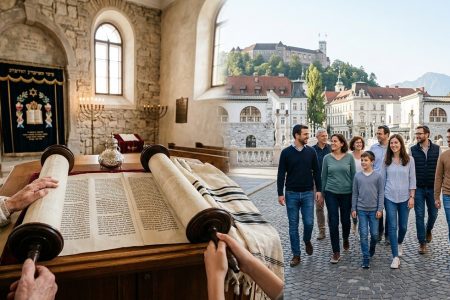
    Although many medieval synagogues no longer stand, their legacy can be appreciated through archaeological sites, memorial plaques, and dedicated exhibitions. Some locations are marked with plaques or informational panels, allowing visitors to imagine the vibrant community that once thrived there.

    For those interested in a deeper understanding, local museums often host artifacts and reconstructions of medieval Jewish life. Engaging with these resources offers a meaningful connection to Ljubljana’s diverse past.

    How to Begin Your Journey of Discovery

    If you wish to explore Ljubljana’s medieval synagogues and Jewish heritage, follow these practical steps:

    1. Research: Start with reputable sources like the Jewish community site or local archives for historical context.
    2. Visit archaeological sites: Many sites are accessible or marked for visitors interested in archaeology.
    3. Consult guides and experts: Local guides and historians can offer insightful tours and explanations.
    4. Attend exhibitions: Museums showcase artifacts, photographs, and reconstructions that bring history to life.
    5. Join cultural events: Participating in Jewish heritage festivals can deepen your understanding and appreciation.

    Preserving the Legacy for Future Generations

    Many of Ljubljana’s medieval synagogues remain only as archaeological footprints, yet their importance endures. Preservation efforts focus on safeguarding these remnants and educating the public about their significance. Engaging with community initiatives helps maintain this vital part of Ljubljana’s multicultural history.

    Practical Tips for Preservation and Research

    • Support local historical societies
    • Promote awareness of Jewish heritage sites
    • Volunteer in archaeological or restoration projects
    • Share knowledge through writing or educational programs

    Why Connecting with Ljubljana’s Jewish Past Matters

    Understanding and appreciating the city’s medieval synagogues enriches our view of Ljubljana’s diverse history. These structures symbolize resilience, cultural exchange, and the enduring spirit of a community that contributed significantly to the city’s development.

    By studying these sites, researchers and history enthusiasts can better grasp the complexities of medieval life and the importance of safeguarding heritage for generations to come.

    A Warm Invitation to Continue the Journey

    As you reflect on Ljubljana’s lost synagogues, consider how each brick and foundation embodies stories of faith, community, and perseverance. Whether you are a researcher, a traveler, or someone passionate about history, your engagement helps keep this vital heritage alive. Take the time to learn, visit, and share the stories of Ljubljana’s medieval Jewish past, ensuring their legacy endures well beyond the present.

  • From Shtetl to Stage: Jewish Theater Traditions and Their Modern Revival

    From Shtetl to Stage: Jewish Theater Traditions and Their Modern Revival

    Jewish theater has a rich and resilient heritage that spans centuries. From the lively performances of shtetl folk to the sophisticated productions of today, these traditions have endured periods of suppression and revival. Recently, a resurgence in Jewish theater traditions has gained momentum, blending historical practices with modern storytelling techniques. This renaissance not only preserves cultural identity but also introduces Jewish theatrical artistry to new audiences worldwide. Understanding this movement reveals how history and innovation intertwine to keep Jewish theater vibrant and relevant in the modern era.

    Key Takeaway

    The modern revival of Jewish theater traditions combines historical storytelling with contemporary techniques, ensuring cultural continuity and engaging audiences today. This movement fosters a deeper appreciation of Jewish cultural expressions through innovative performances rooted in tradition.

    The Roots of Jewish Theater and Its Cultural Significance

    Jewish theater’s origins trace back to the shtetl communities of Eastern Europe. These small towns, often isolated, developed vibrant cultural practices that kept Jewish stories, humor, and religious themes alive through storytelling, song, and performance. Traditional forms like the Yiddish theater emerged as a vital means of community expression, often serving as a space for social commentary and cultural preservation.

    During the 19th and early 20th centuries, Jewish theater expanded beyond the shtetl, influenced by broader European theatrical trends. Yiddish theater companies traveled across Eastern Europe, Russia, and eventually to the United States, creating a unique theatrical language that combined humor, folklore, and religious narratives. Despite facing censorship and persecution, these performances remained vital for maintaining cultural identity.

    Today, many of these traditional elements—such as storytelling techniques, musical motifs, and religious themes—are being reimagined in contemporary productions. Modern Jewish theater artists draw from this historical well to craft performances that resonate with today’s audiences while honoring their heritage.

    The Modern Revival of Jewish Theater Traditions

    In recent years, a renewed interest in Jewish theater traditions has sparked a vibrant cultural movement. This revival is characterized by a blend of authentic historical practices and innovative artistic expressions. It aims to reconnect younger generations with their roots while fostering dialogue on contemporary issues.

    Several factors contribute to this resurgence:
    Cultural Identity: Many Jewish communities seek to reaffirm their cultural identity amidst globalized influences.
    Historical Reflection: Artistic projects aim to explore and interpret Jewish history through a theatrical lens.
    Cross-cultural Collaboration: International collaborations bring diverse perspectives and techniques into Jewish theater.

    This movement is evident in various ways, from small community productions to large international festivals. Playwrights and directors incorporate traditional motifs, storytelling styles, and musical elements like klezmer into modern scripts. These performances often address relevant themes such as memory, resilience, migration, and faith.

    Techniques and Trends in the Modern Revival

    Jewish theater artists employ a range of techniques to revive and adapt traditional practices:

    • Incorporating traditional music: Klezmer and other Jewish musical styles are woven into performances to evoke cultural atmosphere.
    • Using storytelling as structure: Performers often simulate the oral storytelling tradition of shtetl life.
    • Blending languages: Performances may include Yiddish, Hebrew, and English, reflecting multicultural influences.
    • Reviving folk dance and ritual: Incorporating dance and ritual elements to deepen cultural authenticity.
    • Experimental staging: Utilizing multimedia, puppetry, and immersive theater to engage modern audiences.
    Technique Common Mistakes Effectiveness
    Traditional music integration Overusing music, overshadowing dialogue Enhances cultural atmosphere without distracting
    Authentic storytelling Modernizing stories excessively Maintains authenticity while engaging audiences
    Multilingual performances Cluttering scripts with too many languages Reflects cultural diversity effectively
    Ritual and dance Ignoring cultural context Deepens cultural resonance

    “Reviving Jewish theater is about honoring the past while daring to innovate. When artists respect tradition but are not afraid to experiment, they create performances that are both authentic and fresh.” — Dr. Leah Cohen, theater historian

    Challenges and Opportunities in the Revival

    While the movement is promising, it faces challenges:
    Preserving authenticity: Striking a balance between tradition and modernity.
    Funding and recognition: Securing resources for culturally specific projects.
    Audience engagement: Attracting diverse and younger audiences to traditional forms.

    However, opportunities abound. Digital platforms allow performances to reach a global audience. Cross-disciplinary collaborations can foster innovative storytelling. Educational programs help teach traditional techniques to emerging artists.

    Practical Steps to Engage with Jewish Theater Traditions

    If you are interested in participating in or supporting this revival, consider these steps:

    1. Learn about traditional Jewish storytelling and musical forms like klezmer.
    2. Attend local or online Jewish theater performances to experience live traditions.
    3. Volunteer or collaborate with community theater groups focused on Jewish stories.
    4. Support funding initiatives that promote Jewish cultural arts.
    5. Incorporate traditional elements into your own performances or projects.

    Common Techniques and Mistakes in Modern Jewish Theater Revival

    Technique Mistakes to Avoid Benefits
    Incorporating traditional music Overuse or misinterpretation Creates authentic atmosphere
    Using storytelling techniques Losing narrative clarity Deepens emotional connection
    Blending languages Confusing or alienating audiences Reflects cultural diversity
    Ritual and dance Cultural misappropriation Enriches performance authenticity

    Experts’ Advice for a Successful Revival

    “Modern Jewish theater thrives when it respects its roots but is not bound by them. Artists should focus on storytelling that resonates today, using tradition as a foundation for innovation.” — Rabbi Miriam Goldstein

    Embracing the Future of Jewish Theater

    The revival of Jewish theater traditions offers a meaningful way to connect with cultural heritage while engaging contemporary audiences. By blending historical practices with innovative techniques, performers and creators ensure these stories continue to inspire and educate. Whether you are a researcher, student, or enthusiast, participating in this movement can deepen your understanding of Jewish culture and contribute to its ongoing vitality.

    Remember, fostering this revival is a community effort. Sharing performances, supporting artists, and learning about traditions can help keep the spirit of Jewish theater alive for generations to come. As you explore or create, let the rich history inspire your journey into this vibrant cultural landscape.