Blog

  • The Revival of Jewish Life in Post-Independence Slovenia Since 1991

    The Revival of Jewish Life in Post-Independence Slovenia Since 1991

    Jewish life in Slovenia has undergone a significant transformation since the country gained independence in 1991. After decades of challenging history, including periods of suppression and displacement, the community has experienced a renaissance. Today, Slovenian Jews celebrate their heritage with renewed pride, vibrant cultural events, and active religious communities. This revival reflects resilience, dedication, and a deep desire to preserve Jewish traditions while integrating into modern Slovenian society.

    The Roots of Jewish Presence in Slovenia

    Jewish history in Slovenia stretches back centuries. Historically, Jewish communities settled in key cities like Ljubljana and Maribor, contributing to commerce, culture, and academia. The oldest known synagogue in Ljubljana dates from the 16th century, standing as a testament to centuries of Jewish life. However, the 20th century brought upheaval, especially during the Holocaust, which decimated many communities.

    Despite these hardships, Jewish life in Slovenia did not disappear completely. Instead, it endured in memories, small communities, and underground traditions. The fall of the Iron Curtain and Slovenia’s independence in 1991 served as turning points, opening doors for cultural and religious revival.

    Rebirth of the Community After 1991

    The post-independence period marked the beginning of a conscious effort to rebuild Jewish life. Several factors fueled this renaissance:

    • The establishment of cultural centers and museums dedicated to Jewish history.
    • The return and restoration of historic synagogues and cemeteries.
    • Increased interest among younger generations to reconnect with their heritage.
    • International connections through Jewish organizations and diaspora networks.

    Community leaders and activists worked tirelessly to revive religious practices, celebrate festivals, and promote awareness of Jewish contributions to Slovenian society.

    Cultural and Religious Revival Initiatives

    The revival of Jewish life in Slovenia since 1991 is evident in various cultural and religious activities:

    1. Restoration of Synagogues and Historic Sites

    Many historic Jewish sites have been restored or preserved. The Ljubljana Synagogue, which had been non-operational for decades, reopened as a cultural and religious center. The Jewish Museum of Slovenia now showcases artifacts, photographs, and documents that tell the story of Jewish resilience.

    2. Active Religious Life and Festivals

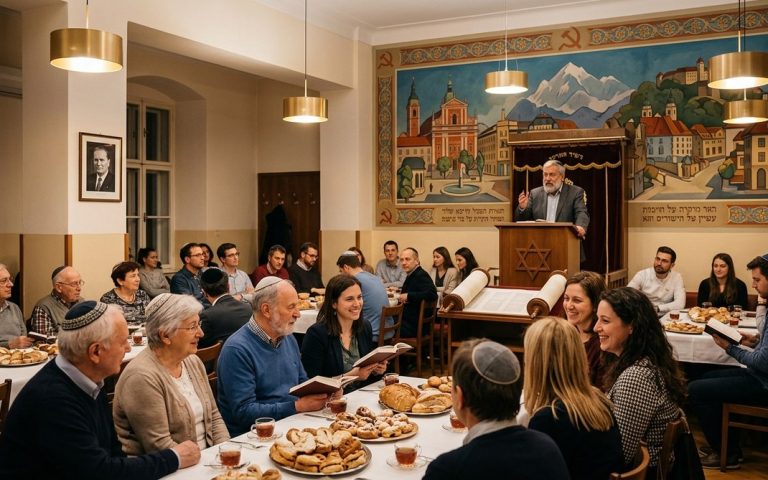
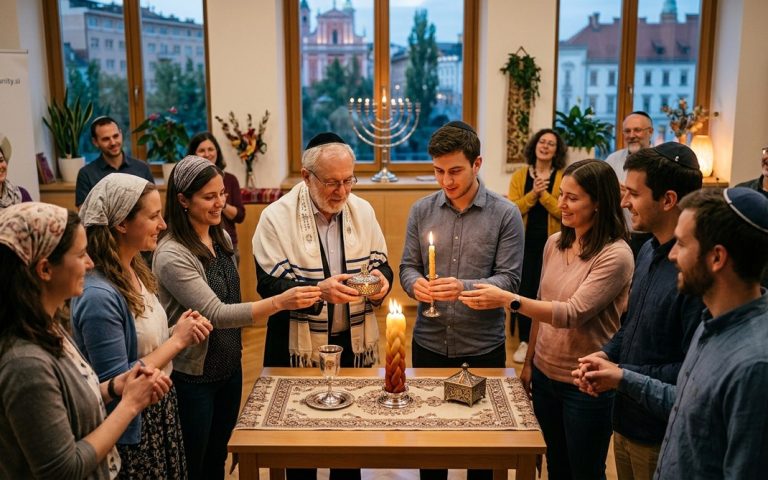
    Jewish communities now hold regular services, including Sabbath observances and holiday celebrations. Events like Hanukkah, Passover, and Rosh Hashanah attract both community members and interested visitors. These celebrations foster a sense of continuity and community bonding.

    3. Educational Programs and Public Engagement

    Educational initiatives aim to inform the wider public about Jewish history and traditions. Schools and cultural organizations host lectures, workshops, and exhibitions. This openness helps dispel misconceptions and promotes intercultural understanding.

    4. Interfaith and Cultural Collaborations

    Slovenia’s Jewish community actively participates in interfaith dialogue and cultural exchanges. Projects like joint celebrations with Catholic and Muslim communities demonstrate a commitment to coexistence and mutual respect.

    5. Artistic and Literary Contributions

    Contemporary Jewish artists, writers, and musicians contribute to Slovenia’s cultural scene. Their work often explores themes of identity, memory, and resilience. You can learn more about how Jewish artists influence modern art movements in the region by visiting

    Practical Steps to Support and Celebrate Jewish Revival

    If you wish to be part of this ongoing revival, here are some practical ways to engage:

    1. Attend community events and celebrations. Many are open to visitors and provide insights into Jewish traditions.
    2. Volunteer or donate to local Jewish cultural centers and museums to help preserve historic sites.
    3. Educate yourself about Jewish history in Slovenia through books, documentaries, and online resources.
    4. Support local artisans and musicians whose work reflects Jewish heritage, like traditional klezmer music.
    5. Participate in interfaith dialogues to foster understanding and friendships between different religious communities.

    How to Get Involved in the Revival Process

    1. Learn about local history: Engage with museums and cultural centers to deepen your understanding of Slovenian Jewish history.
    2. Join community celebrations: Many events are welcoming to all, offering a chance to experience Jewish traditions firsthand.
    3. Support preservation efforts: Contribute to initiatives aimed at maintaining historic sites and artifacts.
    4. Share stories: Personal stories of resilience inspire others and keep traditions alive.
    5. Promote awareness: Use social media and local platforms to highlight Jewish cultural contributions and ongoing projects.

    Techniques and Common Mistakes in Preserving Jewish Heritage

    Techniques Mistakes
    Restoring historic synagogues carefully Neglecting the importance of community input
    Documenting oral histories thoroughly Rushing preservation without expert advice
    Collaborating with local authorities Ignoring the significance of cultural context
    Engaging youth through interactive programs Overlooking the importance of authenticity

    “Preserving Jewish heritage is not only about maintaining buildings and artifacts. It’s about safeguarding memories, stories, and identities for future generations,” emphasizes Dr. Mira Novak, a Slovenian historian specializing in Jewish history.

    Challenges and Opportunities for the Future

    Despite progress, challenges remain. Limited funding, gaps in knowledge, and the passing of early community members pose risks to preservation efforts. However, increased awareness, tourism, and international cooperation present opportunities to strengthen the community.

    The continued involvement of younger generations and the integration of Jewish culture into broader Slovenian life will be crucial. Initiatives like educational programs, cultural festivals, and interfaith projects will help sustain momentum.

    A Future Built on Heritage and Unity

    The revival of Jewish life in Slovenia since 1991 reflects a broader story of resilience, renewal, and cultural integration. Communities are working to honor their past while embracing the present. This ongoing journey is a reminder that heritage is a living, breathing part of society.

    By supporting these efforts—whether through participation, education, or advocacy—you help ensure that the vibrant traditions, stories, and contributions of Slovenian Jews continue to thrive. The revival is not just about the past; it’s about building a future rooted in understanding and respect.

    Celebrating the Living Heritage of Slovenian Jewry

    The renaissance of Jewish life since Slovenia’s independence demonstrates the community’s strength and enduring spirit. Each restored site, celebration, and story adds to a tapestry of history that continues to evolve. As more people become aware and involved, the cultural landscape gains richness and depth.

    Remember, every act of support helps preserve this vital heritage. Whether you attend a festival, learn a story, or share your appreciation, you contribute to a future where Jewish traditions remain an integral part of Slovenian society.

    Stay curious, stay engaged, and help keep the vibrant flame of Slovenian Jewish heritage burning bright for generations to come.

  • Jewish Partisan Fighters in Slovenia During World War II

    Jewish Partisan Fighters in Slovenia During World War II

    Jewish partisan fighters in Slovenia during World War II played a vital role in resisting the Nazi occupation and fighting for freedom. Their stories of courage and resilience are a testament to the enduring spirit of resistance within the Jewish community. In Slovenia, a country marked by its complex history and diverse cultural tapestry, Jewish fighters contributed significantly to the broader fight against fascism. This article sheds light on their brave actions, the challenges they faced, and how their legacy continues to inspire today.

    Key Takeaway

    Jewish partisan fighters in Slovenia WWII exemplify resilience and resistance. Their stories highlight the bravery of the Jewish community during dark times and their lasting impact on Slovenian history and memory.

    The Roots of Jewish Resistance in Slovenia

    Slovenia’s Jewish community has a long history dating back centuries, marked by periods of growth and hardship. During World War II, as Nazi forces occupied Slovenia, Jewish residents faced persecution, deportation, and violence. Despite these dangers, some members of the community chose resistance. Jewish fighters in Slovenia joined partisan groups or operated independently to oppose the occupation, risking their lives to save others and fight for justice.

    Resistance was not only a fight against external enemies but also an act of preserving dignity and identity. Many Jewish fighters saw their participation as a continuation of their community’s resilience through centuries of adversity. Their involvement often included sabotage, gathering intelligence, and aiding in the rescue of fellow Jews and other persecuted groups.

    Jewish Partisan Fighters in Slovenia During WWII

    The story of Jewish partisan fighters in Slovenia is one of bravery amid peril. They worked alongside Slovenian resistance groups, contributing vital intelligence and participating in armed confrontations against Axis forces. Their involvement is documented through testimonies, wartime documents, and historical research that reveal their active role in the broader partisan movement.

    While exact numbers are difficult to determine, historical accounts suggest that dozens of Jewish men and women took part in the resistance efforts. These fighters often faced double dangers: the threat of Nazi reprisals and the risks inherent in partisan warfare. Despite this, they persisted, driven by a deep-seated desire to oppose tyranny and protect their loved ones.

    Challenges Faced by Jewish Fighters

    Jewish fighters encountered numerous obstacles during their resistance activities. They faced constant surveillance, the threat of betrayal, and the difficulty of operating covertly in hostile territory. Many had to hide their identities to avoid detection by Nazi authorities and collaborators.

    Additionally, they often lacked proper weapons, supplies, and safe havens. Despite these hardships, their determination never waned. Their stories are filled with acts of heroism and sacrifice, illustrating that even in the darkest times, hope and resistance can flourish.

    Stories of Heroism and Resistance

    One notable figure was a Jewish woman who, along with her partisan unit, sabotaged Nazi supply lines and provided aid to civilians hiding from persecution. Her story exemplifies the courage of many Jewish fighters who risked everything for the cause.

    Similarly, a group of young Jewish men and women formed a clandestine communication network that relayed critical information to partisan commanders. Their efforts helped coordinate attacks and maintain morale within the resistance.

    “The courage of Jewish fighters in Slovenia during WWII proves that resistance is a universal act of defiance against oppression, regardless of background or religion,” says historian Dr. Ana Kranjc.

    These stories have been preserved through oral histories, museums, and memorials, ensuring that their sacrifices are remembered for generations to come.

    The Impact of Jewish Resistance on Slovenian History

    Jewish fighters in Slovenia contributed significantly to the overall resistance movement. Their actions not only hampered Nazi operations but also demonstrated the unity of diverse groups fighting for a common goal. Their participation challenged stereotypes and reinforced the idea that resistance was a collective effort rooted in shared values of freedom and dignity.

    Post-war, their stories became symbols of resilience and hope. Memorials and educational programs aim to honor their memory, emphasizing the importance of standing against injustice. Their legacy continues to inspire current generations to advocate for human rights and remember the past.

    How to Learn More and Support the Memory of Jewish Fighters

    1. Visit local museums and memorials dedicated to WWII resistance and Jewish history in Slovenia.
    2. Read firsthand accounts and testimonies from survivors and resistance members.
    3. Participate in educational programs or community events that commemorate resistance efforts.
    4. Support organizations working to preserve Jewish cultural heritage and historical sites.
    5. Engage with scholarly research to deepen understanding of Slovenian WWII history and Jewish resistance.

    Practical steps for research and remembrance

    • Collect oral histories from relatives or community members who have stories of resistance.
    • Attend lectures or seminars focused on WWII resistance movements in Slovenia.
    • Volunteer at cultural centers or museums that highlight Jewish and Slovenian history.
    • Promote awareness of the Jewish resistance movement through social media or community discussions.
    • Support the preservation of historical sites related to WWII resistance efforts.
    Techniques for Remembering Common Mistakes to Avoid
    Honoring local heroes through memorials Overlooking lesser-known fighters
    Documenting oral histories Relying solely on written records
    Supporting cultural preservation initiatives Ignoring the importance of community engagement
    Educating youth about resistance history Using insensitive language or stereotypes

    Preserving Legacy Through Education and Memory

    Understanding the stories of Jewish partisan fighters in Slovenia WWII helps keep their memory alive. Schools, museums, and cultural organizations play a crucial role in sharing these narratives. By learning about their sacrifices, communities can foster a sense of shared history and resilience.

    Participating in remembrance events, such as memorial days or cultural festivals, strengthens the connection to the past. These activities honor the courage of those who fought and serve as reminders of the ongoing fight against intolerance and hate.

    “Remembering resistance fighters ensures that future generations understand the importance of standing up for justice and human dignity,” emphasizes educator Marko Novak.

    Supporting these efforts guarantees that their stories will continue to inspire and educate.

    As we reflect on the brave actions of Jewish partisan fighters in Slovenia during WWII, it becomes clear that their legacy transcends time. Their resistance exemplifies the power of courage and conviction in the face of adversity. Today, their stories serve as a beacon of hope and a call to preserve the lessons of history.

    Encourage yourself and others to learn more about these remarkable fighters. Sharing their stories can foster empathy and understanding, ensuring that their sacrifices are never forgotten. Remember, resistance is a universal act rooted in the human desire for freedom and dignity. Their bravery in Slovenia during WWII continues to remind us of the importance of standing against oppression, no matter the odds.

    Let their stories inspire your own acts of kindness, justice, and resilience. The lessons of the past can guide us to build a more compassionate and courageous future.

  • Why Did Maribor Once Have Slovenia’s Largest Jewish Community?

    Why Did Maribor Once Have Slovenia’s Largest Jewish Community?

    Maribor, Slovenia’s second-largest city, holds a remarkable chapter in its history thanks to its vibrant Jewish community. Once the largest in the country, this community played a vital role in shaping the city’s cultural, economic, and social fabric. Today, remnants of this lively past are woven into Maribor’s identity, offering a fascinating glimpse into the resilience and contributions of Jewish residents over centuries.

    Key Takeaway

    Maribor’s Jewish community once thrived as Slovenia’s largest, influencing the city’s development through commerce, culture, and resilience, leaving a lasting legacy that continues to inspire today.

    The Origins of the Jewish Presence in Maribor

    The roots of the Jewish community in Maribor stretch back to the Middle Ages. Jewish traders and artisans arrived in the region seeking new opportunities and contributed significantly to its growth. Historical records from the 15th and 16th centuries indicate an active Jewish presence, with community members engaging in commerce, crafts, and finance.

    The growth of Maribor as a trading hub attracted Jewish families who established themselves here, often forming close-knit communities that supported each other through difficult times. Their influence extended beyond daily life, enriching the city’s cultural landscape with traditions, crafts, and religious practices.

    How Maribor Became Slovenia’s Largest Jewish Community

    By the 19th century, Maribor’s Jewish population had grown substantially, making it the largest in Slovenia. This growth was driven by several factors:

    • Economic opportunities: The city’s strategic location along trade routes provided avenues for commerce and entrepreneurship.
    • Emancipation laws: Legal reforms in the 19th century allowed Jews greater freedom to settle, own property, and participate in civic life.
    • Community development: The establishment of synagogues, schools, and cultural centers fostered a vibrant community life.

    At its peak, the Jewish community in Maribor numbered several thousand members. They contributed to the city’s economy through industries like textiles, trade, and finance. Their presence influenced the city’s architecture, with synagogues and Jewish cemeteries becoming prominent landmarks.

    Key Landmarks and Cultural Contributions

    One of the most significant symbols of Maribor’s Jewish heritage is the synagogue, built in the late 19th century. Although it was destroyed during World War II, its legacy endures through historical records and restored memorials.

    Jewish artisans and merchants introduced new crafts and business practices that benefited the local economy. Additionally, Jewish cultural traditions, including music, cuisine, and religious festivals, became part of Maribor’s diverse cultural tapestry.

    The community also contributed to education and intellectual life, with Jewish scholars involved in local academic circles. Their influence is evident in the preservation of Hebrew and Yiddish texts and the continued interest in Jewish history in Slovenia.

    The Impact of World War II and the Holocaust

    The darkest chapter in Maribor’s Jewish history unfolded during the Holocaust. The Nazi occupation led to the deportation of most Jewish residents, with many perishing in concentration camps. The community’s destruction was a devastating loss to the city’s cultural fabric.

    However, stories of resistance and resilience emerged among survivors and their descendants. Some members managed to escape or hide, and their stories have been preserved through local memorials and museums dedicated to Jewish history.

    Despite the tragic events, the memory of Maribor’s Jewish community remains alive through commemorative events, educational programs, and efforts to restore and protect remaining heritage sites.

    Reviving and Preserving Jewish Heritage in Maribor

    In recent decades, efforts have been made to honor and preserve Maribor’s Jewish past. Local organizations, historical societies, and the municipality collaborate to maintain historical sites and promote awareness.

    Key initiatives include:

    • Restoring Jewish cemeteries and memorials
    • Organizing cultural festivals celebrating Jewish heritage
    • Developing educational programs about the community’s history

    These efforts aim to ensure that future generations understand the significance of the Jewish community’s contributions and the importance of tolerance and remembrance.

    “Preserving Jewish heritage in Maribor is more than safeguarding old buildings; it’s about honoring the resilience and influence of a community that once shaped the city’s very soul,” shares local historian Dr. Marko Novak.

    Practical Steps to Research Maribor’s Jewish Community

    If you’re eager to explore this rich history yourself, here are some steps to get started:

    1. Visit local museums and memorial sites: Many offer detailed exhibits about Maribor’s Jewish past.
    2. Consult historical archives: The regional archive houses documents, photographs, and personal stories.
    3. Engage with community organizations: They often host lectures, tours, and cultural events.
    4. Read scholarly works: Academic publications provide in-depth analyses of Jewish life in Maribor.
    5. Join guided tours: Local guides can offer insightful narratives and visit key heritage sites.

    Techniques for Uncovering Hidden History

    Uncovering the story of Maribor’s Jewish community involves careful research and attention to detail. Here’s a comparison of techniques:

    Technique Mistakes to Avoid
    Visiting archives Relying solely on oral history can lead to gaps
    Consulting local libraries Ignoring digital resources may limit findings
    Attending community events Assuming history is only in old buildings
    Reading personal stories Overlooking broader historical context

    Focusing on multiple sources enriches understanding and helps piece together the community’s complex history.

    Advice from Experts

    “Understanding Maribor’s Jewish community isn’t just about old buildings. It’s about listening to stories, recognizing contributions, and ensuring that remembrance remains alive,” emphasizes historian Dr. Novak.

    Continuing the Legacy in Maribor

    Today, the city’s commitment to honoring its Jewish past ensures that the community’s legacy continues to inspire. Whether through educational programs, cultural festivals, or preservation projects, the story of Maribor’s Jewish residents remains an integral part of the city’s identity.

    If you are passionate about history, visiting these sites and engaging with local narratives can deepen your appreciation. It offers a chance to connect with a community that once thrived amid challenges and contributed profoundly to Maribor’s development.

    Sharing the Heritage and Building Connections

    Sharing stories and knowledge about Maribor’s Jewish community fosters mutual understanding and respect. It encourages dialogue and learning, ensuring that the lessons from the past inform a more inclusive future.

    By supporting preservation efforts and participating in community activities, you help keep this important chapter alive. Remember, history isn’t just about the past; it’s a foundation for understanding and shaping tomorrow.

    Honoring the past, inspiring the future

    The history of Maribor’s Jewish community is a testament to resilience and cultural richness. Embracing this heritage offers valuable lessons about community strength, adaptability, and remembrance. Whether you’re a researcher, enthusiast, or visitor, engaging with this history enriches your understanding of Slovenia’s diverse cultural landscape. Take the time to learn, visit, and share these stories—each step helps keep the legacy alive for generations to come.

  • Tracing the Sephardic Roots of Slovenia’s Earliest Jewish Settlers

    Tracing the Sephardic Roots of Slovenia’s Earliest Jewish Settlers

    Jewish history in Slovenia is rich and layered, with roots that stretch back centuries. Among the most intriguing aspects of this history is the Sephardic influence that shaped the earliest Jewish settlers in the region. Understanding these roots reveals a story of migration, adaptation, and cultural blending that continues to influence Slovenian Jewish communities today. For researchers, genealogists, and anyone passionate about Jewish heritage, exploring how Sephardic roots found their way into Slovenia offers a fascinating glimpse into a shared past that transcends borders.

    Key Takeaway

    Tracing Sephardic roots in Slovenia unveils a story of early Jewish migration from Iberia, blending Sephardic traditions with local Slovenian culture. This heritage enriches the community’s history and offers valuable insights for genealogical research and cultural preservation.

    The Origins of Sephardic Jews in Slovenia

    The story of Sephardic Jews in Slovenia begins with the broader movement of Jews fleeing persecution in Spain and Portugal during the late 15th and early 16th centuries. After the Alhambra Decree of 1492, which ordered the expulsion of practicing Jews from Spain, many sought refuge in safer parts of Europe. Some of these refugees found their way to the Balkan region, including what is now Slovenia.

    Historically, the migration routes of Sephardic Jews were influenced by trade, diplomatic ties, and the search for religious freedom. Many settled in port cities and trading hubs, where they could continue their commerce while maintaining their cultural identity. Slovenia’s strategic location along the Adriatic coast made it a natural stop for Sephardic traders and settlers.

    The earliest Sephardic settlers in Slovenia are believed to have arrived in the 16th century. They established small communities that maintained their language, customs, and religious practices, which would later influence the broader Jewish community in the region. Over time, this Sephardic heritage became intertwined with local Slovenian traditions, creating a unique cultural mosaic.

    Traces of Sephardic Heritage in Slovenian Jewish Communities

    Although the Sephardic community in Slovenia remained relatively small, its influence can still be identified in various cultural and religious practices. Traditional Sephardic rites, melodies, and culinary traditions have left an indelible mark on the community.

    One of the most tangible remnants of Sephardic heritage is the language. Some of the earliest Jewish settlers spoke Ladino—a Judeo-Spanish language that preserved elements of medieval Spanish. Today, Ladino is rarely spoken, but historical documents and oral histories contain echoes of this linguistic legacy.

    Architectural influences are also part of the Sephardic imprint. While many of the original synagogues and community buildings have been lost or repurposed, some historical sites and artifacts hint at the Sephardic aesthetic and religious customs.

    In terms of religious practice, Sephardic Jews traditionally follow different liturgical rites compared to Ashkenazi communities. These distinctive customs, such as specific prayer melodies and holiday observances, were preserved in some Slovenian congregations for generations.

    How to Trace Sephardic Roots in Slovenia

    Researching Sephardic roots in Slovenia involves a combination of archival work, oral history collection, and collaboration with local heritage organizations. Here are some practical steps:

    1. Start with family records: Gather any available documents such as birth, marriage, and death certificates. Pay attention to names, places, and language clues like Ladino or Spanish.

    2. Consult historical archives: Slovenian national and regional archives house valuable records. The National Archives of Slovenia and Jewish heritage centers might contain community registers, synagogue records, or immigration documents.

    3. Engage with local Jewish communities: Connecting with existing Jewish congregations or cultural centers can provide insights and access to oral histories. They often hold valuable stories passed down through generations.

    4. Use online genealogical databases: Websites like JewishGen or Ancestry offer tools and collections that can help trace Sephardic lineage across Europe, including Slovenia.

    5. Explore historical maps and migration routes: Understanding where Sephardic settlers arrived and settled can guide your research. Many Sephardic families moved through ports in Italy or Dalmatia before reaching the Slovenian lands.

    6. Collaborate with experts: Genealogists specializing in Sephardic history or Slovenian Jewish heritage can offer guidance and help interpret complex records.

    Practical Process for Tracing Sephardic Roots

    1. Identify potential family stories or documents
    2. Visit local archives or digital repositories
    3. Interview community elders or descendants
    4. Cross-reference findings with migration and historical data
    5. Document and verify lineage through multiple sources
    6. Connect with heritage organizations for additional support

    Common Challenges and How to Overcome Them

    Technique Mistake Solution
    Relying only on oral history Mistaking legends for facts Cross-reference with written records
    Ignoring language clues Missing Ladino or Spanish identifiers Pay attention to language in documents
    Overlooking migration routes Missing context for familial movements Study regional migration patterns
    Using limited sources Incomplete family stories Expand research to archives and community records

    “Genealogical research into Sephardic roots requires patience and thoroughness. Combining oral histories with archival documents often uncovers surprising connections that paint a clearer picture of your heritage,” advises Dr. Miriam Cohen, a specialist in Sephardic genealogy.

    Connecting the Past to Today’s Heritage

    Understanding the Sephardic origins of Slovenian Jewish settlers offers a window into a vibrant past that continues to influence present-day communities. Many descendants feel a deep connection to their Sephardic roots through shared traditions, culinary practices, and stories passed down through generations.

    Today, efforts to document and preserve Sephardic heritage in Slovenia include community festivals, cultural exhibitions, and academic research. These initiatives aim to keep alive the unique customs and history of this founding segment of Slovenian Jewry.

    Genealogical research can be a rewarding journey that deepens your appreciation of cultural diversity. Whether you are tracing lineage for personal curiosity or academic study, recognizing Sephardic roots illuminates a vital chapter of Slovenian history.

    A Personal Path to Heritage Preservation

    Finding your Sephardic roots in Slovenia can be a meaningful experience. It connects you to a broader narrative of migration, resilience, and cultural fusion. As you begin or continue your research, remember that every document, story, and tradition contributes to a richer understanding of your heritage.

    Preserving these connections helps future generations appreciate their unique identity and the shared history that binds communities across borders. Whether through family stories, community involvement, or scholarly projects, your efforts contribute to a larger tapestry of Jewish heritage in Slovenia.

    Embracing Your Sephardic Heritage in Slovenia

    Celebrating and understanding your Sephardic roots is a journey worth taking. It offers insights into how your ancestors navigated challenges and kept their traditions alive. By tracing these roots, you participate in a living history that continues to inspire.

    Apply these methods in your research, engage with community resources, and share your discoveries. In doing so, you help ensure that the vibrant Sephardic legacy in Slovenia remains a treasured part of cultural memory.

    Remember: Every step you take in uncovering your heritage is a step toward honoring your ancestors and enriching your understanding of Jewish history in Slovenia.

  • The Renaissance of Yiddish Cinema and Its Cultural Significance Today

    The Renaissance of Yiddish Cinema and Its Cultural Significance Today

    Yiddish cinema is experiencing a remarkable revival that captures the imagination of both cultural enthusiasts and academic circles. Once a vibrant part of Jewish life, Yiddish films faced decline during the mid-20th century due to historical upheavals and shifting cultural tides. Today, however, a renaissance is underway, breathing new life into this unique cinematic tradition. This resurgence not only preserves a vital piece of Jewish history but also offers fresh perspectives on cultural identity, storytelling, and artistic expression.

    Key Takeaway

    The Yiddish cinema renaissance is revitalizing Jewish cultural identity through innovative films, connecting past and present. It offers scholars and fans alike a chance to witness history in motion and celebrate a resilient tradition.

    Understanding the Yiddish cinema renaissance

    The revival of Yiddish films is more than just a nostalgic glance backward. It signifies a conscious effort to reclaim and reinterpret Jewish history and culture through contemporary storytelling. This movement is fueled by a combination of dedicated filmmakers, cultural institutions, and academic interest. They aim to preserve the language, stories, and traditions that define Yiddish-speaking communities and to share them with new generations.

    Historically, Yiddish cinema flourished in the early 20th century, especially in Eastern Europe and the United States. Films such as “Tevye the Dairyman” adaptations and silent movie productions captured everyday life, folklore, and struggles of Jewish communities. But the devastation of World War II and subsequent migration patterns led to a decline in Yiddish film production. Today, however, filmmakers and cultural organizations are working to rebuild this cinematic legacy, often blending archival footage with modern techniques.

    Why the Yiddish cinema revival matters today

    This renaissance is significant for several reasons. It helps to preserve a language and culture that faced near extinction. It provides a voice to stories that might otherwise be lost. It also offers a bridge between historical experiences and contemporary narratives, fostering understanding and appreciation among diverse audiences.

    Film festivals dedicated to Yiddish cinema have sprung up globally, showcasing restored classics alongside new works. These screenings often feature discussions with scholars and filmmakers, emphasizing the importance of cultural continuity. Universities now incorporate Yiddish film studies into their curricula, highlighting how these works enrich our understanding of Jewish history and identity.

    As one expert puts it, “Yiddish cinema today serves as a living archive. It reminds us of the resilience of a culture that survived through storytelling, and it inspires new generations to keep that tradition alive” https://jewish-community.si/how-jewish-artists-shaped-modern-art-movements-in-central-europe/).

    Practical steps to support the Yiddish cinema renaissance

    Supporting this movement involves both individual and collective efforts. Here are some ways you can contribute:

    1. Watch and promote Yiddish films: Attend screenings, share films on social media, and encourage others to explore this rich cinematic tradition.
    2. Attend festivals and academic conferences: Engage with scholars and filmmakers to deepen your understanding and help build a community around Yiddish cinema.
    3. Support restoration projects: Contribute to organizations dedicated to restoring and preserving archival Yiddish films. Many films are at risk of fading into obscurity without proper care.
    4. Learn the language: While not mandatory, gaining basic knowledge of Yiddish can enhance appreciation and understanding of the films’ nuances.
    5. Advocate for inclusion: Push for Yiddish cinema to be recognized and included in film studies programs, cultural festivals, and public broadcasts.

    Techniques for revitalizing Yiddish films and avoiding common mistakes

    Restoring and creating new Yiddish films require careful techniques. Here is a comparison table to clarify effective methods and pitfalls:

    Technique What to do Common Mistake
    Archival restoration Use digital technology to preserve original footage Rushing the process, leading to loss of authenticity
    Subtitling Accurate translation to modern languages Poor translations that distort meaning
    Contemporary storytelling Incorporate modern themes while respecting tradition Ignoring cultural sensitivities or historical context
    Community engagement Involve Jewish communities in production Using stereotypes or superficial approaches

    Expert advice on the future of Yiddish cinema

    “The key to sustaining the Yiddish cinema renaissance is authenticity combined with innovation,” says Dr. Miriam Klein. “Filmmakers should honor the past but also speak to today’s audiences in relevant ways. This balance will ensure that Yiddish stories remain vibrant and meaningful” https://jewish-community.si/how-jewish-artists-shaped-modern-art-movements-in-central-europe/).

    The role of education and cultural institutions

    Educational programs and museum initiatives play an essential part in this revival. Universities are increasingly offering courses on Jewish film history, where students analyze both classic and contemporary Yiddish movies. Cultural centers organize screenings, lectures, and workshops to engage wider audiences. These efforts help to embed Yiddish cinema within broader cultural conversations and ensure its survival.

    How to engage with Yiddish culture beyond the screen

    Watching films is just one way to connect. You can also explore Yiddish literature, music, and theater. Many communities host cultural events that celebrate Jewish storytelling traditions. Participating in these activities deepens your appreciation and supports the ongoing cultural revival.

    Final thoughts: keeping the Yiddish spirit alive

    The Yiddish cinema renaissance is more than a revival of old films. It is a testament to the enduring spirit of a community that refused to be silenced. By supporting efforts to restore, produce, and educate about Yiddish films, you help keep this vital part of Jewish identity alive. Whether through attending screenings, sharing stories, or learning the language, every contribution matters.

    Remember, storytelling is a powerful tool for preserving history and fostering understanding. As this movement grows, it offers a chance to witness how culture survives adversity and continues to inspire new generations. Get involved, support local or international initiatives, and help ensure that the rich tapestry of Yiddish cinema remains a vital part of our shared cultural landscape.

  • 8 Jewish Photographers Who Captured the Soul of 20th Century Europe

    8 Jewish Photographers Who Captured the Soul of 20th Century Europe

    Jewish photographers of 20th century Europe played a vital role in shaping the visual narrative of a tumultuous century. Their work offers a window into the lives, struggles, and resilience of Jewish communities across the continent. From capturing moments of joy to documenting profound tragedies, these artists provided insights that remain compelling today. Their images serve as powerful testaments to history, culture, and identity, reminding us of the enduring human spirit amidst upheaval.

    Key Takeaway

    Jewish photographers of 20th century Europe created evocative images that captured the essence of their communities, shaping cultural memory and documenting history through a personal lens. Their work remains influential and inspiring today.

    The Impact of Jewish Photographers on European Visual Culture

    Throughout the 20th century, Jewish photographers contributed significantly to European photography. Their work reflected the diverse social landscapes, from vibrant urban streets to the shadows of anti-Semitic persecution. Many used their cameras as tools for activism, preservation, and artistic expression. Their images often carried layers of meaning that went beyond aesthetics, conveying stories of hope, suffering, and survival.

    In a period marked by upheaval, war, and social change, these photographers provided authentic portrayals of life in Jewish communities. Their perspectives challenged stereotypes and offered nuanced insights into their worlds. The influence of these artists extends beyond their immediate communities, enriching the broader cultural fabric of Europe.

    Notable Figures and Their Contributions

    1. David Seymour

    One of the most renowned photographers of the 20th century, David Seymour, also known as Chim, was a Polish-born Jewish photojournalist. His work during World War II and the aftermath captured the human cost of conflict. Seymour’s photos documented displaced persons and the rebuilding of Europe, emphasizing the resilience of survivors. His images continue to inspire photojournalists today for their honesty and compassion.

    2. Gerda Taro

    Often considered the first female war photographer, Gerda Taro was a Jewish-born photographer who documented the Spanish Civil War. Her work highlighted the struggles of ordinary people amid chaos. Taro’s pioneering style and commitment to truth-telling set a standard for photojournalism. Her legacy lives on through exhibitions and archives dedicated to her groundbreaking career.

    3. Viktor Bulla

    Viktor Bulla was a Lithuanian Jewish photographer whose studio captured everyday life in Vilnius and beyond. His portraits and cityscapes provide a vivid record of Jewish life before the Holocaust. Bulla’s photographs reveal the cultural richness of European Jewish communities and serve as vital historical documents.

    Techniques and Challenges in Jewish Photography of the Era

    Jewish photographers often navigated complex social and political environments. They faced challenges such as censorship, danger, and the need for subtlety. Many employed specific techniques to document their communities discreetly.

    Common techniques included:

    • Using small, portable cameras to avoid drawing attention.
    • Capturing candid moments to reveal authentic emotions.
    • Employing black and white film to convey stark realities and emotional depth.
    Technique Purpose Common Mistakes
    Candid photography Show genuine moments, avoid staged images Overexposure, lack of focus
    Low-light shooting Capture scenes in dim environments, street scenes Grainy images, blurriness
    Composition focus Emphasize cultural or emotional elements Cluttered backgrounds, poor framing

    Practical Process for Aspiring Photographers

    1. Research your subject thoroughly to understand cultural and historical contexts.
    2. Choose appropriate equipment that allows discreet shooting, like compact cameras.
    3. Practice capturing candid moments to convey authenticity and emotion.

    Expert Advice

    “The power of photography lies in its ability to tell stories without words. Jewish photographers of the 20th century used this power to preserve memories that might otherwise have been lost.”

    Preservation and Legacy of Jewish Photography

    The preservation of photographs from this era is crucial for understanding history. Many images are stored in archives and museums, but personal collections also hold invaluable stories. Efforts to digitize and share these photographs help keep the legacy alive for future generations.

    To deepen your understanding, consider visiting institutions like the Jewish Museum in Ljubljana or exploring online archives. They offer collections that highlight the artistry and historical significance of Jewish photographers across Europe.

    How These Photographers Changed the Visual Narrative

    Jewish photographers of 20th century Europe challenged prevailing narratives by presenting authentic, often unvarnished images of their communities. Their work humanized Jewish life, countering negative stereotypes and fostering empathy.

    Their photographs also documented pivotal moments such as the Holocaust, the post-war recovery, and cultural renaissance. By doing so, they ensured that these stories remain part of our collective memory.

    A Lasting Influence on Modern Photography and Cultural Memory

    Today, contemporary photographers continue to draw inspiration from these pioneers. Their commitment to honesty and emotional depth sets a standard for ethical storytelling. The images serve as reminders of resilience and the importance of cultural preservation.

    Many projects today aim to honor these photographers’ legacies by curating exhibitions and educational programs. Engaging with their work offers valuable lessons in both art and history.

    Connecting Past and Present: Applying the Lessons

    Understanding the work of Jewish photographers of 20th century Europe encourages us to see photography as a tool for truth and remembrance. Whether documenting community events or personal stories, we can apply these principles to our own work.

    Start by exploring local archives or creating your own photo projects that reflect your community’s history. Remember, every image can tell a story that contributes to a larger narrative.

    Honoring the Visionaries Who Changed the Way We See History

    Capturing the essence of life, struggle, and hope through a lens is a timeless art. Jewish photographers of 20th century Europe remind us that photographs are more than images — they are powerful voices. Their work invites us to look closer, listen more carefully, and remember deeply. By embracing their lessons, we can continue to tell stories that matter and keep the legacy alive for generations to come.

  • Can You Trace Jewish Musical Influence in Contemporary Slovenian Compositions?

    Can You Trace Jewish Musical Influence in Contemporary Slovenian Compositions?

    Jewish musical influence in Slovenian compositions is a rich and nuanced story that weaves through centuries of cultural interactions. While Slovenia is known for its diverse musical landscape, the subtle yet profound impact of Jewish melodies, rhythms, and traditions has left its mark on contemporary Slovenian composers. Understanding this influence offers a deeper appreciation of Slovenia’s vibrant musical tapestry and the shared cultural heritage that continues to inspire artists today.


    Key Takeaway

    Jewish musical elements, rooted in centuries of tradition, have subtly influenced Slovenian composers. Recognizing these elements reveals a shared cultural history and enriches our understanding of contemporary Slovenian music. From traditional melodies to innovative adaptations, Jewish influence continues to inspire and shape Slovenian compositions today.


    The historical roots of Jewish music in Slovenia

    Jewish communities have existed in Slovenia for centuries, particularly in Ljubljana and other towns along historic trade routes. Their musical traditions, especially klezmer music and liturgical chants, have traveled across borders and influenced local musical practices over time. These traditions were often characterized by lively dance tunes, soulful melodies, and distinctive ornamentation that resonated beyond their original communities.

    The Jewish population in Slovenia faced upheavals, including expulsions and the Holocaust, which threatened their cultural presence. Despite these hardships, their musical legacy persisted through recorded music, oral traditions, and the influence on local musicians. Many Slovenian composers, particularly in the 20th and 21st centuries, began to incorporate Jewish motifs into their works as a way of honoring this shared heritage.

    Key ways Jewish musical influence manifests in Slovenian compositions

    Jewish musical influence appears in Slovenian compositions through various techniques and stylistic elements. Composers often draw inspiration from traditional klezmer scales, rhythmic patterns, and modal melodies. These elements, when integrated into classical, folk, or contemporary music, create a unique fusion that pays homage to Jewish culture.

    Some common methods include:

    • Using traditional klezmer scales and modes, such as the Freygish or Ahava Rabboh.
    • Incorporating rhythmic patterns like the hora or freilach, which are lively dance rhythms.
    • Embedding specific melodic motifs recognizable from Jewish liturgical or folk music.
    • Employing ornamentation styles, including mordents and slides, characteristic of klezmer performance.

    Techniques and common mistakes in incorporating Jewish musical influence

    Technique Description Common Mistakes
    Modal melodies Using Jewish modes like Freygish or Phrygian Overuse leading to stereotypical sound
    Rhythmic patterns Incorporating dance rhythms like hora Ignoring the cultural context of rhythms
    Ornamentation Adding slides, mordents, and trills Over-embellishing, making melodies unnatural
    Melodic motifs Embedding recognizable Jewish motifs Copying without understanding underlying scales

    Expert advice from ethnomusicologists emphasizes the importance of respecting the authenticity of Jewish musical traditions. They suggest that composers should study traditional klezmer recordings and understand the cultural significance behind the melodies and rhythms before integrating them into their work.

    “When incorporating Jewish musical elements into compositions, it’s vital to approach with sensitivity and respect. Authenticity comes from understanding the cultural context and history behind the music.” — Dr. Miriam Goldstein, ethnomusicologist

    Modern Slovenian composers and their Jewish influences

    Contemporary Slovenian composers have found inspiration in Jewish music, blending traditional motifs with modern techniques. For example, the works of Igor Vukadin and Tomaž Pengov have demonstrated how Jewish scales and rhythmic patterns can enrich Slovenian folk and classical music. These composers often aim to preserve the cultural memory of Jewish communities while creating new, innovative sounds.

    Some notable examples include:

    • Incorporation of klezmer-inspired clarinet passages in Slovenian chamber music.
    • Use of Jewish rhythmic motifs in contemporary dance compositions.
    • Fusion of liturgical melodies with Slovenian folk tunes to produce a cross-cultural musical dialogue.

    This ongoing influence highlights a deep appreciation for Jewish cultural heritage and its role in shaping Slovenia’s musical identity.

    Tracing the influence through specific musical works

    While many compositions subtly echo Jewish musical influence, some stand out for their explicit references. For example, Slovenian composers like Marjan Kogoj have incorporated klezmer-like melodies into their orchestral works, capturing the lively spirit of Jewish folk dance.

    Moreover, certain choral pieces and songs pay homage to Jewish liturgical traditions by using Hebrew texts or melodies. These pieces serve as musical bridges connecting Slovenia’s diverse cultural history.

    Practical steps for researchers and students

    1. Study traditional Jewish music: Listening to klezmer recordings and liturgical chants provides a foundation for understanding key motifs and styles.
    2. Analyze Slovenian compositions: Identify recurring scales, rhythms, or motifs that resemble Jewish musical elements.
    3. Compare and contrast: Map specific Jewish motifs to their Slovenian counterparts to trace influence.
    4. Consult experts: Reach out to ethnomusicologists or visit cultural centers that focus on Jewish heritage in Slovenia.
    5. Incorporate in research: Use findings to write papers or develop performances that highlight these cross-cultural influences.

    Common pitfalls to avoid

    • Appropriating Jewish music without understanding its cultural significance.
    • Relying solely on stereotypes or clichés.
    • Ignoring the historical context of Jewish communities in Slovenia.
    • Overusing motifs, which can lead to superficial references rather than meaningful integration.

    Techniques and mistakes in incorporating Jewish influence

    Technique Description Common Mistakes
    Authentic research Studying original Jewish music sources Superficial or misinterpreted motifs
    Cultural sensitivity Respecting the traditions Cultural appropriation or trivialization
    Musical fusion Blending styles seamlessly Forced or disconnected transitions

    Final reflections: Cultivating cultural understanding through music

    The influence of Jewish musical traditions in Slovenian compositions exemplifies how cultural exchanges shape artistic expression. Recognizing and respecting these influences enriches our appreciation of Slovenia’s diverse heritage. As music researchers or students, engaging authentically with Jewish musical styles can open new avenues for creativity and understanding.

    By approaching this heritage with curiosity and respect, you can contribute to preserving these traditions and fostering a deeper connection across cultures. Incorporating Jewish motifs thoughtfully into Slovenian compositions not only honors history but also keeps these vibrant traditions alive for future generations.

    Embracing shared melodies in Slovenian musical landscapes

    Understanding the Jewish musical influence in Slovenian compositions invites us to see beyond borders and recognize the interconnectedness of cultural expression. Whether through studying traditional klezmer tunes or analyzing contemporary works, discovering these influences encourages a deeper appreciation of Slovenia’s rich musical tapestry.

    Applying these insights in your own research or performances can highlight the enduring legacy of Jewish music. It fosters a dialogue that celebrates diversity, history, and shared human experiences. Let this knowledge inspire you to explore and honor the subtle melodies that continue to shape Slovenian musical identity.


    Feel encouraged to listen closely to Slovenian compositions and notice the echoes of Jewish melodies and rhythms. Each musical piece is a story waiting to be uncovered, revealing our shared cultural heritage in every note.

  • The Hidden Stories Behind Jewish Folk Tales and Their Slovenian Adaptations

    The Hidden Stories Behind Jewish Folk Tales and Their Slovenian Adaptations

    Jewish folk tales have traveled far beyond their origins, weaving themselves into the cultural fabric of many regions. In Slovenia, these stories have taken on new life through local adaptations, blending Jewish tradition with Slovenian storytelling. Uncovering these tales offers a fascinating glimpse into how cultures exchange and preserve their histories. They reveal not only ancient wisdom but also the shared humanity that connects diverse communities across borders.

    Key Takeaway

    Jewish folk tales in Slovenia have been adapted creatively, reflecting cultural exchanges and shared storytelling traditions that highlight the enduring connection between Jewish and Slovenian communities across history and geography.

    The Roots of Jewish Folklore and Its Slovenian Journey

    Jewish folk tales originate from centuries of oral storytelling, often conveying moral lessons, historical memory, and spiritual teachings. These stories traveled through diaspora communities, adapting to local contexts while maintaining core themes. When Jewish communities settled in Slovenia, they brought their tales with them, which then intertwined with local Slovenian stories.

    This blending resulted in adaptations that highlight common values, such as cleverness, resilience, and faith. Over time, these stories were shared across generations, sometimes evolving to reflect local customs, languages, and societal issues. The process of adaptation helped preserve Jewish cultural identity in a land where their presence was sometimes challenged.

    How Jewish Folk Tales Were Adapted in Slovenia

    Slovenian storytellers and community members incorporated Jewish tales into local traditions in several ways. Here are some of the techniques used:

    1. Language and Context: Stories were translated into Slovenian, often with modifications to include local idioms or references. This made the tales more relatable to Slovenian audiences.
    2. Character and Setting Changes: Sometimes characters or settings were changed to reflect Slovenian landscapes, villages, or historical figures, giving familiar elements a new twist.
    3. Moral and Cultural Emphasis: The core morals of Jewish tales—wisdom, justice, perseverance—were emphasized or adapted to align with Slovenian values or societal lessons.
    4. Incorporation into Local Festivals: Tales were shared during community gatherings, festivals, or storytelling events, reinforcing cultural bonds.

    Practical Processes for Cultural Adaptation

    For researchers and storytellers interested in how these adaptations work, following a few steps can help in understanding and creating similar cultural exchanges:

    1. Identify core themes: Focus on the moral or lesson of the original folk tale.
    2. Translate with cultural sensitivity: Adapt language to fit the target audience while maintaining the story’s essence.
    3. Modify characters and settings: Use familiar local elements to make the story resonate more deeply.
    4. Test storytelling in community settings: Share the adapted tales during gatherings to see how they are received and refine as needed.

    Techniques and Common Mistakes in Adaptation

    Technique Common Mistake
    Preserving moral core Losing original story’s essence
    Using relatable language Over-simplifying or misrepresenting
    Incorporating local elements Overdoing changes, losing story coherence
    Engaging storytelling methods Neglecting audience interaction

    The Significance of These Adaptations

    In Slovenia, these stories serve as cultural bridges, connecting Jewish history with local traditions. They remind us of the shared human experience and the importance of storytelling as a way to preserve identity. Adaptations also highlight how stories evolve when they move across communities, reflecting local values and history.

    “Jewish folk tales adapted in Slovenia are more than stories; they are living testimonies of cultural resilience and shared humanity,” explains Dr. Maja Novak, a folklore expert specializing in Central European traditions.

    Notable Examples of Slovenian Jewish Folk Tale Adaptations

    While many stories have been passed down orally, some have been documented by researchers. For example, tales about clever animals and wise elders often feature in both Jewish and Slovenian storytelling traditions, with local variations that add unique flavors.

    One example involves a story about a clever fox outwitting a greedy merchant, where the Slovenian version emphasizes community cooperation, contrasting the original’s individual cunning. Such variations reflect societal values and historical experiences.

    Why These Stories Continue to Matter Today

    The adaptation of Jewish folk tales in Slovenia is more than a cultural curiosity. It demonstrates the enduring power of storytelling to foster understanding and preserve heritage. For communities that have faced adversity, these stories are symbols of resilience and continuity.

    Researching these tales helps us appreciate how culture adapts and survives through generations. It also encourages us to value diverse voices in our shared history.

    How to Engage with Jewish Folk Tales Slovenian Adaptations

    1. Attend local storytelling events or festivals where these tales are shared.
    2. Explore collections of folk tales preserved in libraries or online archives.
    3. Engage with community elders who carry these stories orally.
    4. Create your own adaptation by following the practical process outlined above.

    Tips for Creating Your Own Adaptation

    • Focus on preserving the moral lesson.
    • Use familiar Slovenian settings and characters.
    • Respect the original story’s tone and message.
    • Share your version with friends or community groups for feedback.

    Preserving and Celebrating the Cultural Exchange

    Slovenia’s Jewish community has worked to keep these stories alive through cultural centers, museums, and community events. For instance, local Jewish museums often feature storytelling sessions that highlight these adaptations, showcasing their importance.

    You can support or participate in efforts to document and share these tales. Doing so helps ensure that future generations understand and appreciate this unique cultural tapestry.

    Connecting Past and Present Through Storytelling

    Understanding how Jewish folk tales have been adapted in Slovenia highlights the ongoing dialogue between cultures. It reminds us that stories are living things, growing and changing with each retelling.

    By engaging with these tales, whether through research, storytelling, or celebration, you become part of a vibrant tradition that continues to inspire and educate.

    Embracing the Power of Cultural Stories

    In the end, stories like these serve as bridges. They link communities across borders and generations, fostering empathy and understanding. If you’re passionate about cultural heritage, consider exploring local adaptations or even creating your own.

    Sharing stories is a simple yet profound way to keep traditions alive and nurture respect among diverse communities.

    Honoring the Stories That Bind Us

    The adaptation of Jewish folk tales in Slovenia demonstrates how stories transcend borders, carrying universal lessons wrapped in local colors. Engaging with these tales enriches our understanding of history, culture, and shared human values. Whether you are a researcher, student, or enthusiast, sharing and preserving these stories helps keep the cultural dialogue alive. Embrace the opportunity to listen, learn, and contribute to this ongoing story of resilience and connection.

  • How Jewish Fashion Designers Revolutionized the Global Style Industry

    How Jewish Fashion Designers Revolutionized the Global Style Industry

    Jewish fashion designers have played a pivotal role in shaping the evolution of global style. Their contributions go beyond mere aesthetics, influencing cultural identities, pushing boundaries, and redefining what it means to be fashionable. From the early days of tailoring in Europe to the runways of New York and Paris today, Jewish designers have consistently left an indelible mark on the industry. Their stories are woven into the fabric of fashion history, showing how tradition and innovation can blend seamlessly to create something truly revolutionary.

    Key Takeaway

    Jewish fashion designers have profoundly influenced global fashion by blending cultural heritage with innovative design, shaping trends, and inspiring future generations of stylists worldwide.

    The Roots of Influence: Jewish Heritage and Fashion Beginnings

    Jewish communities have a long history of craftsmanship and craftsmanship-driven professions. Many early Jewish immigrants in the 19th and early 20th centuries brought their skills in tailoring, embroidery, and textiles to new countries. These skills laid the groundwork for future designers who would challenge conventions and introduce new aesthetics to the industry.

    Some of the earliest figures, like the legendary Jewish tailor Isaac Mizrahi, combined traditional craftsmanship with modern flair. Mizrahi’s flair for blending classic silhouettes with bold colors and patterns made him a household name. His success exemplifies how rooted heritage can serve as a springboard for innovative fashion statements.

    Pioneering Styles and the Rise of Jewish Designers

    Jewish designers often pushed boundaries by infusing their work with cultural symbols, historical references, and personal narratives. This approach created a unique voice that stood out amid mainstream trends.

    Notable Jewish Designers Who Changed Fashion

    1. Ralph Lauren — Known for his quintessential American style, Lauren’s designs evoke a sense of timelessness rooted in heritage and tradition. His ability to craft a lifestyle around his brand has influenced global fashion standards.

    2. Donna Karan — A pioneer in comfort and practicality, her designs revolutionized workplace fashion. Her focus on versatile, stylish clothing has influenced countless brands and designers.

    3. Marc Jacobs — With a rebellious edge, Jacobs brought a playful yet sophisticated approach to fashion. His work often challenges norms, inspiring new generations of designers to experiment.

    4. Vera Wang — A master of bridal wear, Wang’s designs blend elegance with innovation. Her influence extends across the wedding industry and high fashion alike.

    5. Diane von Fürstenberg — Famous for her wrap dresses, she pioneered accessible luxury and empowered women through fashion.

    Their stories illustrate how Jewish designers have contributed diverse perspectives, from luxury to streetwear, shaping the industry’s landscape.

    Techniques and Innovations Shaped by Jewish Designers

    Jewish designers have often combined traditional techniques with cutting-edge technology, leading to innovative approaches that define modern fashion.

    Techniques

    • Use of embroidery and textiles rooted in Jewish craftsmanship.
    • Incorporation of cultural symbols and motifs into contemporary designs.
    • Experimentation with sustainable materials and ethical production methods.

    Common Mistakes to Avoid

    Technique Mistake Explanation
    Incorporating cultural symbols Cultural appropriation Using symbols without understanding their significance can offend communities.
    Combining traditional with modern Overdoing contrasts Too much mixing can create a chaotic look instead of a cohesive design.
    Using sustainable materials Compromising quality Opting for eco-friendly fabrics that are also durable maintains style and ethics.

    The Impact on Fashion Trends and Industry Norms

    Jewish designers have influenced the industry in several key ways:

    • Breaking Barriers: Challenging stereotypes and opening doors for diverse voices.
    • Setting Trends: Introducing new silhouettes, patterns, and fabrics.
    • Cultural Fusion: Blending Jewish heritage with global styles, creating cross-cultural appeal.
    • Promoting Ethical Fashion: Emphasizing sustainability and social responsibility.

    Practical Steps to Recognize and Support Jewish Influence

    1. Attend fashion exhibitions highlighting Jewish designers.
    2. Study their techniques and incorporate cultural motifs respectfully.
    3. Advocate for diversity and inclusion in fashion education and industry practices.

    The Cultural Significance Behind Design Choices

    Jewish designers often embed their cultural heritage into their work, making their collections meaningful beyond aesthetics. Traditional symbols like the Star of David or motifs inspired by Jewish art and history find their way into contemporary designs, creating a tapestry of cultural storytelling.

    “Fashion is a language, a narrative that connects history, identity, and creativity,” explains Dr. Leah Feldman, a fashion historian specializing in Jewish influence. “Jewish designers have used their craft to tell stories that resonate globally.”

    How to Appreciate and Learn From Jewish Fashion Pioneers

    1. Research their backgrounds — Understanding their cultural roots adds depth to their designs.
    2. Visit cultural centers and museums — Many showcase collections that highlight Jewish contributions to fashion.
    3. Support emerging Jewish designers — Promoting their work encourages diversity and innovation.

    Building a Style Inspired by Jewish Heritage

    For fashion enthusiasts and students seeking inspiration, consider the following process:

    1. Identify cultural symbols meaningful to you.
    2. Experiment with incorporating traditional motifs into modern outfits.
    3. Focus on craftsmanship and quality materials.
    4. Respect cultural significance; avoid misappropriation.
    5. Share your creations to promote awareness and appreciation.

    The Future of Jewish Influence in Fashion

    Jewish designers continue to innovate and inspire. With increasing awareness around cultural diversity and ethical practices, their influence is shaping a more inclusive and conscious industry. Emerging talents are blending heritage with cutting-edge technology, promising exciting developments ahead.

    Connecting Culture, Fashion, and Legacy

    The influence of Jewish fashion designers extends beyond trends. It embodies a legacy of resilience, creativity, and cultural pride. Their work reminds us that fashion can be a powerful tool for storytelling, identity, and social change.

    Final Thoughts: Wear Your Heritage Proudly

    Embracing the influence of Jewish designers on global fashion invites us to celebrate diversity and craftsmanship. Whether through learning about their techniques or supporting contemporary talents, everyone can participate in honoring this rich legacy. Fashion is more than clothing; it’s a reflection of who we are and where we come from. Let your style tell a story rooted in history, innovation, and cultural pride.

  • Jewish Calligraphy and Illuminated Manuscripts: A Window Into Centuries of Artistic Devotion

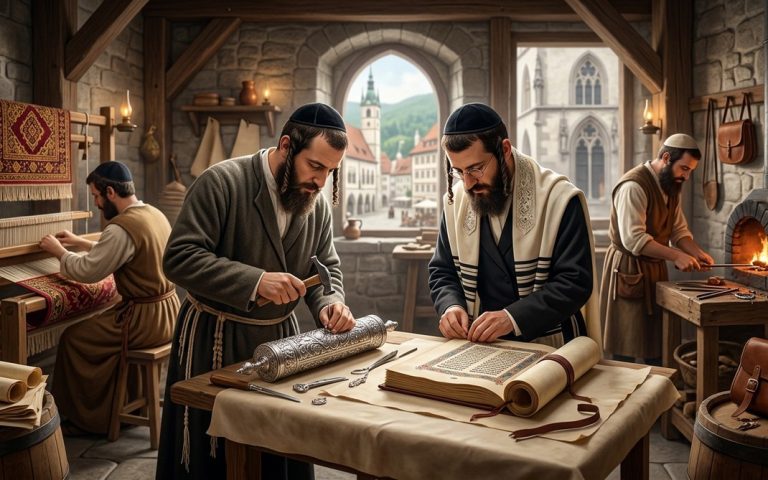
    Jewish calligraphy illuminated manuscripts stand as a testament to centuries of devotion, artistry, and cultural identity. These beautifully crafted texts offer a window into the spiritual and artistic lives of Jewish communities across history. From intricate lettering to vibrant decorations, each manuscript tells a story far beyond the words inscribed. For historians, art students, and scholars, exploring these illuminated texts unlocks a deeper understanding of Jewish heritage and medieval artistry.

    The significance of Jewish calligraphy in history

    Jewish calligraphy has played a vital role in preserving religious traditions and cultural identity. The art form developed alongside the evolution of Jewish liturgical practices, with scribes meticulously copying sacred texts by hand. Illuminated manuscripts elevated these texts beyond mere words, transforming them into visual masterpieces filled with symbolism and beauty.

    Throughout history, Jewish communities across Europe, the Middle East, and North Africa produced illuminated manuscripts that reflected local styles and materials. These works served not only as religious texts but also as cultural artifacts, illustrating the society’s artistic values and craftsmanship.

    The artistry behind illuminated Jewish manuscripts

    Creating a Jewish illuminated manuscript involves a complex process that combines calligraphy, illustration, and decoration. Skilled scribes, often trained in religious institutions or guilds, carefully copied texts while artists added decorative elements. These elements include ornate initial letters, floral motifs, geometric patterns, and symbolic icons.

    The materials used in manuscript production varied by region and era. Parchment or vellum served as the writing surface, while natural pigments and gold leaf provided vibrant colors. The use of gold, in particular, highlights the manuscript’s sacred nature and the high level of craftsmanship.

    Techniques used in creating illuminated manuscripts

    Technique Description Common mistakes
    Gold leaf application Applying thin sheets of gold to embellish letters or borders Uneven application, tarnishing over time
    Calligraphic lettering Using specific scripts like Sephardic or Ashkenazi styles Inconsistent letter forms, smudging
    Miniature illustration Small, detailed images complementing text Overcrowding, loss of detail
    Marginal decoration Ornamental designs in margins Cluttered or unbalanced designs

    These techniques required precision and patience. Artisans often trained for years to master the artistry needed for these manuscripts.

    How illumination enhances the text

    Illumination transforms a plain manuscript into a visual celebration. It emphasizes important sections, such as the beginning of a prayer or holiday. Gold and vivid colors draw the reader’s eye, making the reading experience more engaging and meaningful.

    The cultural context of Jewish illuminated manuscripts

    Jewish illuminated manuscripts reflect the cultural diversity of Jewish communities. For example, manuscripts from Spain display Moorish influences, with intricate arabesque patterns. In Eastern Europe, the style tends to be more austere, focusing on the purity of script and minimal decoration.

    These texts also served as educational tools. Children and learners studied illuminated manuscripts to understand religious laws, history, and traditions. The artistry made these lessons memorable and inspiring, ensuring cultural continuity.

    Practical steps to appreciating and studying illuminated manuscripts

    1. Examine the script carefully. Notice the style, spacing, and ornamentation. Different regions favored specific scripts, revealing geographical origins.
    2. Identify the decorative elements. Look for motifs, colors, and use of gold. These features convey symbolic meanings.
    3. Research the historical context. Understand the manuscript’s origin, purpose, and the community that created it.

    Analyzing techniques and common errors

    A helpful way to study illuminated manuscripts is to compare techniques with typical mistakes. For example, uneven application of gold leaf might indicate rushed work or limited resources. Recognizing these details provides insight into the artisans’ skill levels and the manuscript’s provenance.

    Preserving and appreciating Jewish illuminated manuscripts today

    Many Jewish illuminated manuscripts are preserved in museums and private collections. Conservation involves controlling light, humidity, and handling to prevent deterioration. Digital reproductions allow wider access, enabling scholars and enthusiasts to study these works without risking damage.

    Expert advice on handling manuscripts

    “When examining illuminated manuscripts, always handle them with gloves and avoid direct light. Digital copies can provide detailed views of the artistry without risking harm to the originals,” recommends a renowned conservator.

    How to incorporate illuminated manuscripts into modern learning

    Art students can study these manuscripts to understand historical techniques and styles. Scholars may analyze symbolism or compare regional differences. History enthusiasts can appreciate how these texts connect religious practice with artistic expression.

    The influence of Jewish calligraphy and illumination on broader art movements

    Jewish manuscript art has influenced many artistic movements in Europe and beyond. The emphasis on intricate detail and symbolism entered broader artistic discourses. Modern Jewish artists often draw inspiration from these historic works, blending traditional styles with contemporary themes.

    Final thoughts: keeping the tradition alive

    Jewish calligraphy illuminated manuscripts serve as enduring symbols of faith, artistry, and cultural resilience. By studying and preserving these texts, we maintain a vital part of Jewish heritage and contribute to the ongoing dialogue between tradition and innovation. Whether you are an artist, historian, or enthusiast, engaging with these manuscripts offers a meaningful connection to centuries of artistic devotion.

    A personal approach to appreciating Jewish illuminated texts

    Start by visiting libraries or museums that house such manuscripts. Take time to observe their details and learn about their origins. Consider trying your hand at calligraphy or illumination, following traditional techniques. Sharing this knowledge helps keep the craft alive for future generations.


    This journey into Jewish calligraphy illuminated manuscripts reveals the depth of artistry and cultural importance behind each page. By appreciating the meticulous work of past artisans, you connect with a centuries-old tradition that continues to inspire. Embrace the opportunity to learn more about these exquisite texts and perhaps even contribute to their preservation.