Jewish and Slovenian cuisines each have rich histories, unique ingredients, and comforting flavors. Merging these culinary traditions offers a wonderful way to celebrate cultural diversity and create new, delicious dishes. Whether you are a food enthusiast, a cultural researcher, or someone interested in culinary fusion, understanding how to incorporate Jewish food practices into Slovenian cuisine can deepen your appreciation for both traditions. This guide will walk you through practical steps, key techniques, and inspiring ideas to craft dishes that honor both heritages naturally and harmoniously.
Blending Jewish food practices with Slovenian cuisine involves understanding cultural roots, using local ingredients, adapting traditional techniques, and embracing regional flavors. Practical steps include researching customs, sourcing ingredients, and experimenting with recipes. The result is a rich, authentic culinary experience that celebrates both heritages while creating new favorites. With thoughtful integration, you can craft dishes that resonate with history and taste, fostering cultural appreciation through food.
Understanding the Foundations of Jewish Food Practices
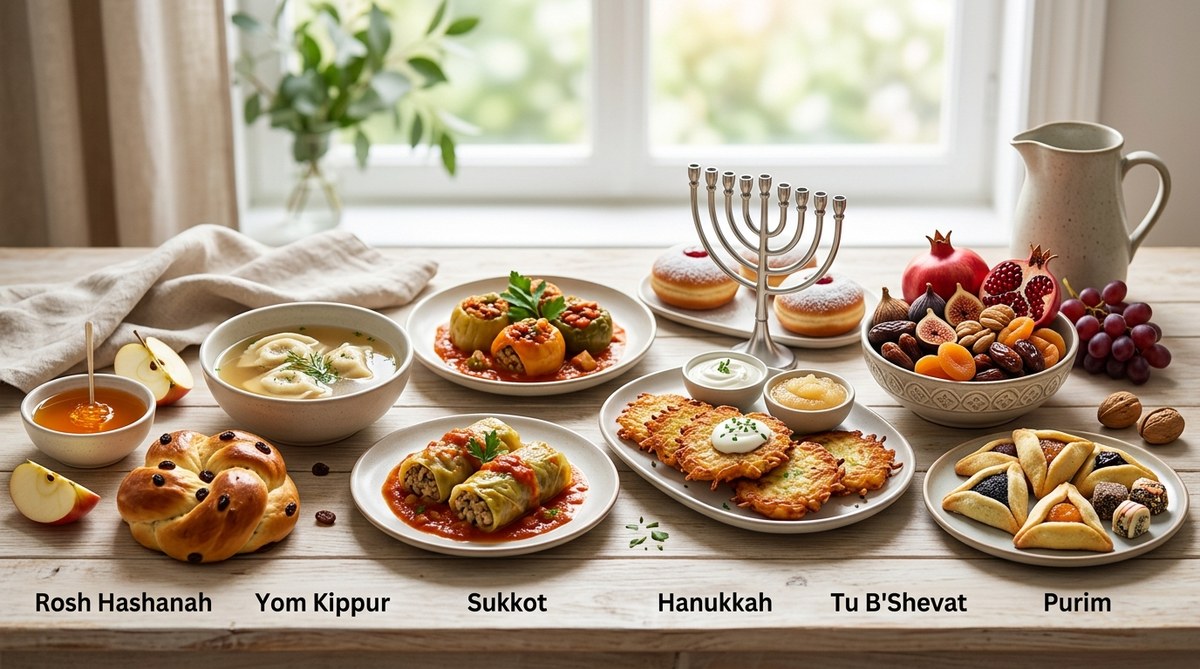
Jewish culinary traditions are deeply rooted in religious laws, cultural history, and regional influences. Dietary laws like keeping kosher shape meal preparation and ingredient choices. Key practices include separating milk and meat, avoiding chametz during Passover, and emphasizing certain foods during holidays. Slovenian cuisine, on the other hand, is characterized by hearty stews, fresh dairy, and seasonal ingredients like mushrooms, buckwheat, and herbs. Recognizing these core principles is essential when blending culinary traditions.
Practical Steps to Incorporate Jewish Food Practices into Slovenian Dishes
-
Research and Respect Cultural Foundations
Understanding the significance of Jewish dietary laws and holiday foods provides a foundation for authentic fusion. Learning about the symbols and rituals connected to each holiday can inspire meaningful adaptations. For example, during Passover, replacing chametz with gluten-free Slovenian grains like buckwheat or millet respects the tradition while accommodating local ingredients. -
Source and Adapt Ingredients Thoughtfully
Utilize regional Slovenian ingredients to create Jewish-inspired dishes. Incorporate local herbs, vegetables, and grains into traditional recipes. For instance, replace imported spices with Slovenian herbs like lovage or wild garlic when preparing Jewish dishes like cholent or kugel. Importantly, sourcing kosher products or preparing kosher-style meals with local ingredients can make the experience authentic without extensive importation. -
Experiment with Techniques and Recipes
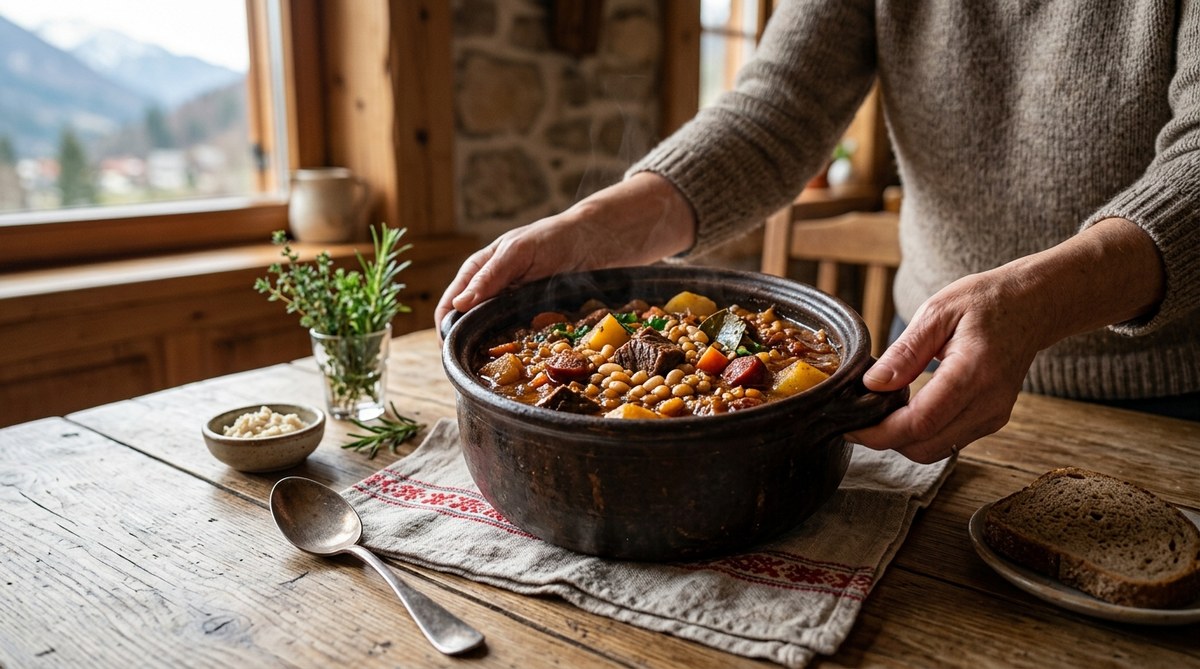
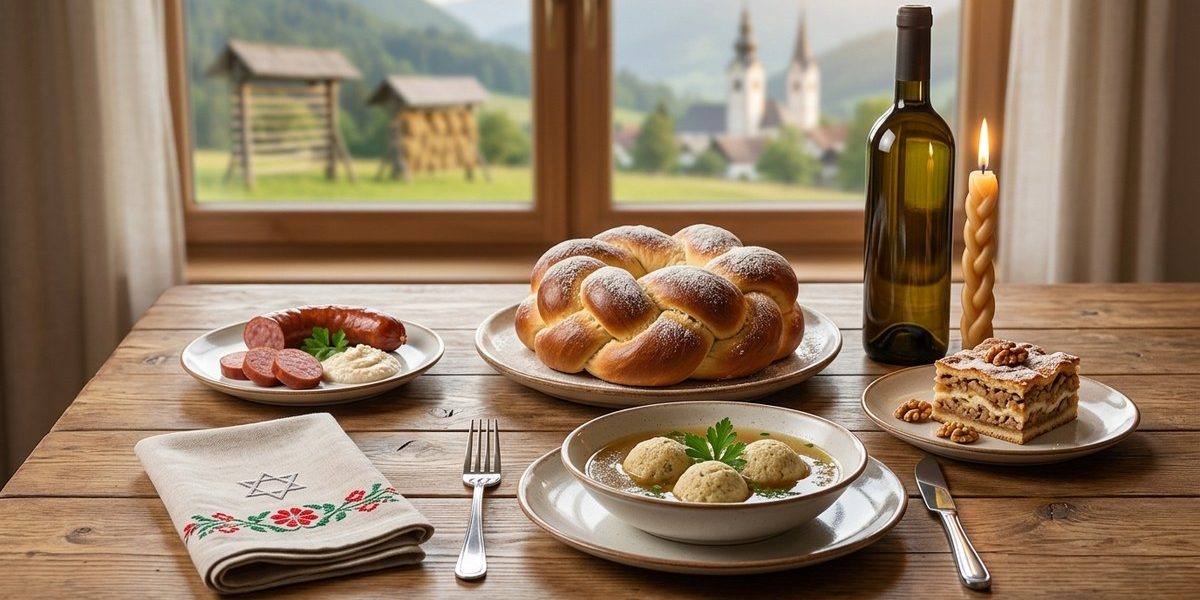
Combine Jewish cooking techniques with Slovenian flavors. Slow-cooking stews, which are common in Jewish cuisine, can be adapted using Slovenian ingredients like sausage or smoked meats. Baking challah with Slovenian flour and local nuts adds regional flair. Keep in mind that some methods, like kosher slaughter or specific food separation, may be difficult locally but can be symbolically respected through mindful preparation.
Harmonizing Culinary Traditions for a Unique Fusion
- Incorporate Jewish holiday foods into Slovenian celebrations such as adding honey and apples to Slovenian desserts for Rosh Hashanah or making Slovenian-style latkes with local potatoes and herbs.
- Create regional versions of Jewish classics such as replacing traditional brisket with Slovenian beef or using buckwheat in kugel.
- Celebrate Jewish festivals with Slovenian ingredients by preparing Sukkot salads with seasonal vegetables or making Passover matzo ball soup with Slovenian chicken and herbs.
Key Techniques and Common Mistakes
| Technique | Description | Mistake to Avoid |
|---|---|---|
| Using local herbs | Replacing traditional spices with Slovenian herbs enhances regional flavor | Overpowering dishes with too many herbs or using unfamiliar ones without testing |
| Ingredient substitution | Swapping imported ingredients with regional produce | Using incompatible substitutes that alter the dish’s essence |
| Respectful adaptation | Adjusting recipes to honor traditions while incorporating local flavors | Ignoring dietary laws or cultural significance of certain ingredients |
“Balancing authenticity with regional ingredients requires sensitivity. Focus on the spirit of the dish rather than strict adherence, and your culinary fusion will resonate.” — culinary historian
Practical Ideas for Bringing Jewish and Slovenian Flavors Together
- Prepare a Slovenian-inspired brisket braised with local red wine and herbs.
- Make a buckwheat kugel flavored with Slovenian wild garlic and cottage cheese.
- Serve Slovenian mushroom soup alongside traditional Jewish challah during a holiday meal.
- Create a festive Passover menu featuring Slovenian ingredients like polenta and local cheeses.
- Incorporate Jewish holiday symbols, like pomegranate or honey, into Slovenian desserts such as potica or apple strudel.
Regional Adaptations and Their Significance
Adapting Jewish dishes with Slovenian ingredients not only respects local tastes but also highlights regional culinary identity. This approach fosters a sense of connection between traditions and communities. For example, Slovenian Jews might prepare a variant of cholent using Slovenian sausage and root vegetables, turning a slow-cooked Shabbat staple into a regional comfort food. Such adaptations make the cuisine more accessible and meaningful for local families.
Building a Shared Culinary Heritage
Cooking together can be a powerful way to strengthen community ties and preserve traditions. Hosting cooking classes, communal dinners, or interfaith food festivals highlights regional flavors while honoring Jewish practices. These events serve as a bridge, fostering understanding and appreciation across cultures.
Preserving and Innovating Through Culinary Heritage
Document recipes, stories, and techniques to keep both traditions alive. Use photographs, written notes, or digital media to share family recipes and regional adaptations. Avoid rushing the process; instead, focus on capturing the essence of each dish and its cultural background.
| Technique | Mistakes to Avoid |
|---|---|
| Incorporating local ingredients | Using ingredients without considering their flavor profile or dietary laws |
| Adjusting recipes | Altering traditional recipes too much, losing their cultural significance |
| Sharing stories | Failing to record or pass down the cultural context behind dishes |
Final Flavorful Fusion
Incorporating Jewish food practices into Slovenian cuisine opens a path to creating meaningful, delicious dishes that honor both heritages. It involves understanding traditions, sourcing regional ingredients, respecting cultural significance, and experimenting with techniques. By doing so, you craft meals that are not only tasty but also rich in history and community spirit. These culinary endeavors can serve as bridges, bringing people together through shared tastes and stories.
A Warm Invitation to Your Culinary Journey
Try combining Jewish and Slovenian flavors in your kitchen today. Whether it’s a holiday celebration or a simple family dinner, your creative efforts can honor your roots and introduce others to the beauty of cultural fusion. Cooking with intention and respect turns every meal into a story worth sharing. Embrace the regional ingredients, respect traditions, and enjoy the delicious results that come from blending these two wonderful cuisines.