Jewish communities around the world mark Sukkot as a vibrant celebration of gratitude, history, and community. In Slovenia, this holiday carries special significance, connecting centuries of tradition with the modern-day Jewish experience. As the harvest festival and a time of reflection, Sukkot in Slovenia blossoms with unique customs, communal gatherings, and meaningful symbols. Understanding how Slovenian Jews observe Sukkot offers a glimpse into their spiritual life and cultural resilience.
Sukkot in Slovenia blends ancient traditions with contemporary celebrations, emphasizing community, gratitude, and cultural preservation. The holiday involves building sukkahs, sharing festive meals, and deepening spiritual connections within the Slovenian Jewish community. It stands as a testament to resilience and faith, enriching Slovenia’s diverse cultural landscape.
The Roots and Meaning of Sukkot in Slovenia
Sukkot, also known as the Feast of Tabernacles, is one of the oldest Jewish holidays. It commemorates the Israelites’ wandering in the desert after their exodus from Egypt. For Slovenian Jews, Sukkot underscores themes of survival, gratitude, and divine protection. The holiday also celebrates the harvest season, aligning with Slovenia’s rich agricultural history.
In Slovenia, the observance of Sukkot is rooted in centuries of tradition. Historical records indicate that Jewish communities in Ljubljana and other towns built sukkahs, or temporary booths, as part of their religious practice. These structures symbolize the fragile dwellings used by the Israelites and serve as a reminder of divine shelter through life’s uncertainties.
How Sukkot Is Celebrated in Slovenia Today
Modern Slovenian Jewish communities celebrate Sukkot with a mix of traditional and local customs. The core practices remain consistent with Jewish law, but they are infused with Slovenian cultural elements. Here’s how the holiday unfolds in Slovenia:
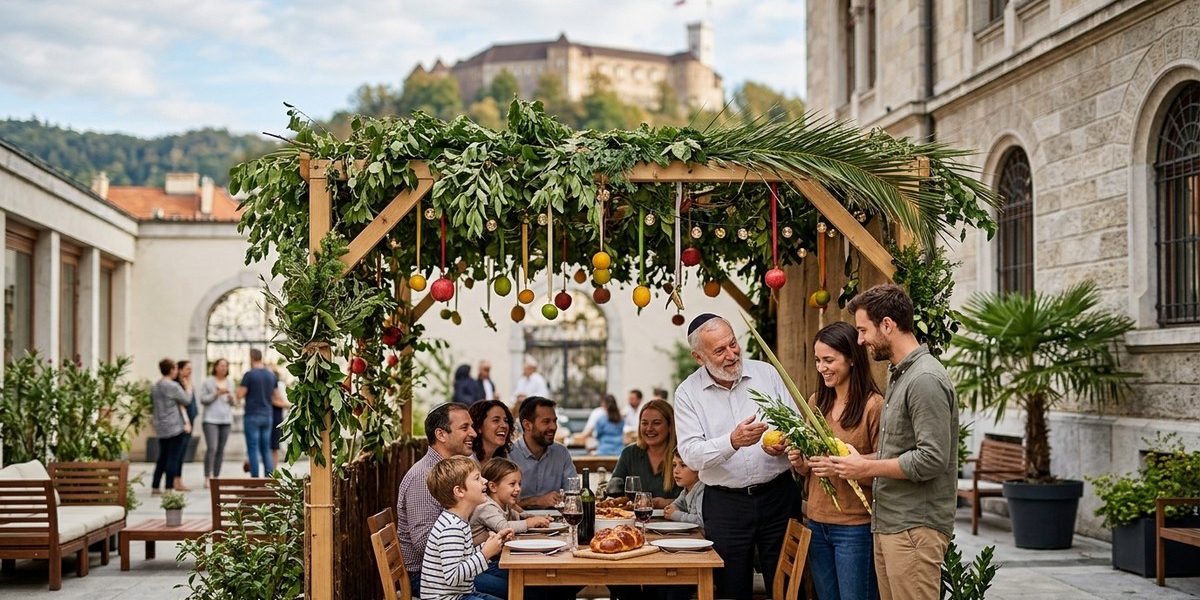
- Building sukkahs in backyards, community gardens, or synagogues
- Decorating the sukkah with natural materials like branches, fruits, and flowers
- Sharing festive meals inside the sukkah, including traditional dishes and local flavors
- Reciting special prayers and singing hymns that emphasize gratitude and divine protection
- Inviting friends, neighbors, and community members for the festive meals and gatherings
These celebrations often extend over the seven days of Sukkot, culminating in Shemini Atzeret and Simchat Torah, when the community rejoices with dancing and Torah readings.
Practical Steps for Celebrating Sukkot in Slovenia
If you wish to participate in Sukkot or bring its spirit into your life, here are some practical steps tailored for Slovenian residents or those interested in the tradition:
- Construct a sukkah: Use wooden frames, branches, and fabric to create a shelter that meets Jewish requirements. Incorporate Slovenian natural elements like local flowers or fruits to personalize it.
- Decorate with locally sourced items: Hang fruits, nuts, or herbs from Slovenian forests and orchards inside the sukkah.
- Share meals: Prepare traditional Jewish dishes such as stuffed vegetables or brisket, adding Slovenian ingredients like wild herbs or local vegetables.
- Participate in community events: Join your local synagogue or Jewish community center for communal sukkah building, prayer, and celebrations.
- Reflect and learn: Use this time to study the significance of Sukkot through texts or stories shared by Slovenian Jewish elders.
Techniques and Mistakes in Building a Sukkah
| Technique | Mistake to Avoid |
|---|---|
| Using sturdy, weather-resistant materials | Not securing the structure properly, risking collapse |
| Ensuring the roof (schach) allows enough sunlight but provides shade | Covering the roof too tightly, blocking light and air |
| Decorating with natural, Slovenian materials | Using artificial or non-perishable items that don’t reflect the holiday’s spirit |
| Placing the sukkah in a safe, accessible location | Positioning it where it might be disturbed or unsafe |
“Building a sukkah is more than construction; it’s about creating a space for gratitude, community, and reflection. Use natural Slovenian elements to connect the tradition with local surroundings,” advises Rabbi Marko from Ljubljana’s Jewish community.
Significance of Sukkot for Slovenia’s Jewish Identity
For Slovenian Jews, Sukkot embodies resilience and hope. It signifies their enduring presence in the country despite historical upheavals. The holiday serves as a reminder of communal bonds and the importance of maintaining cultural heritage.
Throughout Slovenia, efforts to preserve and revitalize Sukkot celebrations demonstrate the community’s dedication. Synagogues and Jewish organizations often host outdoor sukkah-building projects and educational programs to engage younger generations.
Connecting Past and Present in Slovenian Sukkot Celebrations
Many Slovenian Jewish families keep alive their ancestors’ customs, adapting them to modern life. Some incorporate Slovenian folk songs into Sukkot hymns or prepare traditional Slovenian holiday foods during the sukkah festivities.
Community-led initiatives aim to involve non-Jewish neighbors in the celebrations, fostering understanding and friendship. These efforts exemplify how Sukkot continues to be a bridge between generations and cultures.
Final Thoughts on Sukkot in Slovenia
As a holiday rooted in history, faith, and community, Sukkot in Slovenia offers a meaningful occasion for reflection and connection. Whether you are part of the Slovenian Jewish community or simply interested in its traditions, participating in Sukkot activities provides insight into resilience and gratitude. Building a sukkah, sharing meals, and learning about its significance can deepen your appreciation for this ancient festival.
Remember, celebrating Sukkot is not limited to religious practice. It is an opportunity to embrace community spirit, foster cultural understanding, and reflect on life’s blessings. Consider how you can incorporate its messages into your own life, regardless of your background.
Embracing the Spirit of Sukkot All Year Round
Sukkot teaches us to appreciate the temporary and the divine protection that sustains us. As Slovenian Jews do during their festive week, we can practice gratitude, community bonding, and respect for nature in our daily routines. Building a simple sukkah or sharing a meal with loved ones can be a small but meaningful way to keep the holiday’s spirit alive beyond its designated days.
May your journey into understanding Sukkot in Slovenia inspire you to create spaces of warmth, reflection, and community wherever you are.