Jewish merchants have long played a significant role in the development of trade and economic life across Europe. In Slovenia, their influence stretches back centuries, weaving into the fabric of local history and culture. Their entrepreneurial spirit, resilience, and contributions helped shape trade routes, fostered cultural exchange, and left a lasting legacy that remains evident today. Exploring the story of Jewish merchants in Slovenian trade history reveals a fascinating chapter of resilience, innovation, and cultural integration.
Jewish merchants significantly contributed to Slovenian trade from medieval times through modern periods, influencing commerce, fostering cultural exchange, and establishing a lasting legacy in Slovenian society and beyond.
The roots of Jewish presence in Slovenian trade
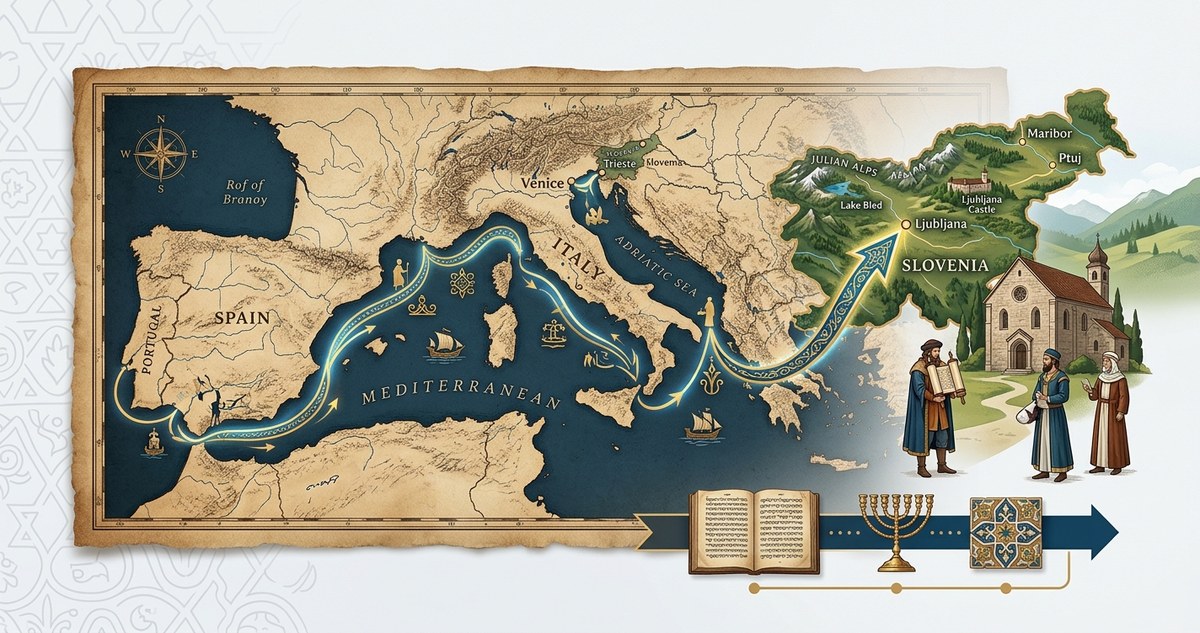
Jewish communities first arrived in Slovenian lands during the medieval period, often through trade routes connecting Central Europe with the Mediterranean. Their geographic position made Slovenian towns like Ljubljana, Maribor, and Ptuj natural hubs for merchants and traders. Jewish merchants brought with them a wealth of knowledge in commerce, finance, and craftsmanship. Their presence was not merely transient; they established vibrant communities, often centered around synagogues, cemeteries, and marketplaces.
Historical records indicate that Jewish merchants engaged in a range of trades, from textiles and spices to precious metals and textiles. Their networks extended across the Habsburg Empire and beyond, which helped integrate Slovenian markets into wider European trade systems. Their entrepreneurial efforts contributed to the economic vitality of Slovenian towns, laying foundations for future generations.
How Jewish merchants influenced trade and cultural exchange in Slovenia
Jewish merchants did more than just trade goods. Their interactions fostered cultural exchange, innovation, and social integration. They introduced new products, business practices, and ideas that enriched Slovenian markets. For example, Jewish traders often acted as intermediaries, connecting local producers with international markets.
In towns like Ljubljana, the Jewish community played a role in developing local crafts and industries. They helped establish credit systems and banking practices that supported local businesses. Their involvement in commerce often led to the blending of cultural traditions, seen in the culinary, artistic, and social life of Slovenian towns.
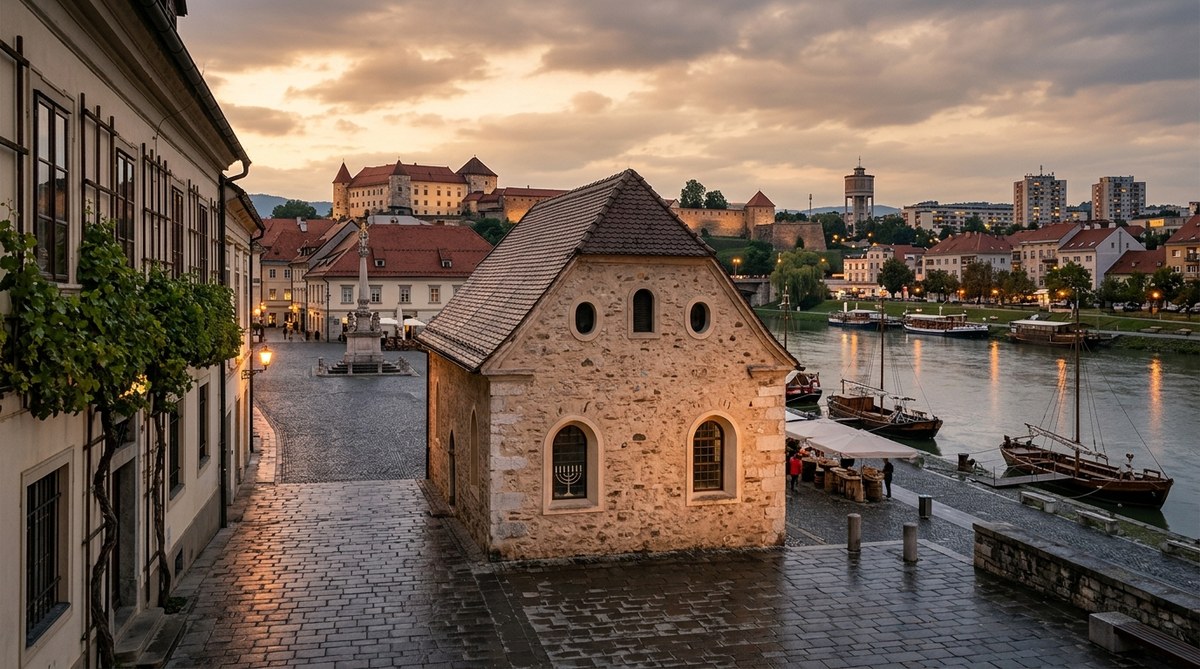
The presence of Jewish merchants also contributed to the multicultural tapestry of Slovenia. While facing periods of restrictions and expulsions, their resilience allowed them to adapt and continue contributing to Slovenian trade and society. Their influence can still be seen in local architecture, place names, and cultural traditions.
Practical steps to understanding and supporting Jewish heritage in Slovenian trade history
- Conduct thorough research using historical documents, archaeological findings, and oral histories to document Jewish merchant activities.
- Promote awareness and preservation of Jewish trade sites, such as old marketplaces, synagogues, and cemeteries.
- Foster intercultural dialogue by organizing public exhibitions, educational programs, and cultural events highlighting Jewish contributions.
Techniques for preserving Jewish trade heritage and common mistakes
| Techniques | Common Mistakes |
|---|---|
| Restoring historic marketplaces and merchant buildings | Neglecting the original architectural style or historical context |
| Documenting oral histories of local Jewish families | Overlooking marginalized voices or incomplete narratives |
| Promoting cultural festivals celebrating Jewish trade history | Commercializing traditions without respecting their significance |
| Supporting archaeological excavations of trade routes | Damaging sites or failing to involve local communities |
Expert advice: “Preserving Jewish trade heritage in Slovenia requires a careful balance of archaeological conservation, community engagement, and respectful storytelling. It is vital to honor the historical context and ensure that future generations understand the enduring legacy of these merchants.”
Challenges faced by Jewish merchants and how they left a legacy
Throughout history, Jewish merchants in Slovenia faced numerous hardships, including expulsions, restrictions, and the devastations of war. The expulsion of Jews from Slovenian lands in the 16th century and the devastation during the Holocaust deeply affected their communities. Yet, their resilience and adaptability allowed many to rebuild and continue their trade activities elsewhere.
Their legacy endures through the physical remnants of their work—buildings, documents, and artifacts—as well as through the stories of families who carried their traditions forward. Today, efforts to recognize and honor this heritage include preservation projects, educational initiatives, and cultural programs.
How to keep the legacy alive and honor Jewish trade contributions
- Support local museums and cultural centers that showcase Jewish trade history.
- Participate in heritage walks and archaeological tours highlighting Jewish trade sites.
- Educate future generations about the role of Jewish merchants in Slovenian economic development.
- Celebrate Jewish festivals and events that highlight their cultural and commercial contributions.
Jewish trade influence in contemporary Slovenia
Modern Slovenian society continues to carry the imprint of its diverse historical influences. While the Jewish population faced significant declines during the 20th century, their contributions in commerce, finance, and culture remain part of the national narrative. Contemporary initiatives focus on remembrance, education, and cultural preservation.
Efforts include documenting stories of Jewish merchants, restoring historic sites, and fostering intercultural dialogue. These activities help ensure that the legacy of Jewish merchants in Slovenian trade history remains a vibrant part of the country’s cultural heritage.
The importance of recognizing Jewish merchants’ role in Slovenian history
Understanding the history of Jewish merchants in Slovenian trade enriches our appreciation of regional development. It highlights how diverse communities contribute to economic vitality and cultural richness. Remembering their resilience and achievements offers inspiration for future generations to value diversity and heritage.
Their story reminds us that even in the face of adversity, entrepreneurial spirit and cultural exchange can create lasting legacies. Supporting preservation and education efforts ensures that these stories continue to inspire and inform.
Preserving the past for future generations
Maintaining awareness of Jewish merchants’ contributions involves active preservation, community involvement, and education. By supporting local organizations and participating in heritage initiatives, individuals can help keep this important history alive.
Celebrating Jewish trade history in Slovenia not only honors past achievements but also promotes a more inclusive understanding of the region’s diverse cultural fabric. Encouraging dialogue and remembrance strengthens community bonds and enriches Slovenian cultural identity.
Final thoughts on the enduring legacy of Jewish merchants in Slovenian trade
Jewish merchants have significantly shaped the economic and cultural landscape of Slovenia over centuries. Their resilience, innovation, and dedication helped forge trade networks that connected Slovenia to broader European markets. Today, their legacy continues to inspire efforts to preserve historic sites, tell their stories, and foster intercultural understanding.
By recognizing the importance of this heritage, we honor those who contributed to the region’s development and ensure that their stories remain a vital part of Slovenian history. Supporting preservation and education initiatives can help future generations appreciate the diverse roots of Slovenian commerce.
Remember that understanding and supporting Jewish trade heritage in Slovenia offers a richer, more nuanced view of regional history. Whether through visiting historic sites, participating in cultural events, or learning about families’ stories, each step helps keep this important legacy alive.