Slovenia holds more Jewish history than its famous Ljubljana synagogue. From Maribor’s medieval Jewish quarter to the forgotten cemetery in Ptuj, these sites offer deep connections for travelers in 2026. This guide gives you step-by-step planning, practical tips, and links to local experts so you can visit respectfully and meaningfully. Avoid the crowds and find the stories.
Many visitors to Slovenia spend time at Lake Bled and Ljubljana’s main square, never knowing that beneath the cobblestones lies a rich Jewish past stretching back to the 13th century. The country’s Jewish population never topped a few thousand, but their influence on trade, architecture, and culture left permanent marks. For the culturally curious traveler or genealogist in 2026, seeking out these lesser-known sites offers a more intimate way to connect with history than any crowded museum.
If you are tracing a family name or simply want to understand how Jewish life thrived in Central Europe before the Holocaust, Slovenia’s hidden heritage sites are a rewarding destination. The challenge is knowing where to go and how to access them. Many sites are unmarked, some are overgrown, and others require advance permission to enter. This guide will walk you through the process.
Why Seek Out Slovenia’s Lesser-Known Jewish Sites?
The main Jewish heritage stops in Slovenia are well documented: the restored synagogue in Ljubljana’s city center (now a cultural center) and the memorials in Maribor. But the real magic happens when you step away from the tourist trails. In small towns like Ptuj, Radovljica, and Murska Sobota, you can find remnants of Jewish quarters, faded inscriptions on doorways, and cemeteries that hold centuries of stories. For genealogists, these places are gold mines. A tombstone in an overgrown corner might hold the birth date of a great-grandparent.
These sites also show how Jewish communities adapted and contributed before the devastations of the 16th century expulsions and the 20th century Holocaust. Visiting them is an act of preservation. Every traveler who walks those grounds helps keep the memory alive.
Planning Your Visit: A Step-by-Step Approach
For a trip in 2026, here is a practical process to make your journey smooth and respectful.
-
Research the specific sites you want to see. Start with the list below. Then use Jewish heritage databases (like the one at the European Jewish Heritage site) to confirm addresses and opening hours. Many sites have no official website. In that case, contact local tourist offices via email. They often have volunteers who can open a locked gate.
-
Choose a base city. Ljubljana is the obvious hub. It is central and has the best train and bus connections. Rent a car if you want to reach remote cemeteries. Driving in Slovenia is easy and roads are well maintained.
-
Arrange guided access where needed. The Jewish cemetery in Rožna Dolina (near Nova Gorica) requires a key from the local history museum. The synagogue in Maribor is now a museum with visiting hours, but the surrounding medieval Jewish quarter is best explored with a local guide. Book a tour at least two weeks ahead, especially in summer.
-
Check for 2026 commemorations and events. The European Days of Jewish Culture usually take place in early September. In 2026, Maribor and Ljubljana will likely host guided walks, lectures, and concerts. These events often provide access to spaces that are closed the rest of the year. Check the official Slovenian tourism site for updates.
-
Pack appropriate materials. Bring a notebook, camera (check rules on photography in cemeteries), comfortable walking shoes, and water. Many sites are in older neighborhoods with uneven terrain. If you are doing genealogical research, bring a list of names and dates you want to cross-check.
Key Heritage Sites to Include on Your 2026 Itinerary
The table below highlights five lesser-known locations that offer rich Jewish history without the crowds.
| Heritage Site | Location | Historical Significance | Best Time to Visit |
|---|---|---|---|
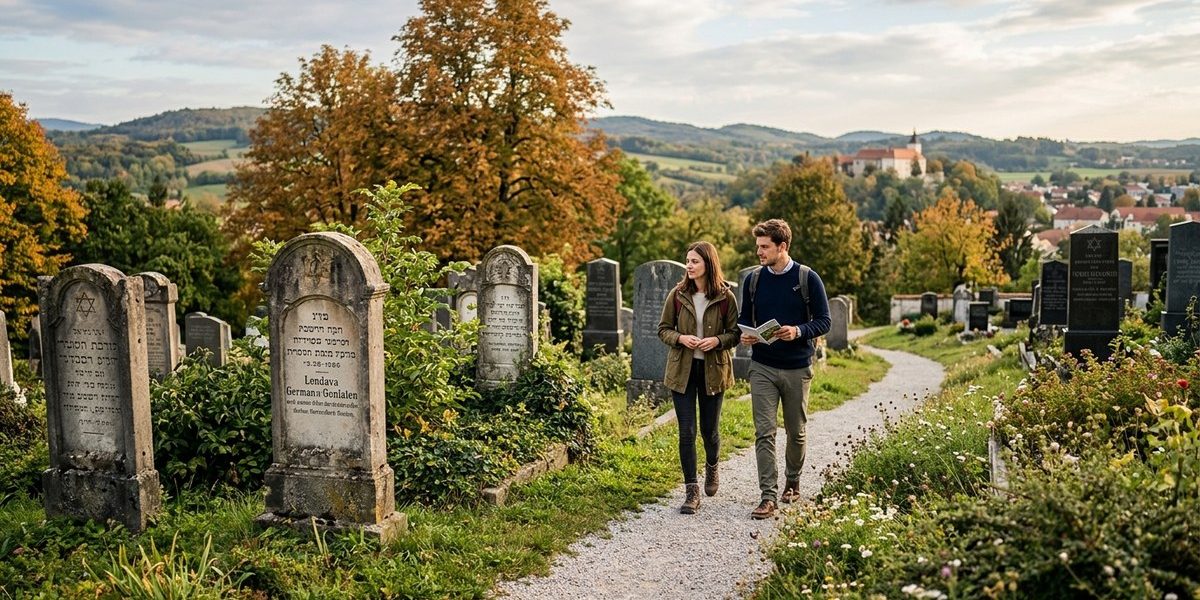
| Old Jewish Cemetery, Ptuj | Ptuj, North-East Slovenia | One of the oldest Jewish burial grounds in Slovenia, with tombstones from the 14th century. Partially restored in 2023. | Spring or early autumn for mild weather. |
| Jewish Quarter of Maribor | Maribor city center (around Židovska ulica) | Medieval Jewish quarter with remnants of the synagogue (now a museum), ritual bath, and school. The area was home to the largest Jewish community in Slovenia until 1496. | Year-round; museum hours vary in winter. |
| Jewish Cemetery in Rožna Dolina | Near Nova Gorica, Western Slovenia | A 19th-century cemetery with over 200 gravestones, including the resting place of notable Jewish families from Trieste and Gorizia. Key required from local museum. | Best in late April through October. |
| Radovljica Jewish Trail | Radovljica, Upper Carniola | A self-guided walking trail past former Jewish homes, a mikveh site, and a memorial plaque. The trail opened in 2019 and is well marked. | Year-round; leaflet available at the tourist office. |
| Murska Sobota Synagogue Memorial | Murska Sobota, Prekmurje | The site of the 19th-century synagogue, destroyed in WWII. Now a memorial park with a sculpture and information panels. A small Jewish museum is nearby. | May to September when the museum is open. |
Practical Tips for a Respectful Visit
Following local customs shows respect for the communities that once lived there. Here are some guidelines:
- Dress modestly when entering any former synagogue or cemetery. Cover your shoulders and knees, even in summer.
- Do not move or touch gravestones. If a stone has fallen, leave it as is and report it to the local Jewish community (contact the Jewish Cultural Center in Ljubljana).
- Ask permission before taking photographs in cemeteries. Some families consider it intrusive. When in doubt, skip the photo.
- Hire a local guide if possible. They can unlock gates, share oral histories, and point out details you would miss alone. For genealogists, guides often know the local archives.
- Carry cash. Many smaller sites accept only euros in cash, and there is no ATM nearby.
“The cemetery in Ptuj holds the key to understanding how Jewish families lived side by side with Christians for centuries. Each stone is a story. When visitors come with respect and curiosity, they become part of the effort to ensure those stories are not forgotten. I always tell people to allow at least two hours there. You will want to read every inscription.”
— Dr. Mateja R. , historian and guide for Jewish Heritage Slovenia
Connecting the Dots: Deeper History for Your Journey
To fully appreciate what you are seeing, it helps to understand the broader timeline of Jewish life in Slovenia. The community thrived during the medieval period, especially in Maribor and Ptuj, where Jewish merchants controlled trade routes along the Drava River. Then came the the great expulsion of 1515, when most Jews were forced out of Slovenian lands. A smaller community returned in the 19th century under the more tolerant rule of the Austrian Empire. This period is often called from emancipation to integration, when Jewish families rebuilt synagogues and schools.
Those 19th-century families included influential figures who shaped modern Slovenia. If you visit Maribor, look for the names of the Stern and Hirsch families. They were industrialists and philanthropists. To learn more, read about 5 influential Slovenian Jewish families who shaped modern Slovenia. Their legacies are visible in the architecture and charitable institutions of the city.
After the Holocaust, the community was nearly erased. Today, preservation efforts are growing. Sites like the Ptuj cemetery are being restored thanks to volunteers and international grants. To understand the challenges of safeguarding these places, see the article about what happened to Slovenia’s Jewish cemeteries? A preservation journey. Many projects rely on visitors who donate time or funds.
For those specifically interested in the town of Ptuj, the archaeological finds there reveal a thriving medieval quarter. The recent discoveries include remains of a synagogue and a ritual bath. You can get a fuller picture by reading rediscovering the Jewish quarter of Ptuj through archaeological finds. That knowledge will make your visit to Ptuj far more meaningful.
Making the Most of Your Trip in 2026
Slovenia is small. You can drive from one Jewish heritage site to another in a few hours. Consider a loop: start in Ljubljana, drive to Ptuj for the cemetery (half a day), then to Maribor for the Jewish quarter (another day), then to Radovljica for the trail (an afternoon), and finally to Murska Sobota if you have time. Each stop offers a different chapter of the same story.
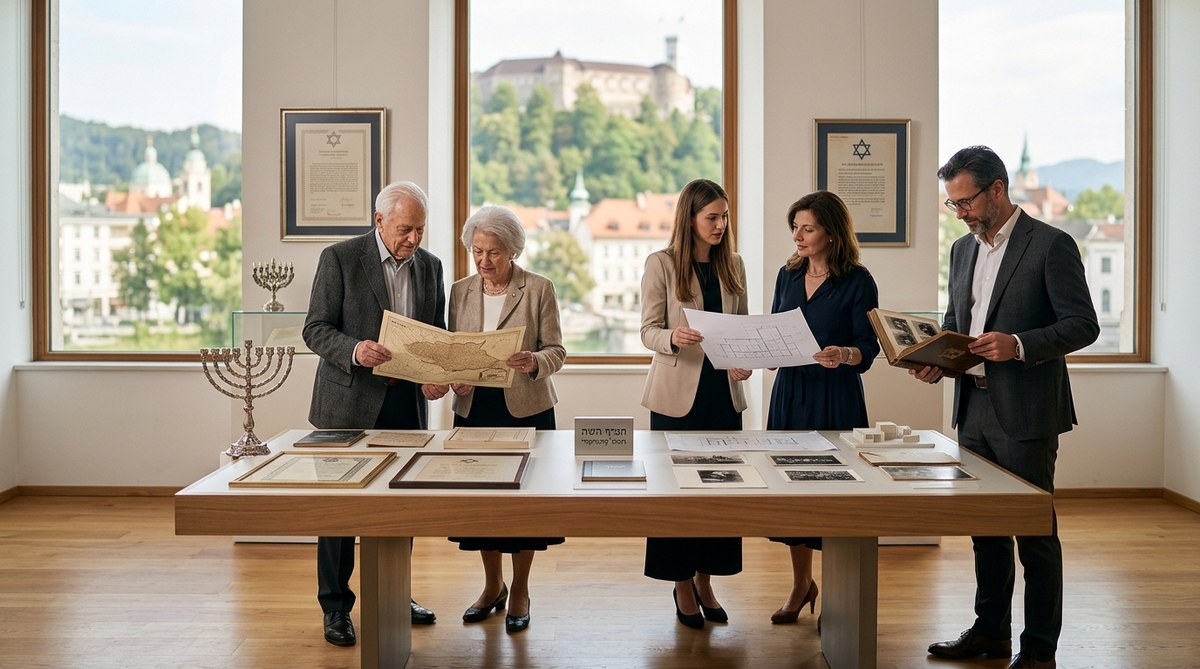
Genealogists should bring a list of surnames and dates. Local archives in Maribor and Ptuj hold birth, marriage, and death records from the 1800s. The staff at the Maribor Regional Archives are helpful, but email them in advance. Expect a response within a week.
For anyone making this journey, the goal is not just to see old stones. It is to connect with the lives of people who chose this land as their home. Their stories are part of the fabric of Slovenia. By visiting these lesser-known sites, you become part of the chain of memory that keeps their voices alive.
Your Next Step: Plan Your Route Today
Start by picking two or three sites from the table above. Contact the relevant tourist offices or the Jewish Cultural Center in Ljubljana for current opening times. Book your accommodations near a base city. Then set aside a few hours at each location to really absorb the atmosphere. If you are a genealogist, bring a notebook and a camera. If you are a cultural traveler, bring an open mind and a willingness to walk slowly. The best discoveries happen when you take the time to read the details on a weathered tombstone or let the silence of an empty synagogue courtyard wash over you.
Slovenia’s Jewish heritage does not shout. It whispers. You just need to be still enough to hear it.