Building bridges between different faiths enriches communities and fosters understanding. In Slovenia, the relationship between Jewish and Buddhist communities exemplifies this harmony. Both groups, rooted in distinct traditions, have found ways to respect and learn from each other. Their interactions highlight the importance of openness, dialogue, and shared human values. As Slovenia continues to embrace diversity, the bond between these communities offers a model for others seeking peaceful coexistence.
How Slovenian Jewish and Buddhist communities develop mutual respect
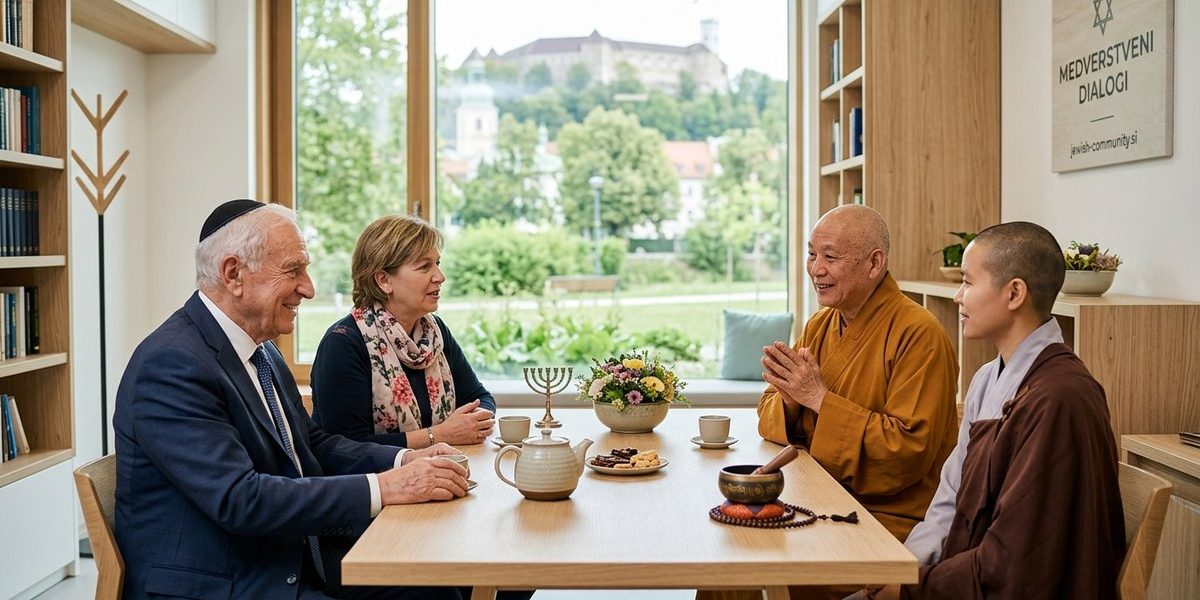
The story of mutual respect between Slovenia’s Jewish and Buddhist communities is one of ongoing dialogue and shared efforts. Both groups emphasize the importance of understanding each other’s traditions and promoting harmony. This relationship has grown over years of collaboration, often through community events, interfaith initiatives, and cultural exchanges.
Foundations of interfaith understanding
Both communities prioritize education and dialogue. They recognize that understanding the roots of each other’s beliefs helps diminish misconceptions. For Slovenian Jews, sharing their history and cultural practices fosters appreciation. Likewise, Buddhist groups often introduce their meditation practices and philosophies, which emphasize compassion and mindfulness.
Practical steps fostering mutual respect
-
Hosting joint cultural events
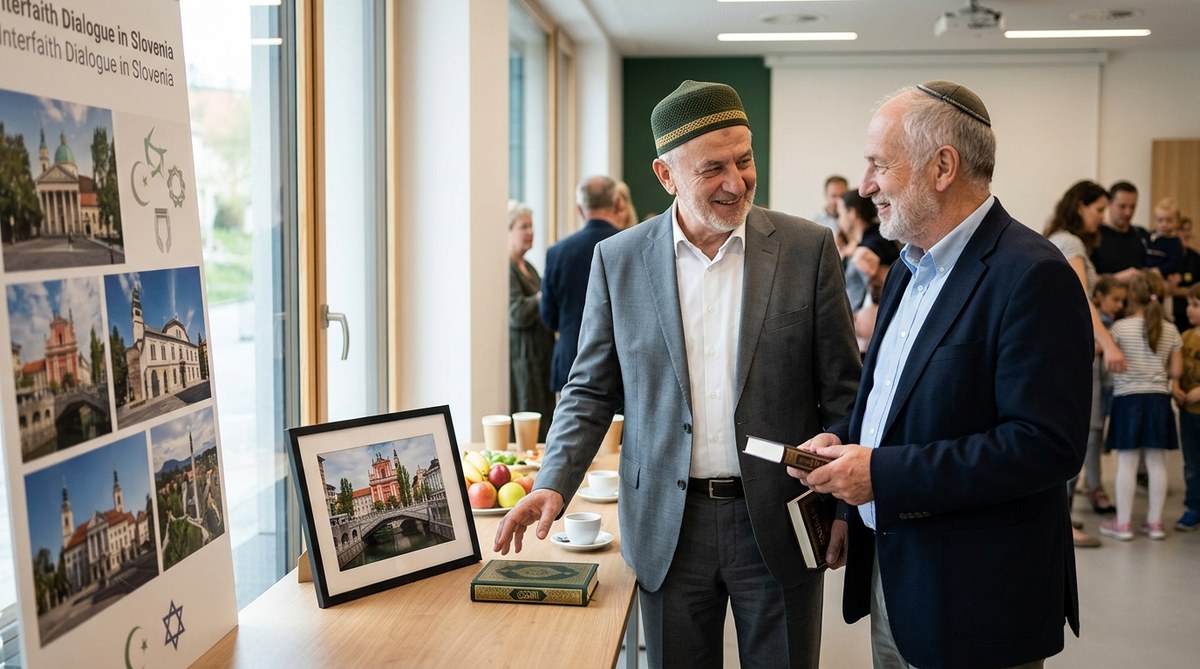
Community celebrations, art exhibitions, and lectures allow members to learn directly about each other’s traditions. For example, Buddhist mindfulness workshops are often paired with Jewish cultural festivals. These events create a space where dialogue naturally occurs. -
Interfaith dialogue sessions
Regular conversations between leaders and members help clarify differences and find common ground. These forums focus on shared values like compassion, peace, and respect for life. They often happen in community centers or religious institutions in Ljubljana and other Slovenian cities. -
Collaborative community projects
Both groups work together on social initiatives, such as charity drives, environmental projects, and educational programs. These activities demonstrate that mutual respect can translate into tangible community benefits.
Techniques that strengthen bonds
| Technique | Purpose | Common mistake |
|---|---|---|
| Shared service projects | Foster teamwork and common purpose | Overlooking cultural sensitivities |
| Celebrating each other’s holidays | Increase understanding and respect | Appropriating traditions without guidance |
| Joint learning groups | Promote continuous dialogue | Ignoring language or cultural barriers |
“Building trust between faith communities requires patience, openness, and a willingness to listen.” — Interfaith relations expert Dr. Lisa Freeman
Overcoming misunderstandings
Misunderstandings can arise when traditions are misunderstood or misrepresented. Both communities actively work to dispel myths through education and respectful conversations. They recognize that genuine respect is built on knowledge and appreciation for differences.
Cultural exchanges and community celebrations
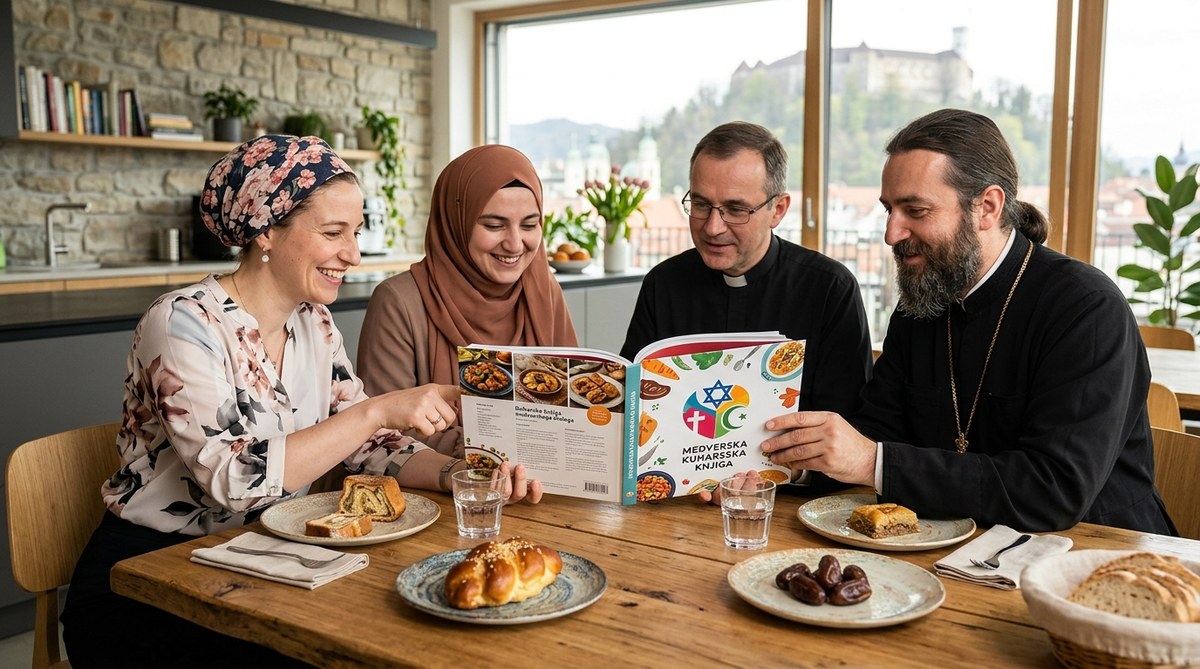
Hosting festivals that highlight both Jewish and Buddhist cultures helps humanize each group. For instance, a combined event featuring Jewish music and Buddhist meditation sessions can foster mutual appreciation. These gatherings often include shared meals, storytelling, and art displays.
Techniques for nurturing mutual respect
Practicing mutual respect involves consistent effort and openness. Here are some effective approaches:
- Listening actively to community members’ stories and experiences.
- Participating in each other’s religious events with respect and curiosity.
- Learning about the historical contexts that shape each tradition.
- Supporting joint initiatives that address social issues like homelessness or environmental conservation.
Common pitfalls to avoid
| Mistake | Explanation | Solution |
|---|---|---|
| Cultural appropriation | Misusing or misrepresenting traditions | Seek guidance and participate respectfully |
| Stereotyping | Relying on assumptions | Engage directly with community members |
| Insensitivity | Ignoring cultural nuances | Educate yourself before participation |
The impact of mutual respect on Slovenian society
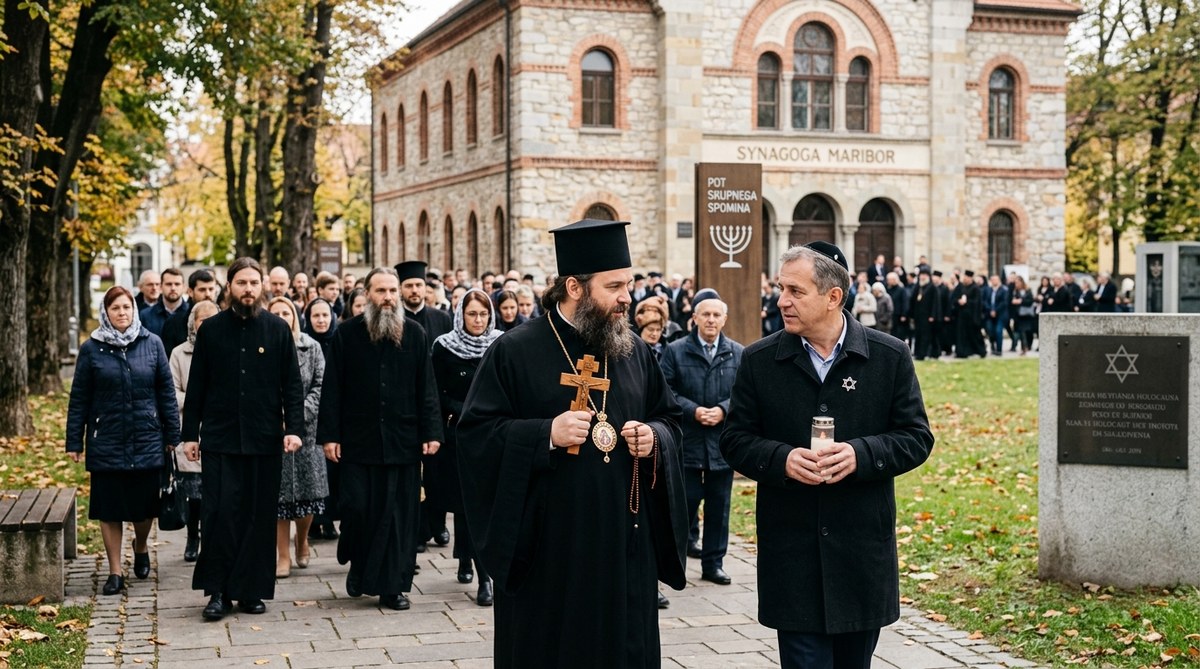
The relationship between Slovenian Jewish and Buddhist communities demonstrates how respect can lead to a more harmonious society. Their collaborations foster a sense of unity and demonstrate that diversity enriches communal life. Such relationships inspire other groups to pursue understanding and cooperation.
“Respect is the foundation of peace. When communities listen and learn from each other, harmony naturally follows.” — Slovenian interfaith leader Ana Novak
This mutual respect also helps combat prejudice and fosters a more inclusive environment. It encourages young people to see diversity as a strength rather than a challenge.
Practical steps to foster mutual respect in your community
If you wish to promote understanding between different faith groups, consider these steps:
- Organize cultural exchange events
- Create interfaith discussion groups
- Support joint community service initiatives
- Educate yourself and others about different traditions
- Celebrate each other’s holidays and milestones
Mistakes to avoid
| Mistake | How to prevent it |
|---|---|
| Ignoring differences | Respectfully acknowledge and learn about them |
| Rushing relationships | Build trust gradually through consistent engagement |
| Lack of inclusivity | Ensure all community members are welcomed |
Building lasting bonds for a harmonious future
The mutual respect cultivated by Slovenian Jewish and Buddhist communities showcases how understanding and kindness can bridge cultural divides. Their efforts prove that listening, learning, and collaborating foster a more peaceful society. For individuals and communities alike, this model offers a practical blueprint for nurturing respect in diverse settings.
Fostering harmony through shared human values
As communities continue to grow more diverse, embracing different perspectives becomes essential. The Slovenian example reminds us that mutual respect is not just about tolerance but about genuinely valuing each other’s unique contributions. By participating in dialogues and joint projects, each person can contribute to a more harmonious society.
Practicing patience and genuine curiosity opens the door to meaningful relationships. Whether through attending cultural events or engaging in community service, taking small steps can lead to profound change. Remember, it is often through shared effort that lasting bonds are formed.
Building mutual respect between faiths requires ongoing commitment. As we look to the future, let the example set by Slovenia’s Jewish and Buddhist communities guide us toward greater understanding and unity. Every effort counts in creating a world where diversity is celebrated and peace prevails.