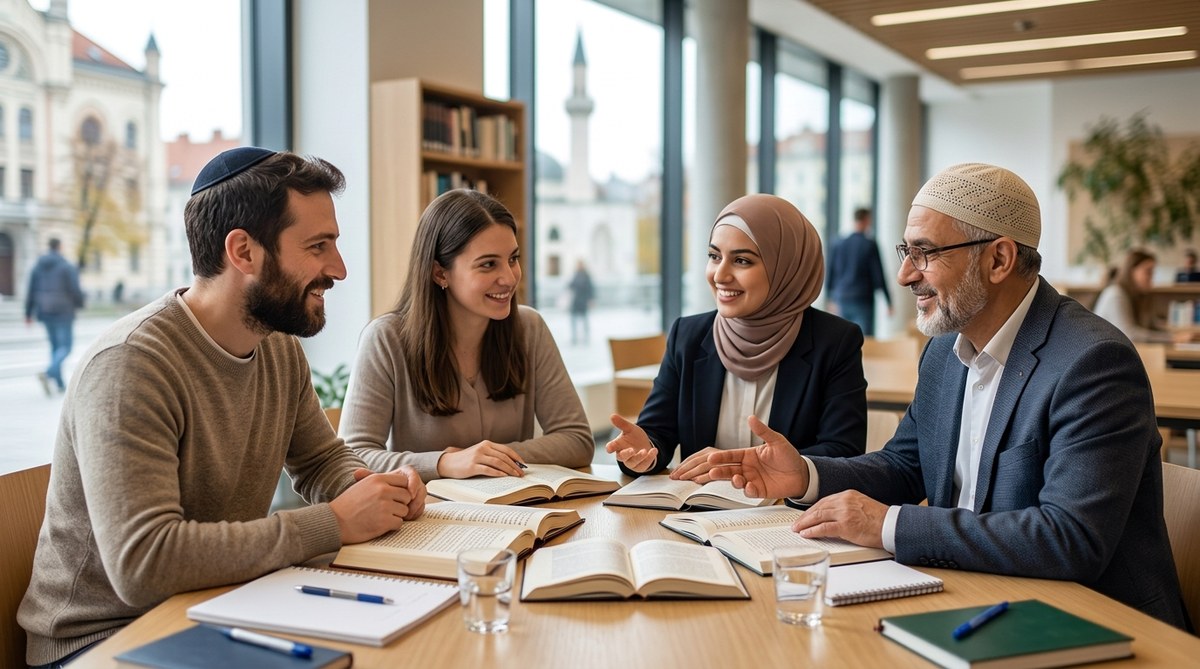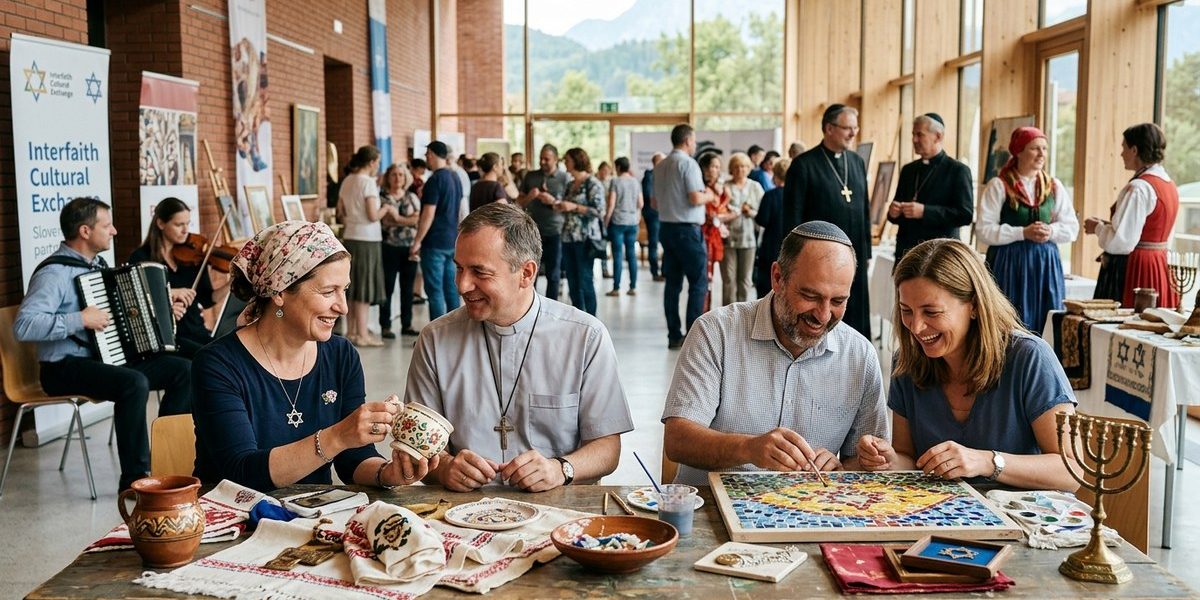
Jewish and Christian communities in Slovenia are making significant strides toward fostering genuine interfaith partnerships. These collaborations go beyond mere dialogue. They are rooted in shared cultural experiences, mutual respect, and a desire to celebrate diversity together. In 2026, Slovenian faith groups are working hand in hand through various initiatives that highlight their common values. This approach not only promotes understanding but also builds lasting friendships that enhance social cohesion across religious lines.
In Slovenia, Jewish and Christian communities are strengthening bonds through cultural events, shared traditions, and mutual projects. These efforts foster respect, understanding, and lasting interfaith partnerships that enrich the country’s social fabric in 2026.
How Slovenian Jewish and Christian Communities Are Building Bridges
Interfaith partnerships in Slovenia are characterized by active participation in joint cultural activities, educational programs, and community service projects. These initiatives aim to deepen understanding and break down stereotypes that may exist between faith groups. The focus on shared cultural heritage serves as a foundation for building lasting relationships.
Shared Cultural Events as a Foundation for Interfaith Collaboration
One of the most visible ways Slovenian Jewish and Christian communities are partnering involves hosting cultural events that celebrate their collective history and traditions. These include joint festivals, music performances, art exhibitions, and storytelling sessions that highlight their intertwined histories.
Examples of Collaborative Celebrations
- Joint holiday celebrations such as Hanukkah and Christmas, emphasizing themes of light and hope.
- Cultural festivals that showcase Jewish and Christian art, music, and cuisine.
- Interfaith lectures and panel discussions discussing common values and the importance of religious tolerance.
Practical Steps for Engaging in Interfaith Cultural Events
- Identify shared interests—music, art, history, or social justice.
- Create inclusive planning committees with representatives from both communities.
- Schedule events during significant religious holidays to maximize participation.
- Use local venues such as community centers, cultural halls, or outdoor spaces.
- Promote events through local media and social networks to reach diverse audiences.
- Encourage storytelling that highlights personal faith journeys to foster empathy.
- Follow up with reflection sessions to discuss what was learned and how to deepen ties.
Techniques That Foster Respect and Unity
| Technique | Description | Common mistakes |
|---|---|---|
| Shared storytelling | Personal stories foster empathy and understanding | Overgeneralizing or stereotyping |
| Collaborative art projects | Art as a medium to express faith and common themes | Ignoring cultural sensitivities |
| Joint community service | Working together to help those in need | Focusing only on superficial activities |
| Interfaith dialogue sessions | Structured conversations about faith and values | Avoiding difficult topics or debates |
Expert advice: “Creating opportunities for genuine personal connections is key. When faith communities listen to each other’s stories, barriers break down naturally,” says Dr. Sarah Cohen, a scholar of interfaith relations.
Building Lasting Friendships Through Common Traditions
Shared traditions serve as a bridge linking Jewish and Christian communities in Slovenia. Celebrating similar values like charity, family, and community helps foster respect and understanding.
Examples of Shared Traditions
- Observing fasting periods and prayer practices with mutual respect.
- Participating together in charitable activities like food drives or helping the vulnerable.
- Celebrating natural milestones such as marriages or community milestones jointly.
Practical Processes for Developing Interfaith Projects
- Identify common values rooted in religious teachings.
- Establish regular meeting points—monthly or quarterly gatherings.
- Create joint educational programs for youth and adults.
- Develop collaborative community projects that address local issues.
- Celebrate festivals together, integrating traditions to foster unity.
- Use shared symbols—like trees or light—that resonate with both faiths.
- Document and share experiences to inspire others.
Challenges and How to Overcome Them
Despite positive momentum, interfaith partnerships in Slovenia face hurdles such as historical misunderstandings, stereotypes, or limited awareness. Overcoming these requires patience, openness, and strategic approaches.
Common pitfalls include:
- Lack of sustained engagement
- Insufficient cultural sensitivity
- Miscommunication or misconceptions
- Limited involvement of younger generations
Strategies to Address Challenges
| Mistakes | Corrective Techniques |
|---|---|
| Superficial involvement | Ensure depth by encouraging personal stories and joint projects |
| Avoiding difficult conversations | Facilitate honest dialogue with trained moderators |
| Cultural insensitivity | Provide cultural competence training for participants |
| Limited youth participation | Create youth-focused events and leadership roles |
Connecting Past and Present Through Interfaith Initiatives
Historical sites, traditions, and stories form a rich tapestry connecting Jewish and Christian communities in Slovenia. Engaging with this shared past helps foster a sense of collective identity.
Ways to Link Past and Present
- Restoring and visiting historic synagogues and churches.
- Hosting lectures on shared history during cultural festivals.
- Creating joint archives or digital projects documenting their intertwined histories.
- Developing educational programs for schools emphasizing shared heritage.
Final Reflections on Cultivating Interfaith Friendships
Interfaith partnerships in Slovenia thrive when communities focus on what unites them. By celebrating their shared cultural roots and engaging in meaningful activities, Jewish and Christian groups are fostering genuine respect and friendship. These efforts serve as a model for other regions seeking to build bridges across faiths.
Practical Tips for Strengthening Interfaith Relations in Your Community
- Start with small, inclusive events that highlight shared values.
- Encourage personal storytelling to build empathy.
- Partner with local organizations to expand reach.
- Use cultural celebrations as opportunities for dialogue.
- Invest in youth programs to nurture future leaders.
In 2026, Slovenian Jewish and Christian communities are demonstrating how collaboration rooted in cultural understanding can transform societal relationships. Embracing shared traditions and working together on community projects creates a more harmonious environment. You can apply similar principles in your own community to foster lasting interfaith friendships and promote mutual respect.