Some of the best food comes from two traditions meeting in the kitchen. Slovenian Jewish fusion recipes are a perfect example of this. Slovenian cooking is rooted in the Alpine, Mediterranean, and Pannonian regions. Jewish cuisine carries centuries of diaspora tradition, from Ashkenazi heartiness to Sephardic brightness. When you bring them together, something wonderful happens. You get dishes that feel both familiar and surprising. Matzo ball soup with a hint of Slovenian forest mushroom. Challah made with buckwheat flour from the Soča valley. Hamantaschen filled with potica-style walnut and honey. This is not about replacing tradition. It is about expanding it, one ingredient at a time.
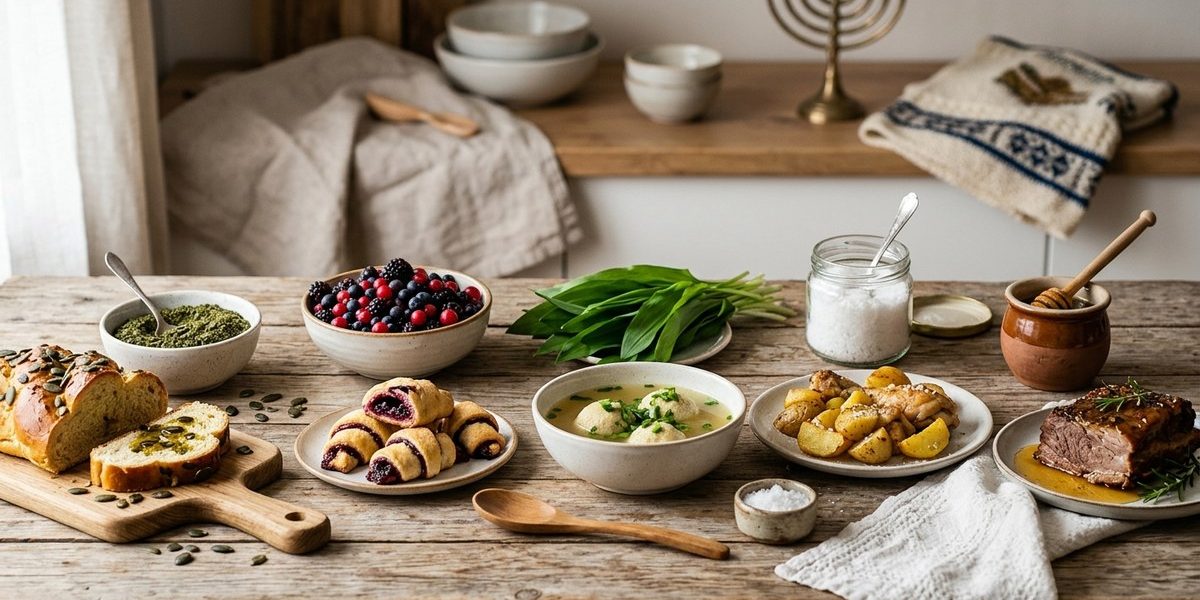
Five Slovenian pantry staples can elevate your Jewish home cooking without requiring a full kitchen overhaul. Buckwheat flour adds nutty depth to challah and blintzes. Slovenian honey brings floral richness to honey cake and charoset. Carniolan sausage gives cholent a smoky, garlicky backbone. Tarragon and cottage cheese stuffing works beautifully in blintzes and kugel. And potica-style walnut filling turns babka and rugelach into something truly special. Start with one swap, taste the difference, then build from there.
Why Slovenian and Jewish Cuisines Were Meant to Merge
At first glance, Slovenian food and Jewish food might seem like separate worlds. But look closer. Both cuisines rely on simple, honest ingredients. Both love slow cooking, hearty soups, and bold use of spices and herbs. Both have a deep respect for bread, for honey, for the earth. Slovenian cooking values foraging and seasonal eating, which matches Jewish traditions that tie food to the calendar and the land. This shared philosophy makes Slovenian Jewish fusion recipes feel natural, not forced.
One excellent example is how Slovenian forest mushrooms can deepen the flavor of a classic matzo ball soup. Porcini and chanterelles grow abundantly in Slovenian woods. They add an umami richness that chicken alone cannot provide. Another example is the use of buckwheat, which is central to Slovenian cooking and also appears in Jewish tradition as kasha. The two cultures already share a base ingredient. Fusion here is less about invention and more about rediscovery.
For a broader look at how these two food traditions connect, you might enjoy reading about Sephardic flavors meet Slovenian ingredients and how similar principles apply across different Jewish culinary lineages.
Five Slovenian Ingredients That Transform Jewish Classics
You do not need a specialty store or a long shopping list. These five Slovenian ingredients are either available at well-stocked markets or easy to source online. Each one can add new depth to a dish you already know how to make.
-
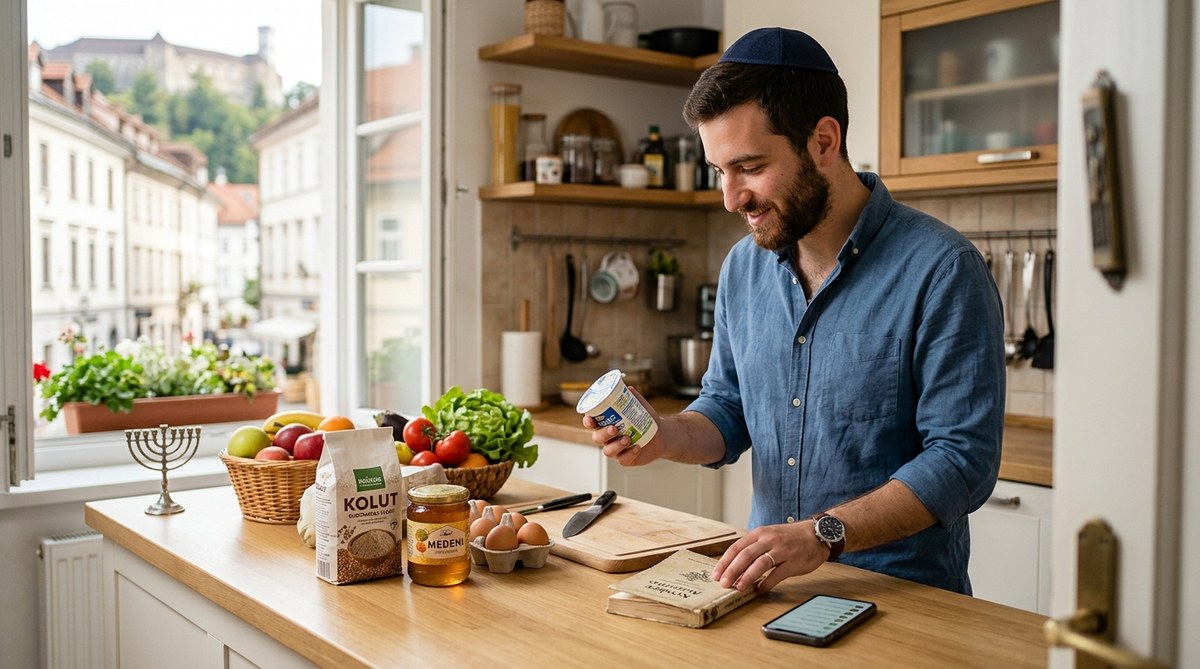
Buckwheat flour (ajdova moka). This is the star of Slovenian baking. It has a nutty, earthy flavor that pairs beautifully with honey and dried fruit. Use it to replace a portion of white flour in challah, blintz batter, or even latkes. The result is a more complex, rustic taste. For a dedicated guide on this, see baking challah with Slovenian flour.
-
Slovenian honey (med). Slovenian beekeeping is world famous. The honey here is pure, floral, and varies by region. Linden honey, acacia honey, and forest honey each have distinct notes. Use it in honey cake for Rosh Hashanah, in charoset for Passover, or drizzled over Shabbat challah. It adds a complexity that standard supermarket honey cannot match.
-
Carniolan sausage (kranjska klobasa). This smoked pork sausage is a Slovenian icon. It is garlicky, lightly spiced, and deeply savory. Add it to cholent for a smoky depth that beef alone cannot give. Slice it into kugel for a heartier main dish. Or use it in place of kielbasa in any Jewish recipe that calls for smoked sausage.
-
Tarragon and cottage cheese stuffing (struklji filling). Slovenian struklji are rolled dumplings filled with everything from tarragon and cottage cheese to walnuts and honey. That tarragon and cheese combination is a natural fit for Jewish blintzes and noodle kugel. The tarragon adds an anise-like freshness that cuts through the richness of the cheese and eggs.
-
Potica-style walnut filling. Potica is Slovenia’s most famous holiday bread, a rolled pastry filled with walnuts, honey, and sometimes cinnamon or rum. That same filling can go straight into babka, rugelach, or hamantaschen. It is richer and more textured than standard cinnamon sugar, and it brings a Central European warmth to Ashkenazi baking.
If you are new to Ashkenazi classics, you might also want to browse these 7 traditional Ashkenazi recipes every Jewish home cook should master for a solid foundation before you start fusing.
How to Start Cooking with Slovenian Jewish Fusion
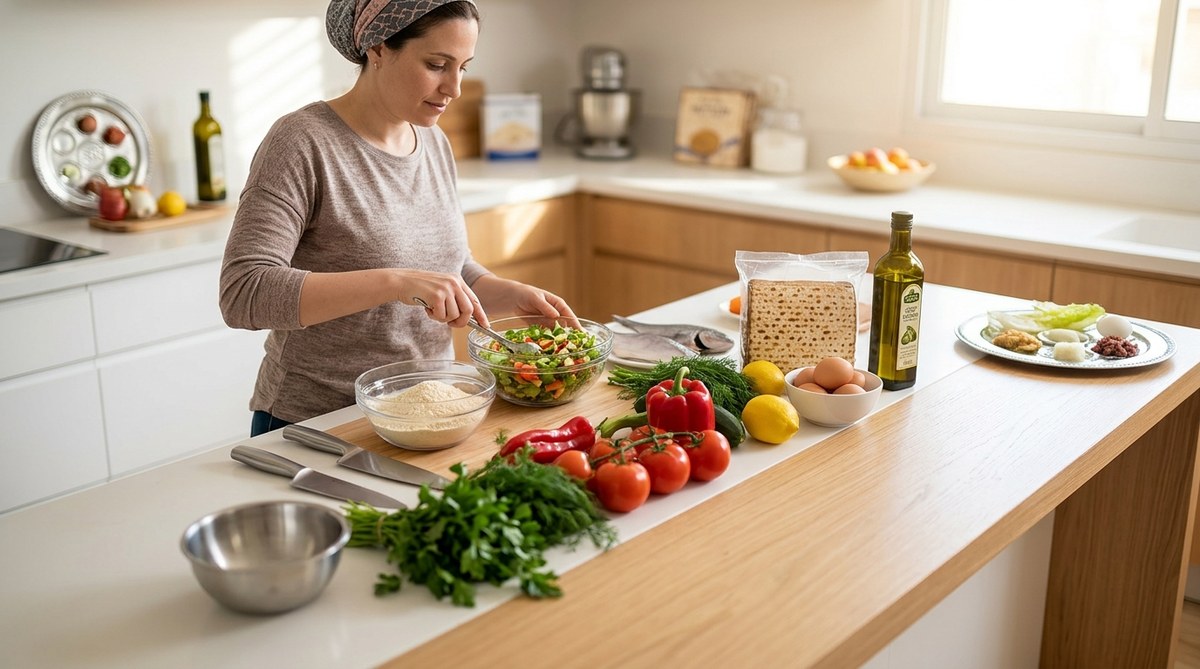
You do not need to overhaul your entire kitchen. Start small. Pick one dish you already make well and try one substitution. Here is a simple process to follow.
-
Choose a base Jewish dish you cook regularly. It could be challah, blintzes, cholent, honey cake, or kugel. Familiarity helps you notice the difference a new ingredient makes.
-
Select one Slovenian ingredient from the list above that fits the dish. For example, if you are making honey cake, try Slovenian linden honey. If you are making blintzes, try the tarragon and cottage cheese filling.
-
Make the dish exactly as you normally would, but swap or add the Slovenian ingredient. Do not change anything else. This way you taste the impact of that single change.
-
Taste and adjust. The Slovenian ingredient might be stronger or sweeter than what you used before. Adjust quantities next time. That is the point of fusion cooking it is personal and iterative.
-
Share and take notes. Serve the dish to family or friends. Ask what they notice. Write down what worked and what you might change. Over time, you will build your own repertoire of Slovenian Jewish fusion recipes that feel truly yours.
For a deeper look at the philosophy behind merging these food traditions, the article on how to incorporate traditional Jewish food practices into Slovenian cuisine offers practical guidance.
Common Mistakes and How to Avoid Them
Fusion cooking can go wrong when you try too much at once. Here are the most common pitfalls and how to steer clear.
| Mistake | Why It Happens | How to Fix It |
|---|---|---|
| Using too many new ingredients in one dish | You want to maximize the fusion effect. | Limit changes to one or two substitutions per dish. Let each ingredient speak. |
| Overpowering a delicate dish with a strong ingredient | Carniolan sausage is bold, and tarragon can dominate. | Start with half the amount you think you need. Taste as you go. |
| Ignoring texture differences | Buckwheat flour behaves differently than white flour. | Always follow a tested ratio. For buckwheat challah, replace no more than one third of the white flour. |
| Forgetting dietary laws | Slovenian pork sausage is not kosher. | Use a kosher smoked beef sausage or omit the sausage entirely for a non-meat cholent. |
| Assuming all honey tastes the same | Slovenian forest honey is much stronger than clover honey. | Taste your honey before adding it. Adjust the quantity down if it is intensely flavored. |
If you are interested in how slow-cooked stews can adapt across both cuisines, the piece on cholent meets Slovenian stew offers a deep dive into one of the most comforting fusion dishes you can make.
A Chef’s Perspective on Blending These Traditions
“The best fusion happens when you respect both sides equally. I started by adding Slovenian porcini mushrooms to my grandmother’s matzo ball soup. She would have been confused at first, but she would have loved the flavor. That is the test. Would your bubbe or your nona approve? If the answer is yes, you are doing it right. Slovenian and Jewish cuisines share a love for honest, slow-cooked food. That is not a coincidence. That is a foundation you can build on.”
— Miha Kovač, chef and owner of Gostilna pri Starem mostu, Ljubljana
This quote captures the spirit of Slovenian Jewish fusion cooking. It is not about showing off. It is about honoring two traditions at once.
Your First Slovenian Jewish Fusion Meal
If you want to test these ideas with a full meal, here is a simple menu that uses several of the ingredients we discussed.
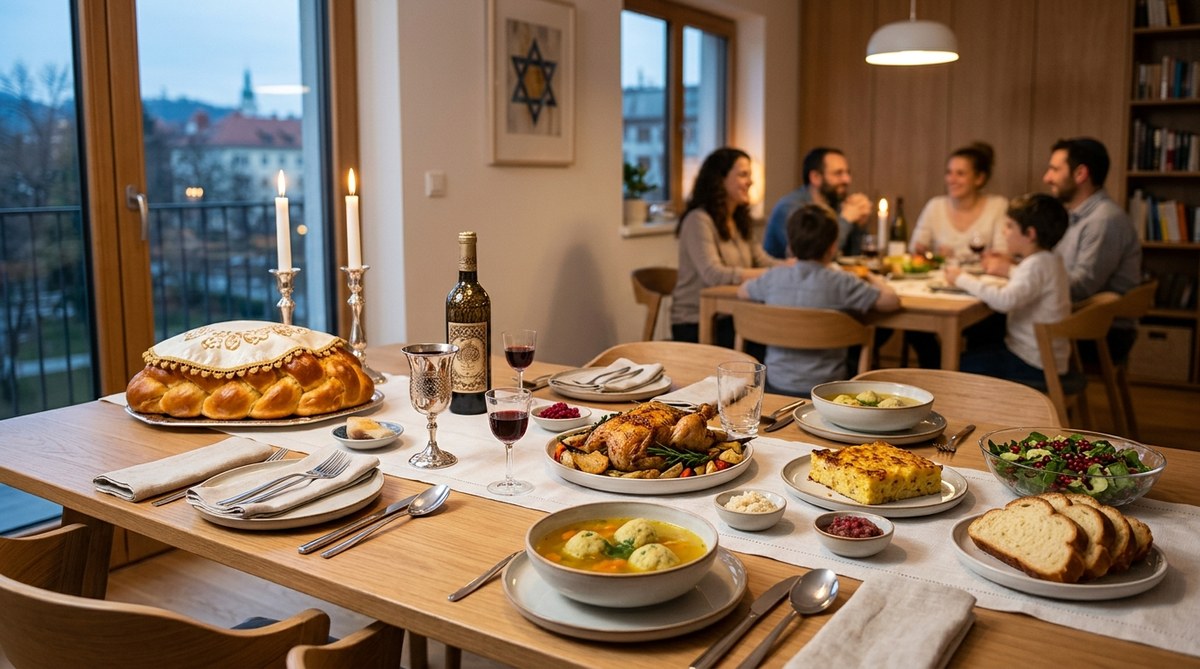
Start with matzo ball soup made with a broth infused with dried porcini mushrooms. The mushrooms add depth without changing the familiar character of the soup. Serve a side of buckwheat challah with Slovenian honey butter. The challah will be denser and nuttier than usual, and the honey will highlight the buckwheat.
For the main course, make a cholent with Carniolan sausage (use a kosher beef version if needed) instead of some of the beef. The sausage adds a smoky, garlicky note that transforms the stew. Add a spoonful of Slovenian honey to the pot before it goes into the oven. It will caramelize and add a subtle sweetness.
For dessert, make hamantaschen or babka using potica-style walnut filling. The walnuts, honey, and hint of cinnamon will taste like a Slovenian pastry and a Jewish holiday rolled into one.
If you are curious about how Slovenian Jewish families celebrate holidays with food, the guide on how Slovenian Jewish families keep Passover traditions alive today shows how these ingredients appear in real home kitchens during the holidays.
The Joy of Cooking Between Two Cultures
Slovenian Jewish fusion recipes are not about being perfect. They are about being curious. You might make a buckwheat challah that comes out too dense the first time. That is fine. You try again with less buckwheat flour. You might add too much tarragon to your blintz filling. Next time you use a lighter hand. Each attempt teaches you something new about both cuisines.
The kitchen is one of the best places for cultural exchange. When you cook a dish that blends Slovenian ingredients with Jewish techniques, you are doing more than making food. You are building a bridge. You are showing that two traditions, each rich and ancient, can meet at the stove and create something new.
Start with one ingredient. One dish. One meal. See where it takes you.