Slovenia is one of Europe’s best kept secrets for Jewish heritage travel. Its compact size means you can trace centuries of Jewish life across the country in just a few days. From medieval trading towns to Holocaust memorials, the Slovenia Jewish Heritage Trail guide you are about to read will help you plan a meaningful and well organized trip in 2026.
The Slovenia Jewish Heritage Trail connects five main cities: Ljubljana, Maribor, Ptuj, Koper, and Radovljica. Each site reveals a different chapter of Jewish history, from medieval settlement to the Holocaust and modern revival. Plan at least five days to visit all major locations. Use this guide to map your route, understand each site’s significance, and find practical tips for kosher food, transportation, and local guides.
Why Slovenia Matters for Jewish Heritage Travel
Slovenia sits at the crossroads of Central Europe and the Balkans. Jewish communities lived here from the 13th century onward. They were merchants, scholars, and artisans who helped shape the region’s economy and culture. The trail includes well preserved synagogue buildings, ancient cemeteries, and museum collections that tell the story of a small but influential community.
What makes Slovenia special is accessibility. You can drive from Ljubljana to Maribor in under two hours. The entire trail fits into a long weekend or a relaxed week long trip. And because Slovenia is less visited than neighboring Austria or Italy, you will often have historic sites almost to yourself.
Mapping the Main Sites on the Trail
The official Jewish heritage trail includes these primary locations. Each one offers something different.
Ljubljana: The Capital City
Ljubljana’s Jewish history dates back to the 13th century. The Jewish quarter was located near the Ljubljanica River, in what is now the old town. Look for the memorial plaque on the former synagogue site at Židovska steza (Jewish Path). The street name itself tells the story.
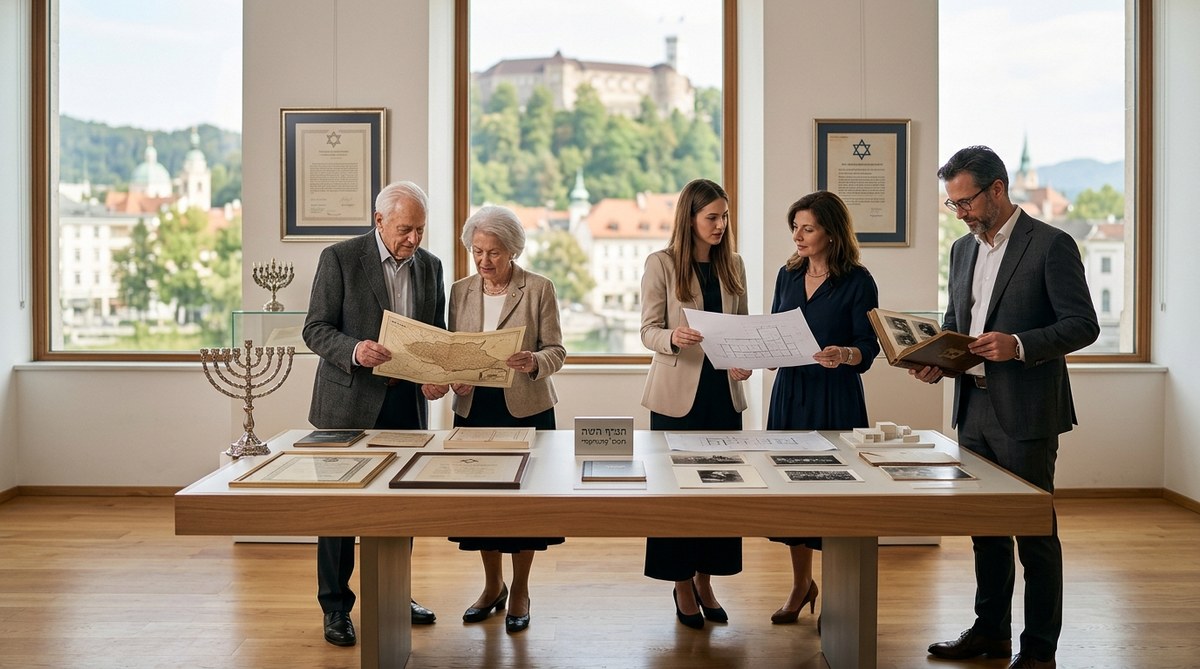
The Ljubljana Jewish Cultural Center hosts exhibits, lectures, and cultural events. It is the best place to start your visit. The center can also connect you with local guides who specialize in Jewish history.
For a deeper look at the community’s past, read about the hidden synagogues of medieval Ljubljana. Archaeological work has revealed foundations and artifacts that paint a vivid picture of daily life.
Maribor: Home of the Oldest Synagogue in Slovenia
Maribor’s synagogue is a national treasure. Built in the 14th century, it is one of the oldest preserved synagogue buildings in Central Europe. It now serves as a cultural center and museum. The interior features a permanent exhibition on Jewish life in the region.
The synagogue is located on Židovska ulica (Jewish Street), which was the heart of the medieval Jewish quarter. After visiting, walk to the nearby Jewish cemetery on the outskirts of town. It contains gravestones dating back to the 19th century.
If you want to understand why Maribor once had the largest Jewish community in Slovenia, read this detailed history. The answer involves trade routes, royal protection, and a thriving wine industry.
Ptuj: Roman Town with Jewish Roots
Ptuj is Slovenia’s oldest recorded town, and its Jewish community dates to the 13th century. The synagogue was destroyed long ago, but the site is marked. The Ptuj Museum holds a collection of Jewish artifacts, including ceremonial objects and documents.
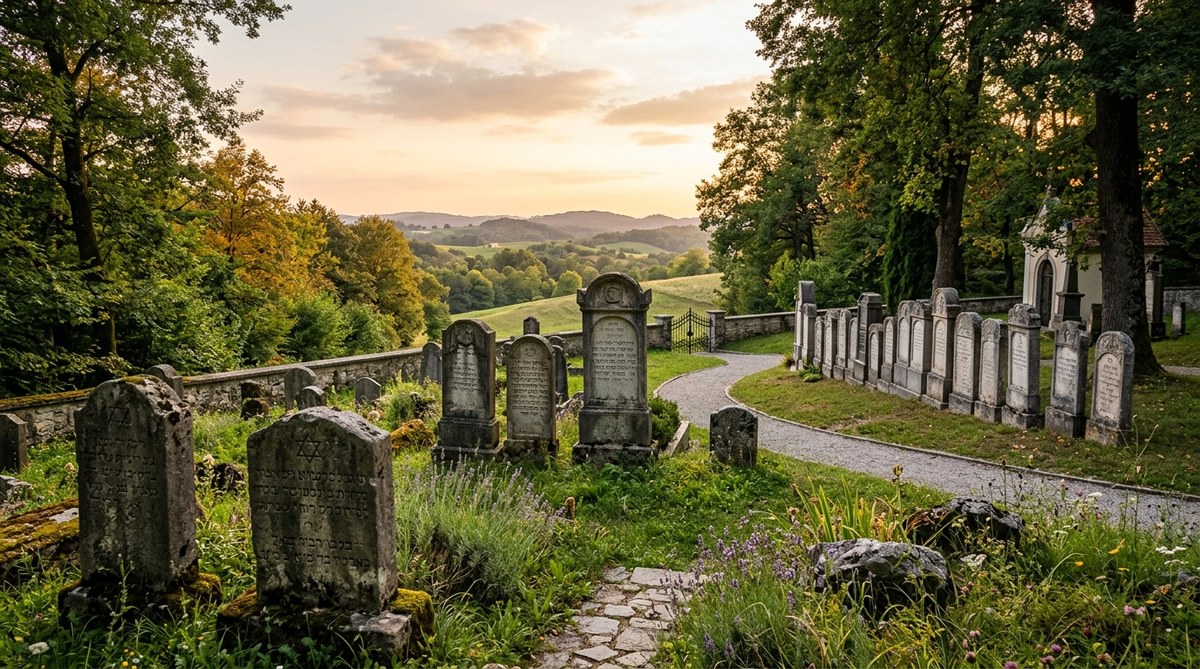
The Jewish cemetery in Ptuj is one of the most atmospheric in the country. It sits on a hill overlooking the town. Many gravestones are still legible, with Hebrew inscriptions and traditional symbols.
Recent archaeological work has uncovered more of the old Jewish quarter. For the latest findings, see this update on Ptuj excavations.
Koper: Coastal Jewish Heritage
Koper’s Jewish community thrived under Venetian rule. The old synagogue building still stands, though it has been repurposed over the centuries. The town’s narrow streets and Venetian architecture create a unique backdrop for heritage travel.
The regional museum in Koper includes a small but well curated Jewish section. It focuses on the role of Jewish merchants in Adriatic trade.
Radovljica: A Small Town Surprise
Radovljica is less known but worth a stop. The town has a beautifully preserved medieval center. The local museum includes exhibits on Jewish families who lived and worked here. It is a good example of how Jewish communities existed even in smaller Slovenian towns.
How to Plan Your Visit in 2026
Follow these steps to build your itinerary.
- Choose your base city. Ljubljana is the most convenient. You can take day trips to all other sites.
- Book a guided tour. The Ljubljana Jewish Cultural Center offers expert led tours of the capital and can arrange trips to Maribor and Ptuj.
- Check opening hours. Many sites have limited hours, especially in winter. Confirm ahead of time.
- Allow enough time. Plan at least one full day for Ljubljana, one day for Maribor, and one day for Ptuj and Radovljica combined. Koper needs a half day.
- Consider a rental car. Public transport works, but a car gives you flexibility, especially for visiting cemeteries and smaller sites.
What to Expect at Each Site
Here is a breakdown of what you will see and do.
| Site | Key Feature | Time Needed | Best Season |
|---|---|---|---|
| Ljubljana Jewish Cultural Center | Museum and guided tours | 2 to 3 hours | Year round |
| Maribor Synagogue | 14th century building | 1 to 2 hours | Spring to fall |
| Maribor Cemetery | Historic gravestones | 1 hour | Spring to fall |
| Ptuj Museum | Artifact collection | 1 to 2 hours | Year round |
| Ptuj Cemetery | Hilltop views | 1 hour | Spring to fall |
| Koper Synagogue | Repurposed building | 30 minutes | Year round |
| Radovljica Museum | Local Jewish history | 1 hour | Year round |
Practical Tips for Kosher Travelers
Keeping kosher in Slovenia requires some planning. Here are the main points.
- Ljubljana has a small kosher section in some grocery stores. Check the Jewish Cultural Center for recommendations.
- Maribor has a few restaurants that can accommodate kosher style requests with advance notice.
- Most hotels will allow you to use a kitchenette for self catering.
- Bring non perishable kosher items from home if you have specific needs.
For a full guide on dietary laws in Slovenia, read how to keep kosher in Slovenia.
Connecting with the Local Jewish Community
The modern Jewish community in Slovenia is small but active. The Ljubljana synagogue holds Shabbat services and holiday celebrations. Visitors are welcome.
Reach out before your trip. The community can connect you with local historians, arrange private tours, and invite you to cultural events. This is especially valuable if you want to learn about the revival of Jewish life since 1991.
“The best way to experience Slovenian Jewish heritage is through the people who keep it alive. Let us show you the stories behind the stones.” — A guide from the Ljubljana Jewish Cultural Center
Understanding the Deeper History
The trail is not just about buildings. It is about people. Jewish families lived in Slovenia for centuries. They faced expulsions, persecution, and the Holocaust. Yet they also contributed to Slovenian culture, science, and art.
To understand the full picture, explore these related topics.
- How Slovenian Jews survived the Holocaust
- The great expulsion of 1515
- Jewish partisan fighters in World War II
- The legacy of Jewish merchants in Slovenian trade
Practical Logistics for Your Trip
Here are the essential details for a smooth visit.
- Getting there: Fly into Ljubljana Airport (LJU). Direct flights connect from major European hubs.
- Getting around: Rent a car at the airport. Trains and buses are reliable but less flexible.
- Accommodation: Ljubljana has many hotels within walking distance of the old town. Maribor and Ptuj have smaller boutique options.
- Language: English is widely spoken, especially in tourist areas.
- Currency: Euro. Credit cards are accepted everywhere.
A Sample Five Day Itinerary
Day 1: Arrive in Ljubljana. Visit the Jewish Cultural Center. Walk the old Jewish quarter.
Day 2: Drive to Maribor. Tour the synagogue and cemetery. Stay overnight in Maribor.
Day 3: Drive to Ptuj. Visit the museum and cemetery. Continue to Radovljica for the afternoon. Return to Ljubljana.
Day 4: Day trip to Koper. Explore the coastal town and its Jewish sites.
Day 5: Visit any sites you missed. Attend a Shabbat service if your visit falls on a Friday.
Preserving Memory Through Travel
Walking the Slovenia Jewish Heritage Trail is a way to honor the past. Each site you visit, each story you hear, keeps the memory of Slovenian Jewry alive. The trail is also a reminder of how much was lost and how much remains worth preserving.
For more on preservation efforts, read about what happened to Slovenia’s Jewish cemeteries and the work being done to protect them.
Your Next Steps
Start planning your 2026 trip now. Contact the Ljubljana Jewish Cultural Center for the latest information on tours and events. Book your accommodations early, especially during summer and Jewish holidays.
Pack comfortable walking shoes, a notebook for your reflections, and an open heart. The trail will reward you with stories, beauty, and a deeper connection to Jewish history in Europe.