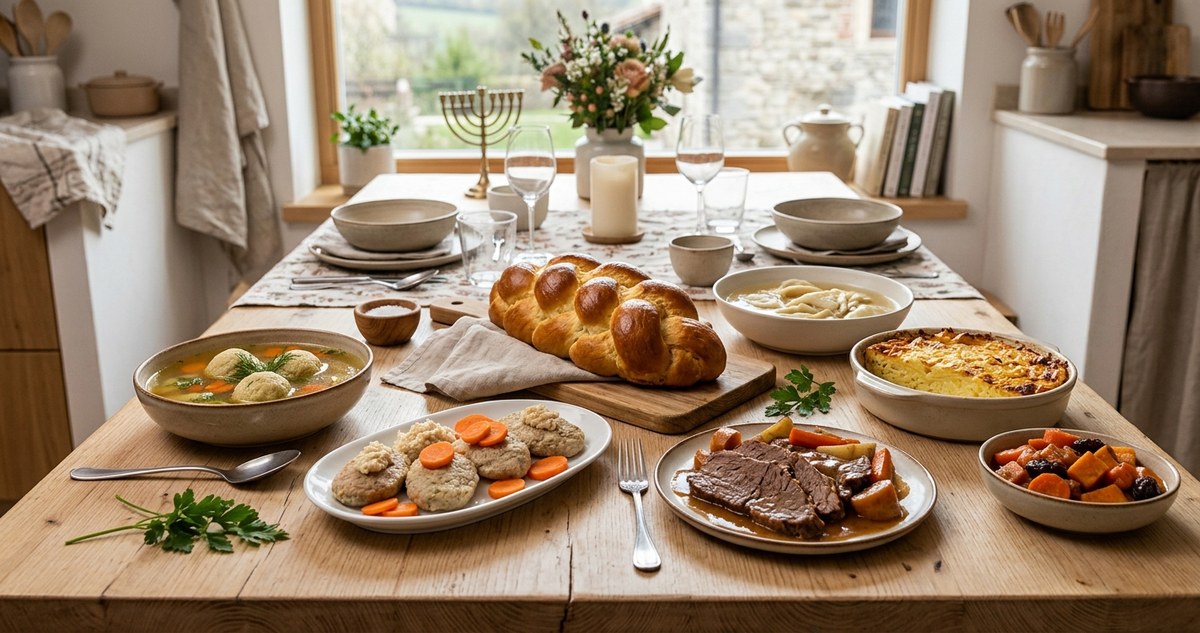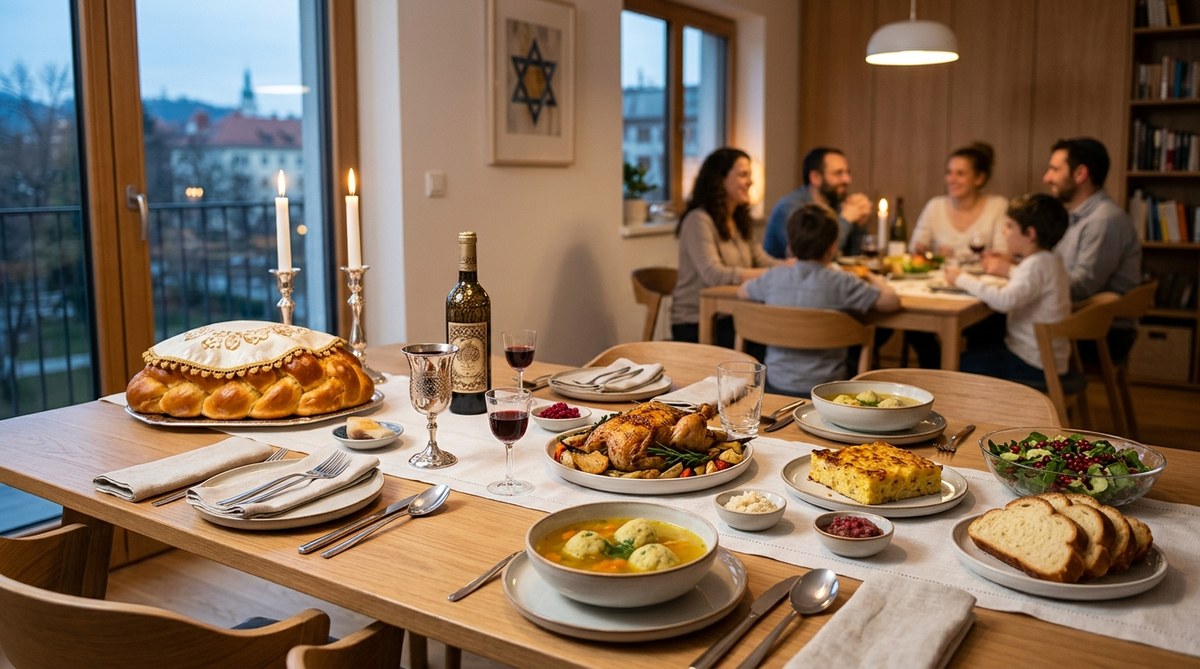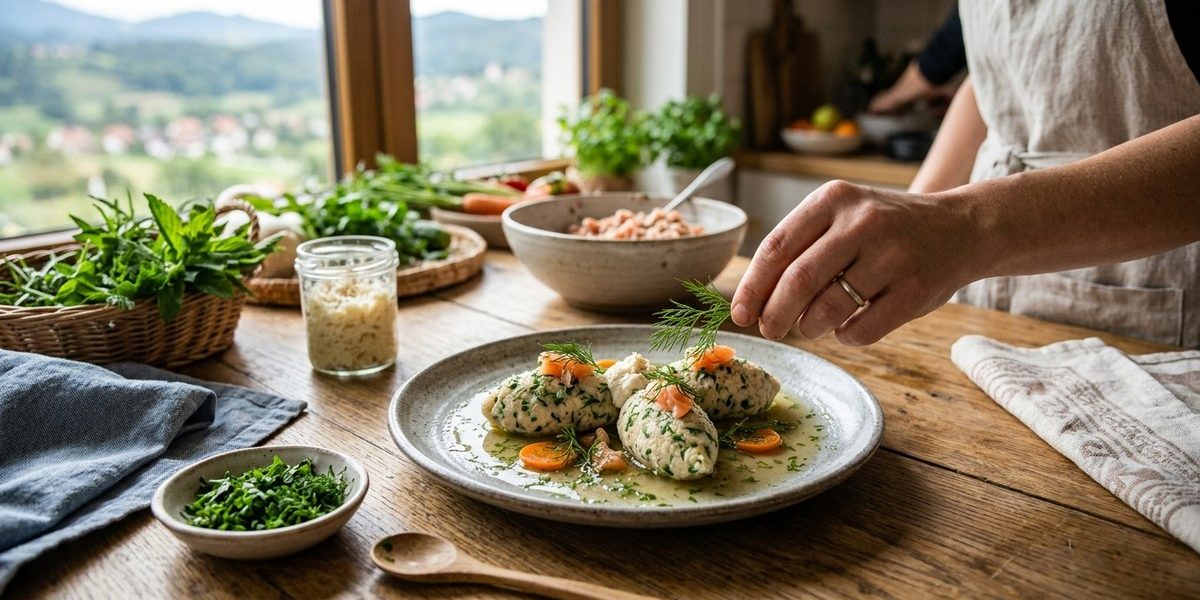
Gefilte fish has a reputation. For many of us, it brings back memories of holiday tables, jars from the supermarket, or a grandmother’s careful hands shaping small patties. But in Slovenia, a small but inventive Jewish community is rewriting that story. They are swapping the traditional carp for local river trout. They are folding in fresh herbs from the Julian Alps. The result is a gefilte fish that tastes of both Ashkenazi heritage and Slovenian terroir. This is not a replacement of tradition. It is an evolution, and it is one you can try in your own kitchen.
This article presents a modern Slovenian Jewish gefilte fish recipe that replaces traditional carp with locally sourced trout and fresh Alpine herbs like chives and parsley. You will learn the step-by-step method for grinding, seasoning, and poaching the fish. We also cover common mistakes, ingredient swaps, and how this dish reflects the cultural resilience of Slovenia’s Jewish community. It is a practical guide for home cooks and culinary historians alike.
Why Trout Makes Sense for Gefilte Fish
Traditional Ashkenazi gefilte fish was born out of necessity. Jewish families in Eastern Europe needed a dish that could stretch a small amount of fish into a filling meal. They ground up carp, pike, or whitefish, mixed it with matzo meal, eggs, and seasonings, and poached it in a flavorful broth. The goal was to avoid bones and make the fish go further.
Slovenia has its own freshwater tradition. The rivers Sava, Soča, and Drava are famous for their trout. The fish is lean, delicate, and mild. When you use trout for gefilte fish, you get a lighter texture. The flavor is cleaner, which lets the herbs shine. This is not a heavy Friday night dinner. It is a bright, herbaceous dish that still feels deeply comforting.
The Slovenian Jewish community has a long history of adapting local ingredients. If you want to understand how that history connects to broader cultural movements, read about The same spirit of adaptation appears in the kitchen.
The Core Ingredients for Slovenian Jewish Gefilte Fish
Before we get to the method, let us talk about what goes into the bowl. The ingredient list is short, but each item matters.
- Fresh trout: You want about two pounds of fillets. Rainbow trout works well. So does brook trout. Ask your fishmonger for fillets that still have the skin on for extra moisture.
- Eggs: Two large eggs help bind the mixture.
- Matzo meal: Half a cup. This acts as the binder and gives the classic texture. If you cannot find matzo meal, you can use fine breadcrumbs, though the dish will not be kosher for Passover.
- Onion: One medium yellow onion, grated finely. It adds moisture and sweetness.
- Fresh herbs: A generous handful of chopped chives and flat-leaf parsley. Slovenian cooks also add a little fresh dill.
- Salt and white pepper: To taste. Go easy on the pepper. You want the fish and herbs to lead.
- Fish stock or vegetable broth: For poaching. If you have the trout bones and head, simmer them with carrot and celery for a homemade stock.
Step-by-Step: How to Make Slovenian Jewish Gefilte Fish
Follow these steps for a gefilte fish that is tender, flavorful, and true to its Slovenian roots.
-
Prepare the fish stock. In a large pot, combine the trout bones, head, and trimmings with one chopped carrot, one celery stalk, one quartered onion, and a few black peppercorns. Cover with cold water. Bring to a gentle simmer. Cook for 30 minutes. Strain and reserve the liquid. Discard the solids.
-
Grind the fish. Pass the trout fillets through a meat grinder using a fine die. If you do not have a grinder, a food processor works. Pulse in short bursts. You want a paste, not a puree. Overprocessing will make the fish tough.
-
Mix the ingredients. In a large bowl, combine the ground trout, grated onion, eggs, matzo meal, chopped chives, parsley, and a pinch of salt and white pepper. Mix with your hands until everything is evenly distributed. The mixture should be moist but not sticky. If it feels too wet, add another tablespoon of matzo meal.
-
Shape the patties. Wet your hands with cold water. Form oval patties about two inches long and one inch thick. Keep them uniform so they cook evenly.
-
Poach the fish. Bring the reserved fish stock to a low boil. Gently lower each patty into the liquid using a slotted spoon. Do not crowd the pot. Reduce the heat to a gentle simmer. Cook for 20 minutes. The patties will float to the surface when they are done.
-
Cool and serve. Remove the patties with a slotted spoon. Arrange them on a platter. You can serve them warm or cold. Many Slovenian Jews prefer them chilled with a dollop of fresh horseradish.
Common Mistakes and How to Avoid Them
Even experienced cooks can run into trouble with gefilte fish. Here is a table of the most frequent pitfalls and the simple fixes.
| Mistake | What Goes Wrong | How to Fix It |
|---|---|---|
| Dry, crumbly patties | Too much matzo meal or overcooking | Reduce matzo meal by one tablespoon. Check doneness at 15 minutes. |
| Mushy texture that falls apart | Not enough binder or grinding too coarsely | Add an extra tablespoon of matzo meal. Grind the fish twice. |
| Bland flavor | Not enough salt or skipping the herb mix | Season the mixture generously. Use a full tablespoon of chopped herbs per pound of fish. |
| Fishy aftertaste | Using old or frozen trout | Always use the freshest trout possible. If using frozen, thaw in milk for 30 minutes before grinding. |
| Cloudy, bitter poaching liquid | Boiling the stock too hard | Keep the poaching liquid at a gentle simmer. A rolling boil will break the patties apart. |
How to Serve and Store Your Gefilte Fish
This dish is versatile. Here are some ways to enjoy it.
- Classic cold appetizer: Arrange the patties on a bed of lettuce. Serve with beet horseradish (chrain) and rye bread.
- Warm main course: Place three patties on a plate. Spoon a little of the strained poaching liquid over them. Add a side of roasted potatoes.
- In a sandwich: Slice a patty in half and put it on challah with pickled cucumber and fresh dill.
You can store cooked gefilte fish in the refrigerator for up to five days. Keep it in a sealed container, covered with a little of the poaching liquid to prevent drying. You can also freeze the uncooked patties. Arrange them on a baking sheet, freeze until solid, then transfer to a freezer bag. They will keep for three months. Thaw in the refrigerator overnight before poaching.
Why This Recipe Matters for Jewish Food History
Gefilte fish is more than a recipe. It is a document of Jewish migration and adaptation. Every community that has made it has added something of its own. The Polish version is sweeter. The German version often includes more sugar and almonds. The Hungarian version uses paprika. The Slovenian version, with its trout and Alpine herbs, tells the story of a small community that refused to let go of its traditions.
Slovenian Jews have always been resourceful. When the great rivers of Slovenia offered trout instead of carp, they adapted. When the hills provided wild chives and parsley, they folded them in. This is not dilution. It is survival. It is the same instinct that kept Jewish life alive in Slovenia through centuries of change. If you want to see how that same spirit appears in other areas, look at
For the home cook, this recipe is a way to connect with that history. You do not need to be Slovenian or Jewish to appreciate it. You just need good ingredients and a willingness to try something new.
A Few Notes on Keeping Kosher in Slovenia
If you observe kashrut, you will need to source your trout from a reputable fishmonger. Trout is a kosher fish because it has fins and scales. The herbs and vegetables are naturally kosher. The eggs should be checked for blood spots. The matzo meal should be certified kosher if you are making this for Passover.
Finding kosher ingredients in Slovenia is easier than it used to be. The community in Ljubljana has built relationships with local farmers and suppliers. For a deeper look at how Slovenian Jews navigate dietary laws in a small community, read
If you are not keeping kosher, you can still enjoy this recipe. The flavor will be the same. The connection to Slovenian Jewish tradition will be just as real.
What Other Cooks Say About This Version
I have shared this recipe with a few friends who grew up eating traditional gefilte fish. The reactions have been positive. One friend said it reminded her of her grandmother’s recipe, but lighter. Another said the herbs made it feel more like a spring dish. A Slovenian home cook told me that using trout felt natural, like the dish had always belonged there.
“When I first made gefilte fish with trout, I was nervous. I thought my family would reject it. But my mother said it tasted like the old country, only brighter. That is the highest compliment she could give.” — Maja K., Ljubljana
That quote captures the heart of this recipe. It honors the past while embracing the present.
The One Tool That Makes This Easier
If you make gefilte fish often, invest in a manual meat grinder. It gives you control over the texture. Electric food processors can overheat and cook the fish slightly, which changes the final result. A hand-crank grinder is inexpensive and will last for decades. It also connects you to the physical work that generations of Jewish cooks did before you.
If you do not want to buy a new tool, use a food processor with short pulses. Chill the fish and the bowl before processing. That will help maintain the texture.
From Slovenia to Your Shabbat Table
This recipe is not just for holidays. It works for a regular Shabbat dinner. It works for a summer lunch. It works for a potluck where you want to bring something that starts a conversation. The trout and herbs give it a freshness that surprises people. They expect the heavy, dark gefilte fish of their childhood. Instead, they get something light and green.
Serve it with a simple salad of sliced cucumbers and a squeeze of lemon. Pair it with a dry white wine from the Primorska region of Slovenia. The wine’s minerality will echo the clean taste of the trout.
A Final Word on Reinvention
Jewish food is not static. It has never been static. Every generation has reinterpreted the classics based on what was available. The Slovenian Jewish community is doing exactly what their ancestors did. They are looking at the land around them and asking, “What can we use?”
The answer, in this case, is trout and herbs. It is a simple answer. But it produces a dish that carries the weight of history and the lightness of a mountain stream. That is a rare combination.
So next time you are planning a holiday meal or just a special Friday night dinner, try this Slovenian Jewish gefilte fish recipe. Let the trout speak for itself. Let the herbs add their voice. And remember that you are part of a long, beautiful tradition of making something new from what you have.