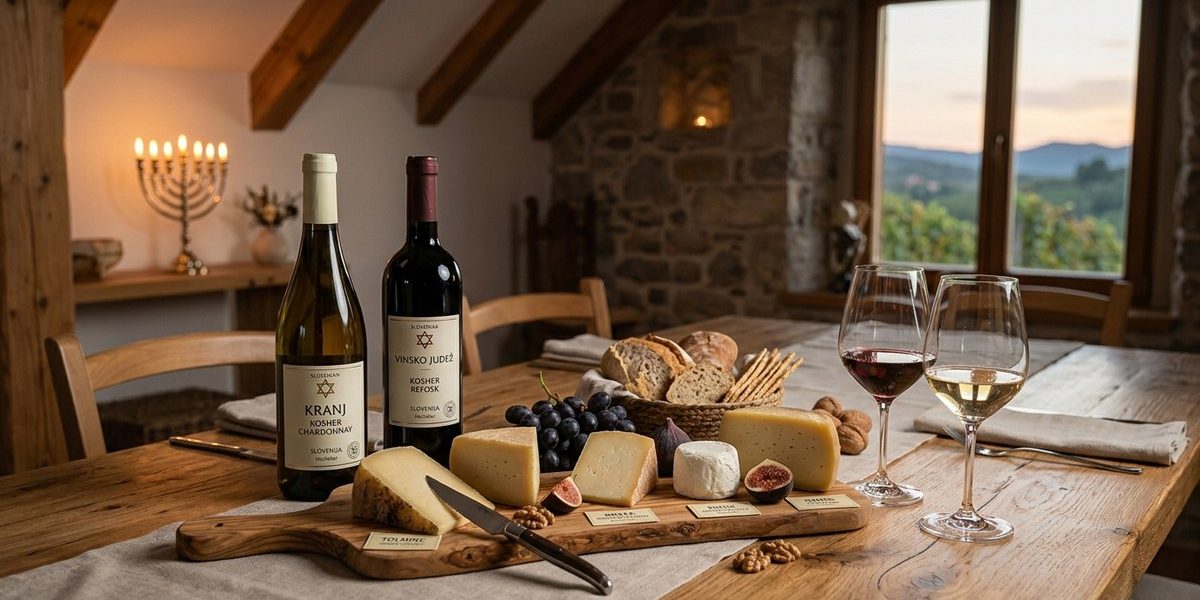
Picture this: a warm evening at home, friends gathered around a table filled with glasses of crisp white wine and plates of creamy, tangy cheese. The conversation flows easily. The flavors surprise and delight. Now imagine that every sip and every bite meets the highest standards of kashrut. That is the beauty of a kosher Slovenian wine and cheese pairing evening. Slovenia is a small country with a giant winemaking tradition. Its vineyards produce exceptional wines that often go unnoticed on the global stage. And its cheeses, though less famous than French or Italian varieties, offer a wonderful range of textures and tastes. When you combine these with kosher certification, you create a unique culinary experience that honors both Jewish dietary laws and Slovenian heritage.
Hosting a kosher Slovenian wine and cheese pairing evening is simpler than it sounds. Focus on finding kosher-certified Slovenian wines, pair them with kosher cheeses from Slovenia or nearby Europe, and serve them with pareve crackers and fresh fruit. Use a structured tasting approach to let guests discover how local terroir and kosher traditions can meet beautifully at your table.
Why Slovenian Wines Work for Kosher Pairing
Slovenia sits at a crossroads of wine cultures. Its western regions border Italy, and its eastern areas touch Austria and Hungary. This means Slovenian winemakers draw from both Mediterranean and Central European styles. The result is a diverse portfolio of wines that pair naturally with cheese.
For a kosher event, you need wines with reliable kosher certification. Several Slovenian producers now offer certified bottles. Look for wines from the Primorska region, especially those made from Rebula, Malvazija, or Sauvignon Blanc grapes. These white wines have bright acidity and subtle fruit notes that complement cheese without overpowering it. Red wines from the Posavje region, like Blaufränkisch, also work well for heartier cheeses.
The key is to choose wines that are both certified kosher and representative of Slovenian terroir. Many kosher wines come from large commercial producers, but Slovenia offers smaller, artisanal options that add a layer of authenticity to your evening.
Sourcing Kosher Slovenian Cheese
Cheese is the other half of this pairing equation. Slovenia produces several notable cheeses, but not all are kosher certified. The most famous Slovenian cheese is Tolminc, a hard cheese from the Tolmin region. It resembles a young Pecorino or a firm Alpine cheese. You can often find kosher-certified versions imported from Slovenia or produced under kosher supervision in neighboring countries.
Other good options include fresh goat cheese from Slovenian farms, which is often naturally kosher when made without rennet from non-kosher animals. Look for cheeses labeled with a reliable hechsher. If you cannot find Slovenian-specific kosher cheese, you can substitute with kosher cheeses from Italy or Austria that share similar flavor profiles. The goal is to keep the spirit of the pairing local while respecting kashrut.
Building Your Pairing Menu
A successful pairing evening does not need many items. Aim for three to four wines and an equal number of cheeses. This keeps the tasting focused and prevents palate fatigue. Here is a sample menu that works well for a kosher Slovenian evening.
Start with a crisp, unoaked Rebula from the Goriška Brda region. This wine has notes of green apple and almond. Pair it with a fresh, soft goat cheese. The acidity of the wine cuts through the creaminess of the cheese, and the mineral finish of the Rebula echoes the grassy notes of the goat milk.
Next, try a Malvazija from the Slovenian Istria coast. This wine is fuller bodied, with hints of white peach and herbs. Pair it with a semi-hard cow milk cheese like Tolminc. The nutty, slightly salty flavor of the cheese stands up to the wine’s texture. A drizzle of local honey on the cheese adds a sweet contrast.
For a red option, choose a Blaufränkisch from the Posavje region. This wine has bright red fruit flavors and soft tannins. Pair it with an aged Gouda-style kosher cheese. The caramel notes in the cheese match the wine’s fruitiness, while the tannins cleanse the palate.
Finish with a late harvest sweet wine from the same region. A sweet Rebula or a blend of local grapes pairs beautifully with a blue cheese. If blue cheese is not available, a creamy Brie substitute works well too. The sweetness balances the saltiness of the cheese, creating a satisfying end to the tasting.
A Step by Step Guide to Hosting
Follow these steps to keep your evening organized and enjoyable for everyone.
-
Plan your menu and source ingredients. Start at least two weeks ahead. Contact kosher wine importers or check online retailers for Slovenian kosher wines. Order your cheeses early to ensure they arrive fresh. Make a list of all necessary certifications.
-
Prepare your serving setup. You will need one glass per wine per guest. That means four glasses per person if you serve four wines. Provide small plates for cheese, and separate knives for each cheese to avoid mixing flavors. Set out water and plain bread or crackers for palate cleansing.
-
Create a tasting sheet. Print a simple card for each guest with the wine name, cheese name, and space for notes. This helps people remember what they liked and gives the evening a structured feel.
-
Serve in the right order. Start with the lightest wine and mildest cheese. Move toward fuller wines and stronger cheeses. End with the sweet wine. This progression prevents the palate from being overwhelmed early on.
-
Explain each pairing. As you pour each wine, say a few words about where it comes from and why it matches the cheese. Share a bit about Slovenian wine culture or the kosher certification process. This turns a simple tasting into a learning experience.
Common Mistakes to Avoid
Even experienced hosts can make small errors that affect the tasting. Here is a table of common mistakes and how to fix them.
| Mistake | Why It Happens | How to Avoid It |
|---|---|---|
| Serving cheese too cold | Cheese straight from the fridge has muted flavor | Take cheese out 30 minutes before serving |
| Using the same knife for multiple cheeses | Flavors mix and confuse the palate | Use a separate knife for each cheese |
| Pouring wine too full | Guests cannot swirl or smell properly | Fill glasses only one third full |
| Forgetting palate cleansers | Leftover flavors affect the next pairing | Provide plain bread, water, and apple slices |
| Ignoring serving order | Strong flavors overwhelm delicate ones | Always go from light to heavy, mild to strong |
Expert Advice for a Memorable Evening
“The best pairings happen when the wine and cheese share a common thread. A wine from the same region as the cheese often works because they grew up together in the same soil and climate. For kosher pairings, look for that geographic harmony first, then confirm the certification. The flavors will tell you if you got it right.” — Master Sommelier and kosher wine specialist
This advice rings true for Slovenian wines and cheeses. The Rebula grape grows in the same hills where cows and goats graze on wild herbs. The minerality in the wine comes from the same limestone that gives the cheese its structure. When you pair them, you are recreating a natural partnership that has existed for centuries.
Adding Slovenian Cultural Touches
Your evening can go beyond just food and drink. Set the mood with Slovenian folk music playing softly in the background. Share a short story about the history of winemaking in the Goriška Brda region. If you have guests who are interested in Jewish history in Slovenia, you can mention how Jewish merchants once traded wine along the routes connecting the Adriatic to Central Europe. For a deeper look into this heritage, you might enjoy reading about how Jewish traders shaped Slovenia’s medieval economy.
You can also decorate the table with elements that reflect both cultures. Use a white tablecloth with blue accents to echo the colors of the Israeli flag and the Slovenian flag. Place small sprigs of rosemary or lavender on each plate. These herbs grow abundantly in Slovenia and their scent adds to the sensory experience.
What to Do If a Guest Has Dietary Restrictions
Not every guest will be able to eat every cheese. Some may be lactose intolerant. Others may avoid dairy entirely. Plan for this by offering a few non-dairy options. Marinated olives, roasted nuts, and dried figs all pair beautifully with wine and are naturally pareve. You can also serve a small plate of kosher smoked fish, like trout or salmon, which works well with the white wines on your menu.
If a guest keeps strict kosher and does not eat cheese made with animal rennet, make sure all your cheeses are labeled as kosher with a reliable certification. Many kosher cheeses use microbial rennet, which is acceptable under kashrut. Check the label or contact the producer if you are unsure.
How to Source Kosher Slovenian Wines
Finding these wines may take a little effort, but it is worth it. Start by checking with kosher wine distributors in your area. Many carry European wines, and some have begun importing from Slovenia. Online retailers that specialize in kosher wine often list Slovenian options. You can also contact Slovenian wineries directly. Some are happy to ship to the United States or can direct you to a local importer.
For a broader understanding of how kosher certification works in Slovenia, take a look at what does kosher mean for Slovenian winemakers. This article explains the process behind the certification and why more Slovenian producers are pursuing it.
Making It a Regular Event
Once you host your first kosher Slovenian wine and cheese pairing evening, you may want to make it a recurring tradition. Change the menu with the seasons. In spring, focus on fresh goat cheese and young white wines. In autumn, bring out aged cheeses and fuller reds. Invite different friends each time, or make it a small gathering for your closest community. The format is flexible enough to fit any occasion.
You can also tie the evening to Jewish holidays. A Tu B’Shvat seder, for example, celebrates fruits and the land. A wine and cheese pairing fits perfectly into that theme. For more ideas, read about how Slovenian Jewish families celebrate Tu B’Shvat.
Your Evening, Your Way
Hosting a kosher Slovenian wine and cheese pairing evening does not require a professional sommelier or a gourmet kitchen. It requires curiosity, a bit of planning, and a willingness to try something new. The flavors of Slovenia have a lot to offer, and when you combine them with kosher traditions, you create an experience that feels both familiar and fresh. Your guests will leave with a new appreciation for Slovenian wine, a better understanding of kosher pairings, and fond memories of an evening spent together. So start your search for that first bottle of Rebula, order a wheel of Tolminc, and set a date on the calendar. The table is waiting.