Starting an interfaith book club in Slovenia does not require a large budget or a huge congregation. You need one willing partner from another faith community, a shared reading list, and a welcoming space. This guide gives you the exact steps to launch in 2026, from picking your first book to handling sensitive topics with grace. Your club can become a model for dialogue in your city.
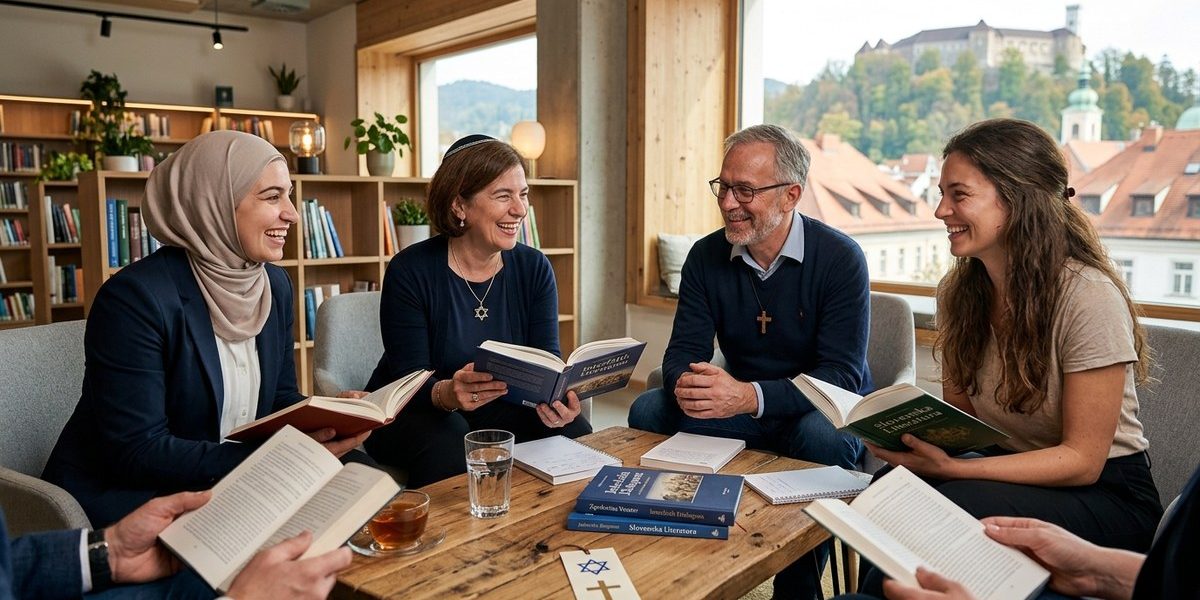
Picture this: a small group of people sitting in a circle at a library in Ljubljana. A Jewish woman shares why a passage from a novel reminds her of a Purim tradition. A Catholic priest nods and says it echoes a story from the Gospels. A Muslim university student offers a perspective from the Quran. No one is trying to convert anyone. They are just reading together. That is the heart of an interfaith book club.
Slovenia may be a small country, but its religious landscape is wonderfully diverse. You have Jewish communities in Ljubljana and Maribor, Catholic and Protestant churches, a growing Muslim population, and various other spiritual groups. Yet many of these communities rarely meet outside of formal events. A book club changes that. It creates a low pressure environment where people can share ideas, build friendships, and discover common ground.
If you are a community organizer, librarian, or religious leader in Slovenia, you have the power to start an interfaith book club in your own town. The steps are straightforward. Here is how to do it in 2026.
Why Slovenia Needs Interfaith Book Clubs Now
The year 2026 marks a moment when interfaith work in Slovenia is gaining real traction. You can see it in projects like the 5 Successful Interfaith Projects That Transformed Slovenia’s Religious Landscape. Book clubs are among the simplest and most sustainable forms of dialogue. They do not require special permits, large venues, or expensive speakers. All you need are books, readers, and a willingness to listen.
A book club also addresses a real need. Many Slovenians have limited exposure to people of other faiths. Stereotypes persist because of ignorance, not malice. Reading together breaks down those walls. As one participant from a recent Jewish Muslim reading circle in Ljubljana put it, “We realized we had been reading the same stories about hospitality without ever talking about it.”
Step by Step: How to Start Interfaith Book Club Slovenia
Follow these steps. They are based on real examples from Slovenian interfaith groups that have been meeting for years.
1. Find Your Co-Organizer
Do not try to do this alone. Reach out to one person from another faith community. If you are Jewish, contact a local Catholic or Protestant leader. If you are a librarian, invite a rabbi and a priest to co-host. You need at least two people from different traditions to model the dialogue. A great place to start is by reading about Building Bridges: How Jewish and Catholic Communities in Ljubljana Are Creating Lasting Friendships.
2. Decide on a Format
Will you meet once a month? Every other week? In person or online? For Slovenia, in person meetings work best because the distances are short. Choose a format that feels manageable. A two hour meeting once a month is a good rhythm. Rotate the hosting location among different religious spaces or a neutral spot like a public library.
3. Pick Your First Books
Selection matters. Start with a short story or a novella that touches on universal themes: family, exile, welcome, justice. Avoid books that are overtly polemical or that might feel like a lecture. Good options from recent years include novels with characters from different backgrounds, or nonfiction about shared spiritual practices. You can also read classic texts like a parable from each tradition. For inspiration, see the Top Ways Interfaith Communities in Slovenia Celebrate Religious Diversity Together.
4. Choose a Venue and Time
Pick a place that feels safe and accessible. Rotating between a synagogue, a mosque, a church, and a community center is ideal. That way each group gets to host. Be mindful of religious holidays when scheduling. For example, do not meet on a Friday evening during Shabbat if Jewish members observe, or on a Friday during Jumu’ah prayer. A Sunday afternoon often works well.
5. Advertise with Heart
Word of mouth is powerful in Slovenia. Send a personal invitation through your own community networks. Put up a flyer at the local library and coffee shop. Use social media, but keep the tone warm and personal. Say something like: “Join us as we read a book about love across borders and talk about what it means in our own traditions.”
6. Run Your First Meeting
Start with a simple check in. Ask everyone to share their name, their connection to the event, and one word about their feeling that evening. Then discuss the reading. Use open ended questions: “What surprised you?” “Did any character remind you of someone in your own tradition?” End with a short reflection and a preview of the next book. Consider inviting a member of the Slovenian Interfaith Youth Movement to lead an icebreaker.
What Makes a Good Interfaith Book Club: Do’s and Don’ts
Here is a table of best practices and common pitfalls, based on the experience of groups across Slovenia.
| Do | Don’t |
|---|---|
| Choose books that respect multiple perspectives | Pick a book that mocks or dismisses a religion |
| Rotate facilitation among different faith leaders | Let one person dominate every session |
| Start with shared values (hospitality, justice, family) | Jump into the most controversial theological debates |
| End each meeting with a simple shared snack or tea | Forget to check dietary restrictions (e.g., kosher, halal) |
| Establish ground rules for respectful disagreement | Allow conversion attempts or proselytizing |
| Keep the group size manageable (8 to 15 people) | Invite too many people without a plan for discussion |
| Meet regularly even if attendance fluctuates | Cancel at the last minute; consistency builds trust |
Advice from a Slovenian Interfaith Practitioner
“I have been part of a Jewish Christian book club in Ljubljana for three years. The most important lesson is this: do not try to solve the world’s problems in one meeting. Let the book do the heavy lifting. When people disagree, that is a gift. It shows they trust each other enough to speak honestly. A good facilitator acknowledges the disagreement and moves on without forcing consensus. The real goal is relationships, not agreement.”
- Dr. Maja K., co-founder of an interfaith reading circle in Ljubljana
Practical Tips for the Slovenian Context
Language and Translation
Most Slovenians speak English, but some older participants may prefer Slovene. Choose books available in Slovene translation, or use bilingual editions. You can also read a book in English and use Slovene for discussion. The key is to make everyone feel included. Ask the group what language works best.
Religious Calendars
Slovenia’s Jewish, Muslim, Catholic, and Orthodox communities all follow different calendars. Print out a shared calendar for the year marking major holidays. Avoid scheduling meetings during Ramadan evenings, Passover, or Easter week. A quick online search for “2026 interfaith calendar Slovenia” can help.
Funding and Resources
You do not need much money. Many Slovenian libraries will let you reserve a room for free. The Jewish Cultural Center in Ljubljana and the Islamic Community of Slovenia have been known to host book clubs. If you need to buy books, a small grant may be available from the Slovenian Interfaith Dialogue Fund or local cultural foundations. Ask each participant to buy their own copy.
Handling Sensitive Topics
Sometimes a book will touch on painful history. The Holocaust, the Crusades, or modern conflicts may come up. When they do, remind the group that the purpose is understanding, not debate. If someone feels hurt, pause and acknowledge their feeling. You do not have to resolve the issue in that moment. The group can agree to continue the conversation over coffee later.
Your First Meeting Awaits
Starting an interfaith book club in Slovenia does not require a grand launch. It requires one small step. Send a message to a colleague from another faith community. Suggest a book. Set a date. That is all.
Once the group meets, you will see something beautiful happen. People who might never have spoken across a pew or a prayer mat begin to share their lives. They laugh over a character’s foolish mistake. They cry when a beloved character dies. They realize that beneath the differences in ritual and belief, they share the same human longings for meaning, belonging, and hope.
In 2026, your community can become a place where this kind of bridge building happens regularly. The books are waiting. The readers are out there. You just need to start.
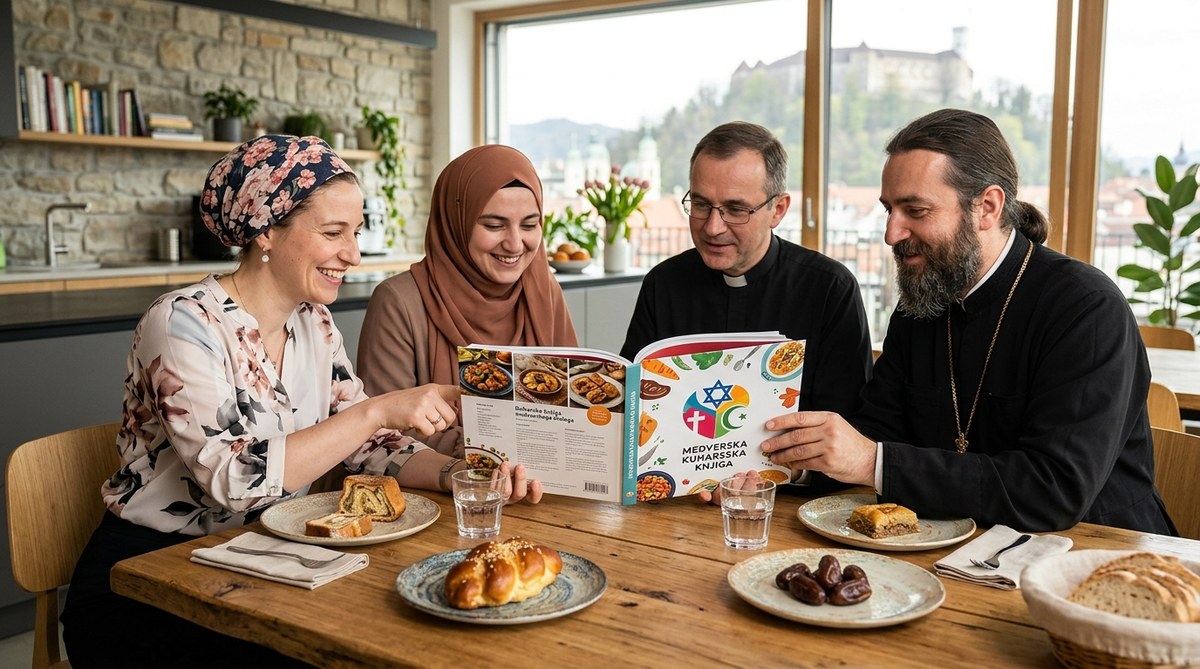
For more ideas, read about How Slovenian Religious Leaders Are Building Interfaith Collaborations or explore The Interfaith Cookbook Project Bringing Slovenian Religious Communities to the Same Table. Then pick up a book and invite someone to read it with you.